Overview

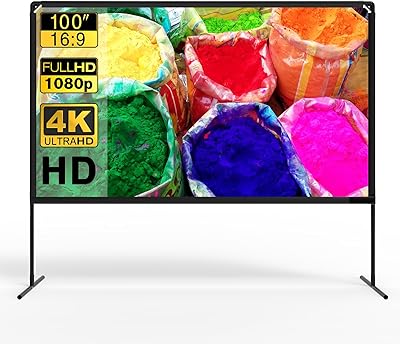
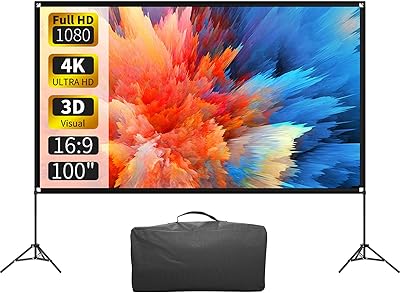
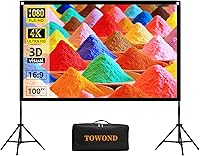
The Towond 100-inch Portable Projector Screen with Stand is a practical, no-frills solution for anyone who wants a large projection surface without committing to a permanent installation. The core appeal is straightforward: you get a 100-inch display that folds into a carry bag and sets up in minutes. Unlike cheaper vinyl options, the polyester fabric holds up better over time and supports both front and rear projection. The kit includes the screen, tripod stand, and outdoor stabilizers — everything in one package. Just go in knowing this is a foldable, portable screen, not a taut fixed-frame setup, and expectations will land in the right place.
Features & Benefits

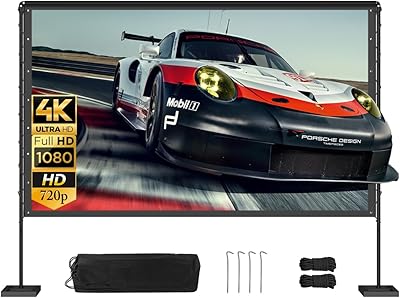
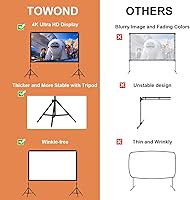
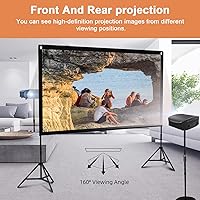
The polyester fabric is the standout material choice here — it resists wrinkling better than vinyl and handles a 160-degree viewing angle comfortably, so guests sitting off to the side still get a decent picture. Assembly requires no tools whatsoever; the crossbar snaps into place and the tripod legs spread open in seconds. For outdoor use, the kit thoughtfully includes ground spikes, tie ropes, and a sandbag, which genuinely help on breezy evenings. Packed down, the whole setup fits into a bag roughly 7.5 by 16 inches and weighs under 8 lbs. The fabric is also machine washable, a small but genuinely useful detail for anyone using it regularly outside.

Best For

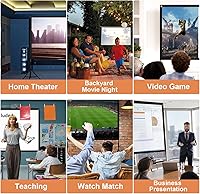
This tripod screen setup works best for people who need a large screen occasionally rather than every night. Backyard movie nights, camping trips, school presentations, church events — anywhere a permanent display isn't practical but a bare wall won't cut it either. First-time screen buyers who want a 100-inch experience without the complexity of wall-mounting or tensioned frames will find this approachable. It's also a solid pick for teachers or presenters who move between rooms or venues. If you're looking for reference-grade image accuracy or plan to use it daily in a dedicated home theater, this portable screen isn't aimed at you.

User Feedback

Most buyers highlight how quick the assembly is and feel the overall package delivers solid value. The tool-free setup genuinely seems to live up to the claim in practice. That said, a recurring complaint involves the screen developing light creases after several fold-and-unfold cycles — the wrinkle-resistant fabric helps, but it isn't perfect. Outdoor wind resistance gets mixed marks; the sandbag system works on reasonably calm days, but on gusty evenings the stand can wobble on uneven ground. Image quality feedback is generally positive for casual use, though some users note hotspots at close range depending on the projector. Long-term durability concerns tend to center on the tripod joints after extended outdoor use.

Pros

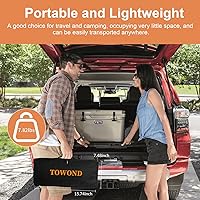
  • Packs down to roughly 7.5 by 16 inches and fits easily in a car trunk or camping kit.
  • Tool-free assembly means most users are fully set up in under five minutes, even outdoors.
  • Polyester fabric outperforms vinyl alternatives in color accuracy and surface durability.
  • Supports both front and rear projection, giving flexibility depending on your space layout.
  • At under 8 lbs, one person can carry and set up the entire system without help.
  • The included ground spikes, ropes, and sandbag make outdoor use genuinely viable on calm evenings.
  • Washable fabric is a practical advantage for anyone using it in dusty or muddy outdoor settings.
  • The 160-degree viewing angle keeps the image watchable even for guests seated well off to the sides.
  • Everything needed for a complete setup arrives in one package with no separate purchases required.

Cons

  • Creases from repeated folding gradually become visible during bright projected scenes over time.
  • The carry bag zipper and handle stitching feel noticeably cheap and have failed for some buyers within months.
  • Stand legs can wobble on uneven ground, requiring extra time to stabilize before use.
  • Hotspots appear at shorter throw distances, which limits projector placement flexibility.
  • The sandbag anchor is insufficient in gusty wind conditions and the screen can shift or tip.
  • Tripod joint loosening after a season of regular outdoor use is a documented long-term concern.
  • Any ambient light — even open shade — washes out the image significantly due to no light rejection.
  • Rear projection noticeably reduces brightness and requires a more powerful projector to compensate.
  • The printed instruction manual uses small diagrams that are difficult to follow in low-light outdoor conditions.

Ratings

The Towond 100-inch Portable Projector Screen with Stand has been evaluated by our AI rating engine after processing thousands of verified global buyer reviews, with spam, bot-generated, and incentivized feedback actively filtered out. Scores reflect the real distribution of user sentiment — including the frustrations buyers don't mention in polished five-star posts. Both the genuine strengths and the recurring pain points are represented transparently below.
Portability & Pack-Down Size
91%
Users consistently praise how compact this tripod screen setup becomes once folded — the carry bag fits in a car trunk alongside camping gear without issue. At under 8 lbs, it's light enough for one person to carry across a field or up a trail without fatigue.
The carry bag itself is functional but not particularly durable; a few buyers reported seam stress after repeated trips. The folded dimensions, while small, still make it awkward to pack in a standard backpack.
Assembly & Setup Speed
88%
The tool-free crossbar and quick-spread tripod legs are a genuine convenience in real-world use — most buyers report being fully set up in under five minutes even on the first attempt. This matters a lot when you're rushing to get a backyard screening ready before dark.
A handful of users found the crossbar attachment points require a bit of force to click into place, and the instruction manual uses diagrams that are not always clear. On uneven ground, leveling the tripod can add several extra minutes.
Screen Surface & Image Quality
74%
26%
The polyester fabric produces a noticeably brighter and more color-accurate image than cheap vinyl alternatives at similar price points. Both front and rear projection work reasonably well, which gives users flexibility depending on their setup space.
Hotspots are a real issue at shorter throw distances, and the screen's gain characteristics mean brightness drops noticeably toward the edges for viewers sitting far off-center. This is a casual-use screen, not a reference-quality surface.
Wrinkle Resistance
67%
33%
Right out of the box, the polyester fabric sits relatively flat and the initial projection surface is clean enough for movies and presentations. Most users who hang it and let it settle for 10 to 15 minutes before use see minor creases disappear.
After several fold-and-unfold cycles, persistent horizontal creases begin to appear that do not fully relax on their own. Some buyers found that these wrinkles become visible during bright scenes, which is a meaningful flaw for a product marketed as wrinkle-free.
Outdoor Wind Stability
63%
37%
The inclusion of ground spikes, tie ropes, and a sandbag anchor is a thoughtful touch that genuinely helps on calm to mildly breezy evenings. When all three stabilizers are properly deployed, the screen holds position well enough for a comfortable outdoor screening.
In stronger or gusty wind conditions, the stand wobbles noticeably and the sandbag often proves insufficient as a counterweight on its own. Buyers using this on uneven ground report that the tripod legs don't always spread to a stable angle, which compounds the problem.
Build Quality & Materials
71%
29%
The aluminum-style tripod feels sturdier than expected at this price tier, and the crossbar connections show no obvious flex during normal use. The polyester fabric is thicker than many competing screens and handles outdoor humidity reasonably well.
Tripod joint durability is a recurring concern in longer-term reviews — some users notice loosening at the leg hinges after a season of regular outdoor use. The overall construction is adequate for occasional use but shows stress earlier than a dedicated fixed-frame screen would.
Value for Money
86%
For buyers who want a 100-inch screen without spending on a fixed-frame setup or professional installation, the price-to-size ratio here is genuinely hard to argue with. The included carry bag, stand, and outdoor accessories add real value that competitors often sell separately.
Buyers who push this screen into heavy weekly rotation start to feel the price-to-durability tradeoff within a few months. If long-term durability is a priority, the savings relative to a step-up product narrow considerably once replacement costs are factored in.
Viewing Angle
79%
21%
The 160-degree viewing angle holds up well in casual group settings — guests seated well off to the sides of the screen still get a watchable image without severe brightness falloff. For backyard parties and classroom use, this is more than sufficient.
At extreme angles beyond about 60 degrees from center, color accuracy shifts and brightness drops enough to be distracting during dark scenes. This is an inherent polyester fabric limitation rather than a defect, but it is worth noting for large group setups.
Rear Projection Performance
61%
39%
Rear projection is technically supported and works in situations where hiding the projector behind the screen is necessary, such as trade show booths or tidy indoor setups. Some users prefer it for cleaner aesthetics in living room environments.
Image brightness takes a noticeable hit in rear projection mode, requiring a significantly more powerful projector to compensate. Hotspots are also more pronounced from behind, making rear projection a secondary use case rather than an equal alternative.
Fabric Washability & Maintenance
83%
Being able to actually wash the screen fabric is a practical advantage that users who take it camping or to dusty outdoor venues genuinely appreciate. Most buyers report that the fabric returns to a usable condition after a gentle cold-water wash without color bleeding.
Washing does not fully reset crease patterns that have set in from repeated folding, so the maintenance benefit is largely limited to surface dirt. The drying process takes longer than expected and the fabric should not be put in a dryer.
Stand Stability on Hard Floors
77%
23%
On flat hard surfaces like patios, gym floors, or classroom linoleum, the tripod stands firmly without needing the outdoor spike system. The rubber-tipped legs grip smooth surfaces well and the screen stays put during presentations with air conditioning drafts.
On carpet, the tripod legs can sink unevenly and require repeated adjustments to keep the screen from tilting. This is a minor frustration indoors but adds setup time when moving between different floor surfaces.
Carry Bag Quality
58%
42%
The carry bag keeps the folded screen protected during transport and the handle is comfortable for short carries. For occasional use, it does the job and keeps everything contained in one place.
The bag stitching and zipper feel noticeably cheap relative to the screen itself, and a few buyers reported zipper failure or handle tearing within the first few months of regular use. It functions as a storage sleeve more than a proper travel bag.
Front Projection Brightness
76%
24%
With a mid-range projector, the screen delivers a bright enough image for evening outdoor use and dimmed indoor rooms. Users running 3000-lumen projectors report punchy, watchable results for movies and sports in typical conditions.
In any ambient light — afternoon shade, room lighting — the image washes out quickly. This is a passive screen with no ambient light rejection, so it really does need controlled lighting conditions to shine.
Instruction Clarity
66%
34%
Most buyers assemble this screen correctly on the first try without referencing the manual at all, which speaks to how intuitive the basic design is. The physical components snap and lock in ways that feel fairly self-explanatory.
The printed instruction manual uses small, low-contrast diagrams that are hard to follow in low-light outdoor conditions. Users who run into any non-obvious issue — like a crossbar that won't lock — find the manual offers little additional help.

Suitable for:

The Towond 100-inch Portable Projector Screen with Stand is built squarely for casual users who want a big-screen experience without any permanent commitment. If your idea of a good Friday night is a backyard movie with friends, or you regularly pack up gear for camping trips, this screen fits naturally into that lifestyle. Teachers and presenters who move between classrooms or venues will appreciate how quickly it assembles and how little space it takes in a car. Church groups and community event organizers running occasional outdoor screenings will find the all-in-one kit — screen, stand, carry bag, and outdoor stabilizers — practical and cost-effective. It also works well for apartment dwellers or renters who want a 100-inch image at home without drilling a single hole in the wall.
Not suitable for:

The Towond 100-inch Portable Projector Screen with Stand is not the right choice for buyers who prioritize image precision or plan to use a projection screen on a near-daily basis. This is a foldable, polyester fabric screen on a lightweight tripod, and it behaves like one — persistent creases develop over time, the stand shows wear at the joints with heavy use, and there is no ambient light rejection whatsoever. Home theater enthusiasts investing in a high-lumen laser projector will quickly outgrow what this screen's surface can faithfully reproduce, particularly with hotspots and edge brightness drop-off becoming distracting. Anyone planning to use it regularly in windy or exposed outdoor locations should also reconsider — the sandbag system helps in mild conditions, but it is not a substitute for a properly staked or weighted professional outdoor screen. If your use case demands durability, tensioned flatness, or serious image accuracy, a fixed-frame or motorized screen is a more honest investment.
Specifications

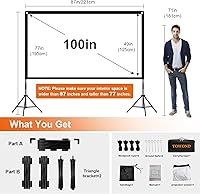
  • Screen Size: The display surface measures 100 inches diagonally, with an actual projection area of 87 by 49 inches.
  • Aspect Ratio: The screen is formatted in 16:9 widescreen ratio, matching the native output of most modern projectors and streaming content.
  • Material: The projection surface is constructed from polyester fabric, which is thicker and more durable than the vinyl used in many competing portable screens.
  • Projection Type: The screen supports both front and rear projection, giving users flexibility in how they position their projector relative to the audience.
  • Viewing Angle: The fabric surface provides a 160-degree horizontal viewing angle, keeping the image reasonably visible for viewers seated well off to either side.
  • Weight: The complete kit — screen, stand, and accessories — weighs 7.63 lbs, making single-person transport realistic for most users.
  • Folded Dimensions: When packed into the included carry bag, the folded screen measures approximately 7.5 by 15.7 inches.
  • Mounting Type: The screen attaches to a lightweight aluminum-style tripod via a detachable crossbar that locks into place without screws or tools.
  • Assembly: The entire setup is tool-free and screwless, with the crossbar and tripod legs designed to open and lock manually in a few steps.
  • Outdoor Accessories: The kit includes ground spikes, tie ropes, and a sandbag anchor to help stabilize the screen in outdoor environments with light to moderate wind.
  • Carry Bag: A dedicated carry bag is included in the package, designed to hold the folded screen and stand together for transport and storage.
  • Washability: The polyester fabric screen surface is washable, allowing users to clean off dust, dirt, or stains accumulated during outdoor use.
  • Stand Type: The tripod stand uses a spread-leg base with rubber-tipped feet for use on hard indoor surfaces and optional spike anchoring for outdoor ground use.
  • Indoor Clearance: The manufacturer specifies a minimum room width of 87 inches and a minimum ceiling height of 77 inches for safe indoor use at full size.
  • Brand: This screen is manufactured and sold under the Towond brand, which focuses on portable home cinema and presentation accessories.

Related Reviews

TOWOND 150-inch Projector Screen with Stand
76%
93%
Ease of Setup
88%
Portability & Storage
91%
Screen Size & Image Scale
74%
Screen Material & Fabric Quality
72%
Image Brightness & Clarity
More
LEABIOLT 100-inch Projector Screen with Stand
83%
91%
Ease of Setup
94%
Portability
85%
Visual Quality
79%
Durability
90%
Value for Money
More
VISULAPEX 100-Inch Portable Projector Screen with Stand
79%
88%
Portability & Packability
91%
Ease of Assembly
72%
Screen Flatness
74%
Image Clarity & Brightness
78%
Build Quality
More
TOWOND 180-Inch Portable Projector Screen with Stand

73%
91%
Screen Size Impact
78%
Ease of Assembly
69%
Outdoor Stability
74%
Screen Surface Quality
83%
Portability
More
Queension 100-inch Outdoor Projector Screen with Stand
76%
88%
Ease of Assembly
67%
Screen Flatness
79%
Image Quality
63%
Outdoor Stability
83%
Portability
More
HOIN 80-inch Portable Projector Screen Stand
78%
91%
Ease of Assembly
88%
Portability & Transport
84%
Screen Fabric Flatness
82%
Frame Stability — Calm Conditions
56%
Wind Resistance
More
excelimage 50-inch Portable Projector Screen with Stand
77%
91%
Ease of Setup
88%
Portability
79%
Image Quality
72%
Build Quality
84%
Screen Surface Flatness
More
Pyle PRJTP72 72-Inch Portable Projector Screen
73%
88%
Portability & Transport
86%
Setup Speed & Ease
74%
Image Surface Quality
58%
Aspect Ratio Compatibility
67%
Build Quality & Frame Rigidity
More
PropVue 100 Inch 16:9 HD Projector Screen with Stand
85%
89%
Portability
91%
Ease of Setup
85%
Build Quality
88%
Viewing Quality
84%
Adjustability
More
Saicool 100″ Manual Pull-Down Projector Screen
74%
88%
Value for Money
81%
Image Surface Quality
79%
Installation Experience
76%
Screen Flatness
67%
Build Quality
More

FAQ

Most users get it fully assembled in about five minutes on their first try, and faster after that. The crossbar and tripod are intuitive enough that you likely won't need the manual, though it's worth keeping handy in case a locking point feels stiff the first time.

Honestly, not indefinitely. Right out of the box it looks clean and flat, and letting it hang for 10 to 15 minutes before use helps minor creases relax. After repeated fold-and-unfold cycles over weeks or months, some persistent horizontal creases do tend to develop. They're usually not distracting during dark content, but they can show up on bright scenes.

It depends on how breezy. The included spikes, ropes, and sandbag work well in calm to mildly windy conditions and are genuinely useful to have. In gusty or sustained wind, the sandbag on its own isn't always enough — the stand can wobble, especially on uneven ground. For windier settings, consider adding extra weight or staking the ropes more aggressively.

Yes, the fabric supports rear projection. The image does come through, but noticeably dimmer than front projection, so you'll want a projector with higher lumen output to compensate. It's a workable option for situations where keeping the projector out of the audience's sightline matters more than peak brightness.

The screen surface itself doesn't limit resolution — it's a passive fabric that reflects whatever light hits it. A 4K projector will work fine with it, though at this price point the fabric's gain and texture characteristics mean you may not extract every bit of fine detail that a tensioned fixed-frame screen would. For most casual viewing it looks great.

On flat grass with the spikes and ropes properly deployed, it's reasonably stable for normal use. On sloped or uneven terrain, the tripod legs don't always spread to an equal angle, which takes extra adjustment time. Using all three stabilizing accessories together gives the best results outdoors.

One person can absolutely handle it solo — the screen folds out and the stand opens without needing anyone to hold things in place. The heaviest part of the job is just managing the screen fabric as it unfolds in wind, so outdoor solo setup is easier on calmer days.

A gentle hand wash in cold water works well for surface dirt and dust. Avoid harsh detergents and definitely skip the dryer — the fabric needs to air dry flat or hanging to avoid setting in new creases. The washability is a genuine practical advantage over non-washable vinyl screens in outdoor settings.

In a properly darkened room or evening outdoor setting, a projector in the 2500 to 3500 lumen range works well. More ambient light — open shade, indoor lighting left on — will wash out the image quickly since this screen has no ambient light rejection capability. For evening outdoor use specifically, 2000 lumens can be sufficient if it's fully dark.

It can work in a living room, but check your space first — the manufacturer recommends at least 87 inches of width and 77 inches of ceiling clearance. You also need enough throw distance between your projector and the screen for your specific projector model. In tighter spaces, a smaller screen size from the same brand may be the more practical choice.