Overview

The Pyle PRJTP72 72-Inch Portable Projector Screen has been a steady fixture in the budget AV market since 2013, and its #34 ranking in Projection Screens suggests it has earned that spot through consistent demand rather than hype. Made by Sound Around under the Pyle brand, it targets buyers who need a practical, no-fuss screen they can set up and pack away without much ceremony. The 72-inch diagonal and classic 4:3 aspect ratio define its identity — this is a roll-up fabric screen on a tripod, straightforward by design, and that is exactly the point.
Features & Benefits

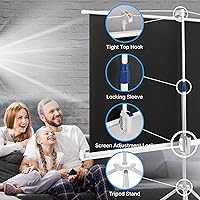
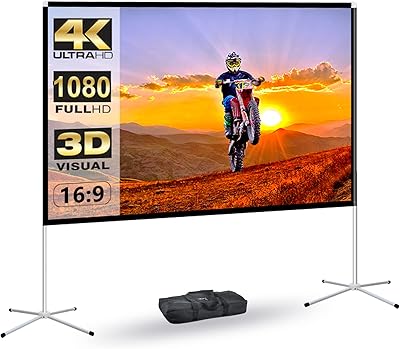
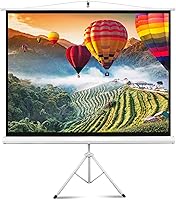
The white matte fabric surface does a solid job diffusing projected light without creating hot spots, which makes it compatible with most entry-level and mid-range projectors — 4K included. A black masking border runs along the edges, sharpening the perceived boundary of the image in a way that genuinely helps focus during presentations. The tripod stand adjusts in height, letting you position it comfortably whether it sits on a tabletop or a floor. Folded down, the whole unit fits into a slim carry case at under 15 pounds, so one-person transport is realistic without any real strain.

Best For

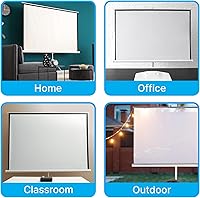
This fold-out projection screen is a natural fit for teachers and trainers who haul gear between classrooms, or for anyone hosting a backyard movie night who does not want to deal with a permanent wall mount. Small conference rooms that need an occasional screen — but not a dedicated one — will appreciate how little space it demands when stored. That said, buyers should know upfront: the 4:3 aspect ratio does not suit widescreen 16:9 content well, and if your projector outputs in that format, you will see black bars or cropping. It is not a home cinema screen; it is a workhorse.

User Feedback

Across close to 1,800 ratings, the Pyle roll-up screen holds a 4.2-star average — a credible signal for a product that has been on the market this long. Buyers consistently highlight how fast setup is and how well the image holds up for the price point. The criticism, though, is worth noting: the fabric can develop wrinkles after repeated rolling and unrolling, and the stand has been reported to wobble on uneven surfaces. A handful of owners have also flagged that hinges and locking parts show wear after extended use. Not a long-haul premium build, but reliable enough for regular light-duty use.

Pros

  • Sets up in minutes with no tools — ideal for presenters who cannot afford to waste time on gear.
  • Packs into a slim carry case that fits in most car trunks without rearranging anything.
  • The matte white surface handles most projector outputs cleanly, including HD and 4K units.
  • Black masking border meaningfully sharpens image focus, especially in moderately lit rooms.
  • Height-adjustable stand works on both tabletops and floors, covering a range of real-world setups.
  • At 15 pounds, one person can carry, set up, and break down this portable tripod screen alone.
  • A long sales track record and close to 1,800 ratings provide genuine confidence in what you are buying.
  • Stored footprint is minimal — fits in a closet corner without dedicated storage furniture.
  • Solid value for occasional or light-duty use where a permanent screen is not justified.

Cons

  • The 4:3 aspect ratio is incompatible with most modern 16:9 widescreen projectors — a major blind spot for many buyers.
  • Fabric develops persistent horizontal creases after repeated rolling and unrolling over several months.
  • Stand legs are prone to shifting on carpet or uneven outdoor surfaces, requiring improvised ballast.
  • Hinges and locking collar show mechanical wear faster than expected under weekly heavy-rotation use.
  • The carry case has no shoulder strap and minimal padding, making longer carries uncomfortable.
  • Projected image in brighter environments appears dim — this screen really needs a darkened room to perform well.
  • Assembly instructions are sparse; first-time users often need to find a third-party video to set it up confidently.
  • The roll-up tension weakens over time, making full flat deployment less reliable after extended use.
  • At maximum stand height, the screen sits lower than ideal for audiences beyond the first few rows.

Ratings

The Pyle PRJTP72 72-Inch Portable Projector Screen has been scored by our AI system after analyzing verified purchaser feedback from global markets, with spam, bot-generated, and incentivized reviews actively filtered out. Ratings reflect the full picture — what this fold-out projection screen genuinely does well and where real buyers have run into frustration. Both strengths and recurring pain points are weighted transparently into every score below.
Portability & Transport
88%
Most buyers are pleasantly surprised by how manageable the packed unit is for a solo carry — it fits in a car trunk without drama and does not require a second person to move. Teachers and trainers in particular praise how little effort it takes to bring this to a different room or venue.
At 15 pounds, it is not ultralight, and carrying it any real distance on foot gets tiring. The included carry case is functional but not padded, so bumps during transit are a minor concern for long-term owners.
Setup Speed & Ease
86%
The tripod-and-roll mechanism means most users are ready to project within a few minutes of unboxing, with no tools or assembly instructions needed after the first use. For classroom presentations or impromptu backyard screenings, that kind of no-fuss deployment genuinely matters.
Getting the screen to unroll completely flat without assistance can take a couple of tries, especially for new users. A handful of buyers noted that the locking mechanism requires a firm, deliberate click — it is not always obvious when it has engaged properly.
Image Surface Quality
74%
26%
The white matte fabric diffuses light reasonably well, keeping hotspots and glare to a minimum at typical viewing distances. For slide presentations, educational content, or casual movie viewing, the surface holds up well enough that most users do not feel short-changed.
This is functional fabric, not a premium tensioned surface. Colors appear slightly muted compared to fixed-frame screens, and fine detail in dark scenes can look washed out. Users accustomed to higher-end screens will notice the difference, but first-time buyers generally find it acceptable.
Aspect Ratio Compatibility
58%
42%
The 4:3 ratio is a solid fit for office presentations, older projectors, and document or slide-based content. Buyers who specifically need a 4:3 screen — for legacy AV equipment or classroom use — find it lines up exactly with their requirements.
This is the single most common complaint across buyer feedback: the 4:3 format is poorly matched to modern 16:9 widescreen projectors, resulting in black bars or cropped edges. Buyers who did not check their projector specs before purchasing express significant frustration, and it is a genuine mismatch for home cinema use.
Build Quality & Frame Rigidity
67%
33%
The alloy steel frame feels adequately solid for the price tier, and the tripod legs spread wide enough to provide stable footing on most flat indoor surfaces. For regular but light-duty use in a controlled environment, it holds up without issue.
Extended or frequent use reveals weaknesses in the hinges and locking hardware — these are the components that accumulate the most wear. Several long-term owners report that the stand develops wobble over time, and the locking collar in particular is a noted failure point after repeated setups.
Fabric Wrinkle Resistance
61%
39%
Fresh out of the carry case, the screen surface is reasonably smooth, and minor creases from storage tend to relax after a few minutes of hanging under their own weight. For occasional use, this is rarely a serious problem.
Repeated rolling and unrolling gradually introduces persistent horizontal creases into the fabric that do not fully self-correct. Buyers who use this screen weekly report visible wrinkling within a few months, which distracts from the projected image during presentations.
Stand Stability
63%
37%
On a hard, level floor indoors the tripod base is stable enough for standard use. The wide leg spread gives it a reasonably low center of gravity, and most users report no issues in calm indoor environments.
On carpet, uneven flooring, or outdoors with any breeze, the stand has a tendency to shift or tip. Users who set this up for outdoor screenings often end up weighing the legs down with bags or bricks, which is not a great solution for a screen marketed partly for outdoor use.
Height Adjustability
77%
23%
The range of height adjustment covers enough ground to work reasonably well whether the screen is sitting on a conference table or standing on a floor. Presenters who switch between these setups regularly appreciate not needing two different pieces of equipment.
The maximum height is modest — if you are projecting for a seated audience of more than a handful of people, the screen sits lower than ideal. Taller users also find the adjustment collar a bit awkward to operate at the upper range of the stand.
Value for Money
83%
For buyers who need a portable 72-inch screen at an entry-level price, the value proposition is clear — you get a functional, deployable surface without the cost of a fixed-frame or motorized unit. The long sales history and volume of satisfied buyers backs this up.
The trade-offs — fabric quality, stand durability, aspect ratio limitations — are real, and buyers who push the screen into heavy rotation or outdoor use may find themselves replacing it sooner than expected. Value holds best for occasional, light-duty users.
Black Masking Border Effectiveness
79%
21%
The black border does a genuine job of framing the projected image, which helps both with focus during presentations and with perceived contrast for video content. It is a small detail that makes a noticeable difference, especially in brighter rooms.
The border is part of the fabric rather than a rigid frame, so it does not stay perfectly taut at all times. When the screen develops wrinkles, the border alignment can shift slightly, which mildly undermines the clean-edge effect it is meant to provide.
Compatibility with Modern Projectors
71%
29%
The matte white surface accepts output from a wide range of projectors — including 4K and HD units — without significant color distortion or reflection issues. Buyers pairing it with entry-level home or office projectors consistently report a clean, usable image.
Beyond the aspect ratio mismatch with 16:9 projectors, the gain level of the fabric is on the lower side, meaning projectors with weaker lumens may produce a dim image in any lit environment. Dimly lit rooms are really where this screen performs best.
Storage Footprint
84%
Rolled up and packed into its case, this fold-out projection screen takes up surprisingly little closet or storage room space. Office managers and teachers who keep it stored between uses appreciate that it does not demand dedicated storage furniture.
The case itself has no shoulder strap or ergonomic handle, which makes longer carries less comfortable. It also offers minimal protection against impacts, so storing it in a crowded equipment closet means potential surface contact that could scratch or dent the frame.
Durability Over Time
59%
41%
For users who set it up a handful of times per month in controlled indoor conditions, the screen can hold up for a year or more without significant degradation. Casual home users with low-frequency use tend to report positive longevity experiences.
Heavy-rotation users — weekly classroom setups, repeated event use — find the mechanical components start to show wear faster than expected. Hinges loosen, the roll-up tension decreases, and fabric creasing becomes increasingly permanent over time.
Packaging & Unboxing Experience
72%
28%
The product arrives well enough protected for standard shipping, and most buyers report no damage on arrival. The carry case doubles as both storage and transport packaging, which reduces waste and is a practical touch for a portable screen.
Instructions are minimal, and first-time users occasionally struggle to understand the assembly sequence from the included guide alone. A short video tutorial from the manufacturer would go a long way — several buyers mention relying on third-party demos to get set up confidently.

Suitable for:

The Pyle PRJTP72 72-Inch Portable Projector Screen is a practical match for anyone who needs a deployable projection surface without committing to a permanent wall installation. Teachers and corporate trainers who move between rooms or buildings will appreciate how quickly it sets up and packs away — no tools, no fuss, just a tripod and a roll. It also works well for first-time projector owners who want a decent surface to pair with an entry-level projector without spending heavily on gear. Homeowners who host occasional backyard movie nights or indoor viewing parties will find it delivers a usable image at a comfortable viewing size for small to mid-sized groups. Small offices or conference rooms that only need a screen a few times a month — and have no wall space or budget for a fixed mount — are also a natural fit.
Not suitable for:

The Pyle PRJTP72 72-Inch Portable Projector Screen is not the right choice for buyers who plan to use it heavily or outdoors in anything but dead-calm conditions — the stand wobbles on uneven ground, and the mechanical components show wear faster than expected under repeated stress. Anyone with a modern 16:9 widescreen projector should pause before purchasing: the 4:3 aspect ratio is a genuine compatibility issue, not a minor footnote, and it will result in black bars or cropped content on virtually all contemporary video sources. Home cinema enthusiasts looking for accurate colors, deep contrast, and a taut wrinkle-free surface will find the matte fabric limiting compared to fixed-frame alternatives. It is also not ideal for larger audiences — the screen height, even at maximum stand extension, sits low enough that viewers beyond the first few rows may struggle with sightlines. If your use case demands durability, widescreen format, or a polished cinema-grade image, this fold-out projection screen is not built for that expectation.
Specifications

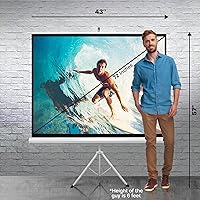
  • Screen Size: The viewable diagonal measures 72 inches, providing a display area of approximately 43.3 x 57.1 inches suitable for small to medium audiences.
  • Aspect Ratio: The screen uses a 4:3 aspect ratio, which is best matched to older projectors, document cameras, and slide-based presentations rather than modern widescreen content.
  • Surface Material: The projection surface is made from white matte fabric designed to diffuse light evenly and reduce glare across a range of viewing angles.
  • Border Type: A black masking border runs along all four edges of the screen to help frame the projected image and improve perceived contrast.
  • Stand Type: The unit uses a freestanding tripod stand with an adjustable-height center column that can be positioned for both floor and tabletop placement.
  • Min Stand Height: The stand column can be lowered to a minimum height of 17.3 inches, making tabletop use practical in conference or classroom settings.
  • Max Stand Height: At full extension, the stand reaches a maximum height of 37.3 inches, which suits floor-level placement for small indoor audiences.
  • Frame Material: The structural frame and tripod stand are constructed from alloy steel, balancing rigidity with a total unit weight that remains manageable for solo transport.
  • Item Weight: The complete unit weighs 15 pounds, light enough for one person to carry but worth considering if you need to transport it over longer distances on foot.
  • Folded Dimensions: When packed into its carry case, the unit measures approximately 66.8 x 4.8 x 7.5 inches, fitting comfortably in a car trunk or storage closet.
  • Mounting Options: The screen supports floor mounting, tripod mounting, and freestanding placement, covering most common indoor and outdoor deployment scenarios.
  • Projector Compatibility: The matte white fabric surface is compatible with standard, HD, and 4K projectors, with no special gain coating that would limit projector type.
  • Screen Mechanism: The screen uses a manual roll-up retractable design that unfurls from a carry tube and locks into position on the tripod frame without tools.
  • Brand & Maker: The screen is sold under the Pyle brand and manufactured by Sound Around, a New York-based consumer electronics company with a broad AV accessories catalog.
  • Model Number: The official model number is PRJTP72, which can be used to identify compatible accessories or locate manufacturer support documentation.
  • Market Availability: The product has been continuously available since September 2013 and is not listed as discontinued by the manufacturer as of current records.
  • Sales Ranking: The screen holds a position of #34 in the Amazon Projection Screens category, reflecting sustained demand over more than a decade on the market.
  • User Rating: The product carries a 4.2-star average rating based on close to 1,800 verified purchaser ratings across global markets.

Related Reviews
Pyle PRJTP53 50″ Portable Tripod Projector Screen
72%
93%
Ease of Assembly
91%
Portability & Weight
74%
Image Surface Quality
58%
Screen Size Accuracy
67%
Tripod Stability
More
Elite Screens Yard Master Sport 110-inch Screen
78%
88%
Ease of Setup
83%
Portability & Storage
79%
Image Clarity & Screen Performance
71%
Outdoor Stability
58%
Aspect Ratio Suitability
More
Elite Screens T72UWH 72-Inch Tripod Projector Screen
79%
91%
Ease of Setup
83%
Image Quality
74%
Build Quality
78%
Portability
67%
Screen Surface Flatness
More
Tecdigbo 50-Inch Retractable Tripod Projector Screen
74%
93%
Ease of Setup
91%
Portability
78%
Image Quality
61%
Stand Stability
67%
Screen Flatness
More
SKERELL Portable Projector Screen 150-inch
87%
91%
Ease of Setup
87%
Portability
94%
Display Quality
80%
Durability
85%
Outdoor Performance
More
AODIOU 60-Inch Portable Projector Screen with Stand
76%
88%
Portability & Transport
91%
Ease of Assembly
73%
Image Clarity & Surface Quality
74%
Build Quality & Frame Durability
62%
Outdoor Wind Stability
More
YF2009 200-inch Portable Projector Screen
75%
88%
Value for Money
91%
Screen Size & Impact
86%
Portability & Weight
82%
Setup & Installation
71%
Image Quality & Clarity
More
HOIN 80-inch Portable Projector Screen Stand
78%
91%
Ease of Assembly
88%
Portability & Transport
84%
Screen Fabric Flatness
82%
Frame Stability — Calm Conditions
56%
Wind Resistance
More
Towond 100-inch Portable Projector Screen with Stand
74%
91%
Portability & Pack-Down Size
88%
Assembly & Setup Speed
74%
Screen Surface & Image Quality
67%
Wrinkle Resistance
63%
Outdoor Wind Stability
More
excelimage 50-inch Portable Projector Screen with Stand
77%
91%
Ease of Setup
88%
Portability
79%
Image Quality
72%
Build Quality
84%
Screen Surface Flatness
More

FAQ

Technically it will display an image, but the 4:3 aspect ratio means you will get black bars on the sides or a cropped picture depending on your projector settings. If your projector outputs natively in 16:9 — which most modern home and office projectors do — this is a real compatibility issue worth thinking through before buying.

Most users get it down to around three to five minutes after the first couple of uses. You extend the tripod legs, raise the center column to your preferred height, unroll the screen, and lock it in place. There is a small learning curve with the locking mechanism the first time, but after that it becomes fairly automatic.

In calm, windless conditions on a flat surface, it holds up fine outdoors. The problem is that the tripod base is not heavily weighted, so even a moderate breeze can cause it to shift or tip. If you are planning regular outdoor screenings, you will want to weigh down the legs or stake the area around it somehow.

Light creases from storage often relax on their own after the screen has been hanging for a few minutes. For more stubborn wrinkles, a fabric steamer held at a safe distance can help, but avoid direct contact with a hot iron as it can damage or warp the matte surface. Over time with heavy use, some creasing becomes permanent regardless of treatment.

A general rule of thumb for a 72-inch screen is to seat viewers somewhere between eight and twelve feet away for a comfortable viewing experience. Sitting much closer than six feet tends to make the image feel too large and pixelated, while beyond fifteen feet the detail starts to feel small for typical content.

It does come with a carry case included in the box. It is a basic tube-style case rather than a padded bag, so it protects against scratches and minor bumps but will not absorb hard impacts during travel. It gets the job done for car transport and closet storage, but it is not something you would want to check as luggage.

One person can handle the full setup without assistance. The roll-up mechanism and tripod design are specifically intended for solo deployment, which is a big part of why teachers and solo presenters gravitate toward this style of screen.

The matte fabric does its best work in dim or fully darkened environments. In a room with ambient light coming through windows or overhead fluorescents, the image will look noticeably washed out and lower in contrast. It is not a high-gain screen, so it relies on the room doing some of the work. For daytime office presentations with the lights on, you will want a projector with strong brightness output.

Yes, the stand can be lowered enough to sit stably on a conference table and still provide a usable screen height for a small meeting room. That said, the actual viewable area will be positioned fairly low relative to the table surface, so make sure seated viewers have a clear sightline. It works better for smaller groups than for a full boardroom setup.

Based on patterns in buyer feedback, light use — say once or twice a month — can carry this portable tripod screen through a couple of years without major issues. Weekly heavy-rotation use is where things tend to break down faster, with the locking hardware and roll-up tension being the first things to show wear. It is not built for daily professional AV deployment, but for casual or semi-regular use it delivers reasonable longevity at its price point.

Where to Buy