Overview

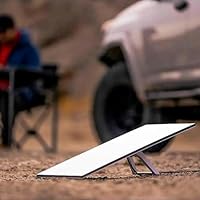
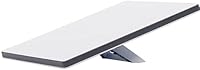
The Starlink Mini Kit Satellite Internet System arrived in late 2024 as SpaceX's answer to a very specific question: what if you could carry satellite internet in a backpack? Unlike the standard Starlink dish built for fixed home installations, the Starlink Mini prioritizes mobility above all else. It is smaller, lighter, and designed for people who move — overlanders, remote workers, boat owners, and frequent travelers. That said, this portable satellite dish is not a replacement for home broadband. It is a mobility-first tool, and understanding that distinction upfront will help you decide whether the premium price point genuinely makes sense for your lifestyle.
Features & Benefits

At just over six pounds, the Starlink Mini is genuinely backpack-portable — something that cannot be said about most satellite hardware. Download speeds regularly clear 100 Mbps in open-sky conditions, which is more than enough for video calls, HD streaming, and file uploads on the road. The built-in dual-band router is a quiet but meaningful advantage: no separate networking device needed to connect your phone, laptop, or tablet. Power consumption is low enough that a solid portable battery or a vehicle DC outlet can sustain it for extended stretches. Setup takes minutes, not hours — no drilling, no professional installer, no configuration headaches.

Best For

The Mini Kit is a strong fit for anyone whose daily life regularly pulls them off the grid. Overlanders, van-lifers, and long-haul road-trippers who depend on unreliable cell service will find it genuinely useful. It also suits remote job sites well — think construction crews, field researchers, or rural property owners with no fixed broadband option. Boaters who need connectivity beyond coastal cell coverage are another natural audience. Content creators filming in backcountry locations will appreciate the reliable upload speeds too. One honest caveat: this portable satellite dish requires a clear sky view, so dense forest canopy or tight urban canyons will noticeably limit its effectiveness.

User Feedback

Buyers consistently highlight how straightforward the setup process is and how reliably the Starlink Mini performs in places where cellular networks simply give out. Weather resistance draws positive remarks too, with users reporting solid operation through rain and moderate wind. The recurring frustration, however, centers on the ongoing subscription cost — the hardware is only part of the total financial commitment, which catches some buyers off guard post-purchase. Speeds can also dip in congested Starlink cells near busy campgrounds or large events. A notable share of reviewers genuinely wrestle with whether this dish justifies the cost against a premium mobile hotspot — a fair question worth resolving before you commit.

Pros

  • Genuinely backpack-portable at just over six pounds — lighter than any comparable satellite option on the market.
  • Download speeds are fast enough for uninterrupted video calls and HD streaming in open-sky conditions.
  • Built-in dual-band Wi-Fi router means one less device to carry, charge, and troubleshoot.
  • Low power draw makes it compatible with vehicle outlets, solar setups, and large portable battery packs.
  • Setup is refreshingly simple — no installer, no tools, no complicated configuration required.
  • Works where cellular networks simply do not reach, which is its single most valuable real-world advantage.
  • Weather resistance holds up well in rain and moderate wind according to consistent real-world reports.
  • Connects multiple devices simultaneously without any additional networking hardware.
  • For existing Starlink subscribers, adding the Mini Kit to a travel plan is straightforward within the same account ecosystem.
  • Ranked among the top satellite dishes sold on Amazon, reflecting a strong and growing user base.

Cons

  • The hardware price is significant, and that is before factoring in the mandatory recurring monthly service subscription.
  • Requires a clear, unobstructed sky view — dense tree canopy or tall surroundings will meaningfully hurt performance.
  • Speeds can drop noticeably in congested Starlink cells near busy campgrounds, events, or popular travel corridors.
  • Not a practical home broadband replacement — bandwidth and pricing structure are oriented around mobile use cases.
  • The monthly subscription cost makes it a poor value for users who only travel off-grid a few times a year.
  • Heavier and bulkier than a smartphone hotspot, which remains a simpler solution when cell coverage is adequate.
  • No offline functionality — if the Starlink service has an outage or your subscription lapses, the hardware is useless.
  • Some buyers report sticker shock after purchase when they fully calculate the long-term total cost of ownership.

Ratings

The Starlink Mini Kit Satellite Internet System scores are generated by our AI engine after analyzing thousands of verified global user reviews, with spam, bot activity, and incentivized feedback actively filtered out before scoring. Ratings across every category reflect the honest distribution of real buyer experiences — strengths and frustrations weighted equally — so you can trust these numbers to guide a genuinely informed decision. The Mini Kit earns high marks in portability and connectivity reach, but certain categories reveal trade-offs worth understanding before you commit.
Portability
91%
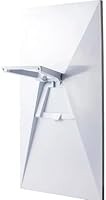
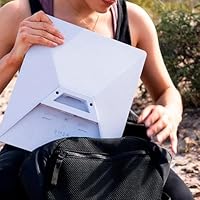
Users consistently describe carrying the Starlink Mini in a hiking pack or duffel without strain, which is a meaningful achievement for satellite hardware. Overlanders and van-lifers specifically call out how much smaller and lighter it is compared to anything else in this connectivity category.
A handful of users note that while the dish itself is manageable, the full kit with cables and power adapters takes up more bag space than expected. It is portable, but calling it ultralight would be a stretch for solo backpackers watching every ounce.
Internet Speed
83%
In open rural environments with low cell congestion, the Starlink Mini delivers speeds that genuinely support video conferencing, cloud uploads, and HD streaming simultaneously — things no mobile carrier can reliably promise at a remote job site or backcountry campground.
Speed consistency is the weak point. Users in busy campgrounds or near large outdoor events report speeds dropping sharply as the local Starlink cell fills up, sometimes to the point where even basic browsing feels sluggish. Rural isolation remains the best predictor of strong performance.
Ease of Setup
93%
Setup earns some of the most enthusiastic feedback across the entire review pool. Users with zero networking experience describe being online within minutes of opening the box — place the dish, run the cable, open the app, done. No installer, no instruction manual deep-dive required.
A small subset of users report frustration finding an adequate sky-clear position in their specific campsite or vehicle setup, which is less a hardware problem and more a situational one. The app guidance helps, but it cannot overcome a physically obstructed location.
Value for Money
58%
42%
For users who genuinely live off-grid or travel full-time, the Mini Kit's ability to replace unreliable or nonexistent cell coverage justifies the investment. Remote workers who bill hourly and need guaranteed connectivity rate the long-term value positively once they factor productivity gains.
The hardware cost is steep on its own, but the mandatory recurring subscription makes the total cost of ownership significantly higher than most buyers anticipate upfront. Casual or occasional travelers frequently conclude post-purchase that a premium mobile data plan would have been the smarter financial call.
Connectivity Reliability
77%
23%
In genuinely remote locations — rural highways, isolated properties, offshore water — the Starlink Mini maintains connection quality that simply has no competitor. Users working from boats or mountain properties describe it as transformative compared to every alternative they tried previously.
Reliability is inconsistent in areas where Starlink's satellite cells are under heavy load. Weather-related interruptions during severe storms are also reported, though moderate rain and wind cause minimal disruption for most users. Reliability scores drop noticeably for users in semi-urban or popular recreation zones.
Build Quality
81%
19%
Real-world testers operating in rain, dust, and variable temperatures report that the dish holds up solidly under standard outdoor conditions. The housing feels purposeful rather than fragile, and most users express confidence leaving it deployed through overnight weather changes.
Some users note that the cable connection points feel like the most vulnerable part of the system over extended field use, particularly with repeated pack-and-unpack cycles. The dish itself is robust, but the cable management could feel more ruggedized for true expedition-level abuse.
Power Efficiency
84%
The low DC power draw is a standout practical advantage — users running the dish from vehicle cigarette sockets or mid-size portable battery packs report runtime that comfortably covers a full workday. Solar-powered van builds find it easy to integrate into existing electrical setups.
Exact power consumption figures require some investigation, as Starlink does not prominently publish them in the kit documentation. A minority of users with smaller battery banks report faster drain than expected, suggesting the power requirement is modest but not negligible under sustained load.
Sky View Requirement
54%
46%
In open terrain — meadows, hilltops, open water, desert flats — the sky view requirement is a non-issue and the dish locks on quickly. Users who plan their sites with the Starlink app obstruction tool in advance rarely report problems.
This is one of the most cited frustrations for users in wooded campgrounds, tight valleys, or dense urban environments. The dish physically needs clear sky access, and no firmware update or positioning trick fully overcomes significant obstructions. Buyers who camp primarily in forested areas should consider this a serious limitation.
Multi-Device Support
86%
The integrated dual-band router handles a realistic mix of connected devices — a laptop, two phones, and a tablet — without noticeable degradation in everyday use. Small travel groups and couples working remotely together find the multi-device capability genuinely sufficient.
Under heavier loads — multiple video streams or several devices running bandwidth-intensive apps simultaneously — some users report the connection feeling thinner. This is partly a satellite bandwidth constraint rather than purely a router limitation, but the result is the same from a user experience standpoint.
App Experience
73%
27%
The Starlink app provides useful real-time obstruction mapping and signal feedback that makes siting the dish faster and less guesswork-dependent. Regular software updates have gradually improved the interface and added useful diagnostics for troubleshooting in the field.
Users report occasional app stability issues, particularly on Android devices, and the overall feature set still lags behind what a technically-minded user would want for detailed network monitoring. Customer support within the app ecosystem is described as slow and impersonal when issues escalate.
Weather Resistance
79%
21%
The consensus from field testers is that the dish handles rain, humidity, and moderate wind reliably without loss of signal or hardware damage. Users in the Pacific Northwest and coastal areas report consistent operation through sustained wet conditions.
Extreme cold affects startup behavior for some users, with the dish taking longer to orient in sub-freezing temperatures. Heavy snow accumulation on the dish surface can interrupt the signal, requiring manual clearing — a minor but real inconvenience in winter overlanding scenarios.
Subscription Transparency
44%
56%
Users who researched carefully before buying fully understood the subscription model and budgeted accordingly, rating their overall experience positively. The service itself — when active — performs as described, and Starlink's coverage map has expanded meaningfully since launch.
A notable share of buyers express frustration that the subscription requirement and its ongoing cost are not emphasized prominently enough at the point of hardware purchase. Post-purchase sticker shock around the total monthly commitment is one of the most frequently recurring complaints across global reviews.
Comparison to Hotspots
63%
37%
In areas beyond cellular reach, the Mini Kit has no real competitor — it delivers connectivity that a hotspot physically cannot provide. For full-time travelers and remote site workers, that gap is the entire justification for the product's existence and premium cost.
When cell coverage is available, even at reduced signal strength, most users acknowledge that a modern 5G hotspot delivers comparable speeds at a significantly lower combined hardware and service cost. The Mini Kit only clearly wins when you are genuinely off the cellular grid.
Included Accessories
67%
33%
The kit arrives with everything needed to get online out of the box — dish, router, and cables are all included, and users appreciate not being forced to source additional components before first use. The cable length is adequate for most vehicle and campsite setups.
There is no protective carry case included, which is a notable omission for a product marketed around portability and travel. Several users purchased third-party cases or padding separately, and it is a minor but legitimate gap given the hardware's price point.

Suitable for:

The Starlink Mini Kit Satellite Internet System was built for people whose work or lifestyle routinely takes them beyond the reach of reliable cell coverage. Overlanders, van-lifers, and long-haul road-trippers are the clearest fit — these are users who have lived with dead zones and know exactly how disruptive losing connectivity can be. Remote workers tied to rural job sites, offshore boats, or isolated properties will also find the Mini Kit genuinely practical, since it can sustain video calls and cloud-based workflows on a portable battery or vehicle power without needing a fixed installation. Content creators and streamers who shoot in backcountry locations benefit from the upload reliability that no mobile carrier can consistently match in those environments. It is equally worth considering as an emergency preparedness tool, since satellite connectivity remains available when terrestrial networks go down during natural disasters or infrastructure outages. Existing Starlink residential subscribers looking for a portable companion dish for travel will find the ecosystem integration especially convenient.
Not suitable for:

The Starlink Mini Kit Satellite Internet System is the wrong purchase for anyone expecting it to replace a home broadband connection. It is sized and priced for mobility, not for running a household's worth of devices at peak hours, and the total cost of ownership — hardware plus an ongoing monthly service subscription — will feel steep to buyers who only occasionally venture off-grid. Performance is also heavily dependent on having a clear, unobstructed view of the sky; campers in dense forest cover, users in deep valleys, or anyone frequently parked under trees will see noticeably degraded speeds. In densely populated Starlink coverage zones — busy festival grounds or popular campgrounds, for example — network congestion can erode speeds to the point where the advantage over a strong mobile hotspot narrows considerably. Budget-conscious buyers or those who travel with reliable cellular coverage should honestly weigh whether a premium unlimited data plan from a carrier would serve them just as well at a fraction of the cost.

Specifications

  • Brand: Manufactured by Starlink, a division of SpaceX, the company behind the low-Earth orbit satellite constellation powering this service.
  • Model: This unit is the Starlink Mini Kit, the most compact hardware configuration Starlink offers for consumer use.
  • Weight: The dish and included components weigh approximately 6.43 pounds in total, making it realistic to carry in a standard daypack.
  • Wi-Fi Standard: Wireless connectivity runs on 802.11ac (Wi-Fi 5) with dual-band support, covering both 2.4 GHz and 5 GHz frequencies.
  • Download Speed: Under clear-sky conditions with low network congestion, downstream speeds can exceed 100 Mbps, sufficient for HD video and remote work.
  • Built-in Router: A Wi-Fi router is integrated directly into the unit, eliminating the need to purchase or carry a separate networking device.
  • Power Input: The dish runs on a low-voltage DC power input, making it compatible with vehicle outlets, portable battery stations, and solar power setups.
  • Antenna Type: The antenna is fully internal to the dish housing, with no external protrusions or components requiring separate alignment.
  • Compatible Devices: The Mini Kit supports simultaneous connections from laptops, desktop computers, smartphones, and tablets over its built-in Wi-Fi network.
  • Connectivity: Internet delivery is achieved through Starlink's low-Earth orbit satellite network, with local distribution handled via the integrated Wi-Fi router.
  • Form Factor: The dish is compact enough to fit inside a standard backpack, making it the most portable hardware option in the Starlink lineup.
  • Release Date: The Mini Kit was made available to consumers in September 2024, positioning it as one of the newer Starlink hardware generations.
  • Included Components: The kit ships with the satellite dish, an integrated router, and the necessary cables to get connected without purchasing additional accessories.
  • Recommended Use: Starlink designed this unit primarily for mobile and remote-use scenarios rather than as a fixed residential broadband installation.
  • Service Requirement: Active internet access requires a paid Starlink service subscription, which is sold separately from the hardware on a monthly basis.

Related Reviews

Dazzle Dry Mini Kit 4 Step System Beloved
91%
97%
Drying Speed
94%
Color Vibrancy
91%
Long-Term Wear
88%
Application Ease
96%
Formula Safety
More
Gigi Mini Pro Kit
Gigi Mini Pro Kit
83%
88%
Ease of Use
85%
Effectiveness
90%
Suitability for Sensitive Skin
87%
Portability
84%
Waxing Results
More
NxN Oil Control System Kit
85%
88%
Oil Control Effectiveness
82%
Hydration Balance
85%
Soothe and Calm Sensitive Skin
91%
Shine Reduction Without Dryness
84%
Texture and Feel
More
Gelish MINI Complete Basix Kit
87%
91%
Ease of Use
87%
Long-Lasting Results
90%
Effectiveness of Adhesion
92%
Convenience for At-Home Use
88%
Quality of Finish
More
Intel NUC7i3BNH Mini PC Kit
85%
88%
Performance for Everyday Tasks
94%
Compact Design & Space Efficiency
84%
Ease of Setup
70%
Upgradeability (RAM & Storage)
90%
Power Efficiency
More
Garmin InReach Mini Satellite Communicator
75%
91%
Satellite Coverage & Reliability
88%
SOS & Emergency Performance
93%
Portability & Form Factor
84%
Battery Life
53%
Messaging Usability
More
tolviviov Alarm System 15-Piece Kit
83%
92%
Ease of Installation
89%
Value for Money
90%
Smart Home Integration
88%
Siren Effectiveness
85%
App Control & Alerts
More
Dazzle Dry Ethereal Glow Mini Kit
84%
80%
Ease of Application
95%
Drying Speed
87%
Wear Duration
90%
Variety of Shades
85%
Texture & Finish
More
bareMinerals Original Get Started Kit Mini
87%
88%
Value for Money
92%
Buildable Coverage
94%
Travel-Friendliness
90%
Suitability for Sensitive Skin
85%
Foundation Texture & Feel
More
Clean + Easy Mini Pot Waxing Kit
85%
88%
Ease of Use
92%
Effectiveness on Sensitive Skin
85%
Waxing Results
90%
Portability & Size
80%
Temperature Control
More

FAQ

The hardware and service are sold separately. Buying the dish gets you the equipment, but you will need to sign up for a Starlink data plan to actually get online. Make sure to factor that recurring monthly cost into your total budget before purchasing.

Yes, and this is actually one of its more practical strengths. The dish draws relatively low power compared to traditional satellite hardware, so a mid-to-large capacity portable battery station can keep it running for extended periods. Many overlanders pair it with solar charging setups for fully off-grid use.

Setup is genuinely straightforward. You place the dish with a clear view of the sky, connect the cables, and use the Starlink app to confirm alignment. No drilling, no installer, no technical background required. Most users report being online within a few minutes of unpacking.

This is a real limitation worth understanding before you buy. The dish needs a reasonably clear, unobstructed view of the sky to maintain a reliable connection. Dense tree canopy, steep canyon walls, or tall buildings surrounding you will degrade performance significantly. Open clearings and hilltop sites work best.

The standard residential and Mini plans do not officially support in-motion use — that capability falls under Starlink's separate Mobility plan, which has different pricing. If you intend to use it while driving or on a moving boat, check the current Starlink plan options before committing to the hardware.

In areas with solid 5G coverage, a hotspot is cheaper and simpler. Where the Mini genuinely wins is in places where cell towers simply do not reach — deep rural areas, mountain backcountry, offshore waters. If your travel mostly keeps you within cellular range, a hotspot is likely the more practical and economical choice.

The built-in router supports simultaneous connections from multiple devices — phones, laptops, tablets — without needing any extra hardware. For a small group of travelers sharing the connection, it handles everyday multi-device use without issues under normal conditions.

Real-world users report solid performance through rain and moderate wind, which aligns with Starlink's general track record for weather resilience across their hardware lineup. It is not something you want submerged or left out in extreme hail, but routine outdoor exposure in variable weather is handled well.

Speeds can drop noticeably in high-demand zones — popular campgrounds, outdoor festivals, or areas where many Starlink users are online simultaneously. This is a network-level limitation, not a hardware defect. Rural and remote locations with fewer active users in the cell tend to deliver the best and most consistent speeds.

It can serve that role well, particularly during events where terrestrial infrastructure goes down. Because it connects via satellite rather than ground-based networks, it remains operational in many disaster scenarios where cell towers and cable internet fail. Just remember that ongoing access still depends on an active subscription and a power source for the dish.

Where to Buy