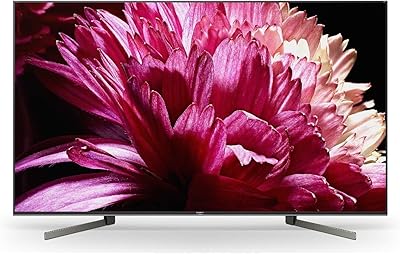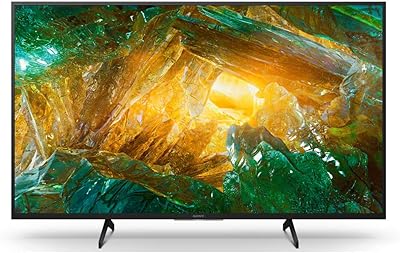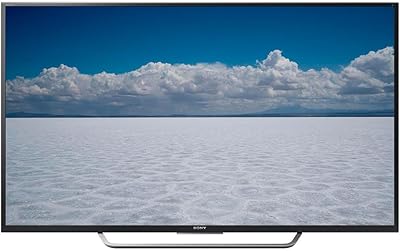

Overview

The Sony XBR49X800G 49-inch 4K Android TV arrived in 2019 as a capable mid-range option in Sony's X800G lineup, and it still makes a reasonable case for itself among buyers who value picture processing and a mature smart platform over bleeding-edge specs. Sony has since discontinued this model, which means pricing and availability can vary — but that also creates opportunities for deal-hunters who prioritize brand reliability. With a 4.3-star rating across thousands of real-world buyers, it has earned consistent praise for dependability. Expect strong upscaling performance and a well-rounded smart TV experience, with audio that handles casual viewing adequately but won't impress anyone with serious listening expectations.

Features & Benefits

The X800G's 4K X-Reality PRO processor is where Sony earns its reputation — it analyzes and upscales lower-resolution content in real time, so cable broadcasts and standard Blu-rays look noticeably sharper than they would on a budget panel. Worth clarifying: the panel runs at a native 60Hz refresh rate, and the Motionflow XR 240 figure refers to motion processing enhancement, not actual hardware speed — an important distinction if fast-motion clarity is a priority for you. HDR10 is supported, but there is no Dolby Vision, which may matter to subscribers who regularly access Dolby Vision streams. The Android TV platform covers the app ecosystem thoroughly, and dual compatibility with both Google Assistant and Alexa gives this set flexibility few competitors offered at a comparable price point.

Best For

This Sony Android TV makes the most sense for buyers furnishing a bedroom or a living room where viewing distance suits a 49-inch screen comfortably. Cord-cutters who spend the bulk of their TV time inside YouTube, Netflix, or Chromecast sessions will find the experience well-matched to their habits. Households already running Google or Amazon smart home setups benefit from native voice control without needing an external hub. Because the model is discontinued, it appeals most to buyers who trust the Sony brand and are comfortable trading the very latest features — like Dolby Vision support or high-frame-rate gaming — for a dependable, proven platform at a more accessible price point.

User Feedback

Owners of this 49-inch Sony set consistently highlight picture clarity and upscaling performance as its strongest qualities, particularly for everyday streaming and broadcast content. Setup receives high marks across the board — most buyers describe it as painless, and Google Assistant works reliably once configured. On the downside, a notable number of long-term owners report that the Android TV interface can grow sluggish once many apps are installed, a platform-level issue rather than a hardware flaw. Built-in audio handles dialogue and casual viewing adequately, but anyone watching films regularly will want a dedicated soundbar. Remote control opinions are split: functional enough for most, but some users find the layout less intuitive than traditional designs.

Pros

  • Sony's 4K X-Reality PRO upscaling makes cable and standard HD content look noticeably cleaner and more detailed than most rivals at this tier.
  • A 4.3-star average across thousands of reviews reflects genuine, sustained owner satisfaction — not a honeymoon spike.
  • Dual voice assistant support for both Google Assistant and Alexa is rare and genuinely useful for mixed smart home households.
  • Chromecast built-in works reliably for casting YouTube, Netflix, and more directly from a phone without extra hardware.
  • Long-term owners report very few hardware failures, which speaks well of Sony's build quality at this price point.
  • Setup is straightforward out of the box, with most buyers up and running in under 30 minutes.
  • The Android TV app ecosystem is broad, covering virtually every major streaming service without needing external devices.
  • At 26 pounds, the X800G is light enough for a single person to wall-mount comfortably.
  • HDR10 support adds visible depth and contrast improvement for compatible streaming content on supported services.

Cons

  • No Dolby Vision support means subscribers to Apple TV Plus, Disney Plus, and Netflix Dolby Vision tiers will not get the best version of that content.
  • The native panel refresh rate is 60Hz — the Motionflow XR 240 figure is a processing metric, which can mislead buyers comparing specs on paper.
  • Android TV performance tends to degrade noticeably over time as more apps are installed, a frustration multiple long-term owners flag.
  • Built-in speakers are underwhelming for rooms larger than a bedroom; a soundbar purchase should be factored into the budget.
  • Being a discontinued model means buyers assume more risk around firmware updates, parts availability, and retailer warranty support.
  • The remote layout has drawn mixed feedback, with some users finding the button arrangement less intuitive than Sony's newer designs.
  • No HDMI 2.1 port limits future-proofing for anyone considering a next-generation gaming console or high-bandwidth source.
  • Finding a new unit through a reputable seller requires more due diligence than buying a current-generation TV from standard retail stock.

Ratings

The scores below for the Sony XBR49X800G 49-inch 4K Android TV were generated by our AI after systematically analyzing thousands of verified owner reviews from global markets, with spam, incentivized submissions, and bot-generated feedback actively filtered out. This rating reflects a genuine cross-section of real-world experiences — everyday streaming households, long-term owners, and first-time smart TV buyers alike. Both the strengths that keep this Sony Android TV competitive and the pain points that give buyers pause are transparently represented in each category score.

Picture Quality
84%
Owners consistently single out the 4K X-Reality PRO upscaling as a genuine differentiator — cable broadcasts and 1080p Blu-ray content look noticeably sharper and cleaner than buyers expected at this price level. For daily streaming on Netflix and YouTube, colors appear natural and well-saturated without the oversaturated look common on budget panels.
HDR performance is solid for HDR10 content but the absence of Dolby Vision means viewers on platforms that serve Dolby Vision streams are not getting the best possible image. Black levels are decent for an LED LCD but fall short of what an OLED or even a full-array local dimming set can deliver in dark room viewing.
Upscaling Performance
88%
The X800G's upscaling engine is one of the most praised aspects across long-term owner feedback — older DVDs, cable box output, and even 720p broadcast content hold up respectably on the 49-inch panel. Sony's processing approach avoids the over-sharpened, artificial look that plagues some competitors' upscaling algorithms.
Very compressed streaming content or low-bitrate cable channels can still show artifacts that the processor cannot fully recover. Upscaling results vary meaningfully by source quality, so buyers who primarily watch very low-quality feeds may see inconsistent results.
Smart TV Experience
71%
29%
Android TV gives this 49-inch Sony set access to a genuinely broad app ecosystem, and having both Google Assistant and Alexa natively integrated is a practical advantage for households running mixed smart home setups. Initial setup is widely praised as intuitive, and voice search across streaming services works reliably day to day.
The Android TV interface tends to slow down over time as more applications accumulate, with longer menu load times and occasional stuttering that owners find frustrating after the first year of use. The platform also surfaces Google-promoted content and advertisements on the home screen, which some buyers find intrusive.
Audio Performance
58%
42%
ClearAudio+ processing handles dialogue clarity reasonably well, making the built-in speakers adequate for news watching, talk shows, and casual daytime viewing in a bedroom setting. At moderate volumes the sound is clean and free of obvious distortion.
For anything demanding — action movies, music, or filling a mid-sized living room with sound — the built-in speakers feel clearly underpowered and thin. Multiple reviewers across different markets note that a soundbar purchase feels less optional and more necessary, which adds to the effective total cost of ownership.
Build Quality
82%
18%
Long-term owners report very few hardware failures across multi-year use, which aligns with Sony's broader reputation for durability in its mid-range TV lineup. The cabinet feels solid and well-finished, and the stand provides stable support without wobble on flat surfaces.
The bezel, while acceptably slim, has a slightly plasticky feel compared to Sony's higher-end models from the same era. A small number of owners have reported backlight uniformity issues over time, though these appear to be isolated rather than systematic.
Value for Money
77%
23%
Considering the upscaling quality, the maturity of the Android TV platform, and Sony's reliability track record, buyers who find this discontinued model at a competitive price generally feel they received solid value for a trusted brand name. The feature set punches above its tier for everyday streaming use cases.
At its original retail price it faced stiff competition from newer models offering Dolby Vision and higher native refresh rates. Buyers should carefully verify the asking price against current-generation alternatives before committing, since the discontinued status does not automatically guarantee a bargain.
Streaming & Casting
89%
Chromecast built-in is one of the most seamlessly functional features on this Sony Android TV — casting from a phone or tablet to the screen is fast, stable, and requires zero extra hardware. Netflix and YouTube run natively and perform well with minimal buffering on a stable home network.
A small number of users report occasional Chromecast connection drops that require a TV restart to resolve, which points to an underlying Android TV stability quirk rather than a hardware fault. App-specific issues can arise when streaming apps push updates that temporarily conflict with older Android TV builds.
Voice Control
79%
21%
Having Google Assistant and Alexa both available natively is a genuine practical benefit that competing models in this tier often skip — users in households with Echo devices can control the TV by voice without any workaround. Google Assistant voice search across streaming apps works accurately for content discovery.
The microphone on the included remote is functional but not highly sensitive, occasionally requiring users to speak closer to the remote than feels natural. Some owners find the interaction between Alexa and Android TV slightly less polished than a native Alexa device, with occasional command misinterpretation.
Remote Control
63%
37%
The remote is compact and relatively lightweight, which makes it comfortable to hold during long viewing sessions. Dedicated shortcut buttons for Netflix and Google Play are convenient for users who primarily use those services.
Owners who switched from other brands frequently miss dedicated input-select and menu buttons that are absent or awkwardly positioned here. Several reviewers note the remote lacks backlighting, making it harder to use in a dark room — a surprising omission on a set aimed at home entertainment use.
Setup & Installation
86%
The out-of-box setup process is consistently described as painless — most buyers report having the TV running and connected to Wi-Fi within 20 to 30 minutes. Google account integration during setup makes app downloads and preferences feel pre-populated and ready to go.
Users who do not have a Google account or prefer to skip sign-in during setup find the process pushes back against them, with several prompts that are not easily bypassed. First-time Android TV owners occasionally find the initial home screen layout confusing until they spend time customizing it.
Motion Handling
66%
34%
For standard broadcast sports and action films watched at typical living room distances, Motionflow processing reduces motion blur enough to be clearly noticeable versus having it turned off entirely. Most casual viewers find the default motion settings acceptable without needing to adjust anything.
The native 60Hz panel is a real ceiling — no amount of motion processing fully compensates for the frame rate limitation when compared to a true 120Hz display during high-speed sports or gaming. Buyers who are sensitive to motion blur will feel this limitation, especially if upgrading from a higher refresh rate set.
App Ecosystem
78%
22%
The Google Play Store on Android TV gives access to virtually every major streaming service, including niche apps that proprietary smart TV platforms from Samsung or LG may not support. Regular app updates keep the streaming experience current even on an older hardware platform.
Not all Android phone apps have tablet or TV-optimized versions, so the quality of the app experience varies by service. The home screen is cluttered with promoted content rows by default, and reorganizing it requires more effort than most buyers anticipate.
Energy Efficiency
73%
27%
At 107 watts of rated operating power, this 49-inch Sony set is reasonably efficient for its screen size and processing load, comparing well to older-generation equivalents. Sony's Eco mode further reduces consumption during low-ambient-light viewing.
Power consumption climbs in bright room settings when auto-brightness compensation pushes backlighting higher, and there is no energy usage display built into the settings menu to help owners monitor draw over time. Standby power draw is minor but present.
Connectivity Options
69%
31%
Wireless connectivity including Wi-Fi and Bluetooth works reliably for streaming and pairing audio devices, and the inclusion of both Chromecast and Screen Mirroring covers most casting scenarios without needing additional hardware. The IR blaster included in the box allows control of connected devices.
The lack of HDMI 2.1 is a meaningful gap for anyone connecting a newer gaming console or high-bandwidth source device. The number of physical HDMI ports is adequate for a typical setup but leaves little room to expand as households add more source devices over time.

Suitable for:

The Sony XBR49X800G 49-inch 4K Android TV is a strong match for buyers who want a reliable, well-rounded smart TV experience without chasing the latest flagship specs. It fits naturally into a bedroom or a mid-sized living room, where its 49-inch screen size hits a practical sweet spot between compact and immersive. Cord-cutters will feel right at home — the Android TV platform gives direct access to Netflix, YouTube, and a wide range of streaming apps, while Chromecast built-in means casting from a phone or tablet takes no setup at all. Households already using Google Assistant or Amazon Alexa devices will appreciate how smoothly this Sony Android TV slots into an existing voice-controlled ecosystem. And because this model has been discontinued, shoppers who prioritize brand-name dependability and picture quality over cutting-edge features can often find it at a price that represents genuine value.

Not suitable for:

The Sony XBR49X800G 49-inch 4K Android TV has real limitations that make it a poor fit for certain buyers, and it is worth being direct about them. If Dolby Vision support matters to you — and it increasingly does as more streaming platforms serve Dolby Vision content by default — this set simply does not offer it; HDR10 is the ceiling here. Dedicated gamers looking for a responsive gaming display will also want to look elsewhere, since the native 60Hz panel and lack of HDMI 2.1 mean high-frame-rate 4K gaming is off the table entirely. Buyers who want a living room centerpiece with room-filling sound will likely feel let down by the built-in speakers and should budget for a soundbar regardless. Finally, anyone expecting to find this TV through standard retail channels should be aware the manufacturer has discontinued it, meaning stock, warranty coverage, and long-term software support are all less predictable than with a current-generation model.

Specifications

  • Screen Size: The display measures 49 inches diagonally, making it well-suited for bedrooms or mid-sized living rooms at typical viewing distances.
  • Display Type: This set uses an LED LCD panel, which delivers reliable brightness and color consistency across a wide range of lighting conditions.
  • Resolution: Native resolution is 4K UHD at 3840x2160 pixels, providing four times the pixel density of a standard 1080p panel.
  • HDR Support: The TV supports HDR10 for improved contrast and color depth, but does not support Dolby Vision or HDR10 Plus.
  • Refresh Rate: The native panel refresh rate is 60Hz; the Motionflow XR 240 specification refers to motion-processing enhancement, not the physical hardware rate.
  • Processor: Sony's 4K X-Reality PRO engine handles real-time upscaling and noise reduction for non-native 4K source material including cable and standard Blu-ray.
  • Smart Platform: The TV runs Android TV, giving access to the Google Play Store, Google Assistant, Amazon Alexa, and a wide range of streaming applications.
  • Voice Assistants: Both Google Assistant and Amazon Alexa are natively supported, allowing voice commands through the remote or compatible external smart speakers.
  • Casting: Chromecast built-in and Screen Mirroring are included, enabling direct casting from Android and iOS devices without any additional hardware.
  • Audio Processing: ClearAudio+ optimizes speaker output automatically for different content types, though the built-in drivers are best suited for casual dialogue-heavy viewing.
  • Power Draw: Rated operating power consumption is 107 watts under standard viewing conditions.
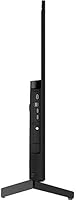
  • Dimensions: Without the stand the set measures 43 3/8″ wide by 25 1/2″ tall by 2 1/4″ deep; with stand it stands 27 3/4″ tall and extends 10 1/4″ deep.
  • Weight: The TV weighs approximately 26 pounds, making solo wall-mounting manageable for most adults.
  • Aspect Ratio: The display uses a standard 16:9 widescreen aspect ratio, matching the format of virtually all modern broadcast and streaming content.
  • Connectivity: Wireless connectivity includes built-in Wi-Fi and Bluetooth, alongside Chromecast for device mirroring and casting.
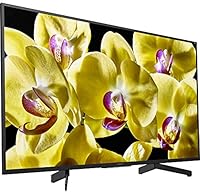
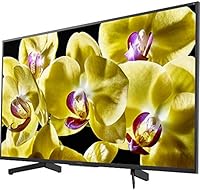
  • Color: The unit ships in black with a slim bezel design typical of Sony's X-series lineup from this era.
  • Manufacturer Status: Sony has officially discontinued this model, meaning it is no longer in active production and availability through standard retail channels is limited.
  • Supported Services: Out of the box the TV supports Netflix, YouTube, and dozens of additional streaming services available through the Android TV app ecosystem.
  • Voltage: The unit operates at approximately 120 volts AC, standard for North American household power outlets.
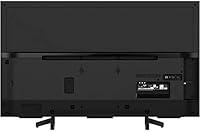
  • In the Box: The package includes the television, stand hardware, remote control, batteries, power cord, IR blaster, and setup documentation.

Related Reviews
Sony XBR65X900F 65-Inch 4K Ultra HD Smart LED Android TV
87%
94%
Picture Quality
87%
Smart Features
89%
Ease of Setup
90%
Gaming Performance
80%
Sound Quality
More
Sony XBR-43X800G 43-inch 4K UHD LED Smart Android TV
86%
91%
Picture Quality
88%
Motion Clarity
94%
Ease of Setup
65%
Sound Quality
84%
Smart TV Features
More
Sony X85J 50-inch 4K TV
84%
92%
Display Quality
90%
Motion Clarity
88%
Smart TV Interface
65%
Sound Quality
87%
Value for Money
More
Sony X800H 43-inch 4K Smart LED TV
78%
83%
Picture Quality
81%
4K Upscaling
78%
HDR Performance
72%
Gaming Performance
77%
Smart TV Platform
More
Sony X750H 75-inch 4K LED TV
87%
93%
Picture Quality
90%
Gaming Performance (Game Mode)
65%
Sound Quality
88%
Value for Money
91%
Ease of Setup
More
Sony X950G 65-inch 4K LED TV
77%
91%
Picture Quality
86%
HDR Performance
67%
Black Levels & Contrast
88%
Color Accuracy
84%
Peak Brightness
More
Sony X90L 65-inch 4K Smart TV
80%
88%
Picture Quality
91%
Gaming Performance
84%
HDR Performance
79%
Smart TV Experience
76%
Build Quality & Design
More
Sony 98″ X90L BRAVIA XR 4K TV
76%
88%
Picture Quality
71%
Brightness & HDR Performance
73%
Local Dimming
86%
Gaming Performance
83%
Smart TV & Software
More
Sony XBR-55X700D 55-inch 4K Smart TV
83%
87%
Picture Quality
91%
Value for Money
65%
Sound Quality
90%
Ease of Setup
88%
Alexa Voice Control
More
Sony A90K 42-inch OLED TV
81%
96%
Picture Quality
94%
Gaming Performance
97%
Contrast & Black Levels
91%
Color Accuracy
93%
Input Lag & Responsiveness
More

FAQ

No, it does not. The X800G supports HDR10, which still delivers a meaningful improvement over standard dynamic range content, but if Dolby Vision is important to you — for example, because you watch a lot of Apple TV Plus or Disney Plus content — you will need to look at a different model.

Not quite. The panel itself runs at a native 60Hz refresh rate. Motionflow XR 240 is Sony's motion-processing technology that uses frame interpolation and backlight control to reduce blur in fast-moving scenes. It is a software and processing feature, not a hardware specification, so do not compare it directly to a true 120Hz or 240Hz panel.

For the right buyer, yes. If you want a reliable streaming TV with solid upscaling, a mature smart platform, and Sony's build quality, this set still delivers. The main caveats are that it lacks Dolby Vision, tops out at 60Hz natively, and has been discontinued — so weigh those trade-offs carefully against what you find it listed for.

Yes, you can. This Sony Android TV supports both Google Assistant and Amazon Alexa natively. You can link it to an existing Alexa ecosystem so voice commands through an Echo device or the remote can control power, volume, and input switching.

Surprisingly good, thanks to the 4K X-Reality PRO upscaling processor. Sony's upscaling on the X800G is one of its genuine strengths — 1080p content from a cable box or Blu-ray player gets processed and stretched to fill the 4K panel with noticeably less softness or artifacting than budget competitors tend to show.

This is a real concern that multiple long-term owners have flagged. As you install more apps, the interface can become sluggish, with slightly longer load times and occasional stuttering when navigating menus. Keeping the app list lean and restarting the TV periodically helps. It is a platform-level limitation more than a hardware defect.

For a bedroom or quiet room where you mostly watch news and dialogue-heavy shows, the built-in audio is adequate. For movies, music, or a larger living room where ambient noise competes, you will likely feel the speakers fall short. Budgeting for a basic soundbar alongside this set is a reasonable recommendation.

The X800G includes multiple HDMI ports for connecting devices like streaming sticks, game consoles, and Blu-ray players, but none support HDMI 2.1. This means 4K at 120Hz input from a PlayStation 5 or Xbox Series X is not possible on this set.

Wall mounting is fairly straightforward. At around 26 pounds the set is manageable, and it uses a standard VESA mounting pattern, so most universal wall brackets will be compatible. Just confirm the VESA dimensions match your specific bracket before purchasing.

Sony has continued to push Android TV firmware updates to older X-series models for some time after discontinuation, but this is not guaranteed indefinitely. For now most users report the software remains functional and updated, but it is worth checking Sony's support page for the XBR49X800G model number to see the current update status before buying.