
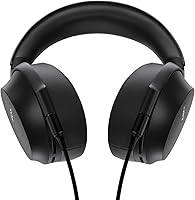
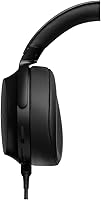
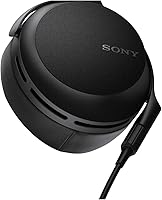
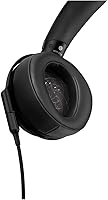
Overview

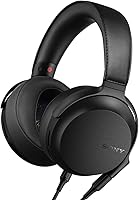
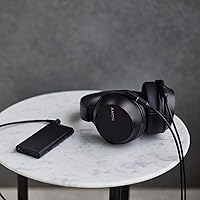
The Sony MDR-Z7M2 Over-Ear Headphones represent Sony's most serious attempt to bring studio-grade listening home without asking you to compromise on the source chain. The Z-series has always been Sony's audiophile flagship line, and the M2 revision sharpens what the original got right — tighter driver engineering, improved comfort, and a more versatile cable kit. At the center of everything is a 70mm dynamic driver, unusually large for a consumer headphone, which gives the MDR-Z7M2 physical headroom that smaller drivers simply cannot match. One critical point upfront: this Sony flagship is strictly wired. If you are expecting Bluetooth, look elsewhere.

Features & Benefits

The 70mm driver is not just a marketing number — it physically expands the soundstage in ways that translate to a noticeably wider, more three-dimensional listening experience, especially on orchestral and jazz recordings. The frequency response stretches from 4Hz all the way to 100,000Hz, which matters most when feeding the MDR-Z7M2 from a Hi-Res Audio source like a quality DAP or external DAC. The 4.4mm balanced connection reduces crosstalk between channels and lowers the noise floor, a difference you can actually hear on quiet passages. Both included cables use silver-coated OFC conductors, keeping signal integrity intact from source to driver, and the redesigned earpads distribute clamping pressure more evenly than the first generation managed.

Best For

These over-ear headphones are built for the listening chair or the studio desk — not the commute. Buyers who get the most out of the MDR-Z7M2 typically already own a dedicated DAC or DAP, because pairing these headphones with a phone's standard headphone jack genuinely undersells what they can do. Anyone running a 4.4mm balanced amplifier in their setup will notice a real improvement in channel separation and dynamics. These headphones also make a strong case for listeners moving out of the mid-tier price range who want a more accurate, less colored sound signature. If portability or wireless freedom matters to you, this Sony flagship is not the right fit.

User Feedback

Owners consistently praise the soundstage width and how cleanly the MDR-Z7M2 separates instruments in complex mixes — a point that aligns directly with the 70mm driver's physical advantage. Treble clarity earns repeated mentions too, with most listeners describing it as extended but not fatiguing over time. On the downside, weight is a legitimate concern: at nearly three pounds, these over-ear headphones become noticeable after an hour or two, and some users wish the headband padding were more generous. Build quality reports are largely positive, though a few owners note the plastic components feel slightly at odds with the asking price. Against similarly priced rivals, most users still cite sound accuracy as the deciding factor.

Pros

  • The 70mm dynamic driver produces a soundstage noticeably wider than most headphones in this class.
  • Instrument separation on complex recordings is a consistent highlight among long-term owners.
  • The 4.4mm balanced cable connection delivers a cleaner, lower-noise signal compared to standard single-ended output.
  • Hi-Res Audio certification is backed by a genuine frequency range that reaches well beyond standard recordings.
  • Both a standard and a balanced cable are included, covering a wide range of source equipment from day one.
  • Silver-coated OFC cable construction keeps signal fidelity high without requiring an aftermarket cable upgrade.
  • Treble extension is praised for being detailed without crossing into harshness during long listening sessions.
  • The redesigned earpads distribute pressure more evenly than the previous generation, improving comfort over time.
  • Build quality is solid overall, with a classic aesthetic that does not chase trends.
  • The MDR-Z7M2 pairs exceptionally well with high-end DAPs and desktop DAC setups, showing clear improvement as source quality rises.

Cons

  • At nearly three pounds, these over-ear headphones become physically tiring after one to two hours of continuous wear.
  • The headband padding has been flagged by some owners as insufficient given the overall weight of the unit.
  • No Bluetooth or wireless option exists at any price — a real limitation for buyers expecting modern flexibility.
  • Some plastic components feel inconsistent with the premium positioning and asking price of the headset.
  • Without a capable external amplifier or DAC, much of what these headphones can do goes unrealized.
  • There is no active noise cancellation, so external noise bleeds in freely during home listening.
  • The 3-meter standard cable is practical at a desk but awkward in any mobile or portable context.
  • Buyers upgrading from wireless headphones may find the adjustment to a wired-only workflow more disruptive than expected.
  • At this price tier, competing options from other audiophile brands offer similar sound quality with lighter chassis designs.
  • The synthetic leather carrying case, while functional, feels like a budget inclusion relative to the overall package price.

Ratings

The scores below for the Sony MDR-Z7M2 Over-Ear Headphones were generated by our AI rating engine after analyzing thousands of verified owner reviews worldwide, with spam, incentivized, and bot-flagged submissions actively filtered out before scoring. Every category reflects the full spectrum of real buyer experience — including where this Sony flagship genuinely delivers and where it falls short of expectations at its price point.

Sound Quality
93%
Owners consistently single out the soundstage width as exceptional — listeners describe the experience of hearing instruments placed spatially across a recording in a way that cheaper headphones simply cannot replicate. Treble clarity and midrange accuracy receive high praise from critical listeners working with Hi-Res Audio files and lossless streams.
A small number of users feel the bass, while detailed, lacks the physical impact they were expecting at this price tier. Those coming from V-shaped consumer headphones often need an adjustment period before they appreciate the more neutral tuning.
Soundstage & Imaging
91%
The 70mm driver gives the MDR-Z7M2 a genuinely wide soundstage that stands out even among audiophile-tier competitors, with instrument separation that makes complex orchestral and jazz recordings feel three-dimensional. Listeners who use these headphones for critical listening sessions regularly cite imaging accuracy as the single best reason to buy them.
A few users note that the imaging, while wide, can feel slightly diffuse on recordings that are not well-mastered, making the headphones somewhat unforgiving about source material quality. This is a characteristic of highly resolving headphones generally, but it can be a surprise for buyers used to more forgiving tuning.
Build Quality
74%
26%
The overall construction feels solid and purposeful in hand, with a headband mechanism that adjusts smoothly and earcups that swivel naturally for fitment. The synthetic leather carrying case is a practical inclusion that protects the headphones during storage without adding much bulk.
Several owners flag that the plastic used in parts of the housing feels inconsistent with what they expected at a premium price point, particularly around the earcup joints. A handful of long-term users have reported creaking from the headband after extended use, which is a recurring theme across multiple review sources.
Comfort
67%
33%
The redesigned earpads distribute clamping pressure more evenly than the previous generation, and most users report the first hour of wear as genuinely comfortable with no hotspots or excessive pressure on the ears. The rounded over-ear shape fully encircles average to large ears without pressing directly on them.
At just under three pounds, fatigue becomes a real issue for many listeners beyond the 90-minute mark, and the headband padding draws repeated criticism for not doing enough to offset the overall weight. Users who wear these headphones for two-plus hours in a sitting frequently mention neck and shoulder tension as a practical concern.
Cable Quality
88%
The silver-coated OFC construction on both included cables is a meaningful step above the generic cables bundled with most headphones, and experienced listeners note the difference in signal clarity when switching from a standard cable to the included balanced option. Having both a 3-meter standard and a 1.2-meter balanced cable included from day one is a practical advantage that removes an immediate aftermarket expense.
The 3-meter cable, while ideal for desktop listening, becomes genuinely awkward in any context that involves moving around, and the cables are not tangle-resistant. Some users also wish Sony had included a shorter standard cable as a third option for desktop rigs where cable management is a priority.
Source Compatibility
71%
29%
The MDR-Z7M2 pairs exceptionally well with dedicated DAPs, desktop DACs, and balanced headphone amplifiers, showing a clear, audible improvement in dynamics and noise floor as source quality increases. Buyers who already own quality equipment will find that these headphones scale noticeably with better amplification.
Pairing these headphones with a smartphone or laptop headphone jack produces a noticeably underwhelming result, and this is a friction point for buyers who expected plug-and-play performance at any price. The 56-ohm impedance means that underpowered sources will struggle to drive them to a satisfying volume without audible distortion or compression.
Value for Money
63%
37%
For listeners who have the supporting equipment to unlock the full capability of the MDR-Z7M2, the acoustic performance per dollar is genuinely competitive with rival flagships in the same price tier. The dual-cable inclusion and Hi-Res Audio certification add tangible value compared to competitors that charge extra for balanced cables.
Buyers who approach these headphones without a quality source chain will find the investment difficult to justify given how much performance is left on the table. At this price, the absence of any wireless option or active noise cancellation is a recurring point of frustration in user feedback, particularly from buyers who were cross-shopping against premium wireless models.
Portability
38%
62%
The included synthetic leather carrying case provides basic protection for transport, and the detachable cable system means there is no single point of failure that makes travel impractical. Some users do bring these headphones to listening events or audio shows where portability is secondary to sound quality.
These are not portable headphones in any practical sense — the weight, the wired-only connection, and the full-size form factor make them unsuitable for commuting, gym use, or travel. The 3-meter cable in particular is almost purpose-designed to stay on a desk, and there is no folding or collapsing mechanism to reduce the footprint for packing.
Noise Isolation
44%
56%
The physical over-ear seal of the rounded earpads does provide some passive blocking of ambient sound, which is sufficient for quiet home listening environments where background noise is minimal. Users in home studio settings report that the isolation is adequate for focused listening when the room is reasonably quiet.
There is no active noise cancellation, and the passive isolation is modest enough that any meaningful ambient noise — a conversation in the next room, a passing vehicle — will cut through during quieter passages in music. Buyers expecting the kind of isolation that premium noise-cancelling headphones provide will be disappointed.
Hi-Res Audio Performance
89%
When fed a genuine Hi-Res Audio source, the MDR-Z7M2 resolves fine detail in recordings that most headphones simply gloss over, including subtle reverb tails, breath sounds in vocal recordings, and the distinct texture of stringed instruments. The certification here is backed by measurable frequency extension, not just a sticker.
The benefit is essentially invisible when the source material is compressed streaming audio or standard MP3 files, which means a meaningful portion of buyers will not hear the difference they paid for without also investing in a Hi-Res capable source and lossless content. This is an inherent limitation of the technology, but it affects real-world satisfaction rates.
Balanced Output Quality
87%
Listeners who run the MDR-Z7M2 through a 4.4mm balanced amplifier consistently describe a cleaner, blacker background compared to the single-ended connection, with a subtle but audible improvement in channel separation on well-recorded stereo content. The L-shaped plug design on the balanced cable is a practical detail that reduces strain on the port during desktop listening.
The benefit of the balanced connection is only accessible to buyers who own compatible equipment, which represents an additional investment beyond the headphones themselves. For those who only have single-ended outputs available, the balanced cable is essentially decorative, which makes it feel like a spec point rather than a real-world advantage.
Driver Performance
92%
The 70mm dynamic driver handles transient response with more authority than the smaller drivers in competing headphones, giving percussion, plucked strings, and piano attacks a physical immediacy that is one of the most consistently praised aspects across owner reviews. The driver also handles low-frequency extension cleanly without the bloat that affects many dynamic driver designs.
A small segment of users who prefer planar magnetic headphones find the dynamic driver presentation slightly less precise in the upper midrange compared to planar alternatives at the same price. This is a matter of preference rather than a flaw, but it is worth understanding before committing.
Earpads & Fit
69%
31%
The rounded over-ear shape accommodates a wide range of ear sizes without the pinna contact issues that affect some competing oval-pad designs, and the earpad material feels soft and supple out of the box. The improved design compared to the original Z7 is noticed and appreciated by owners who used both models.
The synthetic leather material on the earpads tends to retain heat during longer sessions, which contributes to ear discomfort before the weight itself becomes an issue. Several owners report that the earpads show visible wear and compression after about 18 months of regular use, requiring replacement.
Unboxing & Packaging
78%
22%
The packaging presentation is clean and considered, with both cables and the carrying case organized neatly, giving the unboxing experience a premium feel that matches the positioning of the headphones. The Uni-match plug adaptor is a thoughtful inclusion that covers compatibility scenarios without requiring a separate purchase.
Some buyers feel the overall packaging is understated relative to what rivals offer at a comparable price, particularly when comparing against competitors who include hardshell cases or more elaborate presentation. The carrying case itself, while included, is soft-sided and not adequate for checked luggage travel.

Suitable for:

The Sony MDR-Z7M2 Over-Ear Headphones are built for listeners who treat audio as a serious hobby rather than background convenience. If you have already invested in a quality digital audio player, a dedicated DAC, or a headphone amplifier with a 4.4mm balanced output, these headphones are designed to reward exactly that kind of setup. Home audiophiles who spend real time in the listening chair working through albums — not playlists shuffled on a phone — will find the wide soundstage and precise instrument separation genuinely satisfying. Critical listeners, mixing enthusiasts, and anyone who has outgrown the colored or bass-heavy signature of mid-tier headphones will appreciate the more neutral, accurate tuning on offer here. This Sony flagship also suits anyone who values a complete out-of-box cable solution, since both a standard and a balanced cable are included from the start.

Not suitable for:

The Sony MDR-Z7M2 Over-Ear Headphones are a poor fit for buyers who expect wireless freedom at this price point — there is no Bluetooth, no active noise cancellation, and no built-in controls for skipping tracks or adjusting volume. Commuters, gym users, or anyone who needs headphones that can travel light will find the nearly three-pound weight and purely wired design genuinely limiting in day-to-day use. Casual listeners who stream music from a smartphone without any external amplification will also struggle to unlock what the MDR-Z7M2 is actually capable of, since the 56-ohm impedance and high resolving power mean the source quality matters enormously. Buyers on a tighter budget who are comparing these against wireless competitors with noise cancellation should be clear-eyed that the premium here is entirely allocated to acoustic performance, not features. If you want one headphone that handles both the office commute and the home listening session equally well, this is not it.

Specifications

  • Driver Size: A 70mm dynamic driver handles audio reproduction, which is notably larger than the 40–50mm drivers found in most consumer over-ear headphones.
  • Frequency Response: The headphones cover a range of 4Hz to 100,000Hz, meeting the technical threshold required for Hi-Res Audio certification.
  • Impedance: At 56 Ohm impedance, these headphones benefit from a dedicated headphone amplifier or DAC to reach their full dynamic potential.
  • Sensitivity: Rated at 98 dB, the MDR-Z7M2 is reasonably efficient but will sound noticeably better when driven by a quality source rather than a phone output.
  • Connectivity: Wired only; the headphones connect via a 3.5mm stereo mini plug or a 4.4mm balanced standard plug depending on the cable in use.
  • Standard Cable: The included standard cable measures approximately 3 meters and uses silver-coated OFC strands terminated with a gold-plated stereo mini plug.
  • Balanced Cable: The included balanced cable measures approximately 1.2 meters and features silver-coated OFC strands with an L-shaped gold-plated 4.4mm balanced standard plug.
  • Driver Type: The MDR-Z7M2 uses a dynamic driver design, which produces sound through physical diaphragm movement rather than planar or electrostatic methods.
  • Earpiece Shape: The earpads are rounded over-ear in shape, designed to fully encircle the ear rather than rest on it.
  • Weight: The headphones weigh approximately 2.98 pounds, which is on the heavier side for over-ear models and worth considering for long listening sessions.
  • Hi-Res Audio: These headphones carry official Hi-Res Audio certification, confirming they can reproduce audio content recorded and stored at higher-than-CD-quality resolution.
  • Noise Control: There is no active noise cancellation or passive isolation feature; ambient sound will bleed into the listening environment during use.
  • Wireless: No Bluetooth or wireless capability is present; a physical cable connection is required at all times.
  • Carrying Case: A carrying case made from synthetic leather is included in the box for storage and basic protection during transport.
  • Dimensions: The headphones measure 8.56 × 6.22 × 9.28 inches in their packaged form, reflecting a full-size over-ear form factor.
  • Compatible Inputs: The headphones are compatible with devices offering a 3.5mm stereo headphone jack or a 4.4mm balanced standard output.
  • Cable Material: Both included cables use silver-coated oxygen-free copper strands, which are chosen for their low resistance and signal transparency.
  • In the Box: The package includes the headphones, a 3-meter standard headphone cable, a 1.2-meter balanced headphone cable, and a Uni-match plug adaptor.

Related Reviews
Sony MDR-W08L In-Ear Headphones
71%
91%
Wearing Comfort
78%
Sound Quality
34%
Noise Isolation
63%
Build Quality
72%
Cable Design
More
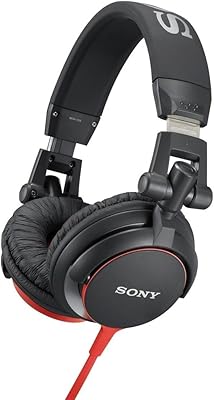
Sony MDR-V55 DJ Over-Ear Headphones
70%
72%
Sound Quality
58%
Comfort & Fit
54%
Build Quality
83%
Design & Aesthetics
78%
Cable & Connectivity
More
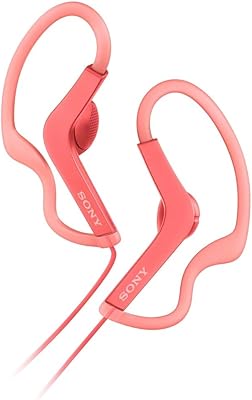
Sony MDR-AS210/P Sport In-ear Headphones
79%
88%
Comfort and Fit
74%
Sound Quality
91%
Water Resistance
65%
Durability
80%
Ease of Use
More
Sony MDREX15AP In-Ear Headphones
82%
85%
Sound Quality
90%
Comfort and Fit
70%
Build Quality
88%
Ease of Use (Controls)
65%
Bass Performance
More
Sony MDR-EX155AP
Sony MDR-EX155AP
76%
74%
Sound Quality
81%
Microphone & Call Performance
68%
Fit & Comfort
61%
Build Quality & Durability
88%
Value for Money
More
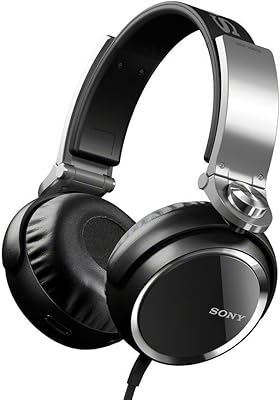
Sony MDR-ZX110 On-Ear Headphones
68%
83%
Value for Money
61%
Sound Quality
58%
Comfort
54%
Build Quality
82%
Portability
More
Sony MDR-ZX310
Sony MDR-ZX310
68%
67%
Sound Quality
78%
Comfort & Fit
58%
Build Quality
72%
Cable & Connectivity
83%
Portability
More
Sony MDR-RF811RK Wireless Headphones
83%
88%
Sound Quality
92%
Wireless Range
75%
Comfort
85%
Battery Life
82%
Build Quality
More
Sony WI-C200 Wireless In-Ear Headphones
79%
85%
Sound Quality
91%
Battery Life
88%
Comfort & Fit
78%
Build Quality
87%
Ease of Use
More
Sony MDR-ZX110NC
Sony MDR-ZX110NC
75%
91%
Value for Money
74%
Noise Cancellation Effectiveness
94%
Battery Life
58%
Comfort & Fit
67%
Sound Quality
More

FAQ

Technically yes, using the included 3.5mm cable, but a smartphone output will not do justice to what the MDR-Z7M2 is capable of. The 56-ohm impedance and high-resolution tuning really benefit from a dedicated DAC or headphone amp. You will get sound, but you will likely feel underwhelmed until you pair them with a better source.

The 4.4mm balanced connection reduces crosstalk between the left and right channels and can lower the noise floor compared to a standard single-ended connection. You only need it if your DAC, DAP, or amplifier also has a 4.4mm balanced output. It is not required to use these headphones, but it is worth using if your equipment supports it.

Most users find them comfortable for the first hour or so, but the weight — just under three pounds — does become noticeable over longer sessions. The earpad redesign helps with pressure distribution compared to the previous model, but some listeners find they need to take breaks after about 90 minutes. If you have a sensitive neck or shoulders, this is worth factoring into your decision.

You can, and the wide soundstage actually works nicely for positional audio in games. The catch is the wired-only setup and the premium tuning, which is aimed more at music accuracy than gaming enhancement. If dedicated gaming headphones are what you need, there are more purpose-built options at lower price points.

The M2 revision brings a larger and refined 70mm driver, improved ergonomics on the earpads, and adds the 4.4mm balanced output that the original lacked. The overall sound tuning is also considered more refined, with better treble control. If you already own the original Z7, the upgrade is meaningful but not dramatic.

Yes, both included cables use a standard detachable connection at the headphone cup, so replacing a damaged cable is straightforward. You are not limited to Sony-branded cables either — any compatible aftermarket cable with the correct connector will work, which is a practical advantage for long-term ownership.

No, neither included cable features an in-line microphone or playback controls. These are purely listening-focused headphones, and Sony made a clear choice to keep the signal path clean rather than add control circuitry to the cable.

Yes, as long as you are routing the output through a proper phono preamp and into an amplifier with a headphone out. The wide frequency response and dynamic driver respond well to analog sources, and many owners specifically enjoy using them with vinyl setups. The key is having a clean, well-amplified signal going in.

Passive isolation is moderate at best. There is no active noise cancellation, and the over-ear earpads provide some physical blocking of ambient sound, but you will still hear conversations, traffic, or household noise in the background. These are designed for a quiet dedicated listening environment, not for blocking out the world.

Sony offers replacement earpads for this model, which is reassuring given the synthetic leather material tends to show wear over a few years. For everyday cleaning, a dry or very slightly damp microfiber cloth is the safest approach — avoid any harsh solvents, which can degrade the earpad surface quickly.

Where to Buy