Overview

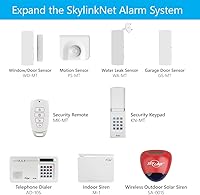
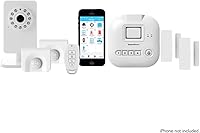
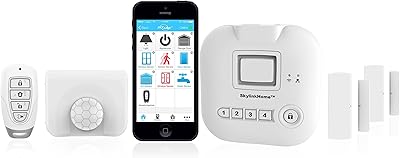
The SKYLINK SK-250 Wireless Home Security Alarm System is a mid-range DIY kit designed for homeowners who want genuine protection without committing to a monthly monitoring contract. Out of the box, you get an internet hub, two door/window sensors, two motion sensors, a keychain remote, and an indoor camera — enough to cover the basics of most homes right away. Launched back in 2015, this wireless alarm kit has held up surprisingly well, largely thanks to its compatibility with Alexa, Google Home, and IFTTT. That smart home integration is what keeps it from feeling dated, even against newer competitors.
Features & Benefits

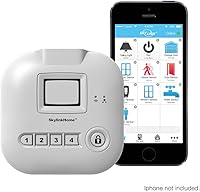
What stands out most about this DIY security setup is the no subscription model — you pay once and manage everything through the SkylinkNet app on iOS or Android. The system supports three arming modes: Away, Home, and Panic, which maps well to how most households actually operate day to day. Range is rated at 300 feet, handling most residential floor plans without issue. You can also scale up to 100 connected devices and 10 cameras over time. A battery backup keeps the system running during power outages — something cheaper alternatives often skip entirely.

Best For

This wireless alarm kit makes the most sense for renters and homeowners who want a hands-on installation without paying a professional or locking into a monitoring plan. If you already run Alexa or Google Home, the voice control integration is a genuine convenience worth having. It also suits buyers who think ahead — the system starts modest but can grow with add-on sensors and cameras. One honest note: a keypad and outdoor siren are sold separately, so factor those costs into your budget if you want a more complete setup from day one.

User Feedback

Buyers generally love how quick and painless the setup is — most report getting the system running in under an hour without any technical background. The app draws mixed reactions: some find it reliable for remote arm and disarm, while others flag occasional connectivity hiccups. Sensor range and responsiveness earn solid marks in typical home environments. The bundled camera, while functional, is considered basic by current standards, and several users wish the image quality were sharper. On the support side, warranty claims tend to go smoothly, but customer service consistency can vary. Most buyers feel solid value for a subscription-free system.

Pros

  • No monthly monitoring fees — you own the system outright with zero ongoing cost
  • Setup typically takes under an hour with no tools or technical experience required
  • Works with Alexa, Google Home, and IFTTT for practical smart home integration
  • Battery backup keeps the Skylink starter system running even during a power outage
  • Three arming modes — Away, Home, and Panic — cover real everyday security scenarios
  • Scales up to 100 devices and 10 cameras as your needs grow over time
  • 300-foot wireless range handles most apartments and mid-sized homes comfortably
  • The included starter bundle covers the essentials: hub, sensors, remote, and a camera
  • SkylinkNet app lets you arm, disarm, and check sensor status from anywhere on your phone
  • One-year manufacturer warranty provides reasonable peace of mind on the hardware

Cons

  • A keypad, which many buyers consider standard, must be purchased separately at added cost
  • The bundled indoor camera lags behind current standards in image clarity and features
  • App connectivity can be inconsistent, with some users reporting lag or intermittent disconnections
  • Outdoor siren is not included, leaving a notable gap for buyers who want audible exterior alerts
  • The platform has not seen major hardware updates since its 2015 launch, which shows in some areas
  • Indoor-only sensor rating limits coverage for garages, sheds, or exterior entry points
  • Self-monitoring means no automatic emergency response — you must act on every alert yourself
  • Customer service quality appears inconsistent based on user reports, with variable response times
  • IFTTT and third-party integrations can require extra configuration that non-technical users may find tricky
  • Expanding beyond the starter kit adds up quickly once you factor in cameras, sirens, and keypads

Ratings

Our AI rating system analyzed thousands of verified global buyer reviews for the SKYLINK SK-250 Wireless Home Security Alarm System, actively filtering out incentivized, duplicate, and bot-generated submissions to surface what real owners actually experience. The scores below reflect a balanced synthesis of genuine strengths and documented pain points across the most decision-critical categories for this type of product. Nothing is glossed over — where buyers consistently ran into friction, the scores reflect that honestly.

Ease of Setup
88%
A strong majority of buyers — including people with zero smart home experience — report having the Skylink starter system fully operational within 45 minutes to an hour. The self-adhesive sensor mounts and plug-in hub mean no drilling, no wiring, and no professional needed, which is exactly what this audience is looking for.
A handful of users hit snags during the SkylinkNet app account creation or initial hub pairing, particularly on older Android devices. The printed instructions are considered bare-bones, and buyers who ran into any hiccup found themselves hunting for answers online rather than finding help in the manual.
App Performance
67%
33%
For day-to-day use — checking sensor status, arming before bed, or disarming remotely when a family member arrives — the SkylinkNet app handles the basics reliably for most users. Push notifications arrive promptly under normal network conditions, which is the core function buyers care most about.
Connectivity dropouts and occasional login loops are a recurring theme in user feedback, particularly on iOS updates or after router changes. The app interface also feels dated compared to competitors launched in recent years, and some users report that the app requires a full reinstall to recover from sync issues.
Sensor Reliability
82%
18%
The door, window, and motion sensors draw consistent praise for their responsiveness in typical home environments. Users report very few false alarms under normal conditions, and the sensors hold a strong signal within the rated 300-foot range across standard residential floor plans.
In larger homes or properties with thick concrete walls, signal reliability drops noticeably beyond 150 to 200 feet. A small but vocal group of buyers also reported individual sensors losing pairing after a power cycle, requiring them to re-add the device through the app.
Camera Quality
54%
46%
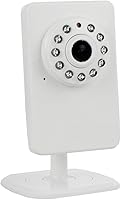
The included 1080p indoor camera does the minimum job of giving homeowners a live view of a room, and for buyers who mainly want visual confirmation of a triggered alert, it serves its purpose without requiring a separate purchase.
By current standards, the camera feels two generations behind — image clarity in low light is poor, the field of view is narrow, and there is no local storage option included. Buyers comparing it to standalone cameras in the same price bracket consistently describe it as the weakest part of this DIY security setup.
Smart Home Integration
83%
The compatibility with Alexa, Google Home, and IFTTT is functional and genuinely useful for households already built around those ecosystems. Being able to arm the system with a voice command or trigger a routine when the last person leaves home adds real convenience to daily life.
The IFTTT setup requires more steps than most buyers anticipate, and the Alexa Skill occasionally needs to be re-enabled after system updates. Google Home integration works but is more limited in command depth compared to what Alexa supports through the dedicated Skill.
Value for Money
79%
21%
For buyers who factor in the long-term savings of zero monthly monitoring fees, the overall cost of ownership over two or three years is genuinely competitive. Getting a hub, sensors, remote, and camera in a single box reduces the initial friction of building a system from scratch.
Some buyers feel the price is harder to justify once they realize a keypad and outdoor siren — both practical necessities for many households — are sold separately. If you add those components, the total spend climbs noticeably above the initial sticker price.
Scalability
84%
Supporting up to 100 devices and 10 cameras on a single hub is a legitimate differentiator for a mid-range system. Buyers who started with the basic kit and added sensors room by room over several months report the expansion process is straightforward through the app.
Expansion costs add up quickly, and SKYLINK-compatible add-ons are not always easy to find in local retail stores, pushing buyers toward online-only purchases. Mixing in third-party devices via IFTTT works but can introduce reliability variables that the core system alone does not have.
Battery Backup
77%
23%
Having a battery backup that keeps the hub and sensors operational during a power outage is a meaningful safety feature that cheaper competitors skip entirely. Users who experienced outages confirm the system continued functioning as a local alarm without interruption.
The battery backup duration under full load is not officially specified, which frustrates buyers trying to plan for extended outages. Several users noted that after a prolonged power cut, the hub took longer than expected to fully re-sync with the app once power was restored.
Arming Modes
81%
19%
The three-mode structure — Away, Home, and Panic — maps well to how most households actually operate. The Home mode in particular, which deactivates motion sensors while keeping door and window triggers active, is a frequently praised feature for households with pets or active kids.
There is no entry delay configuration built into the standard setup, which caught some buyers off guard — the alarm triggers immediately rather than giving a grace period to disarm after entering. This is a setting many competing systems handle more gracefully out of the box.
Wireless Range
76%
24%
A 300-foot rated range covers the majority of apartments, townhomes, and mid-sized single-family homes without requiring any signal repeaters. Most users in standard residential layouts report no dead zones across two floors.
In older homes with plaster walls, metal-framed construction, or large square footage, real-world range falls meaningfully short of the rated figure. Buyers with larger properties or detached garages should factor in the cost of additional range extenders or closer hub placement.
Build Quality
72%
28%
The hub and sensors feel solid enough for everyday residential use, and nothing in the kit comes across as fragile or cheaply assembled at first handling. The keychain remote in particular holds up well to daily pocket use based on long-term owner feedback.
The plastic housing on the hub and sensors looks utilitarian rather than refined, which bothers buyers who care about aesthetics in visible living spaces. A few long-term owners also reported sensor casings becoming brittle or discolored after two or more years of use.
Notification System
78%
22%
Push notifications arrive quickly and reliably under stable network conditions, giving homeowners immediate awareness when a sensor is triggered. The ability to receive alerts for specific sensors individually — rather than just a blanket alarm notification — adds useful context when you are away from home.
Notification delivery becomes unreliable when the app runs in the background on aggressively battery-managed Android phones, causing some users to miss alerts entirely. There is also no built-in notification history log in the app, so if you miss a push alert, you have no way to review past events.
Customer Support
58%
42%
Warranty replacement claims, when processed, are generally fulfilled without major disputes according to owner accounts. Some users who contacted SKYLINK directly for setup guidance received helpful responses within a reasonable timeframe.
The consistency of customer support is the most polarizing aspect of long-term ownership — some buyers report quick, helpful responses while others describe being left without resolution for weeks. Online community support via forums often proves more practical than official channels for troubleshooting.
Privacy & Local Control
74%
26%
The system can operate as a fully local alarm without cloud dependency during internet outages, which appeals to privacy-conscious buyers. There is no mandatory cloud video storage subscription, which means your camera footage is not automatically uploaded to a third-party server.
The app does require an active account and internet connection for full remote functionality, meaning complete offline operation is limited. Buyers with strong data privacy concerns note that the SkylinkNet platform's data handling policies are not as transparently documented as some competing platforms.

Suitable for:

The SKYLINK SK-250 Wireless Home Security Alarm System is a strong fit for renters and homeowners who want a real security setup without the overhead of a professional installer or a recurring monthly bill. If you are someone who has been putting off home security purely because of subscription costs, this wireless alarm kit removes that barrier entirely. It is also well-suited to buyers who are already invested in the Alexa or Google Home ecosystem, since voice control adds genuine day-to-day convenience rather than just being a checkbox feature. Families who want a starter system today but plan to grow it over time will appreciate that the platform scales up to 100 devices and 10 cameras — so the initial purchase does not box you in. First-time security buyers will find the self-adhesive installation and straightforward app setup far less intimidating than traditional wired alternatives.
Not suitable for:

The SKYLINK SK-250 Wireless Home Security Alarm System is not the right choice for buyers who need professional-grade monitoring or who want someone else to call emergency services on their behalf — this system relies entirely on self-monitoring through push notifications. If outdoor coverage is a priority, you will run into a hard wall immediately: the included camera and sensors are rated for indoor use only, and an outdoor siren costs extra. Buyers expecting a complete plug-and-play solution may also be frustrated to discover that a keypad — arguably a basic security component — is sold separately. Those living in larger properties with outbuildings or sprawling layouts may find the 300-foot range insufficient without investing in additional hardware. And if staying on the absolute cutting edge of smart home technology matters to you, it is worth acknowledging that this platform has been around since 2015 and some aspects of the app and camera technology reflect that age.
Specifications

  • Brand & Model: Manufactured by SKYLINK under the model designation SK-250, part of their connected home security line.
  • Dimensions: The internet hub measures 15.25 x 4 x 5 inches and weighs 1.3 pounds.
  • Power Source: Operates on AC/DC power with an integrated battery backup to maintain function during outages.
  • Wireless Range: Sensors communicate wirelessly with the hub at a maximum range of 300 feet.
  • Camera Resolution: The included indoor wireless camera captures footage at 1080p resolution.
  • Device Capacity: The system supports up to 100 connected devices and up to 10 security cameras simultaneously.
  • User Accounts: Each hub supports up to 6 user accounts, and each user account can manage up to 6 hubs.
  • Included Components: Box includes 1 internet hub, 2 door/window sensors, 2 motion sensors, 1 keychain remote, 1 indoor camera, 2 power adapters, 2 ethernet cables, and mounting accessories.
  • App Compatibility: The SkylinkNet app is compatible with iOS and Android smartphones and tablets.
  • Voice Assistants: Works with Amazon Alexa via the SkylinkNet Skill and is also compatible with Google Home.
  • Smart Integration: Supports IFTTT, allowing the system to connect and automate actions with a wide range of third-party smart home devices.
  • Arming Modes: Offers three arming modes: Arm Away, Arm Home with motion sensor deactivated, and Panic for immediate alarm activation.
  • Installation Type: Uses self-adhesive and surface-mount hardware, requiring no drilling for basic sensor placement.
  • Battery Type: Requires 4 alkaline batteries for sensor and remote operation; batteries are included in the box.
  • Indoor Rating: All included sensors and the camera are rated for indoor use only; outdoor components are sold separately.
  • Monitoring Fees: There are no mandatory monthly monitoring or subscription fees associated with this system.
  • Warranty: SKYLINK provides a 1-year limited manufacturer warranty covering defects in materials and workmanship.
  • Notifications: Sends real-time push notifications to registered smartphones whenever a sensor is triggered.

Related Reviews
SKYLINK SK-200 Wireless Alarm System
82%
88%
Ease of Installation
85%
Smartphone App Experience
65%
Motion Sensor Accuracy
91%
Expandability and Flexibility
89%
Battery Life
More
KEEPWORD WiFi GSM Wireless Home Security System
69%
83%
Value for Money
88%
Ease of Installation
71%
App Performance
74%
Sensor Reliability
58%
WiFi Connectivity
More
KERUI WiFi Home Security Alarm System DLB01
83%
88%
Ease of Installation
85%
App Experience
91%
Siren Volume & Effectiveness
83%
Expandability
88%
Voice Control Compatibility
More
LWOHSI Home Alarm System with 2MP HD Security Camera
83%
88%
Ease of Installation
90%
Camera Quality
75%
App Performance
92%
Value for Money
85%
Siren Volume
More
AGSHOME 99-Zone GSM Wireless Security Alarm System
67%
83%
Ease of Installation
79%
Alert Reliability
88%
Zone Coverage
62%
Sensor Range & Accuracy
84%
Value for Money
More
Enegg Wireless Driveway Motion Sensor Alarm
69%
93%
Ease of Setup
81%
Wireless Range
74%
Detection Reliability
63%
Sound Quality
79%
Volume Output
More
Ideal Security BK630V2 Pressure Mat Alarm
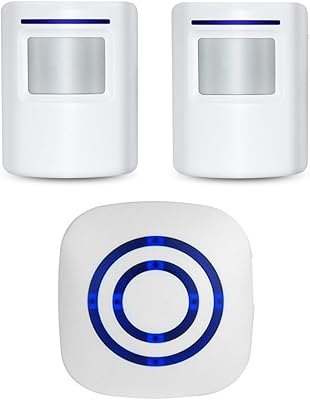
78%
93%
Ease of Setup
88%
Sensor Reliability
86%
Sound Performance
61%
Wire Management
79%
Battery Life
More
Maysly May-NVR4 8CH 1080P Wireless Security Camera System
72%
83%
Ease of Setup
88%
Daytime Image Quality
76%
Night Vision Performance
71%
Wireless Reliability
67%
App & Remote Viewing
More
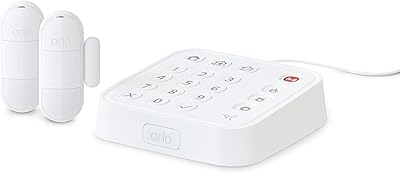
Arlo SS1201 Home Security System
76%
91%
Ease of Installation
88%
Sensor Versatility
74%
App Experience
57%
Subscription & Value Transparency
82%
Build Quality & Hardware Design
More
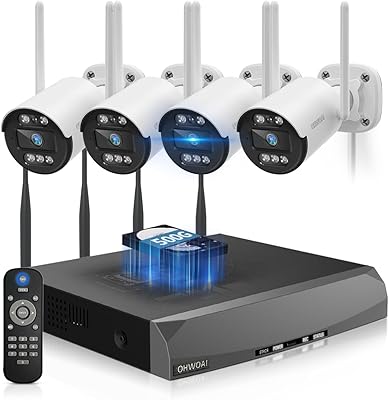
OHWOAI CSOH-05SW3MP05 Wireless Security Camera System
74%
83%
Image Clarity
71%
Night Vision
86%
Ease of Setup
54%
Video Smoothness
78%
App Experience
More

FAQ

No, and that is honestly one of the biggest reasons people choose this wireless alarm kit. You pay once upfront and manage everything through the free SkylinkNet app. There are no monitoring contracts, no recurring charges, and no features locked behind a paywall.

Most buyers report having the system up and running in under an hour without any special tools or technical knowledge. You plug in the hub, connect it to your router via the included ethernet cable, download the app, and pair your sensors. The self-adhesive mounts mean the door and window sensors go up quickly too.

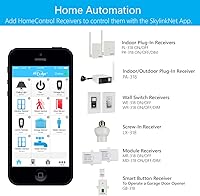
Yes, it does. You enable the SkylinkNet Alexa Skill and then you can use voice commands to arm or disarm the system and control compatible home automation devices. It is a genuinely useful integration if Alexa is already a fixture in your home.

Absolutely. The Skylink starter system is built to grow with you — it supports up to 100 connected devices and up to 10 cameras in total. You can add extra door sensors, motion detectors, or cameras from the SKYLINK lineup over time without replacing the hub.

No, it is not, and that surprises some buyers. The box includes a keychain remote for arm and disarm, but if you want a wall-mounted keypad for your entry point, that is a separate purchase. Worth factoring into your budget if you have household members who would prefer a traditional keypad.

Partially. The local alarm functionality — meaning the sensors triggering a siren — will continue to work without internet. However, remote app access and push notifications rely on an active connection, so you would lose those features until your connection is restored. Battery backup also keeps the hardware running through power outages.

It captures at 1080p, which is functional, but buyers who compared it side by side with newer dedicated security cameras tend to find it basic. For general awareness and keeping an eye on a room, it does the job. If sharp, detailed footage is a priority, you may want to upgrade to one of the compatible SKYLINK cameras sold separately.

The included sensors and camera are rated for indoor use only. If you want outdoor coverage, SKYLINK does sell an outdoor solar siren and additional compatible devices separately. Just know that the starter kit is designed around interior protection right out of the box.

Each hub allows up to 6 user accounts, which covers most households comfortably. Each of those users can also manage up to 6 hubs under a single account, so it scales well if you have multiple properties to monitor.

That is a fair concern, and the honest answer is: it depends on your expectations. The core hardware and app are functional, and the smart home integrations have kept up reasonably well. Where it shows its age is mainly in the camera quality and app polish compared to newer competitors. If you want a no-subscription alarm with solid sensor coverage and Alexa or Google Home support, this DIY security setup still holds its own. If you want the latest camera technology or a highly polished app experience, newer platforms may be worth the extra cost.

Where to Buy