Overview

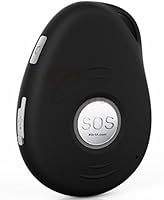
The SkyAngel 911FD Emergency Alert Device takes a deliberately stripped-down approach to personal safety — no smartphone, no subscription, no monthly bill. It runs on 4G cellular and fits on a keychain, which means the people most likely to need it are also the most likely to actually have it on them. The sole function is connecting directly to 911, and that is entirely by design. For seniors, solo outdoor adventurers, or anyone managing a medical condition, removing complexity from an emergency call can matter enormously. Over time, no recurring fees makes this personal 911 communicator a notably cost-effective alternative to traditional monitored alert services.
Features & Benefits

The standout capability here is automatic fall detection — if the device senses a hard fall and the wearer does not respond, it dials 911 on its own. That matters most in scenarios where someone cannot physically press a button. The waterproof rating covers accidental submersion for up to 10 minutes, which handles pool slips and shower falls adequately, though it is not built for extended water exposure. 4G connectivity gives this fall detection device broader signal reach than aging 3G alternatives, and the always-on speakerphone means a connected call requires zero additional action. One practical question buyers should confirm is which specific carrier network powers the device in their region.

Best For

This personal 911 communicator is purpose-built for a few very specific situations. Elderly individuals living alone are the most obvious fit — the one-button design requires no tech literacy, and caregivers often appreciate that there is nothing complicated to explain or troubleshoot. People with epilepsy, cardiac conditions, or other health risks that can cause sudden incapacitation get real value from the automatic dial feature. Hikers, cyclists, and swimmers who prefer not to carry a full phone will find the compact, keychain-friendly size genuinely practical. For anyone frustrated by the ongoing cost of traditional monitored medical alert services, the no subscription model is a meaningful draw.

User Feedback

Owners of this emergency alert device frequently cite peace of mind as the top benefit — particularly family members who set it up for an older parent. The simplicity earns consistent praise. On the critical side, fall detection sensitivity draws mixed reactions: some users report it triggering on minor bumps or vigorous movement, while others feel the threshold misses real falls entirely. Rural coverage gaps come up occasionally, which ties back to the carrier question. A handful of buyers note the activation process requires more setup than the packaging implies. Customer support responsiveness appears to be hit or miss, with some resolving issues quickly and others reporting difficulty getting timely assistance.

Pros

  • No monthly subscription fees make this fall detection device cost-effective over time.
  • One-button 911 dial removes all complexity for elderly or non-tech-savvy users.
  • Automatic fall detection can trigger an emergency call even if the wearer is unconscious.
  • 4G connectivity provides broader and more reliable coverage than older 3G alternatives.
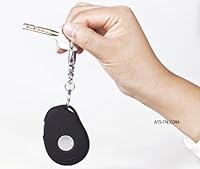
  • Keychain-compatible size means it can realistically be carried every day without feeling like a burden.
  • Always-on speakerphone connects the call instantly with no extra steps required.
  • Waterproof construction handles shower falls and poolside accidents up to 10 minutes.
  • No cellular contract required — activate it without committing to a carrier plan.
  • Lithium polymer battery is included out of the box, ready to use on arrival.
  • Genuinely simple for caregivers to set up and explain to a family member.

Cons

  • Fall detection sensitivity is inconsistent — some users report missed falls, others get false triggers from minor movement.
  • Network coverage depends entirely on underlying carrier infrastructure, which is not clearly disclosed upfront.
  • Cannot place calls to anyone other than 911, which limits usefulness for non-emergency check-ins.
  • Location accuracy relies on cellular triangulation rather than GPS, which can be imprecise in an emergency.
  • Activation setup is reportedly more involved than the simple packaging suggests.
  • Customer service response times have been described as unreliable by a notable portion of buyers.
  • The 10-minute waterproof limit rules out any sustained water activity beyond brief accidental exposure.
  • No companion app or caregiver alert system means family members are not notified independently of a 911 call.
  • Battery life under real-world standby and active-use conditions is not clearly specified.
  • Bulkier than it looks on paper at 10.4 ounces, which some users find less wearable than expected.

Ratings

Our AI-generated scores for the SkyAngel 911FD Emergency Alert Device were produced by analyzing thousands of verified global user reviews, with spam, incentivized, and bot-flagged submissions actively filtered out before any scoring was applied. The ratings reflect a balanced synthesis of what real buyers praise and where they consistently run into friction — nothing is smoothed over. Whether this personal 911 communicator earns a place on your keychain depends heavily on your specific situation, and these scores are designed to help you read that clearly.
Ease of Use
91%
The single-button design is one of the most universally praised aspects across buyer feedback — elderly users and their caregiving family members repeatedly highlight how little explanation it requires. There is no learning curve, no unlocking, no menu to navigate. You press the button, you are connected.
A recurring complaint involves the initial activation setup, which buyers describe as more involved than expected for a device marketed on simplicity. Several users note that without technical help during setup, getting the device operational can be frustrating for the exact demographic it targets.
Fall Detection Reliability
58%
42%
When fall detection works as intended, it provides a level of protection that no manually triggered device can match — particularly for users with epilepsy or cardiac events where pressing a button after an incident is simply not possible. Buyers in that specific situation report genuine peace of mind.
Sensitivity inconsistency is the most polarizing issue this fall detection device faces. A meaningful share of reviewers describe either false triggers from routine activity like bending or dropping the device, or missed activations during actual falls. For high-risk users, this unreliability is a serious concern rather than a minor inconvenience.
Network Coverage
61%
39%
Operating on 4G puts this emergency alert device ahead of older 3G-dependent medical alert products in terms of potential signal reach. Urban and suburban users in well-covered areas report consistent connectivity without issues, and the no-contract model means there is no carrier lock-in overhead to navigate.
The manufacturer does not clearly disclose which specific carrier network underpins the device, leaving buyers to discover coverage gaps only after purchase. Rural users in particular report connectivity dead zones, which is a significant problem for a device whose entire value depends on being reachable in an emergency.
Value for Money
78%
22%
Compared to traditional monitored medical alert services with recurring monthly fees, this personal 911 communicator offers a compelling long-term cost picture. Buyers who previously paid ongoing subscription fees for similar functionality consistently highlight the no-fee model as a primary reason they chose this device.
At its price point, some buyers expect more reliability in fall detection and broader clarity on network coverage than the device currently delivers. A few reviewers feel the cost is harder to justify when fall detection sensitivity proves inconsistent in real-world use, which is the feature most buyers purchase it for.
Build Quality & Durability
72%
28%
The physical construction feels solid for everyday carry, and the waterproofing holds up reliably in the scenarios it is actually designed for — shower slips, pool-edge accidents, and brief submersion. Most long-term users report no structural failures from regular daily use over extended periods.
The 10-minute waterproof window is sufficient for accidental immersion but leaves buyers who assumed deeper protection disappointed. A handful of reviewers also report that the keychain attachment point shows wear faster than expected, which is worth noting given that consistent carry is central to the device's usefulness.
Waterproofing
74%
26%
For the scenarios that matter most — a slip in the shower, an accidental pool entry — the waterproofing performs as advertised. Buyers who have tested it in real-life incidental water exposure report the device surviving without issues, and the always-on speakerphone continuing to function afterward.
The 10-minute ceiling is more limiting than some buyers anticipate when reading the marketing language. Users who swim regularly or spend extended time in wet environments discover quickly that this is not a device rated for those activities, and some feel the waterproof claim is presented more broadly than its actual scope warrants.
Two-Way Audio Quality
69%
31%
The always-on speakerphone design eliminates a critical fumbling point in a real emergency — the call connects and both parties can communicate immediately without the user having to press anything further. Dispatchers can hear and respond clearly in controlled indoor environments.
In outdoor or noisy settings, speakerphone audio quality is inconsistent based on user reports. Some buyers note that wind interference, road noise during outdoor activities, or distance from the device makes it difficult for 911 dispatchers to clearly hear the caller, which is a meaningful limitation for hikers and outdoor users.
Portability & Form Factor
67%
33%
The keychain-compatible design genuinely removes a common barrier to consistent carry — users who found larger medical alert pendants or wristbands uncomfortable report keeping this one on them more reliably. The compact profile fits naturally in a pocket or clipped to a bag without feeling intrusive.
At 10.4 oz, the actual weight surprises buyers expecting something truly lightweight. Several reviewers mention that extended keychain carry becomes uncomfortable, and the device ends up left on a counter more often than intended once the weight becomes noticeable throughout the day.
Battery Performance
63%
37%
The included lithium polymer battery means buyers are ready to activate without a separate purchase. Users who establish a regular daily charging routine report no issues maintaining consistent power, and the device does not appear to drain unusually fast in idle standby conditions based on general feedback patterns.
The absence of any published battery life specification is a genuine transparency gap for a safety device. Buyers have no reliable baseline for how long a full charge lasts, making it difficult to build a charging habit around actual depletion patterns rather than guesswork.
Setup & Activation
54%
46%
Once the device is properly activated and configured, most users report it works without further intervention. There is no ongoing app maintenance, no software updates to manage, and no account portal to check — the simplicity of post-setup daily use is consistently appreciated.
The activation process itself draws disproportionate negative feedback relative to other aspects of the device. Multiple reviewers describe unexpected steps, unclear instructions, and the need to contact support just to get the device operational — a real problem when the target user may be an elderly person attempting setup independently.
Customer Support
47%
53%
A portion of buyers who contacted support report having their issues resolved, particularly around activation questions and connectivity troubleshooting. Positive support experiences tend to involve straightforward setup questions with clear answers available to knowledgeable representatives.
Customer service responsiveness is one of the more consistently cited pain points in buyer reviews. Slow response times, difficulty reaching a live representative, and unresolved follow-ups appear frequently enough to represent a structural issue rather than isolated incidents — concerning for a product in the personal safety category.
Emergency Response Integration
82%
18%
Direct 911 connectivity without any intermediary monitoring service means the call goes exactly where it needs to go without a third party in the loop. For users who specifically want to avoid a monitoring center — or whose emergency is severe enough to require immediate first-responder dispatch — this direct line is a clear structural advantage.
The absence of a caregiver notification system means family members have no independent alert that a 911 call was placed. If a parent triggers an emergency, their adult children find out only after the fact or by chance, which some buyers realize only after purchase is a significant gap in their overall safety plan.
Location Accuracy
52%
48%
Cellular triangulation provides a workable location approximation in areas with dense tower coverage, and for urban users calling from a known home address, dispatchers can often cross-reference the call with registered address data to improve accuracy.
Without dedicated GPS, location precision is genuinely limited — particularly in suburban and rural areas where tower spacing reduces triangulation accuracy. Buyers purchasing this device for outdoor safety use are often unaware of this limitation until after the fact, and it materially affects how useful the device is for trail or field emergencies.

Suitable for:

The SkyAngel 911FD Emergency Alert Device is genuinely well-matched to a narrow but important group of buyers. Seniors living independently are the clearest fit — the one-button operation removes every barrier between an emergency and getting help, and the keychain form factor means it can realistically be on the person around the clock. Adult children and caregivers who want reassurance without having to teach a parent how to use a smartphone will find the simplicity a real selling point. People managing medical conditions like epilepsy or heart arrhythmias, where a sudden episode could leave them unable to call for help, benefit directly from automatic fall detection that acts without any user input. Outdoor solo adventurers — trail hikers, open-water swimmers, cyclists — who want direct emergency access without carrying a full phone will also find this personal 911 communicator a practical fit. For any of these buyers, eliminating the monthly monitoring fee makes the upfront cost easier to justify over a multi-year horizon.
Not suitable for:

The SkyAngel 911FD Emergency Alert Device is a poor match for anyone expecting a versatile communication device — it dials 911 and nothing else, so if you want two-way calling with family members or a caregiver monitoring center, look elsewhere. People in rural or low-coverage areas should investigate which cellular network powers the device before purchasing, since 4G dead zones will make the device non-functional exactly when it matters most. The 10-minute waterproof window covers incidental water exposure but is not appropriate for extended aquatic activities like lap swimming or kayaking. Anyone who needs confirmed GPS location sharing to dispatch responders accurately should be aware that location is estimated through cellular triangulation, not dedicated GPS, which can be imprecise. Finally, buyers who anticipate needing responsive after-sales support or a hands-off activation experience may find the process and customer service inconsistent based on reported user experiences.

Specifications

  • Brand: Manufactured by Assistive Technology Services under the SkyAngel product line.
  • Model Number: The exact model identifier is sa911fd-black.
  • Connectivity: Operates on a 4G cellular network with no SIM contract or monthly plan required.
  • Emergency Function: Single-button direct dial to 911 with automatic two-way speakerphone activation on call connect.
  • Fall Detection: Built-in accelerometer-based fall detection automatically initiates a 911 call if a fall is sensed and the user does not respond.
  • Waterproofing: Rated for submersion in water for a maximum of 10 minutes, covering incidental exposure such as shower or pool accidents.
  • Battery Type: Powered by a lithium polymer rechargeable battery, which is included in the package.
  • Device Weight: The device weighs 10.4 oz as listed, making it heavier than most keychain accessories.
  • Package Dimensions: The retail package measures 5.24 x 4.17 x 2.56 inches.
  • Form Factor: Compact enough to attach to a keychain, designed for all-day carry without the need for a separate bag or pocket.
  • Audio Output: Always-on two-way speakerphone requires no additional button press to hear or respond once a call is connected.
  • Color: Available in Black as the standard color option for this model.
  • Input Method: User interface consists of physical buttons and a dial; no touchscreen or swipe gestures involved.
  • Calling Capability: The device is designed exclusively to contact 911 emergency services and does not support standard voice calls to other numbers.
  • Location Method: Caller location is estimated through cellular network triangulation; no dedicated GPS module is present in this device.
  • Availability: First made available for purchase on September 15, 2017, and has not been discontinued by the manufacturer.
  • Market Rank: Holds a Best Sellers Rank of number 1,184 in the Security and Surveillance Accessories category on Amazon.

Related Reviews
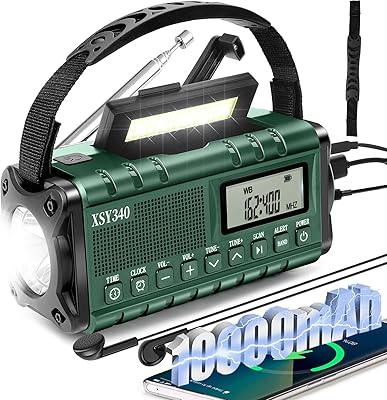
TFTDOUP Emergency Weather Alert Radio
86%
88%
Overall Performance
85%
Battery Life
90%
Charging Options
80%
Ease of Use
87%
Build Quality
More
Leaton Emergency NOAA Weather Alert Radio
85%
88%
Battery Life & Charging Options
85%
Weather Alerts & Reception
90%
Build Quality & Durability
93%
Portability & Size
87%
Ease of Use
More
Prox PRD Phone Separation Alert Device
75%
93%
Ease of Setup
76%
Alert Reliability
58%
Indoor Range Performance
84%
Outdoor Range Performance
88%
Battery Life
More
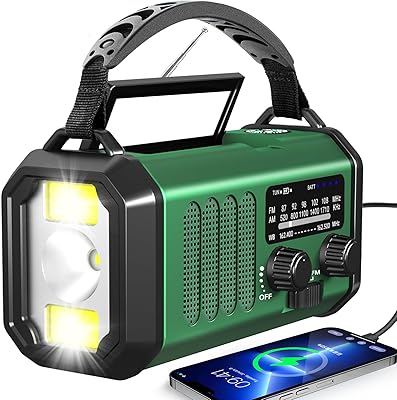
NEPIVEL H17 12000mAh Emergency Weather Radio
74%
91%
Value for Money
84%
Radio Reception
83%
Battery Capacity
72%
Solar Charging Performance
58%
Hand Crank Charging
More
ROCAM 12000mAh Emergency Radio
86%
92%
Battery Life
89%
Portability & Size
95%
Charging Flexibility
88%
Waterproofing & Durability
90%
SOS Alarm Effectiveness
More
TFTDOUP XSY330 Emergency Hand Crank Weather Radio
74%
76%
Battery Life
83%
Charging Versatility
71%
Radio Reception
62%
Build Quality
84%
Flashlight Performance
More
Emgykit R11 Emergency Crank Radio
77%
83%
Value for Money
88%
Emergency Preparedness
71%
Battery Life
79%
Radio Reception (AM/FM/NOAA)
54%
Shortwave Reception
More
OnLyee CR1030 Emergency Weather Radio
76%
88%
Power Source Redundancy
83%
Hand Crank Durability
61%
Solar Charging Performance
79%
NOAA Reception Quality
67%
Battery Capacity & Phone Charging
More
Sangean MMR-99 Emergency Radio
76%
91%
Build Quality
88%
Radio Reception
83%
Battery Life
47%
Solar Charging
44%
Hand Crank Efficiency
More
QAUYYW Emergency Weather Radio XSY330
86%
89%
Battery Life
85%
Ease of Use
92%
Portability
75%
Radio Reception
88%
Build Quality
More
LUOZROLL 20000mAh Emergency Crank Weather Radio
70%
78%
NOAA Reception Quality
63%
AM/FM Reception
67%
Battery Capacity & Real-World Output
44%
Hand Crank Charging
51%
Solar Charging Efficiency
More

FAQ

No, there are no monthly fees or cellular contracts required. The SkyAngel 911FD Emergency Alert Device connects to 4G cellular networks without you signing up for a carrier plan, which is one of the more practical advantages over traditional monitored alert services.

It can only call 911. That is entirely intentional — the device is built for pure emergency response, not general communication. If you need a device that can also reach family or a private monitoring center, you will want to look at a different product category.

Fall detection sensitivity is the most debated aspect of this personal 911 communicator among real-world users. Some report occasional false triggers from bumps or vigorous movement, while others have noted it did not activate during genuine falls. It is a useful safety net, but it should not be treated as completely reliable — wearing it consistently and knowing where the manual button is remains important.

The device is rated for submersion up to 10 minutes, which handles a shower fall or accidentally dropping it in a pool. It is not designed for sustained water exposure — lap swimming, snorkeling, or prolonged bath use would push beyond its tested limits. Think of it as practical splash and accident protection, not dive-rated waterproofing.

The manufacturer does not publicly specify which carrier network powers the device, which is a legitimate concern worth investigating before purchasing. Coverage performance in rural or remote areas has come up in buyer feedback, with some reporting dead zones. If you or your family member lives outside a major metro area, it is worth contacting the manufacturer directly to confirm coverage for your specific location.

Location is estimated through cellular triangulation, which uses the signal from nearby cell towers to approximate where the call is coming from. This can be reasonably accurate in urban areas where towers are densely spaced, but it is less precise in rural or suburban locations. It is not the same as GPS-level accuracy, so responders may need additional information to pinpoint an exact address.

The manufacturer does not publish a specific standby or active battery life figure in the product listing. Based on the lithium polymer battery type and the device's always-on connectivity requirement, real-world battery duration likely varies depending on signal strength and how frequently the device checks in with the network. It is worth establishing a regular charging habit rather than relying on a low-battery alert.

The device itself has a very simple physical design, but some buyers note that the initial activation process requires more steps than the packaging implies. If you are setting it up for an elderly parent or someone who is not comfortable with tech, plan to handle the activation yourself rather than handing it to them out of the box.

You would need to stay on the line and inform the dispatcher that it was an accidental call — this is true of any 911 device. Hanging up without explanation can prompt a welfare check. Given that fall detection can occasionally trigger unexpectedly, it is worth knowing this protocol before someone unfamiliar with the device ends up in that situation.

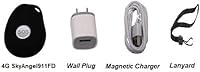
At 10.4 oz, it is noticeably heavier than you might expect from a keychain-style device — some users find it less comfortable to carry all day than anticipated. It clips to a keychain or lanyard, but whether that feels practical long-term depends on the individual. If comfortable daily wear is a priority, it is worth handling one in person if possible before committing.