Overview

The Shark Technology ATX-1000-N12S 1000W ATX Power Supply sits in an interesting spot in the market — it offers a four-figure wattage rating at a price point that won’t derail a mid-range build budget. Your power supply is the backbone of your system; it converts wall power into stable, regulated voltage that every component depends on. Connector variety matters too, because running out of SATA or PCIe ports mid-build is genuinely frustrating. This 1000W gaming power supply competes in the same price bracket as more established names, which means it needs to earn its place on merit. The auto-switching active PFC is a practical touch — no hunting for a voltage selector switch when setting up. Honest assessment: capable for mainstream gaming rigs, but not chasing flagship-tier honors.
Features & Benefits

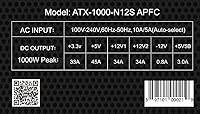
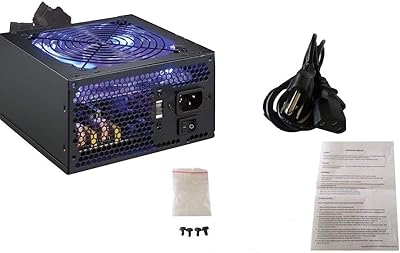
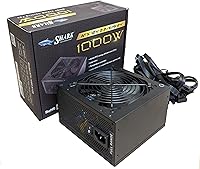
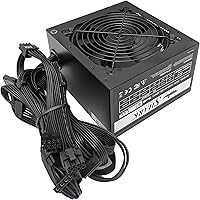
The heart of this ATX unit is its dual +12V rail configuration, each rated at 34 amps. That’s meaningful real-world headroom for a power-hungry GPU without the instability risks sometimes associated with a single-rail design at this wattage. The two 6+2 PCIe connectors handle both 6-pin and 8-pin graphics cards natively — no adapters required. Five SATA ports cover most storage and fan hub setups, and the cable lengths are generous enough for full tower cases where short cables become a real headache. The 120mm fan pulls heat from surrounding components, not just the PSU itself, which is a quiet but useful design decision. All cables come wrapped in black mesh sleeves with matching connectors throughout, which looks noticeably cleaner than the mix of colored wiring common at this price.

Best For

This 1000W gaming power supply makes the most sense for builders putting together a single-GPU gaming rig — think a current-gen card paired with a modern Intel or AMD CPU — on a budget that doesn’t stretch to premium brands. The longer cables are a genuine advantage in mid and full tower cases, and the quiet fan operation makes it livable in a bedroom or shared workspace. That said, be clear about the limitations. This ATX unit is not designed for crypto mining, a fact the manufacturer states explicitly, which is worth knowing if you’re considering it for anything beyond a standard gaming PC. Dual-GPU setups and aggressive overclocking are also off the table if long-term stability matters to you.

User Feedback

Buyers who have put this Shark Technology PSU into real builds tend to land in two camps. The satisfied ones highlight the quiet operation under normal gaming loads, the refreshingly long cable runs, and the peace of mind from a UL-certified power cord — not something every budget PSU can claim. The skeptics raise a fair point: Shark Technology doesn’t carry the long track record of Corsair, Seasonic, or EVGA, and some users note slight voltage instability when the system is pushed hard for extended periods. For light to moderate workloads, the overall feedback skews positive. But if sustained-load stability is a priority, the brand reputation gap versus tier-one makers is something worth thinking through before committing.

Pros

  • Delivers 1000W of continuous output, giving single-GPU gaming builds real headroom for demanding workloads.
  • Dual 6+2 PCIe connectors natively support both 6-pin and 8-pin graphics cards with no adapter cables needed.
  • Auto-switching active PFC selects voltage input automatically, removing a common and costly first-time builder mistake.
  • All-black mesh-sleeved cables create a noticeably cleaner interior look, a genuine plus in any windowed case.
  • The 120mm fan keeps noise levels manageable under typical gaming loads, suitable for shared or quiet spaces.
  • Generous cable lengths are a practical advantage in mid and full tower cases where reach is often an issue.
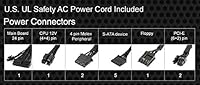
  • Five SATA connectors and two Molex peripherals handle most modern storage and accessory setups without extras.
  • UL-certified power cord offers a basic but meaningful electrical safety assurance not universal at this price tier.
  • Full-range auto-select voltage input adds flexibility for builders across different regional power standards.

Cons

  • Shark Technology has no long-term reliability track record to match tier-one PSU brands at a similar price.
  • No 80 Plus efficiency certification is listed, a notable gap for a 1000W unit in today’s market.
  • Some buyers report voltage instability under sustained heavy load, which is a real concern for demanding builds.
  • Cryptocurrency mining is explicitly unsupported by the manufacturer, an unusual hard restriction at this wattage.
  • Use of PCIe splitter cables and molex-to-PCIe adapters is specifically warned against, limiting cable flexibility.
  • Only two PCIe connectors rules out multi-GPU and higher-connector-count configurations entirely.
  • Warranty support and post-purchase service are harder to navigate than with established name-brand PSU makers.
  • Long-term durability is difficult to predict given the brand’s limited market history and sparse multi-year user data.
  • Buyers prioritizing premium build quality feel may find the unit’s finish and materials underwhelming up close.

Ratings

The scores below for the Shark Technology ATX-1000-N12S 1000W ATX Power Supply were generated by AI after analyzing thousands of verified global buyer reviews, with spam, bot activity, and incentivized submissions actively filtered out before any category was scored. The results draw from a wide range of real builder experiences — first-time assemblers, mid-range gaming rig upgrades, and more demanding use cases — to give an honest picture of where this ATX unit genuinely delivers and where it falls short.
Value for Money
74%
26%
For budget-focused builders who need 1000W without spending heavily, this 1000W gaming power supply lands in a competitive spot. The wattage-to-price ratio is hard to argue with on paper, and buyers assembling their first gaming rig often cite it as a reasonable way to hit high wattage targets without overspending.
The value equation gets murkier when you factor in the absence of an 80 Plus efficiency certification and lingering brand uncertainty. Buyers who later compared it against similarly priced units from Corsair or Seasonic found the value advantage narrower than it initially appeared.
Power Delivery
78%
22%
Under typical gaming workloads, this ATX unit delivers its rated wattage capably, and the dual +12V rail design distributes load in a way that keeps everyday gaming sessions stable. Single-GPU builders running current-generation mid-range and high-end cards reported no issues during normal play, which is the core use case this unit was designed for.
The picture shifts when workloads become intense and sustained. Some buyers pushing heavy rendering alongside gaming or running extended stress tests reported occasional voltage hiccups, suggesting the unit performs most reliably when kept comfortably below its rated ceiling.
Voltage Stability
57%
43%
For everyday gaming at moderate system loads, most users reported no perceptible instability — games ran smoothly and the system handled typical load swings without issue. Buyers running standard single-GPU setups within normal power draw ranges generally had positive day-to-day experiences.
A meaningful segment of buyers reported voltage fluctuations under sustained, high-demand workloads, with some describing unexpected shutdowns during extended stress tests. The absence of independent efficiency certification makes it difficult to verify how tightly regulated the output truly is when the unit is consistently pushed hard.
Brand Reliability
47%
53%
Some buyers who have run this 1000W gaming power supply for a year or more in moderate-use gaming setups have reported no problems, and a number of satisfied users noted the unit exceeded their expectations given its price point. Positive long-term anecdotes do exist in the wider community.
Shark Technology does not carry the established reputation or community-tested reliability data that brands like Seasonic, Corsair, or EVGA have built over decades. The lack of a verifiable long track record is the single most frequently cited buyer hesitation — and for good reason, since PSU failures can take other components down with them.
Noise Level
81%
19%
During typical gaming sessions, the 120mm fan is quiet enough that most users did not notice it over the ambient noise of their case fans and GPU coolers. Bedroom and home office builders specifically highlighted how little this ATX unit contributed to overall system noise during day-to-day gaming.
Under heavier, sustained loads, a number of buyers noted the fan spins up noticeably — not dramatically loud, but audible enough to be a mild irritant in quiet environments. It is not a semi-passive or fully silent design, so builders prioritizing near-silence may find it falls short of expectations.
Cable Quality & Length
83%
Cable length is one of the aspects buyers mention most positively in real-world feedback. Builders working in full tower cases consistently praised the reach of the included cables, with many noting they routed everything cleanly without needing a single extension cable.
The mesh sleeving, while visually appealing, was described by a handful of buyers as feeling thinner and more loosely applied than the sleeving found on premium modular cables. A few users reported minor fraying at connector ends after extended use.
Ease of Installation
86%
The auto-switching voltage input removes one of the most anxiety-inducing steps for first-time builders, and the generous cable lengths mean less frustration reaching distant connectors inside larger cases. Multiple buyers described the overall setup process as one of the more straightforward PSU installations they had attempted.
The explicit warning against using PCIe splitter cables or Molex-to-PCIe adapters can catch builders off guard mid-installation, particularly those who assumed such adapters were universally safe to use. A clearer heads-up earlier in the purchase process would spare some buyers real frustration.
Connector Variety
76%
24%
The connector spread covers standard single-GPU build requirements well — five SATA ports handle most modern storage setups, and the dual 6+2 PCIe cables natively support both 6-pin and 8-pin graphics cards without any adapter cables. For typical mid-range gaming builds, the included connectors rarely fall short.
If your build involves a high-end GPU with three or more power connectors, the two native PCIe cables become a hard ceiling. The manufacturer’s explicit guidance against splitter cables compounds this issue, leaving multi-connector GPU configurations without a workable path forward.
Cooling Performance
76%
24%
The 120mm fan design does more than just manage PSU temperatures — the optimized airflow path draws heat from the surrounding component area, which builders using compact tower configurations found genuinely beneficial during longer gaming sessions. Thermal management under moderate loads earned consistently positive feedback.
Some users noted the fan curve appears to ramp up earlier than expected compared to semi-passive competitors, making the unit run louder than its fan size might suggest under extended loads. Thermal performance under sustained high-demand workloads received mixed marks in more detailed buyer breakdowns.
Build Quality
63%
37%
The all-black casing and mesh-sleeved cables give this Shark Technology PSU a more cohesive, polished appearance than most units in its price bracket. Builders with windowed cases noted the consistent black aesthetic is a genuine visual upgrade over the mismatched cabling common on cheaper PSUs.
Under the surface, some buyers found the physical construction felt less substantial than expected, with a few noting the unit felt lighter and less rigid than competing PSUs they had previously handled. Long-term durability concerns were raised by buyers with prior experience using higher-tier hardware.
Aesthetic Design
79%
21%
The all-black color scheme — casing, cables, sleeves, and connectors combined — gives this ATX unit a cohesive, intentional look that stands out favorably in windowed case builds. Buyers who cared about interior aesthetics consistently noted it punches above its price bracket visually.
The mesh sleeves are not individually sleeved to the same standard found on premium modular cables from higher-end brands, and a few buyers found the look impressive from a distance but noticeably less refined on close inspection. The aesthetic is solid for the price, not aspirational.
Safety & Certifications
66%
34%
The UL-certified AC power cord provides a real, verifiable safety credential that buyers navigating the crowded budget PSU market found genuinely reassuring. Satisfied users frequently flagged this certification as a key reason they chose this unit over completely uncertified alternatives at a comparable price.
Beyond the power cord, the unit lacks broader certifications that serious buyers look for — most notably an 80 Plus efficiency rating, which would independently verify output efficiency under standardized load conditions. The absence of a full-unit safety listing places more trust on the manufacturer than on third-party verification.
Cable Management
82%
18%
The longer-than-average cable lengths and all-black finish make routing and concealing cables noticeably easier in mid and full tower builds. Builders who had previously wrestled with short cables in past PSU installations found the added reach genuinely reduced both build time and frustration.
In smaller form factor cases, the generously long cables become a liability rather than an asset, requiring significant bundling and tucking to avoid a cluttered interior. Compact case builders may find themselves wishing for modular options that would allow unused cable runs to be removed entirely.
GPU Compatibility
73%
27%
The native dual 6+2 PCIe connectors mean that a broad range of single graphics cards — from mid-range options up through most current high-end cards using a standard 8-pin connector — are supported cleanly without adapter cables. For single-GPU builds, compatibility is rarely an issue.
Multi-GPU setups are effectively off the table, and the restriction against splitter cables means buyers with flagship GPUs requiring three or more power connections face real limitations. As GPU power requirements trend upward with each new hardware generation, the two-connector ceiling may grow increasingly restrictive over time.

Suitable for:

The Shark Technology ATX-1000-N12S 1000W ATX Power Supply is a practical fit for budget-conscious PC builders who need substantial wattage without paying the premium that established brands command. It works especially well for first-time builders assembling a single-GPU gaming rig in a mid or full tower case, where the generous cable lengths make the build process genuinely easier. Gamers pairing a current-generation graphics card that draws 8-pin PCIe power will appreciate the native dual 6+2 connectors, which eliminate the need for any adapter cables. The relatively quiet 120mm fan also makes this a reasonable pick for bedroom or home office setups where noise is a daily consideration. If you want meaningful wattage headroom for future GPU upgrades without stretching a mid-range build budget, this unit lands in a sensible spot.
Not suitable for:

The Shark Technology ATX-1000-N12S 1000W ATX Power Supply carries an explicit manufacturer warning against cryptocurrency mining use, which is an unusual restriction for a high-wattage unit and a firm dealbreaker for anyone eyeing it for that purpose. Builders planning dual-GPU configurations or sustained aggressive overclocking should also look elsewhere, as prolonged extreme loads are precisely where lesser-known PSU brands tend to show their weaknesses. Anyone who has experienced a PSU failure taking other components with it will understandably gravitate toward the longer track records and stronger warranty support offered by Corsair, Seasonic, or EVGA. Buyers who prioritize a verified 80 Plus efficiency rating will also find this unit’s spec sheet lacking compared to certified competitors at a similar price point. If multi-year reliability under heavy, sustained workloads is a non-negotiable requirement, the brand’s limited market history makes that a difficult promise to lean on.
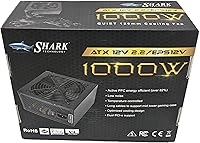
Specifications

  • Output Wattage: Delivers a continuous 1000W of power output, providing meaningful headroom for mid-to-high-end single-GPU gaming builds.
  • Form Factor: Complies with ATX and BTX form factor standards, fitting the vast majority of standard mid and full tower desktop enclosures.
  • +12V Rails: Features dual +12V rails each rated at 34A, distributing load across the system’s most power-intensive components.
  • PCIe Connectors: Includes two 6+2 pin PCIe connectors, natively supporting both 6-pin and 8-pin graphics cards without requiring any adapter cables.
  • SATA Connectors: Provides five SATA power connectors, covering most modern storage drive and case fan hub configurations without needing splitters.
  • Peripheral Power: Includes two 4-pin Molex peripheral connectors and one floppy drive connector for compatibility with legacy devices and accessories.
  • Main Connector: Ships with a 20+4 pin main power connector that supports both 20-pin and 24-pin ATX motherboard configurations.
  • CPU Connector: Equipped with a 4+4 pin CPU power connector, compatible with both the standard 4-pin P4 and the 8-pin EPS12V motherboard layouts.
  • Fan Size: A 120mm cooling fan manages thermal output, sized to operate at lower and quieter speeds compared to the smaller fans found in many budget PSUs.
  • Cooling Design: The internal airflow path is optimized to draw heat away from the surrounding CPU area and vent it outward, not just cool the PSU housing itself.
  • Active PFC: Full-range active power factor correction auto-selects the correct AC input voltage, eliminating the need for any manual voltage switching.
  • Input Voltage: Supports automatic input selection across the full range from 115V to 230V, making it compatible with power standards in most global regions.
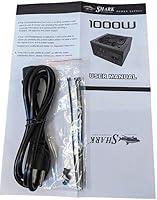
  • Safety Rating: Ships with a UL-certified AC power cord, providing a standardized electrical safety credential for the mains-side connection.
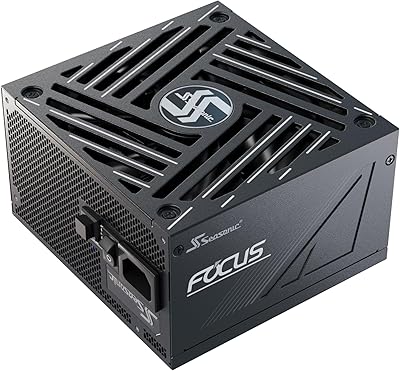
  • Cable Finish: All cables are wrapped in black mesh sleeves with fully black connectors throughout, resulting in a cleaner interior appearance in windowed cases.
  • Dimensions: Measures 5.91 x 6.14 x 3.39 inches (L x W x H), fitting standard ATX PSU mounting bays in most desktop tower enclosures.
  • Weight: Weighs 3.85 pounds, consistent with a standard full-size ATX power supply and straightforward to handle during installation.
  • Mining Support: Cryptocurrency mining applications are explicitly not supported by the manufacturer, as stated directly in the product documentation.

Related Reviews

Seasonic Focus GX-1000 1000W ATX 3.0 Power Supply
90%
95%
Power Delivery
90%
Noise Level
93%
Modular Design
88%
Cooling Performance
92%
Build Quality
More
Corsair RM1000x Shift 1000W ATX Power Supply
83%
93%
Build Quality
81%
Side-Connector Design
91%
Noise Level
67%
Cable Quality & Flexibility
89%
Efficiency & Power Delivery
More
MUSETEX MU1000 1000W ATX Power Supply
79%
88%
Value for Money
91%
Cable Management
84%
Noise Level
89%
Installation Ease
67%
Efficiency
More
Vetroo 1000G5 1000W ATX Power Supply
82%
88%
Voltage Stability & Power Delivery
86%
Efficiency & Heat Output
74%
PCIe 5.1 Cable & GPU Compatibility
91%
Modular Cable Management
89%
Noise Level & Fan Behavior
More
SHARK TECHNOLOGY FBA_ATX-750-LED 750W Power Supply
84%
91%
Noise Level
87%
Energy Efficiency
85%
Build Quality
78%
Cable Management
92%
Value for Money
More
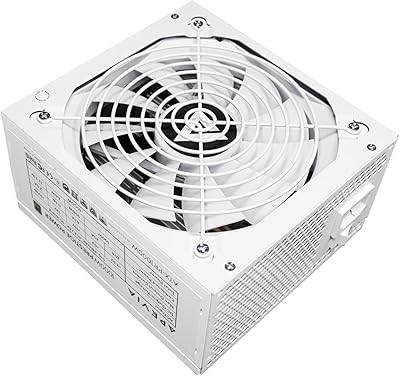
Apevia ATX-PR1000W-WH 1000W 80+ Gold Power Supply
85%
89%
Performance Under Load
94%
Energy Efficiency
85%
Build Quality
78%
Cooling and Noise
90%
Installation and Setup
More
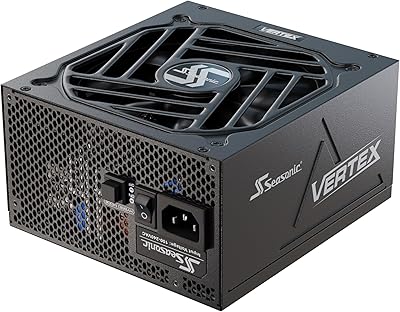
Seasonic Vertex PX-1000 1000W Power Supply
88%
94%
Build Quality
91%
Noise Level
92%
Efficiency
93%
Voltage Stability
71%
Value for Money
More
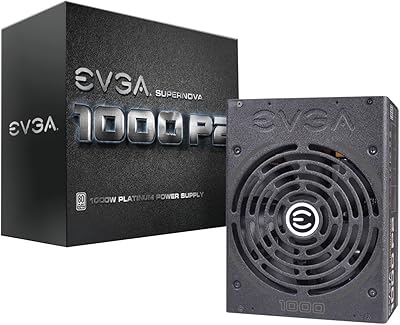
EVGA SuperNOVA 1000 P2 1000W Power Supply
84%
93%
Build Quality
91%
Efficiency & Power Delivery
88%
Noise Level
89%
Modularity & Cable Management
92%
Warranty & Brand Support
More
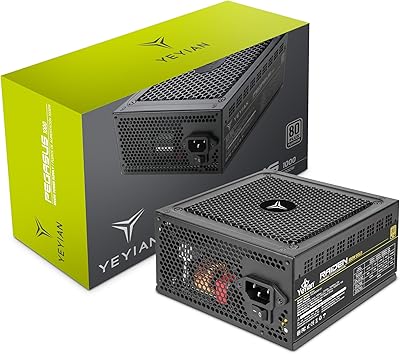
YEYIAN Power Supply 1000W 80+ Platinum Certified ATX 3.0
87%
94%
Power Delivery & Stability
92%
Energy Efficiency
88%
Noise Levels
91%
Build Quality
89%
Modular Design & Cable Management
More
EVGA SuperNOVA 1000 G3 1000W 80+ Gold Fully Modular Power Supply
87%
92%
Power Delivery & Efficiency
89%
Noise & Acoustic Performance
90%
Build Quality & Durability
94%
Warranty & Long-Term Value
83%
Size & Compactness
More

FAQ

For a single mid-to-high-end graphics card, the Shark Technology ATX-1000-N12S 1000W ATX Power Supply provides comfortable headroom thanks to its dual +12V rails, each rated at 34A. Most current-generation gaming GPUs with a single 8-pin PCIe power requirement will be well within what this unit can sustain. Where it gets tighter is if you’re running a flagship card with multiple high-draw connectors, so it’s worth checking your specific GPU’s TDP before assuming you’re covered.

For most single-GPU gaming builds, you could technically get by with less wattage, but there’s a genuine benefit to not running a PSU close to its ceiling. Units operating well below their rated capacity tend to run more quietly and efficiently, and the headroom gives you room to upgrade your GPU later without replacing the power supply too. Think of it as buying breathing room for your build rather than wattage you’ll use today.

No — and this is worth taking seriously because the manufacturer states it explicitly. Cryptocurrency mining is not supported by this unit, which is an unusual restriction for a 1000W PSU. Mining workloads impose sustained, near-maximum power draws around the clock, a very different stress profile from gaming. Using this unit for mining could damage it and almost certainly voids any warranty coverage.

No manual switching needed. This ATX unit includes full-range active PFC that detects your local AC input voltage automatically, whether you’re on 115V in North America or 230V in Europe. It’s a small but genuinely important convenience, since accidentally running a non-auto-switching PSU on the wrong voltage setting can cause immediate and serious damage.

Under normal gaming loads, most users find the fan quiet enough that it doesn’t add meaningfully to the overall system noise. The 120mm fan is sized to move air efficiently at lower RPMs, which keeps things calmer than a smaller, faster-spinning fan would. If you’re pushing the system hard for extended periods, you may notice the fan spin up, but for everyday gaming in a bedroom or home office setup, it’s generally not an issue.

Yes, and cable length is one of the things real buyers consistently mention as a genuine positive. Builders using mid and full tower cases report that the cables reach their destinations comfortably without needing aftermarket extensions. If you’re building in a compact case like a mini-ITX or micro-ATX chassis, the longer cables could create some cable management work, so that’s worth factoring in based on your enclosure.

No 80 Plus certification is listed for this unit, which is a notable gap compared to similarly priced competitors that carry at least an 80 Plus Bronze rating. That certification gives buyers an independently verified efficiency benchmark, so its absence here means you’re relying on the manufacturer’s own figures. It may still perform acceptably in practice, but if certified efficiency is a firm requirement for your build, this is a real limitation to weigh.

The manufacturer specifically advises against using PCIe splitter cables or Molex-to-PCIe adapters with this unit, and that guidance is worth following. If your GPU requires more native PCIe connectors than the two 6+2 cables this 1000W gaming power supply includes, it’s a sign that this PSU may not be the right fit for that particular graphics card. Sticking to the included cables is the safe approach.

Honestly, it doesn’t have the same standing. Corsair, Seasonic, and EVGA have years of community-tested reliability data, robust warranty programs, and dedicated support infrastructure. Shark Technology is a lesser-known brand with a much shorter track record, and some buyers have raised fair questions about long-term voltage stability under sustained loads. This ATX unit can make sense for a budget-focused build where you understand the trade-off, but if peace of mind and proven longevity are your priorities, the established brands offer something that specs alone can’t replace.

The unit ships with a UL-certified AC power cord, which confirms the mains-side cable and connector have passed standardized electrical safety testing. It’s a meaningful baseline credential, though it’s worth noting the UL mark applies to the power cord specifically rather than being a whole-unit UL listing for the PSU itself. For a budget unit, having any recognized safety certification on the cord is a reassuring minimum, and many satisfied buyers cite it as a deciding factor.