Sennheiser XSW-D Vocal Set Wireless Microphone

Sennheiser XSW-D Vocal Set Wireless Microphone — image 1
Sennheiser XSW-D Vocal Set Wireless Microphone — image 2

Sennheiser XSW-D Vocal Set Wireless Microphone — image 3

Sennheiser XSW-D Vocal Set Wireless Microphone — image 4
Sennheiser XSW-D Vocal Set Wireless Microphone — image 5
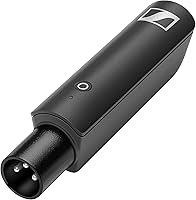
Sennheiser XSW-D Vocal Set Wireless Microphone — image 6
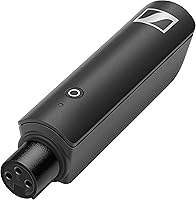
Sennheiser XSW-D Vocal Set Wireless Microphone — image 7
Sennheiser XSW-D Vocal Set Wireless Microphone — image 8
Sennheiser XSW-D Vocal Set Wireless Microphone — image 9
Sennheiser XSW-D Vocal Set Wireless Microphone — image 10
76%
24%

Overview

The Sennheiser XSW-D Vocal Set Wireless Microphone is Sennheiser's answer for gigging musicians, content creators, and AV professionals who want a dependable wireless vocal setup without spending an afternoon reading manuals. Sennheiser has long carried a strong reputation for audio fidelity, and this wireless vocal system brings that heritage into a format built for speed and simplicity. Everything you need ships in one box — transmitter, receiver, cardioid dynamic mic, and core accessories — so you can be operational quickly. Operating on the 2.4 GHz license-free band, it works globally without frequency licensing or coordination. At its mid-to-upper price tier, buyers are entitled to expect solid performance, and for the most part, that expectation is met.

Features & Benefits

The plug-on transmitter attaches directly to the base of the included XS1 cardioid dynamic mic, cutting out the need for a separate bodypack entirely. Automatic channel selection finds a clean frequency without any manual input — genuinely useful in crowded RF environments like packed stages or busy conference halls. Wireless range reaches around 250 feet under ideal, line-of-sight conditions, though walls and competing signals will realistically trim that figure. The XLR male receiver plugs straight into any standard mixer or PA. Audio is clean and low-noise, supported by a 106 dB signal-to-noise ratio. Battery life runs about five hours, with a useful charge-during-use option and the ability to hit 50% charge in roughly one hour.

Best For

This wireless vocal system is a natural fit for solo performers and small bands playing clubs, houses of worship, or corporate functions where quick, reliable setup matters more than technical complexity. Podcasters and video creators who already work with an XLR interface will appreciate the freedom to move untethered. It also suits AV crews rotating gear across multiple events — automatic frequency management removes a recurring operational headache. The XSW-D Vocal Set is less compelling for broadcast engineers or professionals who need multi-channel configurations, extended range beyond real-world limits, or the kind of redundancy that high-stakes productions demand. Know your environment before committing.

User Feedback

Sitting at 3.8 out of 5 stars across around 185 reviews, the XSW-D Vocal Set occupies solid but not unanimously praised ground, and that middle rating tells a useful story. Positive reviewers consistently praise ease of setup, respectable live audio quality, and generally sturdy build materials. The criticism, however, is pointed: five hours of battery life is workable for a single set but strains under full-day event demands, and a portion of users have reported intermittent dropouts in certain environments. Some of the sharpest negative reviews trace back to mismatched expectations — buyers seeking studio-grade performance from a system designed for live use. Understanding that distinction before purchasing goes a long way.

Pros

  • No frequency licensing required — the 2.4 GHz band makes this wireless vocal system legal and ready to use anywhere in the world.
  • Automatic channel selection eliminates manual RF coordination, which is a genuine relief in busy live environments.
  • The plug-on transmitter design removes the need for a separate bodypack, keeping the overall rig lighter and less cumbersome.
  • Setup is fast enough that even non-technical users can be operational within minutes of opening the box.
  • Audio quality is clean and well-defined for live use, backed by a strong 106 dB signal-to-noise ratio.
  • The XLR receiver integrates directly with standard mixers and PA systems without any adapters or workarounds.
  • Charging during operation means you can top up the system during breaks rather than waiting for a full recharge cycle.
  • The included XS1 cardioid dynamic mic handles stage feedback rejection well, which is practical in monitor-heavy setups.
  • Build quality is solid for the price tier, with a metal and plastic construction that holds up to regular handling.
  • Everything needed to perform is included in the box, making this a genuinely complete starter wireless package.

Cons

  • Five hours of battery life is limiting for full-day events or back-to-back performances without access to a charging point.
  • Real-world wireless range falls noticeably short of the stated maximum once walls, crowds, or competing signals enter the picture.
  • Only a single channel is supported, making this impractical for bands or panels needing multiple simultaneous wireless inputs.
  • Some users have reported intermittent dropouts in environments dense with 2.4 GHz traffic, such as large venues with heavy Wi-Fi usage.
  • The system is not designed for multi-channel expansion, so growing productions will quickly outgrow it.
  • At this price point, the five-hour battery and single-channel limitation feel like meaningful compromises compared to competing UHF systems.
  • The dynamic microphone capsule, while capable live, does not satisfy users looking for condenser-level sensitivity or recording detail.
  • Occasional connectivity inconsistencies reported in user feedback suggest performance can vary depending on the RF environment.
  • No carrying case is included, which is an oversight for a system marketed toward traveling performers and AV crews.
  • Buyers who already own a quality handheld mic cannot easily use this system with their preferred capsule, limiting flexibility.

Ratings

The scores below reflect an AI-driven analysis of verified buyer feedback for the Sennheiser XSW-D Vocal Set Wireless Microphone, drawn from real-world reviews worldwide with spam, incentivized, and bot-generated submissions actively filtered out. Each category is scored to honestly represent both what this wireless vocal system does well and where it falls short — no cherry-picking, no inflated averages. Whether you are a gigging musician, a content creator, or an AV professional, these ratings are designed to help you make a clear-eyed decision.

Ease of Setup
91%
Users consistently describe the out-of-box experience as one of the smoothest they have encountered in a wireless system at this tier. The pre-paired transmitter and receiver, combined with automatic channel selection, means most buyers are live and performing within minutes — a recurring highlight in reviews from worship teams and solo performers.
A small number of users found the indicator LED behavior during pairing confirmation slightly ambiguous on first use, requiring a second read of the manual. This is a minor friction point rather than a systemic issue, but it does surface in occasional negative first impressions.
Audio Quality
78%
22%
For live vocal use, the XSW-D Vocal Set delivers clean, well-defined audio that holds up well in small-to-medium venues. The 106 dB signal-to-noise ratio translates to a noticeably quiet signal floor, and performers report that their voice cuts through a mix without added harshness or muddiness.
Buyers approaching this system with studio or broadcast expectations tend to be disappointed — the dynamic capsule lacks the sensitivity and detail that condenser-based systems deliver in controlled environments. Audio quality is clearly optimized for stage performance rather than close-miked recording scenarios.
Battery Life
58%
42%
The charge-during-use capability is a practical feature that regular users appreciate; being able to top up during a support act or a break prevents total shutdowns. The one-hour partial charge to around 50% is useful for rushed pre-show situations when a full overnight charge was not possible.
Five hours of runtime is the most frequently cited frustration across user reviews, and at this price tier the criticism is fair. Full-day events, back-to-back conference sessions, or festival setups where charging access is limited expose this ceiling quickly, and several users have noted it has caught them off guard mid-event.
Wireless Reliability
71%
29%
In typical small venue and conference room conditions, the automatic interference management performs solidly, and most users report stable connections throughout a performance. The 2.4 GHz digital transmission generally holds well in environments without excessive competing signals.
A recurring pattern in critical reviews involves signal dropouts in environments with dense 2.4 GHz traffic — busy convention centers, large churches with multiple active Wi-Fi networks, or festival backstage areas. The system handles average RF environments well but shows its limitations when congestion is high.
Wireless Range
67%
33%
For the vast majority of use cases this system targets — club stages, presentation rooms, houses of worship — the usable real-world range is more than adequate. Users playing smaller venues or moving around a conference stage consistently report no coverage issues within normal working distances.
The 250 ft specification is a line-of-sight maximum that indoor environments rarely allow users to approach. Reviewers performing in larger venues or moving through adjacent rooms have noted range degradation, and a few have flagged the gap between the stated spec and practical indoor performance as misleading.
Build Quality
76%
24%
The combination of metal and plastic construction gives the system a reassuring solidity that holds up to the handling demands of weekly gigging or repeated AV deployments. Regular users note that the transmitter and receiver feel robust enough for real working conditions rather than fragile consumer-tier gear.
At this price point, some buyers expected a heavier metal build throughout, and the plastic elements on certain housing sections feel less premium than the overall cost implies. No carrying case is included, which is a consistent complaint from touring musicians and AV crews who would expect one at this tier.
Value for Money
63%
37%
For buyers whose needs align precisely with what this wireless vocal system is designed to do — one vocalist, small-to-medium venues, automatic setup — the package represents reasonable value. The all-inclusive nature of the set, covering transmitter, receiver, mic, and accessories, reduces the need for additional purchases to get operational.
The five-hour battery, single-channel limitation, and real-world range constraints make the value proposition harder to justify when competing UHF systems at similar or lower prices offer longer battery life and multi-channel capability. Several reviewers explicitly mention feeling the price is slightly ahead of the overall feature set.
Microphone Quality
74%
26%
The XS1 cardioid dynamic mic is not a throwaway bundled capsule — it handles live vocal frequencies competently and rejects off-axis noise and stage monitor bleed well. Performers singing in actively monitored live environments have noted it behaves predictably and does not cause feedback issues under typical gain settings.
The dynamic capsule will not satisfy users looking for condenser-level nuance, extended high-frequency response, or the kind of detail that suits voiceover or studio tracking work. It is tuned for stage performance, and buyers who want a versatile mic for multiple applications may find it limiting.
Portability
84%
The plug-on transmitter design that eliminates a separate bodypack makes the overall system noticeably lighter and less cumbersome than traditional wireless setups. Content creators and presenters traveling with carry-on luggage or compact gear bags find the system easy to pack and transport without dedicated equipment cases.
The absence of an included case means users need to supply their own protective solution for travel, which is a small but genuine oversight for a system marketed partly on portability. The total package weight and dimensions are manageable, but loose components in a bag create unnecessary risk of damage.
Compatibility
88%
The standard XLR male output on the receiver means this Sennheiser mic system plugs directly into virtually any professional mixer, active PA speaker, or audio interface without adapters. Users across a wide range of existing audio setups — from budget Mackie boards to higher-end digital consoles — report no compatibility friction.
The plug-on transmitter is specifically designed to mate with the included XS1 mic, and users who want to use a preferred handheld capsule with this wireless system will find it is not straightforward without sourcing additional hardware. This limits flexibility for performers who already own a preferred microphone.
Channel Management
86%
Automatic frequency coordination is one of the genuinely appreciated features among AV professionals and worship teams who set up in different rooms regularly. Not having to manually scan for clean channels before a show removes a stressful pre-performance variable that plagues older analog wireless systems.
Because the system manages channels automatically without user input, there is no manual override available for advanced users who prefer to lock a specific frequency for a particular environment. In very dense RF situations, the automatic system occasionally settles on a channel that proves unstable, with no easy corrective option.
Charging Experience
69%
31%
USB charging is a practical modern choice that eliminates proprietary charging docks and means most users already have compatible cables in their gear bag or hotel room. The charge-during-use feature provides a meaningful operational safety net for longer events where a mid-show power dip would otherwise be a concern.
Charging both transmitter and receiver via USB simultaneously requires two ports or a multi-port charger that is not included. Users managing the system under time pressure between sets have noted the charging process feels less convenient than removable AA-battery systems that allow instant power swaps.
Noise Floor
82%
18%
The 106 dB signal-to-noise ratio delivers a clean, quiet signal that holds up well compared to many analog wireless systems in this class. Users who previously dealt with hiss or background noise from older UHF systems often specifically comment on how much quieter the audio chain feels with this digital system.
While the noise floor is strong by wireless standards, the dynamic microphone capsule itself introduces some inherent handling noise when the mic is gripped or repositioned mid-performance. This is a capsule characteristic rather than a system flaw, but it does affect perceived audio cleanliness in certain recording contexts.

Suitable for:

The Sennheiser XSW-D Vocal Set Wireless Microphone is a strong match for anyone who needs a reliable, ready-to-use wireless vocal setup without the learning curve that typically comes with RF systems. Solo singers performing at clubs, wedding receptions, or corporate events will find the automatic channel management a genuine time-saver — no frequency scanning, no manual coordination, just plug in and perform. Worship teams and rotating AV crews benefit especially from this kind of consistency; when you are setting up in a different room every week, having a system that handles interference on its own is a practical advantage. Content creators — podcasters, interviewers, live streamers — who already own an XLR interface will appreciate how naturally this wireless vocal system slots into an existing setup. It is also a sensible pick for educators, public speakers, and presenters who want to move freely without hiring a technician to manage the audio.

Not suitable for:

The Sennheiser XSW-D Vocal Set Wireless Microphone is not the right tool for every situation, and being clear about that upfront can save buyers real frustration. Professionals working in broadcast, film production, or large-scale live events typically need multi-channel wireless systems with deeper frequency coordination, longer range reliability, and redundancy options that this single-channel system simply does not offer. The five-hour battery ceiling is a meaningful constraint for full-day festivals, multi-show touring schedules, or any event where swapping or charging mid-use is not practical. Users expecting studio-quality audio capture will also find this system misaligned with their needs — it is engineered for live performance clarity, not pristine recording-booth fidelity. Anyone operating in heavily congested wireless environments, such as large convention centers or multi-stage festivals packed with competing 2.4 GHz signals, may experience reliability issues that a dedicated UHF system would handle more robustly.

Specifications

  • Frequency Band: This wireless vocal system operates on the 2.4 GHz digital band, which is license-free and approved for use worldwide without frequency registration.
  • Wireless Range: Maximum range is rated at up to 250 ft (76 m) under clear, line-of-sight conditions; real-world range will vary depending on obstacles and RF interference.
  • Battery Life: Both the transmitter and receiver deliver approximately 5 hours of continuous operation on a full charge.
  • Charge Speed: A 1-hour charge cycle brings the battery to approximately 50% capacity, supporting quick top-ups between sets or sessions.
  • Charge During Use: The system supports charging during operation via USB, so you can replenish battery during breaks without powering down.
  • Signal-to-Noise Ratio: The system achieves a signal-to-noise ratio of 106 dB, resulting in clean audio reproduction with minimal background noise during live use.
  • Microphone Type: The included XS1 is a cardioid dynamic handheld microphone with a unidirectional polar pattern suited for live vocal performance.
  • Transmitter Style: The transmitter is a plug-on unit that attaches directly to the base of the microphone, eliminating the need for a separate bodypack.
  • Receiver Connector: The receiver uses an XLR male output, connecting directly to standard mixers, PA systems, or any XLR-equipped audio input.
  • Channel Count: This is a single-channel system; it does not support simultaneous operation of multiple transmitters on the same receiver.
  • Channel Management: Automatic channel allocation and interference management are built in, requiring no manual frequency scanning or user configuration.
  • Charging Connector: USB charging cables are included and used for recharging both the transmitter and receiver units.
  • Weight: The complete system weighs approximately 1.65 lbs (0.75 kg), keeping the overall load manageable for handheld use and travel.
  • Dimensions: The packaged system measures 9.4 x 8.9 x 2.8 inches, reflecting a compact footprint suitable for kit bags and gear cases.
  • Build Materials: The transmitter and receiver housings are constructed from a combination of metal and plastic, balancing durability with manageable weight.
  • Compatibility: The XLR receiver is compatible with any standard XLR mixer, PA system, audio interface, or USB-equipped device using an appropriate adapter.
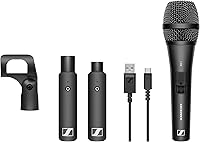
  • In-Box Contents: The set includes the XS1 cardioid dynamic mic, one XLR female transmitter, one XLR male receiver, one USB charging cable, and a mic clamp.
  • Transmission Type: Audio is transmitted digitally over the 2.4 GHz band, offering consistent signal integrity compared to analog UHF alternatives in the same class.

Related Reviews
Sennheiser XSW-D Lavalier Set
87%
98%
Setup Speed
96%
Portability
91%
Audio Fidelity
64%
Battery Endurance
82%
Signal Stability
More
Sennheiser XSW-D Pedalboard Wireless Instrument System
79%
92%
Audio Transparency
94%
Ease of Setup
79%
Live Reliability
67%
Battery Life
56%
Value for Money
More
Sennheiser XSW-D Instrument Base Set
79%
93%
Ease of Setup
88%
Signal Quality
61%
Battery Life
74%
Wireless Range
71%
Build Quality & Durability
More
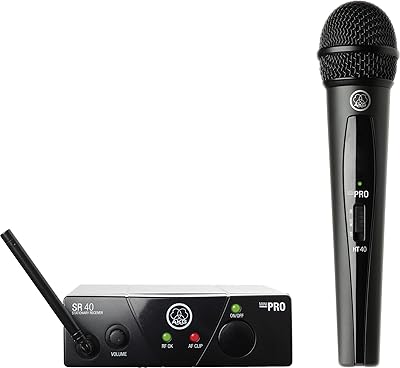
AKG WMS40 Mini Vocal Set (US25A)
85%
97%
Battery Efficiency
94%
Ease of Setup
89%
Value for Money
82%
Vocal Clarity
91%
Receiver Footprint
More
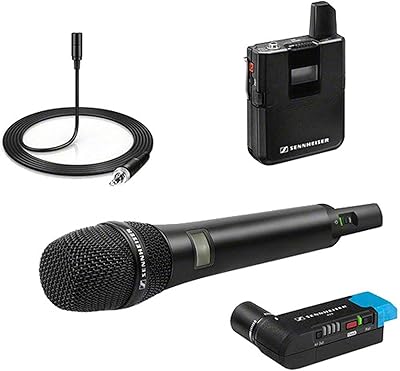
Sennheiser AVX Digital Wireless Microphone System
81%
94%
Ease of Setup
89%
Audio Quality
91%
Interference Resistance
83%
Build & Portability
72%
Receiver Fit & Compatibility
More
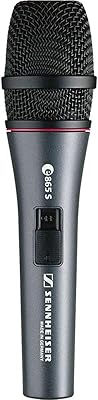
Sennheiser e865-S
Sennheiser e865-S
84%
94%
Vocal Clarity & Detail
88%
Feedback Rejection
92%
Build Quality & Durability
86%
Switch Functionality
73%
Handling Noise
More
Sennheiser e 935
Sennheiser e 935
86%
94%
Build Quality
92%
Vocal Presence
89%
Feedback Resistance
87%
Handling Noise Suppression
83%
Value for Money
More
Sennheiser ew 512P G4 Wireless Lavalier System
80%
91%
Audio Clarity
88%
RF Reliability
86%
Build Quality
74%
Camera Compatibility
77%
Ease of Setup
More
Sennheiser EW 112P G4 Wireless Lavalier Microphone
80%
91%
Audio Clarity
93%
Build Quality
86%
RF Performance
74%
Ease of Setup
67%
Value for Money
More
Sennheiser e 945
Sennheiser e 945
87%
94%
Build Quality
92%
Feedback Rejection
89%
Vocal Clarity
86%
Handling Noise
78%
Off-Axis Rejection
More

FAQ

No. The 2.4 GHz band this system operates on is license-free in virtually every country, including across the US, EU, UK, and Australia. You can take it to international gigs or events without any frequency registration or legal clearance.

It is about as straightforward as wireless systems get. The transmitter and receiver come pre-paired from the factory, so you attach the transmitter to the mic base, plug the receiver into your XLR input, and power both on. Channel selection is fully automatic, so there is nothing to configure manually before your first use.

For a standard two- to three-hour performance with some buffer time, yes. If you are doing a full day of back-to-back sets, a festival slot, or an all-day event, five hours becomes tight. The charge-during-use feature helps if you have access to a power source during downtime, but it is worth planning around this ceiling rather than assuming it will cover everything.

Yes, the receiver outputs a standard XLR male connection, which is compatible with virtually any mixer or PA system that accepts XLR inputs. No special adapters are needed for most standard live audio setups.

The 250 ft maximum is a line-of-sight figure measured in open space. In a typical venue with walls, crowds, stage equipment, and competing wireless signals, you should realistically plan for a working range closer to 100 to 150 ft. For most club or conference room setups, that is more than sufficient, but do not count on the maximum spec indoors.

Each unit is a single-channel system operating independently, so yes, you can run two sets at once in theory. However, because both operate on 2.4 GHz and use automatic channel selection, interference between units in close proximity can occur. For multi-vocalist setups, a purpose-built multi-channel UHF system is generally a more reliable solution.

The XS1 cardioid dynamic mic is a respectable performer for live vocals — it handles stage volume and feedback rejection well, and it is not a throwaway capsule. That said, if you already own a preferred handheld mic, you should know the plug-on transmitter is specifically designed to attach to this mic's base, so swapping capsules is not straightforward without additional hardware.

It can, with some caveats. The XSW-D Vocal Set is engineered for live performance rather than controlled recording environments, and the dynamic microphone capsule reflects that. For occasional interviews or content recording where you want cable-free freedom, it works fine. If pristine studio-quality capture is the goal, a dedicated condenser mic and audio interface setup would serve you better.

Both the transmitter and receiver have LED indicators that signal battery status. When charge levels drop, the LEDs change behavior to alert you. It is a good habit to check indicator status before any performance and to charge both units fully the night before an event rather than relying on the in-use charging feature as your primary power strategy.

The metal and plastic construction holds up well to the normal wear of regular live use — throwing it in a gear bag, setting up and breaking down repeatedly, and general road handling. It is not built to the same standard as higher-tier touring gear, but for working musicians playing weekly shows or AV crews running regular corporate events, the build quality is appropriate for the price tier. A protective case is worth adding since none is included.

Where to Buy