Overview
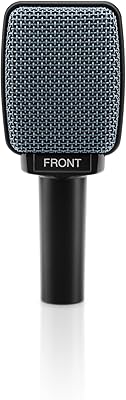
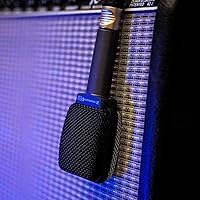
The Sennheiser e 609 Silver is a workhorse dynamic microphone that has become a permanent fixture on stages worldwide. Taking its design cues from the legendary MD 409, this dynamic instrument microphone offers a specialized solution for capturing high-pressure sources without the clutter. Its most striking feature is the flat-profile lateral design, which allows you to place the capsule flush against a speaker grille. This eliminates the need for a stand entirely, as you can simply drape it over the top of a cabinet. Encased in a rugged metal body, it feels substantial enough to survive the rigors of a multi-city tour. It provides a practical, high-quality way to capture raw energy while keeping the stage setup clean and manageable for busy engineers.
Features & Benefits
Beyond the physical form, the technical layout of the Sennheiser 609 focuses on clarity and isolation. It utilizes a supercardioid pickup pattern that effectively shuts out surrounding stage noise, ensuring that only the intended instrument makes it into the mix. This is vital for loud environments where bleed from drums or other amps can ruin a signal. Inside, an internal hum-compensating coil works silently to block electrical interference from nearby power supplies or lighting rigs. Sonically, it features a midrange frequency peak that helps guitars and snares find their own space in a dense recording. The lightweight voice coil ensures that fast transients are captured with accuracy, providing a punchy and immediate response that many heavier microphones tend to soften.
Best For
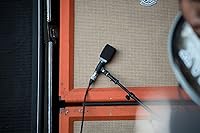
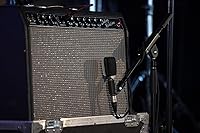
This guitar amp mic is a natural choice for electric guitarists who want a consistent sound night after night. Because it sits so close to the cone, it captures the true character of the speaker without much room interference. It is equally valuable for live sound engineers dealing with cramped stage setups where every inch of floor space matters. Small home studios also benefit from its no-fuss nature; you do not need to spend ten minutes positioning a heavy tripod. Additionally, its ability to handle extremely high sound pressure levels makes it a solid candidate for recording loud brass or percussion. If you need a reliable, low-profile solution for high-volume instruments, this tool belongs in your locker as a versatile and dependable alternative to standard utility mics.
User Feedback
Real-world users often praise this dynamic instrument microphone for its set-and-forget convenience. Most comparisons inevitably lead to the SM57, and while that is a classic, many find the Sennheiser 609 offers a more distinct, punchy mid-forward character that requires less EQ during the mixing process. The durability is a recurring highlight, with many owners noting how the steel chassis withstands accidental drops and rough handling on the road. On the downside, some professionals point out that its frequency response is quite specific; while it excels at high-gain guitar tones, it is rarely used for vocals or acoustic instruments where a flatter, more transparent response is needed. It is a specialized tool that does its primary job exceptionally well without trying to be a jack-of-all-trades.
Pros
- The unique flat profile allows for flush placement against speaker grilles without needing a bulky microphone stand.
- A specialized midrange peak ensures that electric guitars cut through the mix with clarity and punch.
- The supercardioid pickup pattern provides excellent isolation, significantly reducing stage bleed from nearby drums or monitors.
- Its internal hum-compensating coil effectively eliminates electrical interference from lighting rigs and power supplies.
- Built with a rugged all-metal chassis, this dynamic instrument microphone is designed to withstand heavy touring use.
- Extremely high SPL handling allows the Sennheiser e 609 Silver to capture cranked amplifiers without any signal clipping.
- The lightweight voice coil provides a fast transient response that is perfect for percussive sounds.
- It offers a consistent and repeatable sound night after night, making it a reliable staple for touring professionals.
Cons
- The frequency response is too specialized for vocals, often sounding thin or unnatural for lead singers.
- On slanted or angled cabinets, the microphone can slide out of position unless secured with gaffer tape.
- It lacks the deep low-end resonance that some engineers prefer for recording large floor toms or bass cabs.
- The silver finish is prone to showing scuffs and scratches after repeated use on the road.
- Precision is required during setup, as even slight off-axis movements can significantly alter the high-frequency detail.
- This guitar amp mic has a relatively low sensitivity that requires a decent preamp for quieter sound sources.
- The included microphone clip can feel a bit tight and difficult to adjust quickly in a dark venue.
- It does not provide the natural, transparent 'air' that many users expect from more expensive ribbon or condenser options.
Ratings
Our analysis of thousands of global user reviews for the Sennheiser e 609 Silver uses advanced AI to filter out promotional noise and bot activity, ensuring you see only authentic owner experiences. This data-driven scorecard provides a transparent look at how this dynamic instrument microphone performs in real-world stage and studio environments, highlighting where it excels and where it might fall short of expectations.
Guitar Cabinet Performance
Ease of Placement
Build Durability
Feedback Rejection
Vocal Versatility
Signal Interference Shielding
Drum miking (Snare/Toms)
High SPL Handling
Value for Money
Weight & Portability
Sensitivity & Output Level
Suitable for:
The Sennheiser e 609 Silver is an ideal solution for electric guitarists and live sound engineers who prioritize a clean, stand-free stage setup. Its unique lateral design allows it to hang directly over a speaker cabinet, making it perfect for small, cramped venues where floor space is at a premium. Studio owners looking for a punchy, mid-forward sound that cuts through a dense rock or metal mix will find this dynamic instrument microphone incredibly reliable. It also excels in high-volume environments, comfortably handling the extreme sound pressure levels of loud brass sections or aggressive snare drums without distorting. If you need a consistent, set-and-forget tool for capturing high-gain amplification, this is a top-tier contender.
Not suitable for:
This specialized tool is not a versatile all-rounder, and buyers looking for a primary vocal microphone should look elsewhere. The Sennheiser e 609 Silver is tuned specifically for instruments, meaning it lacks the smooth high-end air and internal pop filtering required for professional-sounding lead vocals or spoken word. Acoustic musicians recording delicate instruments like violins or folk guitars may find the output too clinical and lacking in low-end warmth compared to a large-diaphragm condenser. Additionally, users who require a microphone with a flat, transparent frequency response will likely find its distinct midrange peak too aggressive for their needs. It is a purpose-built device that struggles when forced into applications outside of high-pressure instrument miking.
Specifications
- Transducer Type: This is a dynamic microphone with a specialized lateral-mounted capsule.
- Polar Pattern: The supercardioid pickup pattern offers high isolation and minimizes stage bleed.
- Frequency Response: It captures a range from 40 Hz to 18,000 Hz.
- Sensitivity: The nominal sensitivity is 1.5 mV/Pa at 1 kHz.
- Nominal Impedance: It features a 350 Ohm nominal impedance for professional audio chains.
- Maximum SPL: This mic handles extreme volume levels up to 150 dB without distortion.
- Connector Type: The unit uses a standard professional 3-pin XLR-3 connector.
- Chassis Material: The housing is made of rugged, tour-grade alloy steel and metal.
- Weight: The microphone weighs approximately 124 grams (4.4 oz).
- Dimensions: Physical measurements are 2.2 × 5.7 × 1.3″ for a low-profile fit.
- Hum Compensation: An internal coil is designed to reduce electrical interference from nearby gear.
- Voice Coil: A lightweight voice coil construction ensures a fast and accurate transient response.
- Included Accessories: It ships with an MZQ 100 microphone clip and a protective storage pouch.
- Termination: Minimum terminating impedance for optimal performance is 1 kOhm.
Related Reviews
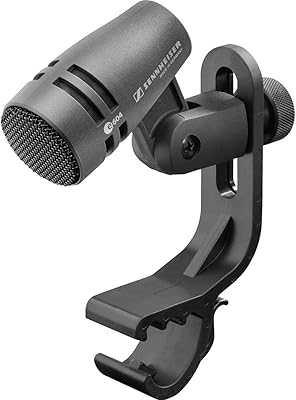
Sennheiser e 604
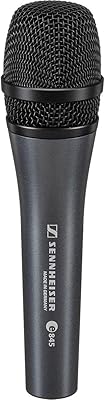
Sennheiser E 845 Supercardioid Microphone
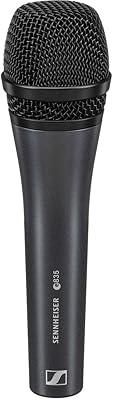
Sennheiser e 835
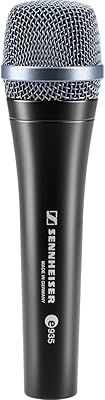
Sennheiser e 935
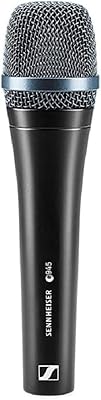
Sennheiser e 945
Maison d'Orient Silver Montale 30mL Perfume

Silver Biotics Anti-aging Colloidal Nano-Silver Facial Serum Gel 1 fl oz
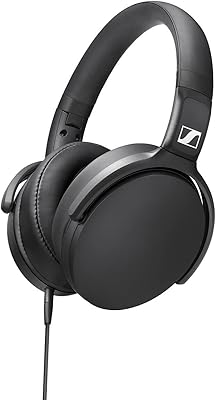
Sennheiser HD 400S Closed-Back Over-Ear Headphones