Overview

The Sangean ATS-909X2 Multi-Band Radio is Sangean's most capable portable receiver — built for the serious shortwave listener who wants professional-grade performance in a package that fits in a carry-on. This isn't a radio for casual tabletop use; it's a meaningful step up from the original 909X, bringing a DSP-based FM tuner, a larger LCD, and a brand-new airband mode into the mix. At roughly 1.6 pounds, the portability-to-feature ratio is genuinely impressive. The switchable AC adapter handles voltages from 100 to 240V, and 42 programmable time zones mean this Sangean flagship travels as well as it performs at home.

Features & Benefits

What makes the ATS-909X2 stand out is the sheer variety of ways you can tune it. Five methods in total — direct frequency entry, auto scan, manual tuning, memory recall, and a satisfying rotary knob — give you granular control that most portable radios simply don't offer. For amateur radio operators or utility listeners, SSB support is the headline feature: it lets you resolve voice transmissions on USB or LSB with fine-tuning steps as small as 10Hz. The new airband coverage (118–137 MHz) opens up aviation monitoring, and RDS on FM displays station names and program types automatically. Add 1674 presets across three memory banks and a built-in charger with fault detection, and the feature set justifies the investment.

Best For

This multi-band receiver is purpose-built for listeners who already know what they're looking for. Shortwave DXers — hobbyists who chase distant, weak signals from stations broadcasting across the globe — will appreciate the sensitivity and SSB stability. Travelers and expats who depend on international programming will value the universal AC adapter and deep preset memory. The airband coverage makes it attractive to aviation enthusiasts who want to monitor tower frequencies at airports. It also makes a solid emergency preparedness radio: it runs on four AA batteries and covers more bands than most. That said, if you mostly want FM in your kitchen, this is overkill — and a much less expensive radio will serve you just as well.

User Feedback

Owners who've spent real time with this Sangean flagship tend to land in one of two camps. Enthusiasts — particularly those active on communities like SWLing Post — consistently praise its shortwave sensitivity and SSB stability, noting it holds its own against pricier desktop receivers across many bands. Critics point to a steep menu learning curve and the absence of a synchronous AM detector, a feature competing options like the Tecsun PL-990 do include. Battery runtime is another recurring topic: alkaline AAs reportedly outlast rechargeables by a noticeable margin. The LCD is bigger than its predecessor, but the backlight can feel dim indoors. A handful of buyers have also flagged unit-to-unit inconsistency, though it appears infrequent enough to not be a systemic concern.

Pros

  • SSB support in both USB and LSB modes lets you receive amateur radio and utility transmissions with fine 10Hz tuning resolution.
  • Five distinct tuning methods give experienced listeners precise, flexible control over finding stations across every covered band.
  • 1674 presets across three memory banks means your most-used stations are always one button away, regardless of band.
  • Airband coverage from 118 to 137 MHz adds aviation monitoring capability not found on the original 909X model.
  • The switchable AC adapter handles 100 to 240V input, making the ATS-909X2 a genuinely global travel companion.
  • A built-in battery charger with fault detection adds a practical safety layer for listeners who use the radio heavily.
  • RDS on FM automatically surfaces station names and program types without any manual input required from the user.
  • At 1.6 pounds, this multi-band receiver delivers a professional-grade feature set in a carry-on-friendly form factor.
  • A dedicated headphone amplifier paired with a three-position tone control makes late-night listening sessions noticeably more comfortable.
  • Dual conversion on SW, LW, MW, and Air bands helps suppress interference and improve image rejection on crowded frequencies.

Cons

  • The menu system has a steep learning curve that can easily frustrate newcomers expecting plug-and-play simplicity.
  • No synchronous AM detector is a notable omission at this price tier — several direct competitors do include it.
  • Rechargeable AA runtime falls well short of alkaline performance, which becomes inconvenient during extended off-grid listening.
  • The LCD backlight can feel dim in well-lit indoor environments, making the display harder to read at a glance.
  • The high price is only justifiable if you actively use shortwave, SSB, or airband — casual listeners are overpaying.
  • A minority of buyers have flagged unit-to-unit quality inconsistency, suggesting manufacturing tolerances are not perfectly uniform.
  • The bundled earbuds are passable at best; anyone serious about audio quality will want to supply their own headphones.
  • Four AA batteries are required but not included, which feels like a small but genuine oversight at this price point.

Ratings

The Sangean ATS-909X2 Multi-Band Radio earns its scores through AI-driven analysis of verified buyer reviews collected across global markets, with spam, bot-generated, and incentivized feedback actively identified and excluded. The result is an honest, category-by-category breakdown that reflects what real listeners consistently praise and what genuinely frustrates them in daily use. Both strengths and recurring pain points are weighted transparently, so you can make a purchase decision with a clear picture of what this receiver actually delivers.

Shortwave Reception
88%
Enthusiast communities including SWLing Post regularly rate the ATS-909X2 as one of the stronger shortwave performers in the portable category. During peak evening propagation windows, users report pulling in distant international broadcasts across the classic 41-meter and 49-meter bands with clarity that competes with entry-level tabletop receivers.
Occasional image interference and spurious signals appear at the higher end of certain SW sub-bands, particularly without an external antenna. Urban environments with dense RF noise floors noticeably suppress reception quality — a limitation shared by all portable shortwave receivers, but worth knowing before purchase.
SSB Performance
84%
For amateur radio listeners and utility monitors, SSB stability is one of the most consistently praised aspects of this Sangean flagship. The 10Hz fine-tuning step makes it genuinely practical to lock onto USB and LSB voice traffic — something most comparably priced portables struggle to achieve without annoying frequency drift during long sessions.
The absence of a synchronous AM detector becomes a real limitation when adjacent-channel interference is heavy, especially on crowded shortwave bands during peak broadcasting hours. Buyers cross-shopping against the Tecsun PL-990 frequently cite this missing feature as the primary reason they hesitated or chose the competition instead.
Build Quality
86%
The ATS-909X2 feels noticeably more solid than the majority of portable radios at any price tier. Owners who have used it daily for one to three years report no meaningful physical degradation, and the button action remains firm and positive with extended daily use — a quality that casual-market portables rarely sustain.
A consistent subset of buyers across enthusiast forums have flagged unit-to-unit inconsistency, most commonly minor tuning sensitivity variations straight from the box. Serious defects appear to be rare rather than systemic, but enough reports exist that buyers may want to test thoroughly within the return window.
Ease of Use
54%
46%
Once fully configured, the multi-function menu reveals a logical structure that experienced users navigate intuitively over time. The physical rotary knob, direct keypad entry, and memory recall system all provide practical fast paths to frequently used stations for anyone who has invested time in the initial setup process.
The steep learning curve is the single most cited complaint across buyer reviews — multiple owners describe spending several evenings with the manual before feeling confident. First-time shortwave buyers are particularly likely to feel overwhelmed by the number of steps required to correctly configure presets, bandwidth settings, and alarm timers.
Value for Money
71%
29%
For shortwave DXers, amateur radio monitors, and frequent international travelers who will actively use SSB, airband, and the deep preset memory, the price-to-feature ratio is defensible and competitive within the flagship portable tier. The included ANT-60 shortwave antenna and carrying pouch add practical, day-one value that cheaper alternatives do not offer.
Buyers primarily interested in FM and basic AM listening will struggle to justify the premium when capable mid-range radios exist at a fraction of the cost. Even committed enthusiasts note that the missing synchronous detector represents a meaningful value shortfall at this price point compared to similarly priced competing flagships.
FM Reception
79%
21%
The DSP-based FM tuner is a meaningful upgrade over the original model, delivering cleaner stereo separation and better adjacent-channel rejection across suburban and urban listening environments. RDS support that automatically surfaces station names and program types is a genuine daily convenience that owners mention appreciating across longer listening sessions.
In dense urban environments with significant multipath interference, the FM soft-mute function can engage more aggressively than some listeners prefer, occasionally cutting off weaker but perfectly intelligible stations. FM sensitivity, while solid, does not lead the class when benchmarked against dedicated FM tuners available in a similar price bracket.
Airband Reception
82%
18%
The 118–137 MHz airband is one of the most praised additions over the predecessor model, particularly among aviation enthusiasts and listeners near active airports. Users within reasonable proximity to major airports report clean, intelligible reception of tower and approach control traffic using nothing more than the included whip antenna.
Performance is heavily dependent on proximity to aviation traffic, and users located more than 30 to 40 miles from active airport facilities report inconsistent results without an external antenna. Buyers in rural areas or far from aviation hubs may find airband one of the less practically useful features of the multi-band receiver.
Display & Readability
66%
34%
The LCD is larger than its predecessor and earns clear praise for the information density it handles simultaneously — frequency, signal strength indicator, RDS data, and time are all visible at once without toggling between screens, which experienced listeners find genuinely useful during active tuning sessions.
The LED backlight is a recurring disappointment, described by multiple buyers as too dim for comfortable reading in brightly lit indoor environments or when competing with sunlight outdoors. Some older users also find the character size on SSB frequency displays to be smaller than ideal during extended late-night listening sessions.
Battery Life
59%
41%
Running on fresh alkaline AA batteries with moderate backlight and speaker volume settings, the ATS-909X2 delivers adequate runtime for typical travel use and extended listening sessions at home. The on-screen battery level indicator gives reasonable advance notice before cells need replacing, which owners appreciate during off-grid use.
NiMH rechargeable performance falls well short of alkaline runtime, which frustrates buyers who expected the built-in charging circuit to be a primary convenience feature. Several users report cycling through rechargeable cells in under a day of heavy listening, leaving alkalines as the more reliable option for any serious off-grid session.
Preset & Memory System
87%
The 1674-preset capacity across three independent memory banks is one of the most generous implementations available in any portable receiver, and users consistently confirm how much practical friction it removes once fully populated. Organizing banks by region, language, or content type becomes a natural workflow that experienced shortwave listeners find indispensable.
The initial population of all three memory banks is a time-consuming process that involves enough menu navigation to test the patience of newcomers. A handful of users have also reported isolated preset memory loss following battery swaps, making it worth keeping a written or digital backup of key station frequencies.
Audio Output Quality
74%
26%
The dedicated headphone amplifier produces noticeably fuller, cleaner audio through quality earphones than a standard headphone tap would provide, which late-night listeners with good headphones specifically appreciate. The three-position tone control offers a practical way to tailor the sound signature when switching between music, voice, and news content.
The built-in speaker lacks the low-frequency body needed for extended music enjoyment, which matters to buyers hoping to use this radio as a desktop companion as well as a field receiver. The bundled earbuds are widely described as underwhelming for a premium-tier product and most owners replace them within the first week of use.
Portability
83%
At 1.6 pounds and with a footprint that fits comfortably in a carry-on bag or laptop sleeve, this multi-band receiver travels considerably better than most feature-dense portables at its capability level. The included pouch provides adequate transit protection without meaningfully adding to the overall pack size or weight.
The 1.34-inch depth puts it just outside true jacket-pocket territory, which buyers who expected full pocketability may find limiting for truly impromptu listening on foot. Compared to slimmer but less capable competitors, the form factor reflects deliberate hardware trade-offs rather than an oversight in the design.
Tuning Flexibility
91%
Five distinct tuning methods in a single portable is rare, and real-world users confirm that having this range of options meaningfully changes how enjoyable band exploration becomes. The rotary knob draws particular praise for its tactile feel, while direct frequency keypad entry makes jumping to a known station nearly instantaneous.
Managing five tuning methods simultaneously can feel excessive and disorienting for casual listeners or anyone new to advanced shortwave receivers. A few buyers also note that the rotary acceleration curve requires some practice before consistent use, as it is easy to overshoot a target frequency during rapid band scans.
Accessory Quality
61%
39%
The ANT-60 shortwave antenna included in the box is a functional, legitimate accessory rather than a generic throwaway item — enthusiast users confirm it measurably extends shortwave reception range on weaker bands compared to the bare telescoping whip alone, adding genuine day-one utility for new owners.
The bundled earbuds are widely considered underspec for a radio at this price tier, with thin cables and mediocre fidelity that feel inconsistent with the overall product standard. The carrying pouch is serviceable but lacks structured internal padding, leaving the LCD and control surface more exposed than frequent travelers would prefer.
Clock & Alarm Functions
77%
23%
The real-time clock with 42 time zone support and DST adjustment is a practical tool for shortwave listeners who schedule sessions around specific international broadcast windows in different regions. Three independent alarm timers with both radio-on and HWS buzzer wake options offer genuine flexibility that regular users across time zones rely on.
Initial clock and alarm setup requires careful manual reading, and several users report accidentally resetting time zone configurations during routine battery swaps. The 2.5mm external recorder activation jack is a thoughtful feature for station loggers but is easy to miss entirely in the documentation without a deliberate read-through.

Suitable for:

The Sangean ATS-909X2 Multi-Band Radio was designed with a specific listener in mind — someone who treats radio as a serious pursuit rather than background noise. Shortwave DXers, who chase distant international broadcasts and utility signals across the globe, will find the SSB support and five tuning methods genuinely useful rather than gimmicky. Travelers and expats benefit enormously from the universal AC adapter and deep preset memory: you can bank your favorite stations at home, fly overseas, and pick up where you left off without reprogramming from scratch. Amateur radio enthusiasts who want to monitor aviation, maritime, or other utility transmissions will appreciate the airband coverage and squelch control, which filters out weak, unwanted signals automatically. Emergency-preparedness households get a multi-band, battery-operable receiver that covers more ground than virtually any comparable portable. And for late-night critical listeners, the dedicated headphone amplifier and three-position tone control make extended sessions genuinely comfortable.

Not suitable for:

If your primary listening habit is catching a local FM station in the kitchen or bedroom, the Sangean ATS-909X2 Multi-Band Radio is far more radio than you need — and its price reflects that. Casual listeners who have no plans to explore shortwave, airband, or SSB will essentially be paying for a depth of functionality they will never touch. The menu system has a real learning curve; if you are not the type to read a manual and invest real time in setup, frustration is likely. Those hoping for a synchronous AM detector — a feature that noticeably reduces adjacent-channel interference on AM — will find it absent here, despite competing flagships offering it at similar price points. If battery runtime is a top priority for off-grid use, rechargeable AA performance may disappoint compared to larger, less portable receivers. Buyers on a tighter budget should look at capable mid-range alternatives; this multi-band receiver only makes financial sense when you will actively use the features that justify the premium.

Specifications

  • Dimensions: The radio measures 8.17″ L x 1.34″ W x 5.31″ H, compact enough to fit in a travel bag while still offering a full-sized control layout.
  • Weight: At 1.6 pounds, the unit strikes a practical balance between portability and the solid build quality expected at this market tier.
  • Band Coverage: Receives FM, MW, LW, SW (shortwave), and Airband (118–137 MHz), one of the widest coverage ranges available in any portable receiver of this size.
  • FM Tuner: Uses a DSP (Digital Signal Processor) tuner for FM reception, improving selectivity and reducing adjacent-channel interference compared to older analog-based designs.
  • MW/LW/SW Tuner: MW, LW, and SW bands use a PLL (Phase-Locked Loop) synthesized tuner, providing stable frequency lock and precise station tracking across those ranges.
  • SSB Support: Receives USB (Upper Sideband) and LSB (Lower Sideband) transmissions with fine-tuning steps of either 10 or 20Hz for resolving amateur radio and utility voice communications.
  • Preset Memory: Stores up to 1674 station presets organized across 3 independent memory banks, allowing separate groupings by region, band, or personal preference.
  • Tuning Methods: Offers 5 distinct tuning methods: direct frequency entry, auto scanning, manual step tuning, memory recall, and a physical rotary tuning knob for tactile control.
  • Display: Features a 3.33″ x 1.95″ LCD with LED backlight that simultaneously shows frequency, RDS data, signal strength, memory bank, and current time.
  • Power Source: Operates on a switchable AC adapter (input: 100–240V, 50/60Hz) or 4 AA batteries sold separately, with a built-in charger circuit for rechargeable NiMH cells.
  • Audio Outputs: Includes a 3.5mm headphone jack with a dedicated amplifier circuit, a line output for external recording equipment, and a 2.5mm jack for timer-triggered external recorders.
  • RDS Support: Displays RDS data including Program Service name (PS), Program Type (PTY), and Radio Text (RT) on supported FM stations with no manual input required.
  • Clock & Alarms: Integrates a real-time clock covering 42 time zones with DST settings, 3 independent alarm timers, and a Humane Wake System (HWS) buzzer with adjustable snooze.
  • Bandwidth Control: Provides both manual and automatic bandwidth control alongside a squelch function that suppresses audio output when signals fall below a user-defined threshold.
  • Included Accessories: Ships with the ANT-60 portable shortwave antenna, a switchable AC adapter, stereo earbuds, and a protective carrying pouch for travel use.

Related Reviews
Sangean ATS-405 World Band Shortwave Radio
77%
83%
Shortwave Reception
78%
FM Performance
74%
AM/MW Reception
81%
Tuning & Navigation
86%
Preset Management
More
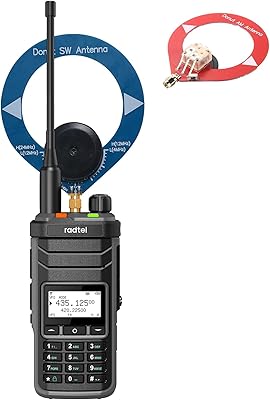
Radtel RT-860 Multiband Ham Radio Transceiver
75%
88%
Value for Money
76%
Reception Range & Sensitivity
59%
SSB & HF Audio Quality
83%
Build Quality & Durability
62%
Ease of Programming & Setup
More
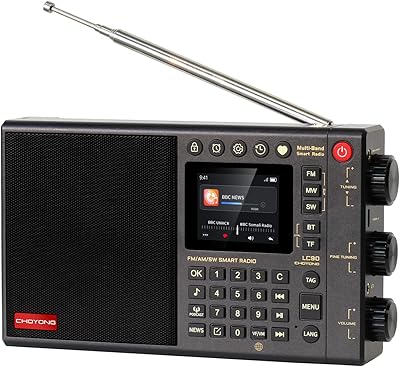
CHOYONG LC90 Multi-Band Internet Radio
72%
93%
Internet Station Coverage
88%
Shortwave Reception
54%
Ease of Use
84%
Sound Quality
81%
Connectivity Flexibility
More
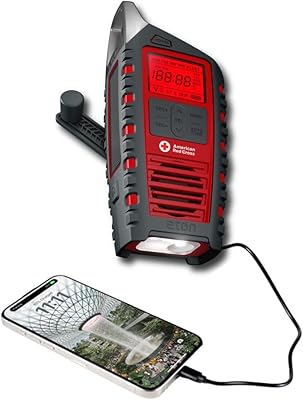
Eton Odyssey All-Band Bluetooth Emergency Weather Radio
76%
83%
Radio Reception Quality
88%
NOAA Weather Alerts
78%
Power Versatility
74%
Build Quality
71%
Battery Performance
More
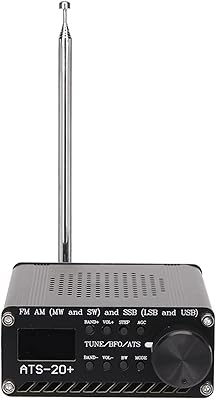
Oreb ATS-20 Si4732 Full Band Radio Receiver
85%
88%
Build Quality
85%
Sound Clarity
91%
Portability
82%
Ease of Use
80%
Reception
More
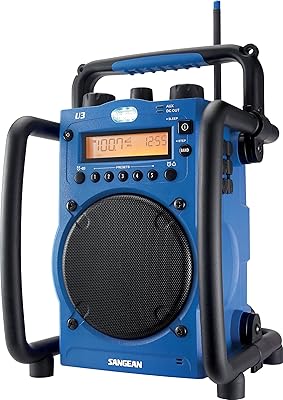
Sangean U3 Jobsite Radio
87%
96%
Build Quality
94%
Water Resistance
88%
Audio Clarity
85%
Speaker Power
91%
Battery Flexibility
More
Sangean H201 Shower Radio
87%
91%
Waterproof Performance
87%
Sound Quality
89%
Portability & Design
92%
Ease of Use
67%
Battery Life
More
Sangean HDR-16 HD Radio Portable Receiver
75%
83%
HD Radio Reception Quality
78%
AM/FM Analog Fallback
86%
Build Quality & Durability
88%
Display Readability
84%
Alarm & Clock Functions
More
Sangean WR-12 AM/FM Radio
82%
88%
Sound Quality
91%
Build Quality
84%
Ease of Use
70%
Tuning Accuracy
79%
Connectivity
More
ONCHEER AM/FM/SW Portable Retro Radio
74%
83%
Value for Money
89%
Design & Aesthetics
86%
Ease of Use
74%
AM/FM Reception
51%
Shortwave Reception
More

FAQ

Yes, batteries are not included. The radio runs on 4 standard AA batteries, which you will need to pick up separately. It also comes with an AC adapter if you prefer to use it plugged in at a desk or nightstand.

Yes, without any adapters or converters. The included AC adapter accepts input from 100 to 240V at 50 or 60Hz, covering outlets across North America, Europe, Asia, and most other regions. The 42 programmable time zones with DST support also keep the clock accurate wherever you are.

SSB stands for Single Sideband, a transmission mode used by amateur (ham) radio operators, maritime services, aeronautical utility stations, and some international broadcasters. If you plan to monitor any of those, SSB reception is genuinely essential. If you only want standard AM and FM broadcasts, you will never use it — but its presence does not get in the way of normal listening either.

The airband covers 118 to 137 MHz, the frequency range used for voice communications between pilots and air traffic control. You can listen to approach, departure, and ground control conversations at airports within range of your antenna. It is a receive-only feature — you are monitoring, not transmitting — and the squelch control makes it much less fatiguing to use during quiet periods.

It depends on your commitment level. The menu system has a genuine learning curve, and the sheer number of features can feel overwhelming during the first few weeks. If you are casually curious about shortwave, a more affordable entry-level radio is probably a smarter starting point. If you are serious about the hobby and want a radio you will not outgrow, the depth here eventually becomes an asset rather than an obstacle.

Yes. The ANT-60 clip-on shortwave antenna is included in the box and works well for portable use. For more serious listening at home, you can connect a longer external wire antenna — this is one of the most common upgrades among shortwave enthusiasts and can noticeably improve reception of weak, distant signals across SW bands.

The built-in charger tops up NiMH rechargeable AA batteries while they remain installed in the radio. A fault detection circuit helps identify damaged or incompatible cells before they become a problem. Keep in mind that NiMH cells generally deliver shorter runtime per charge compared to fresh alkaline AAs, so many users keep a set of alkalines on hand as a backup for extended off-grid sessions.

No. This is a traditional RF receiver that picks up over-the-air radio signals across its covered frequency bands — there is no Bluetooth, Wi-Fi, or streaming functionality of any kind. If internet radio or podcast streaming is what you are after, you would need a completely different type of device.

Each radio has clear strengths and real trade-offs. The Tecsun PL-990 includes a synchronous AM detector that the ATS-909X2 lacks, which is a genuine advantage for pulling in crowded AM or shortwave signals with less interference. The Sony ICF-SW7600GR is older but beloved for its synchronous detection and compact build. Where the Sangean stands apart is its airband coverage, its larger preset memory, and what most users describe as superior build quality and in-hand feel. If synchronous detection is a dealbreaker for you, look at the Tecsun first; if airband monitoring matters or you want the most feature-dense portable available, this Sangean is hard to beat.

Squelch automatically silences the audio output when a received signal drops below a threshold level you set. In practice, this is most useful when scanning airband or utility frequencies where you might otherwise hear constant static between transmissions. Once set correctly, you only hear audio when a real signal comes through, which makes long monitoring sessions significantly less tiring and more practical.

Where to Buy