Rode Wireless GO Wireless Microphone System




Overview
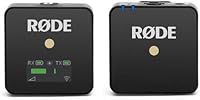
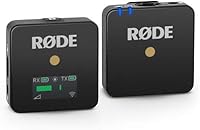
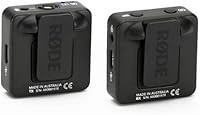
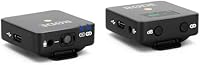
The Rode Wireless GO Wireless Microphone System arrived in 2019 and quickly became a reference point for compact wireless audio in the creator space. Built around a dual-role design, the transmitter clips onto a jacket and works as a standalone omnidirectional mic, or you can plug in a separate lavalier or headset via the 3.5mm input for more targeted pickup. The system is rated up to 70m, but real-world usability sits closer to 20–30m before you start risking dropouts. At its price tier, this compact transmitter-receiver kit is a considered investment — best suited for creators who need reliable, quality audio on location without hauling a dedicated sound rig.
Features & Benefits
The built-in condenser mic is the headline feature here — it captures clear, broadcast-quality audio when the transmitter sits clipped to a collar, meaning you can skip the lav mic entirely in most situations. Both the transmitter and receiver charge via USB-C, and battery life comfortably holds near the advertised seven hours, with a saver mode available when you need to stretch a shoot. At 1.1 oz per unit, this wireless mic system practically disappears on camera. Pairing over a single 2.4GHz channel is fast and intuitive, though that single channel also means you can't route two independent mics through the same receiver — a real limitation for two-person interviews.
Best For
This compact transmitter-receiver kit hits its stride when used by solo operators who need to move fast. Vloggers and YouTubers shooting run-and-gun content will appreciate that setup takes seconds — clip the transmitter to your subject, hit record, and you're rolling. It also works well for interview-style shoots as long as your subject stays within a comfortable 20–30m range. Travel filmmakers will value the USB-C charging and the fact that both units fit in a jacket pocket. Online educators recording in quieter, controlled environments will find the audio quality more than adequate. It's less suited for live events or crowded multi-mic productions where a single-channel system starts to show its limits.
User Feedback
Owners of the Rode Wireless GO consistently highlight two things: how quickly the units pair up straight out of the box, and how clean the audio sounds at close range. Battery life draws genuine praise too, with most users reporting runtime that stays close to the seven-hour claim. That said, not everything earns full marks. The plastic clip is a repeated complaint among daily users — it can feel underwhelming for a product at this price point. A smaller group also reports occasional dropouts in busy RF environments like conferences or studio settings packed with wireless gear, which is a real consideration if that describes your shooting conditions.
Pros
- Pairing the transmitter and receiver takes seconds — no menus, no frustration, just clip and go.
- The built-in condenser mic captures clear, broadcast-quality audio without needing a separate lavalier attached.
- Both units charge over USB-C, so one cable type covers your entire kit.
- Battery life reliably tracks close to the advertised seven hours, even under regular shooting conditions.
- At just 1.1 oz per unit, this wireless mic system is light enough to forget it is even clipped on.
- The transmitter doubles as a standalone mic or accepts a 3.5mm lavalier input, giving you real flexibility.
- Works with cameras and smartphones via the right adapters, which extends its usefulness beyond dedicated video rigs.
- Setup is intuitive enough for beginners while still satisfying more experienced creators who value speed on location.
- Audio quality at close range consistently outperforms what you would expect from similarly sized wireless systems.
Cons
- The plastic clip feels noticeably fragile for a product at this price tier and can crack with repeated daily use.
- Only one wireless channel means you cannot independently mic two speakers through a single receiver.
- There is no onboard audio recording, so if your camera feed fails, you have no backup capture to fall back on.
- Real-world wireless range falls well short of the 70m specification in typical shooting environments.
- Interference becomes a real issue in crowded 2.4GHz environments like conference venues or busy studios.
- The Rode Wireless GO offers no physical gain control on the receiver, which can complicate audio management in the field.
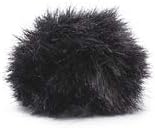
- No wind protection is included in the box, and outdoor recordings in even a light breeze can introduce noticeable noise.
- For productions requiring multi-mic setups, the single-channel architecture forces you to buy multiple independent systems.
Ratings
The scores below reflect our AI-driven analysis of verified global buyer reviews for the Rode Wireless GO Wireless Microphone System, with spam, incentivized feedback, and bot activity actively filtered out to ensure only authentic experiences shape each rating. Both the standout strengths and the recurring frustrations are weighted equally — nothing is glossed over. The result is a transparent, balanced picture of how this compact transmitter-receiver kit performs across real-world shooting scenarios.
Audio Quality
Ease of Setup
Build Quality
Battery Life
Wireless Range
RF Interference Resistance
Portability
Value for Money
Compatibility
Versatility of Mic Input
Discreetness On Camera
Charging Convenience
Durability Over Time
Suitable for:
The Rode Wireless GO Wireless Microphone System is a strong match for solo content creators who need dependable, good-sounding wireless audio without the complexity of a traditional mic setup. Vloggers and YouTubers will especially appreciate how fast it pairs and how discreetly the transmitter clips onto clothing — you can be shooting within seconds of pulling it out of a bag. Travel filmmakers benefit from the USB-C charging on both units and the fact that the entire kit barely weighs anything, making it easy to pack alongside a camera and a few lenses. Interview-format creators working in quieter environments — home studios, offices, outdoor spaces with light ambient noise — will find the built-in omnidirectional mic handles most situations without needing a separate lavalier. Online educators and course creators recording in controlled settings also get reliable, clean results without a steep learning curve.
Not suitable for:
If you are shooting in high-traffic wireless environments — packed conference halls, live events, or studios where multiple 2.4GHz devices compete for bandwidth — the Rode Wireless GO Wireless Microphone System can become a liability, with occasional interference affecting otherwise clean takes. Buyers expecting premium materials at this price point may also be disappointed: the plastic construction, particularly the clip, can feel fragile during heavy daily use. The system only supports a single channel, which rules it out for productions that need to capture two independent speakers simultaneously through one receiver. Anyone needing onboard audio recording as a backup — useful for run-and-gun shoots where camera audio might fail — will find this system lacks that safety net entirely. And while 70m is the stated range, real-world performance in less-than-ideal conditions tends to top out considerably lower, so buyers who genuinely need long-range wireless should look elsewhere.
Specifications
- Polar Pattern: The transmitter's built-in microphone uses an omnidirectional polar pattern, capturing sound evenly from all directions around the capsule.
- Wireless Range: The system is rated up to 70m in open conditions, though practical performance in typical shooting environments is closer to 20–30m.
- Connectivity: Both transmitter and receiver communicate over a 2.4GHz digital wireless connection for fast, stable pairing.
- Channels: The system operates on a single wireless channel, supporting one transmitter paired to one receiver at a time.
- Battery Life: Each unit delivers up to 7 hours of continuous operation on a full charge, with a battery saver mode available to extend runtime further.
- Battery Type: Both the transmitter and receiver are powered by built-in Lithium Polymer rechargeable batteries.
- Charging Port: Both units charge via USB-C, with no proprietary cable required.
- Weight: Each unit weighs approximately 1.1 oz, making the full kit easy to carry and nearly imperceptible when clipped to clothing.
- Dimensions: Each unit measures 5 x 4 x 2 inches, compact enough to fit in a jacket pocket alongside the receiver.
- Form Factor: The transmitter features an integrated clip-on mount that attaches directly to fabric without requiring an additional accessory.
- Mic Input: The transmitter includes a 3.5mm input jack for connecting an external lavalier or headset microphone as an alternative to the built-in capsule.
- Audio Sensitivity: The built-in condenser capsule has an audio sensitivity rating of 100 dB, suitable for capturing clear speech in most controlled environments.
- Material: The housing of both units is constructed from plastic, which contributes to the low overall weight but may feel less premium during heavy daily use.
- Color: Both the transmitter and receiver are finished in black.
- Power Source: The system is entirely battery-powered with no option for phantom power or wired DC operation during recording.
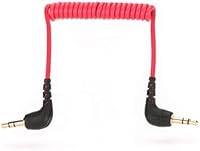
- Compatibility: The receiver outputs a 3.5mm TRS signal compatible with cameras and smartphones when used with the appropriate adapter cable.
Related Reviews
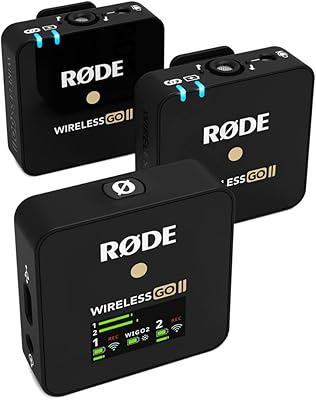
RØDE Wireless GO II
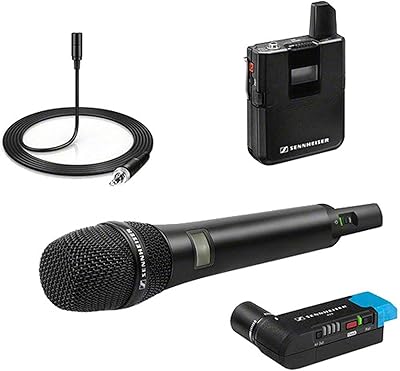
Sennheiser AVX Digital Wireless Microphone System
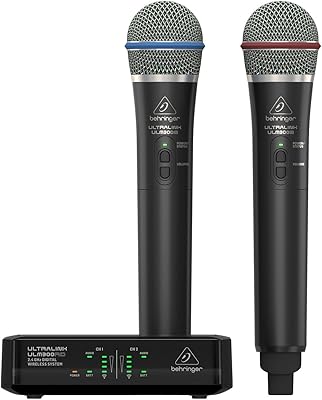
Behringer ULM302MIC Dual-Channel Wireless Microphone System
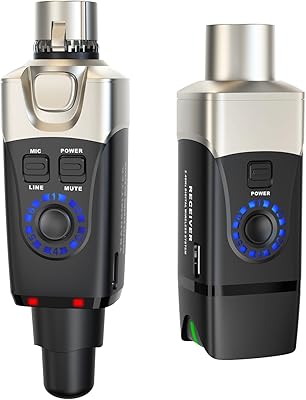
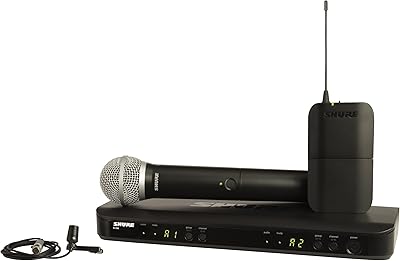
Shure BLX1288/CVL-J11 Wireless Microphone System
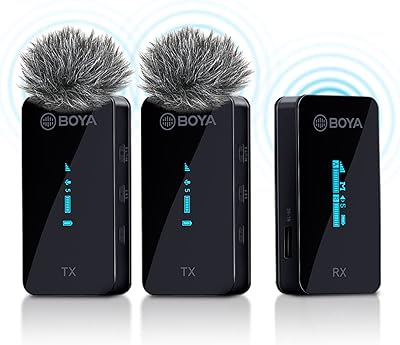
BOYA BY-XM6-S2
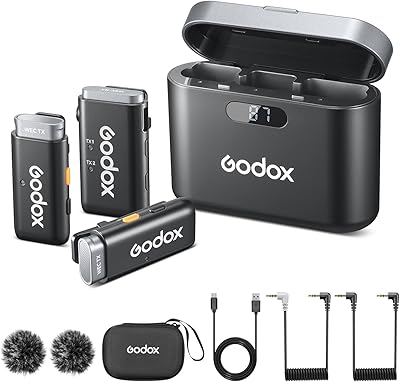
Godox WEC Kit2
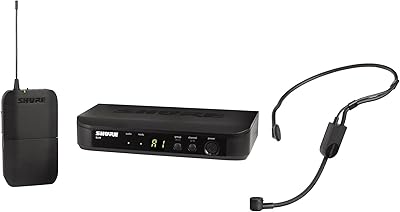
Shure BLX14/P31-H10
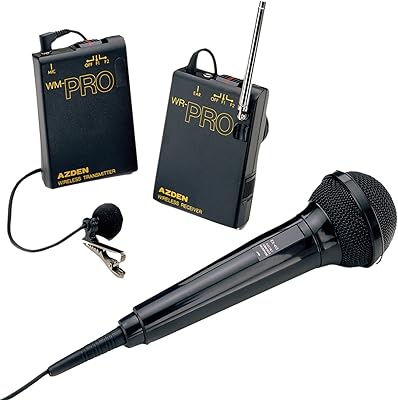
Azden WMS-PRO Wireless Microphone System