Overview

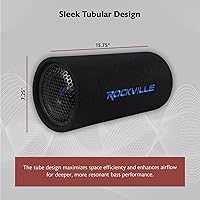
The Rockville RTB65A 6.5″ Powered Car Subwoofer is a tubular, all-in-one bass solution that's been quietly building a track record since 2015 — long enough to have a meaningful body of real-world feedback behind it. The tube format is the first thing that sets it apart: instead of a bulky box eating up trunk space, you get a cylinder wrapped in aviation-grade tweed that tucks away more discreetly. The built-in amplifier means you're not shopping for a separate amp to match it — everything is already paired and tuned inside one enclosure. For drivers just getting into car audio, that simplicity is genuinely appealing.

Features & Benefits

When it comes to power, 150W RMS is the number that actually matters here — the 300W peak figure is a marketing ceiling, not what you'll hear day to day. The built-in crossover gives you real control over how this compact subwoofer blends with your existing speakers, no external processor needed. Connectivity is well thought out: both RCA line-level and speaker-level inputs are included, so it works with factory head units and aftermarket setups equally well. There's also an MP3 input with its own volume dial for direct device hookup. The rear aero vent on the tube helps tighten low-frequency response and keeps port noise in check.

Best For

This powered bass tube is a natural fit for daily commuters who want more low-end presence but can't justify ripping out their entire audio system. Compact cars, hatchbacks, and sedans — vehicles where trunk real estate is scarce — are where the tubular shape really earns its place. If you're running a stock head unit, the speaker-level input means you don't need an aftermarket receiver just to hook it up. It's also worth considering if you're new to car audio and want a single-box solution that covers woofer, amp, and enclosure in one purchase. Minimal wiring and included mounting hardware keep the install approachable.

User Feedback

The RTB65A carries a 3.4 out of 5 rating across 152 reviews — not a ringing endorsement, but not a red flag either; the split leans toward two distinct camps. On the positive side, buyers consistently mention easy installation and a real, audible bass improvement over stock speakers, especially in smaller vehicles. The criticisms, though, are worth taking seriously: a portion of owners report that build quality becomes an issue after six to twelve months of regular use, and some feel the real-world output doesn't live up to the peak wattage number on the box. If you're looking for a long-term daily driver sub, durability concerns are worth factoring into your decision.

Pros

  • All-in-one design means no separate amplifier purchase is needed.
  • Tubular shape tucks away neatly in tight trunks where a box sub would not fit.
  • Speaker-level and RCA inputs cover both factory and aftermarket head unit setups.
  • Installation is approachable for beginners — brackets and Velcro straps are included.
  • Built-in crossover lets you blend bass with door speakers without extra hardware.
  • MP3 input with its own volume dial adds flexibility for direct device connections.
  • Delivers noticeable, real-world bass improvement over factory speakers at this price point.
  • The vented tube enclosure helps produce tighter low-end response compared to sealed budget alternatives.
  • Has a long enough market history to give buyers plenty of genuine user feedback to research.

Cons

  • Multiple owners report build quality issues emerging after six to twelve months of regular use.
  • The 300W peak figure is misleading — real continuous output is 150W RMS, which is considerably more modest.
  • The 3.4 out of 5 average rating reflects a meaningful share of dissatisfied buyers, not just isolated complaints.
  • Output volume may underwhelm listeners expecting performance that matches the peak wattage marketing.
  • Wired-only connectivity limits placement flexibility compared to units with wireless control options.
  • A 6.5-inch driver has physical limits — deep, room-filling bass is not what this compact subwoofer is built for.
  • No remote bass control is included, so adjusting output while driving requires reaching for the unit directly.
  • Long-term reliability track record is inconsistent enough to warrant caution for buyers wanting a multi-year investment.

Ratings

The scores below reflect our AI-driven analysis of verified buyer reviews for the Rockville RTB65A 6.5″ Powered Car Subwoofer, drawn from a global pool of real-world user feedback with spam, bot-generated, and incentivized reviews actively filtered out. We have weighted both the praise and the frustrations equally, so what you see here is an honest picture of where this compact subwoofer genuinely delivers and where it falls short. No category has been softened or inflated to flatter the product.

Ease of Installation
83%
This is consistently one of the most praised aspects across verified buyers. The inclusion of steel mounting brackets and Velcro straps means most people get it secured and wired without a trip to the hardware store. Drivers with zero prior car audio experience report completing the full install in an afternoon.
A handful of users found the wiring diagram in the manual unclear, particularly around the remote turn-on wire connection. Those unfamiliar with tapping into existing speaker wires occasionally needed to consult outside resources to complete the job confidently.
Bass Performance
71%
29%
For casual listeners upgrading from factory speakers in a compact sedan or hatchback, the improvement in low-end presence is immediately noticeable. The rear aero vent helps the 6.5-inch driver produce reasonably tight, punchy bass that works well with pop, hip-hop, and everyday radio listening at moderate volume.
Buyers expecting room-filling, chest-thumping output based on the 300W peak figure will be disappointed — the real-world 150W RMS ceiling becomes apparent quickly when volume climbs. The small driver simply cannot move enough air to satisfy listeners who have previously owned a dedicated 10-inch or 12-inch subwoofer.
Build Quality
54%
46%
The aviation-grade tweed wrapping on the tube enclosure gives it a sturdier and more premium visual impression than most vinyl-covered alternatives in this price bracket. Out of the box, the unit feels solid and well-assembled, and many short-term users have no complaints about the physical construction.
Long-term reliability is a legitimate concern based on verified feedback, with a notable portion of buyers reporting performance degradation or physical issues appearing within six to twelve months of daily use. The internal components appear to be the weaker link, and this is reflected in the polarized rating distribution.
Value for Money
67%
33%
As an all-in-one solution that bundles woofer, enclosure, and amplifier into a single purchase, the upfront cost efficiency is hard to argue with for first-time buyers. Commuters who simply want more bass than their factory system provides without a multi-component investment often feel the RTB65A delivers acceptable returns on that modest outlay.
When durability concerns are factored in, the long-term value calculus weakens considerably. Buyers who end up replacing the unit within a year effectively pay twice for the same bass output, which undercuts the initial savings compared to investing slightly more in a better-built component from the start.
Input Compatibility
81%
19%
Having both speaker-level and RCA inputs in a single unit is a meaningful practical advantage, especially for drivers stuck with factory head units that offer no preamp outputs. This dual-input design removes a common compatibility barrier and is one of the reasons first-time upgraders gravitate toward this compact subwoofer.
There is no high-pass filtered output to clean up the signal going to existing door speakers after the subwoofer takes over low-frequency duties, which can lead to slight muddiness in the midrange if the crossover is not dialed in carefully. Advanced users may find the input options functional but not refined.
Power Accuracy
44%
56%
The 150W RMS amplifier is genuinely matched to the driver and enclosure tuning, which at least means the internal pairing is coherent and does not introduce clipping or distortion under normal listening conditions. Users who understand the RMS figure going in tend to set realistic expectations and report satisfaction with what they hear.
The 300W peak figure prominently displayed in the product name and marketing material sets an expectation that the real-world output cannot meet, and this is one of the most common sources of buyer disappointment in the verified reviews. Misrepresentation of peak versus RMS wattage remains a recurring frustration among buyers who did not research the distinction beforehand.
Compact Fit
86%
The tubular format is a genuine space-saver, and verified buyers in smaller vehicles — particularly hatchbacks, compact crossovers, and sedans — consistently note how well it fits in tight trunk corners or behind rear seats where a rectangular box would be completely impractical. The 17-inch length is manageable even in snug cargo areas.
Despite being compact by subwoofer standards, the 9.2-pound weight and cylindrical shape can make securing it in irregular spaces slightly awkward without the brackets. A small number of buyers in very compact city cars report the tube is still longer than they anticipated based on the product listing.
Crossover Control
72%
28%
Having an onboard adjustable crossover is a feature that genuinely improves the listening experience, allowing users to find the blend point where the subwoofer hands off to the door speakers without a noticeable gap or overlap. Buyers who take the time to tune it properly report a noticeably more cohesive sound from their overall system.
The crossover is adjusted manually on the unit itself, which means pulling over or reaching into the back to make changes on the fly. There is no remote knob included, so real-time adjustment while driving is not practical — a limitation that frustrates buyers who like to tweak their bass level depending on the track or genre.
MP3 Input Utility
74%
26%
The dedicated 3.5mm input with its own independent volume dial is a convenient feature that adds real flexibility, particularly for users whose factory stereo lacks a direct auxiliary connection. Plugging a phone directly into the powered bass tube and controlling bass volume separately is a setup that some buyers specifically seek out.
The MP3 input volume knob is mounted on the unit rather than in an accessible cabin position, which limits its usefulness while the vehicle is in motion. It functions well as a static connection point but does not replace the convenience of a properly integrated head unit connection for most day-to-day use cases.
Longevity
49%
51%
A portion of buyers do report using the unit without issue beyond the twelve-month mark, particularly those who run it at conservative volume levels and in moderate climates. For occasional-use scenarios rather than daily commuting at high volume, longevity complaints are less prevalent in the verified feedback pool.
The durability track record across verified reviews is one of the clearest weaknesses of this unit. Internal component failures and output degradation surfacing within the first year of use appear frequently enough in the feedback data to represent a pattern rather than isolated incidents, making this a genuine risk for daily drivers.
Enclosure Resonance
68%
32%
The rear aero vent design does a reasonable job of controlling port noise at moderate listening levels, and buyers who use it within its intended volume range report clean, defined bass without the chuffing or drone that plagues cheaper ported enclosures. The tubular shape also resists panel flex better than thin flat-pack boxes.
At higher volume levels, a few verified buyers note a slight boominess or one-note quality to the bass, which suggests the enclosure tuning is optimized for a narrower sweet spot than the marketing implies. This is a common compromise in compact vented designs where enclosure volume is constrained by the tube format.
Wiring Simplicity
77%
23%
The combination of pre-included hardware and straightforward wiring requirements means most buyers can complete the hookup without professional help. The dual input options reduce the number of decisions a first-time installer needs to make, and the overall wiring complexity is lower than a separate subwoofer and amplifier combination would require.
The absence of color-coded or clearly labeled wire connections on the unit itself adds minor friction during installation, particularly for users who are new to reading basic car audio schematics. The included documentation could be more detailed to prevent wiring missteps that occasionally show up as negative installation reviews.
Aesthetic Design
73%
27%
The aviation-grade tweed exterior sets the RTB65A apart visually from the standard black carpet-wrapped enclosures that dominate this price range. Buyers who leave it visible in their trunk often mention it as a conversation starter, and the cylindrical profile has a purposeful, industrial look that reads as intentional rather than generic.
Aesthetic preference is subjective, and a minority of buyers find the tweed covering less appealing compared to cleaner, more modern finishes. The tweed material is also more difficult to wipe clean if it picks up dust or debris in an open trunk environment, which is a minor but practical nuisance over time.

Suitable for:

The Rockville RTB65A 6.5″ Powered Car Subwoofer is a practical choice for everyday drivers who want a genuine bass upgrade without committing to a full car audio build. It fits especially well in compact cars, hatchbacks, and sedans where trunk space is limited and a traditional box subwoofer simply isn't practical. If you're running a factory head unit and don't want to replace it just to add bass, the speaker-level input removes that barrier entirely. First-time car audio buyers will appreciate that the amp is already matched and built in — there's no guesswork about pairing components. Commuters, college students, and casual listeners who want noticeably fuller sound on a tight budget are the people most likely to walk away satisfied with this purchase.

Not suitable for:

The Rockville RTB65A 6.5″ Powered Car Subwoofer is not the right call for anyone who prioritizes long-term durability or plans to use it heavily day after day for years. Enthusiasts chasing serious output or competition-level bass will find the 150W RMS ceiling limiting — this is not a sub that will rattle windows or fill a large SUV with authority. If you've already invested in a quality aftermarket amplifier, the built-in amp becomes redundant rather than a benefit, and the overall value proposition weakens. Buyers who are sensitive to the gap between advertised peak wattage and real-world power delivery may find the marketing figures frustrating. Anyone wanting a component they can rely on beyond the first year without concern should look at more established, higher-rated options in the category.
Specifications

  • Woofer Size: The unit houses a 6.5-inch dynamic driver designed to reproduce low-frequency bass in a compact enclosure.
  • Peak Power: Rated at 300W peak, which represents the maximum instantaneous power the system can handle in short bursts.
  • RMS Power: Continuous RMS output is 150W, which is the reliable, sustained power level relevant to everyday listening performance.
  • Enclosure Type: The driver sits inside a vented tubular enclosure with a rear aero port designed to improve low-frequency tightness and reduce port noise.
  • Enclosure Material: The tube body is wrapped in aviation-grade tweed fabric for durability and a distinctive appearance compared to standard vinyl-covered enclosures.
  • Amplifier: A 150W RMS amplifier is fully integrated into the enclosure, matched to the driver and tuning of the tube for optimized performance.
  • Input Options: The unit accepts both RCA line-level and speaker-level inputs, making it compatible with factory head units and aftermarket receivers alike.
  • MP3 Input: A dedicated 3.5mm MP3 input with an independent volume control dial allows direct connection of smartphones, tablets, or portable audio players.
  • Crossover: An adjustable bass crossover is built in, letting users set the frequency blend point between the subwoofer and existing speakers without external processing hardware.
  • Frequency Response: The driver is rated down to 30 Hz, covering the lower end of the bass spectrum where kick drums and low synth notes reside.
  • Audio Output Mode: Output is mono, which is standard for a dedicated subwoofer application where directional stereo imaging is not a requirement.
  • Dimensions: The enclosure measures 9″ deep by 17″ wide by 8.5″ tall, offering a relatively compact footprint compared to traditional rectangular subwoofer boxes.
  • Weight: The complete unit weighs 9.2 pounds, light enough for easy one-person installation and repositioning if needed.
  • Mounting Hardware: Steel mounting brackets and Velcro straps are included in the package to secure the tube in place within a vehicle without additional purchases.
  • Connectivity: All connections are wired; there is no Bluetooth, Wi-Fi, or any other wireless communication technology built into this unit.
  • Compatible Devices: Works with MP3 players, smartphones, and tablets when using the direct MP3 input, in addition to standard head unit connections.
  • Power Source: The unit draws power directly from the vehicle's electrical system via a corded wired connection, as is standard for in-car amplified subwoofers.
  • Warranty: Rockville provides a limited warranty on this unit; buyers should confirm current warranty terms directly with the seller or manufacturer at time of purchase.
  • Manufacturer: This product is manufactured and distributed by Audiosavings, the parent company behind the Rockville audio brand.
  • Market Availability: The model was first listed in July 2015 and remains in active production as of the latest available data, with no discontinuation notice issued.

Related Reviews
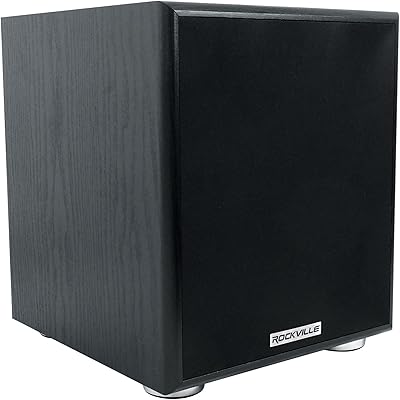
Rockville W65K9D2 6.5″ 1000w Car Subwoofer
85%
89%
Bass Quality
85%
Power Handling
92%
Build Quality
78%
Ease of Installation
88%
Compatibility with 2-Ohm Systems
More
Rockville Rock Shaker 6.5
69%
67%
Bass Performance
83%
Value for Money
61%
Build Quality
78%
Sound Tuning & Controls
88%
Setup & Installation
More
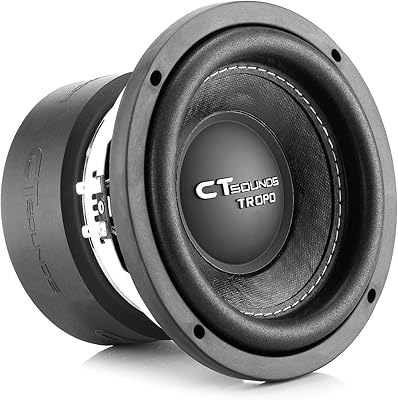
CT Sounds TROPO-6.5-D2 6.5-inch Dual 2 Ohm Car Subwoofer
86%
88%
Bass Performance
85%
Durability & Build Quality
89%
Power Handling
91%
Size & Fit for Tight Spaces
84%
Cooling Performance
More
CT Sounds Meso-6.5-D4 6.5 Inch Dual 4 Ohm Car Subwoofer
83%
90%
Bass Performance
85%
Power Handling
88%
Build Quality
65%
Installation Ease
92%
Cooling System Effectiveness
More
Rockville Ground Pounder 800W Powered Dual 10.5″ Car Subwoofer
87%
92%
Bass Performance
87%
Ease of Installation
89%
Build Quality
90%
Sound Clarity
80%
Size/Portability
More
TORO TECH Fierce 6 6.5-Inch Car Audio Subwoofer
86%
90%
Bass Performance
87%
Build Quality
85%
Size and Compactness
88%
Ease of Installation
91%
Durability
More
Rockville RVL6KIT 6.5″ Component Car Speakers

84%
88%
Sound Clarity
80%
Bass Performance
94%
Ease of Installation
86%
Build Quality
92%
Value for Money
More
KEF KC62 Compact Powered Subwoofer
82%
93%
Bass Extension & Depth
61%
Output Level & Loudness
91%
Accuracy & Tonal Precision
88%
Build Quality & Materials
96%
Form Factor & Size
More
Rockville RWS12CA 12″ Amplified Powered Car Subwoofer
88%
91%
Sound Quality
94%
Bass Performance
89%
Ease of Installation
88%
Build Quality & Durability
87%
Value for Money
More
Rockville PT65BR 6.5″ Bluetooth Tower Speakers
76%
83%
Sound Volume & Projection
52%
Bass Performance
91%
Installation Ease
67%
Build Quality & Materials
78%
Water & Weather Resistance
More

FAQ

No, that is actually one of the main selling points of the RTB65A. The amplifier is built directly into the enclosure, so you connect it to your head unit and power source, and you are ready to go. There is nothing extra to buy or match.

It works with factory head units. The speaker-level input is specifically there to handle situations where you only have speaker wire outputs from a stock stereo and no RCA preouts. Just tap into the speaker wires running to one of your existing speakers and you are set.

Peak wattage is a theoretical maximum the hardware can handle for a fraction of a second — it does not reflect what you hear during normal listening. The number that matters is 150W RMS, which is the continuous, real-world output. For a compact 6.5-inch driver, that is enough to add a clear, noticeable bass presence to a small or mid-size car, but do not expect it to shake the seats.

Most buyers report it is straightforward. The kit includes mounting brackets and Velcro straps so you do not need to source hardware separately. The wiring involves connecting power, ground, a remote turn-on wire, and your input signal — all standard steps covered in basic car audio guides. If you have done any basic wiring before, an hour or two should be plenty of time.

Yes, the tube format was designed with exactly that scenario in mind. At 17″ wide and under 9 inches deep, it tucks into corners or along the sides of small trunks where a traditional rectangular box would not fit. Hatchback owners in particular tend to have positive things to say about how it fits.

Yes. There is a 3.5mm MP3 input port with its own volume control, so you can plug a phone, tablet, or any device with a headphone output directly into the unit. It is a handy option if your head unit lacks aux connectivity or if you want independent volume control for the bass channel.

This is where the feedback gets mixed. A portion of buyers report no issues after extended use, while others mention that the unit started showing signs of wear or performance degradation somewhere in the six-to-twelve-month range. It is an honest concern worth factoring in, especially if you plan to use it daily at moderate to high volume levels for several years.

There is no included remote bass knob in the package, which is a limitation worth knowing about upfront. The crossover and MP3 volume controls are on the unit itself. Some buyers add an aftermarket remote knob inline if they want easier on-the-fly adjustments, but that requires additional wiring.

It is mono output, which is completely normal and expected for a dedicated subwoofer. Bass frequencies below the crossover point are non-directional to the human ear, so a single mono channel is the standard approach and does not affect the listening experience in any meaningful way.

Rockville offers a limited warranty on this compact subwoofer, but the exact terms and duration can vary depending on where you purchased it. Before buying, it is worth confirming the warranty coverage with the retailer directly. Given that some users have reported reliability concerns past the first year, knowing your coverage upfront is a smart move.

Where to Buy