Overview

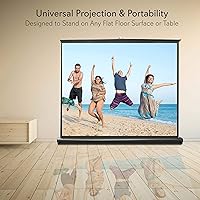
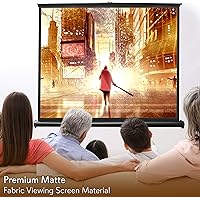
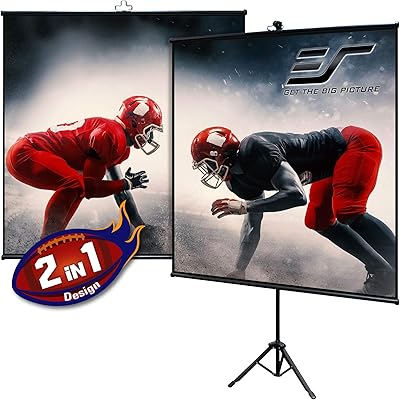
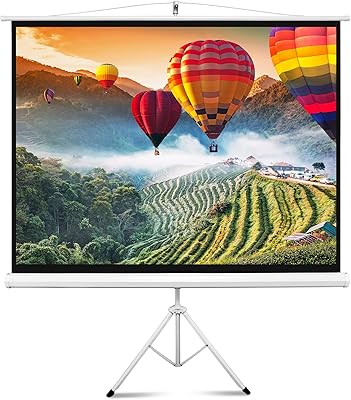
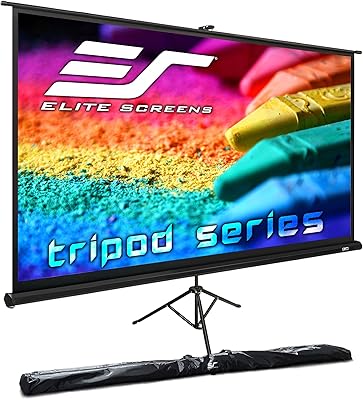
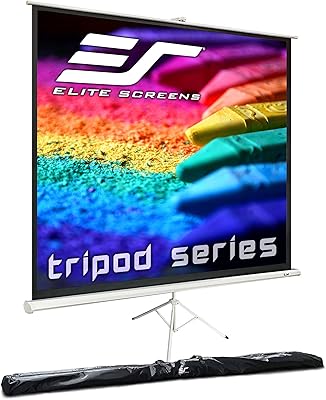
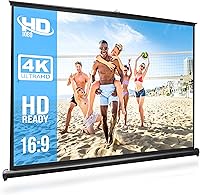
The Pyle PRJTP53 50″ Portable Tripod Projector Screen is a no-fuss, budget-friendly display option that punches above its price for anyone who needs a proper surface to project on without committing to a permanent wall mount. It folds up, rolls out, and stands on its own tripod legs — setup takes under two minutes, no tools required. The matte white fabric surface does a solid job of reflecting projected images cleanly, and the black masking border around the edges helps keep your focus on the picture rather than the surrounding room. Compact and genuinely light, this tripod screen is easy to toss in a car trunk and forget about until you actually need it.
Features & Benefits

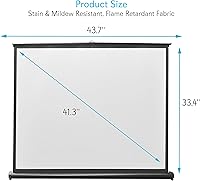
The actual viewable area on this portable projection screen is 40″ x 30″ — worth knowing upfront, since the 50″ figure refers to the diagonal measurement of the full frame, not the usable surface. That 4:3 ratio works well for standard office presentations but feels a little limiting for widescreen movie content. The canvas material is flame-retardant and stain-resistant, which is a practical bonus for outdoor use. At roughly one pound, the entire unit is light enough to carry in one hand. The tripod base adjusts in height and works just as well on a tabletop as it does on the floor, giving you a bit of flexibility in tighter spaces.

Best For

This tripod screen makes the most sense for people who need something functional without overthinking it. Teachers who move between classrooms, small business owners setting up a conference room display, or someone planning a backyard movie night — all solid fits. It also works well for event planners who need a temporary screen for weddings or parties where a polished look matters more than a huge image. What it is not built for is heavy daily use or anyone expecting large-format, widescreen coverage. If you project occasionally and storage space is limited, this portable projection screen delivers exactly what it promises without unnecessary complexity.

User Feedback

Buyers consistently highlight how quick the setup is — most report having the Pyle screen standing and ready in under two minutes, which is exactly what you want from a portable unit. The lightweight build earns repeat praise, especially from teachers and frequent travelers. On the other side, some users note that the fabric can develop minor wrinkles after repeated folding, and the tripod base can wobble slightly on uneven ground. A few buyers also mentioned that the actual image size was smaller than they expected after misreading the diagonal spec. Long-term durability is mixed — occasional users report no issues, but those packing and unpacking it weekly tend to see more wear over time.

Pros

  • Sets up in under two minutes with no tools, which is a genuine time-saver in real-world use.
  • At roughly one pound, this tripod screen is light enough to carry in one hand without any strain.
  • The black masking border noticeably helps contain the projected image and reduce peripheral light distraction.
  • Flame-retardant canvas fabric is a practical safety feature for outdoor or event use.
  • Works equally well on a floor or a tabletop, giving you real placement flexibility in different spaces.
  • The roll-up retraction mechanism makes packing down as fast as setting up.
  • Stain-resistant material means minor spills or outdoor contact are easy to wipe off.
  • At this price point, it delivers a usable, clean projection surface that outperforms a blank wall by a clear margin.

Cons

  • The 50″ advertised size refers to the diagonal frame measurement, not the usable image area, which is only 40″ x 30″.
  • The 4:3 aspect ratio leaves large black bars when displaying modern widescreen or 16:9 content.
  • Fabric develops noticeable horizontal creases after repeated folding, which distort the projected image over time.
  • No carrying case is included, which is a frustrating omission for a product built around portability.
  • The tripod base wobbles on carpet, grass, or any uneven surface, making outdoor use unreliable.
  • Plastic hardware joints show wear relatively quickly under frequent weekly use.
  • The roll-up spring mechanism can lose tension over time, making retraction messier and slower.
  • There are essentially no printed setup instructions in the box, which trips up some first-time users.

Ratings

The scores below for the Pyle PRJTP53 50″ Portable Tripod Projector Screen were generated by our AI engine after analyzing verified buyer reviews from multiple global markets, with spam, incentivized, and bot-flagged submissions actively filtered out. The result is an honest, balanced picture of where this tripod screen genuinely delivers and where real users ran into friction. Both the wins and the frustrations are reflected as they appear in the data.
Ease of Assembly
93%
This is where the Pyle screen earns its strongest marks across the board. Buyers repeatedly describe having it standing and ready in under two minutes with zero tools, which matters enormously for teachers switching rooms or hosts setting up before guests arrive.
A small number of users found the initial unboxing confusing due to minimal instructions, and a few reported that the locking mechanism on the tripod legs felt stiff on the first few uses before loosening up.
Portability & Weight
91%
At roughly one pound, this is one of the lightest options in its class, and buyers consistently mention how easy it is to carry to a classroom, toss in a car, or pack for an outdoor event without adding meaningful bulk to their load.
The carry bag or case situation is essentially nonexistent — most users have to improvise their own sleeve or bag, which is a real oversight for a product marketed specifically on portability.
Image Surface Quality
74%
26%
The matte white canvas does a respectable job for the price tier. Users running office presentations or casual home movie nights found the image looked clean and bright enough with a decent projector, and the black masking border genuinely helped contain the projected image.
In side-by-side comparisons with glass-beaded or tensioned screens, the canvas surface shows its limits — color accuracy and contrast suffer, particularly in rooms that are not fully darkened. Wrinkles after repeated folding also affect image smoothness over time.
Screen Size Accuracy
58%
42%
Buyers who researched the 40″ x 30″ viewable dimensions beforehand were generally satisfied, finding the size adequate for small rooms, intimate gatherings, and single-classroom presentations where the audience sits relatively close.
A recurring frustration in user reviews is the gap between the advertised 50″ diagonal and the actual usable image area. Many buyers expected something meaningfully larger, and the 4:3 aspect ratio also disappointed those hoping to watch widescreen content.
Tripod Stability
67%
33%
On a flat, hard floor indoors — a classroom, an office conference room, a living room — the tripod base holds up reasonably well and does not tip under normal conditions. Tabletop placement works particularly well when the screen is kept at a lower height.
On grass, carpet, or any slightly uneven surface, the legs can wobble enough to be distracting. Several outdoor event users mentioned needing to weigh down the base or prop it against furniture, which defeats the purpose of a freestanding design.
Build & Material Quality
62%
38%
The canvas fabric feels more substantial than some competing screens at this price point, and the flame-retardant treatment is a genuine safety plus for outdoor or event use. The frame components click together solidly on the first assembly.
The overall construction is clearly budget-grade. Plastic joints and connectors show wear after repeated cycles of setup and teardown, and some users reported cracking or loosening hardware within a few months of regular weekly use.
Value for Money
86%
For someone who needs an occasional-use portable screen without spending on a premium tensioned or motorized option, the Pyle screen delivers solid utility at a fraction of the cost. Event planners and budget-conscious buyers consistently rate it highly in this regard.
Heavy users who pack and unpack it frequently tend to feel the value proposition erode as durability issues emerge. If your use case involves more than a couple of setups per week, the cost-per-use calculation starts looking less favorable over time.
Setup Speed
89%
Real-world setup times consistently come in under two minutes in buyer reports, which is a tangible advantage for anyone who has wrestled with a tripod screen that requires threading, tensioning, or assembling multiple poles. The roll-up mechanism makes teardown equally fast.
After repeated use, some buyers noted the roll-up spring mechanism becomes less snappy, making the screen harder to retract cleanly. This slows the pack-down process and can cause the fabric to bunch unevenly at the base.
Versatility of Placement
78%
22%
The ability to use this on a floor or on a tabletop gives it genuine flexibility for different room layouts. A few buyers mentioned using it on a desk during small team demos, which worked well without any modification.
The fixed 4:3 format and the modest viewable area limit how versatile it actually is in practice. It does not adapt well to environments where widescreen content or large-audience visibility are priorities.
Storage & Compactness
81%
19%
When folded and rolled, the screen takes up very little space — buyers storing it in apartment closets, car trunks, or classroom storage cabinets found it easy to stow without dedicated space. The low weight helps here too.
Without a purpose-built carrying case included in the box, compact storage depends on the user finding their own solution. Some buyers fashioned DIY sleeves to protect the fabric during transport, which feels like an unnecessary workaround.
Fabric Wrinkle Resistance
53%
47%
Fresh out of the box, the canvas surface is relatively smooth and projects a clean image with minimal distortion. For first-time or infrequent users, wrinkles are not a major issue and the image quality is adequate for casual use.
This is a consistent complaint in long-term reviews. After several folds and unrolls, the fabric develops visible horizontal creases that catch projector light and create distracting lines across the image. There is no tensioning system to stretch them out.
Outdoor Usability
63%
37%
Buyers who used this for backyard screenings on calm evenings generally found it worked fine, and the stain-resistant fabric held up reasonably well against light contact with grass or outdoor surfaces. The lightweight frame is easy to reposition.
Any wind at all is a problem. Without stakes, sandbags, or a way to anchor the base, the screen catches air and tips over. It is not designed for true outdoor durability, and the canvas offers no gain advantage in ambient light conditions.
Aspect Ratio Suitability
59%
41%
For standard office presentations, slideshows, and older educational content formatted in 4:3, this screen is a natural fit and the image fills the surface cleanly without black bars or cropping.
Modern video content — streaming movies, YouTube, most gaming — is widescreen 16:9, which leaves significant black bars on a 4:3 screen. Buyers expecting a true movie-night experience were often let down by how much of the surface goes unused.
Long-Term Durability
51%
49%
Occasional users — those who set it up a handful of times per year for parties or seasonal presentations — report minimal issues and find the screen holds up well within that light-use context over a year or more.
For users setting it up and breaking it down on a weekly basis, the hardware joints, tripod locking pins, and roll-up mechanism show signs of fatigue within three to six months. This is not a screen built to last under continuous working conditions.

Suitable for:

The Pyle PRJTP53 50″ Portable Tripod Projector Screen is a practical match for anyone who needs a dedicated projection surface on a budget without the commitment of a permanent installation. Teachers and corporate trainers who move between rooms will appreciate how quickly it stands up and comes down — no tools, no fuss, just a workable display surface ready in under two minutes. It also makes a lot of sense for homeowners who host occasional movie nights or backyard gatherings but do not want a wall-mounted screen dominating their living space year-round. Event coordinators running weddings, birthday parties, or community screenings will find the lightweight build easy to transport and position on short notice. For small conference rooms or home offices that occasionally need a shared display, this tripod screen fills that gap without requiring any installation or IT involvement.
Not suitable for:

Buyers expecting a cinema-grade or even mid-tier viewing experience will likely find this portable projection screen falls short of their expectations, and it is worth being direct about why. The 40″ x 30″ viewable area in a 4:3 format is genuinely modest — widescreen movie content will show black bars, and anyone sitting more than a few rows back in a larger room will struggle with image scale. Users who plan to set it up and break it down multiple times per week should also temper their expectations around longevity; the plastic joints and roll-up mechanism are not engineered for that kind of repetitive stress. Outdoor use in anything other than calm, windless conditions is risky — the base has no anchoring system, and even a light breeze can tip it over. Those who need a tensioned, wrinkle-free surface for professional video production, high-stakes client presentations, or permanent home theater setups should look at a wall-mounted or motorized screen instead. Put simply, this is a screen for occasional, casual use — not a workhorse for demanding environments.

Specifications

  • Brand: Manufactured by Sound Around and sold under the Pyle brand.
  • Model Number: The exact model identifier for this unit is PRJTP53.
  • Screen Size: The overall screen diagonal measures 50″ from corner to corner including the frame and border.
  • Viewable Area: The active projection surface measures 40″ wide by 30″ tall, giving a usable image area of 1,200 square inches.
  • Aspect Ratio: The screen uses a 4:3 aspect ratio, suited to standard presentations and older video formats.
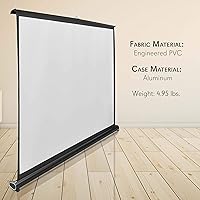
  • Surface Material: The projection surface is made from matte white canvas fabric designed to diffuse projected light evenly.
  • Fabric Treatment: The canvas is treated to be both flame-retardant and stain-resistant for added safety and easy maintenance.
  • Border Type: A black masking border surrounds the active viewing area to define image edges and reduce ambient light bleed.
  • Frame Dimensions: The overall assembled unit measures approximately 43.7″ wide by 33.4″ tall when standing.
  • Item Weight: The complete unit weighs approximately 1 pound, making it one of the lightest portable screens in its category.
  • Mount Type: The screen uses a freestanding tripod base that requires no wall mounting, drilling, or fasteners of any kind.
  • Placement Options: The tripod base is designed to stand on any flat floor surface or be placed on a tabletop for elevated positioning.
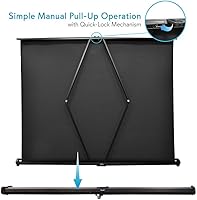
  • Assembly Method: Setup is entirely tool-free, using a fold-out tripod base and a roll-up retractable screen mechanism.
  • Retraction System: The screen rolls up and retracts into the base housing for compact storage and fast pack-down.
  • Availability: This model has been available for purchase since January 2016 and is not discontinued as of the latest product data.
  • Best Sellers Rank: The unit holds a rank of approximately 30 in the Projection Screens category on Amazon, indicating strong and consistent sales volume.
  • Intended Use: Designed for home theater, classroom, office presentations, and temporary event display in indoor or calm outdoor settings.

Related Reviews

Elite Screens Tripod Lite T50SW 50-Inch Projector Screen
85%
89%
Portability & Setup
85%
Viewing Angle
87%
Image Quality
81%
Build Quality
90%
Ease of Cleaning
More
Tecdigbo 50-inch Portable Projector Screen
84%
91%
Portability
94%
Ease of Setup
83%
Image Quality
85%
Build Quality
88%
Mounting Options
More
Excelimage Portable Projector Screen with Stand 50-inch
84%
89%
Ease of Setup
94%
Portability
87%
Screen Clarity
82%
Build Quality
65%
Stability in Windy Conditions
More
Pyle PRJTP72 72-Inch Portable Projector Screen with Stand
83%
89%
Ease of Setup
91%
Portability
85%
Image Quality
87%
Adjustability
80%
Build Quality
More
Elite Screens T60UWH 60-Inch Tripod Projector Screen
85%
91%
Ease of Setup
88%
Portability
85%
Durability
84%
Image Quality
90%
Adjustability
More
Elite Screens Yard Master Sport 96″ Portable Projector Screen
87%
92%
Portability
88%
Setup Ease
80%
Outdoor Stability
89%
Image Quality
84%
Viewing Angle
More
Elite Screens Tripod Series T119NWS1 119-inch Projector Screen
85%
94%
Portability & Setup
88%
Visual Quality
85%
Build Quality
91%
Adjustable Features
82%
Value for Money
More
Elite Screens Yard Master Sport 110-Inch Portable Projector Screen
85%
94%
Ease of Setup
91%
Portability
88%
Image Quality
90%
Viewing Angle
72%
Stability on Uneven Ground
More
Elite Screens T120UWH Tripod Projector Screen 120-inch 16:9
85%
89%
Ease of Setup
94%
Portability
91%
Image Quality
86%
Build Quality
78%
Compatibility with Projectors
More
Elite Screens Tripod Series T72UWH 72-inch 16:9 Projector Screen
85%
91%
Portability & Setup
88%
Build Quality & Durability
85%
Viewing Experience
90%
Viewing Angle
87%
Screen Material Quality
More

FAQ

The viewable projection area is 40″ wide by 30″ tall — that is the surface your projector can actually fill. The 50″ figure you see in the name refers to the diagonal measurement of the full frame, border included, which is a common source of confusion. If you are expecting something closer to a 50-inch TV in terms of image size, it will feel a bit smaller than anticipated.

Most people have the Pyle PRJTP53 50″ Portable Tripod Projector Screen standing and ready in about two minutes or less. You unfold the tripod legs, extend the upright pole, and let the screen roll out — there are no tools, no threading, and no separate parts to screw together. Teardown is roughly the same speed.
No, unfortunately there is no carrying case included in the box. This is a real gap for a screen that is marketed on portability. Most users end up improvising with a reusable shopping bag, a soft sleeve, or a drawstring bag to protect the fabric during transport.

It will work, but you will see black bars at the top and bottom of the image since the screen is 4:3 and most modern video content is 16:9. The image itself will not be distorted — it just will not fill the full screen surface. If widescreen movie viewing is your primary use case, a 16:9 format screen would suit you better.

On a calm day on a flat, hard surface, it holds up fine. The issue is wind — the screen acts like a sail, and even a light breeze can knock it over since the tripod base has no anchoring mechanism. For outdoor use, you would need to weigh down the legs or position it against a windbreak. On grass or uneven ground, the stability is noticeably reduced compared to a flat indoor floor.

Fresh out of the box, the surface is fairly smooth. Over time and with repeated folding, horizontal creases do develop and they will show up in your projected image, especially with darker content. There is no tensioning system to stretch the fabric flat, which is the core limitation here. Some users have had partial success gently steaming the fabric from a distance, but results vary and it is not a permanent fix.

Yes, the tripod base works on a tabletop and that is actually one of the more practical ways to use it in a small conference room or desktop demo setup. Just keep in mind that placing it on a table means the screen sits higher, which can be awkward for audiences seated in front unless the table height is appropriate.

Any standard projector will work with this screen — it is just a passive reflective surface with no electronic components. For best results, you want a projector with at least 2,000 lumens in a dimmed room, since the matte white canvas has a gain of approximately 1.0 and does not boost brightness the way a high-gain screen would. Brighter projectors will give you better results in rooms you cannot fully darken.

Honest answer: it is built for occasional use, not weekly heavy cycling. Users who set it up and break it down a few times per year report very few issues over a long period. Those using it every week tend to see wear on the plastic tripod joints and the roll-up spring mechanism within three to six months. At this price point, the construction is functional but not engineered for sustained professional-grade use.

Yes, the canvas fabric is treated to be flame-retardant, which is a genuine safety feature rather than just marketing language. It is also stain-resistant, so minor contact or accidental spills are easy to clean up with a damp cloth. There are no sharp edges on the screen surface itself, though the tripod legs do have metal tips that you would want to keep away from very young children running around the room.