Overview

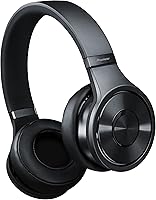
The Pioneer SE-MX9-K On-Ear Headphones arrive as a mid-range option from a brand with genuine audio heritage, built specifically around the energy of dance and club music rather than clinical accuracy. What immediately sets them apart at this price point is the aluminum alloy construction — most competitors lean on plastic, so the metal housing and hanger give a noticeably more substantial feel. The closed-back, on-ear design provides a reasonable degree of passive isolation without fully sealing your ears. One practical touch worth noting upfront: the detachable cable means a frayed cord does not retire the whole unit. Just know going in that this club-tuned headphone is voiced for bass-forward listening, not flat reproduction.
Features & Benefits

The 50mm dynamic drivers are the heart of the SE-MX9-K's sound signature — larger drivers move more air, which translates to that low-end weight dance music demands. The aluminum alloy housing keeps things rigid and resistant to the kind of flex damage cheaper plastics suffer over time. For wear comfort, the polyamide headband pairs with a silicone head cushion that distributes pressure reasonably well, though the synthetic leather ear pads can warm up during longer sessions compared to breathable velour alternatives. The tangle-free detachable cable includes an inline microphone and volume control, genuinely useful for commuters switching between music and calls without reaching for their phone.

Best For

These Pioneer on-ears make most sense for listeners whose playlists lean heavily toward EDM, hip-hop, or bass-rich electronic music — the tuning rewards those genres specifically. The foldable design and robust metal build also make them a solid pick for commuters or gym-goers who want a headphone that travels without feeling fragile. Since the cable connects via a standard 3.5mm jack, it pairs without fuss across smartphones, laptops, tablets, and televisions. That wired-only setup is worth acknowledging: it is a deliberate choice, not an oversight, and suits buyers who prioritize reliable audio quality over wireless convenience. Less ideal for acoustic, jazz, or classical listeners who prefer a neutral sound profile.

User Feedback

Owners of the SE-MX9-K frequently highlight the bass impact and the premium feel of the metal housing as genuine strengths, especially given what they paid. That said, a recurring theme in longer-term feedback is clamping pressure — on-ear designs inherently rest against the ear rather than around it, and some users find that fatiguing after an hour or more, particularly those with larger ears. The inline microphone earns mixed marks: functional for a quick call, but not the quality you would want for regular voice or video work. A handful of buyers have also noted that the cable connection points deserve careful handling. Overall value, though, reads as positive for the intended use case.

Pros

  • The aluminum alloy housing feels noticeably more solid and premium than plastic competitors at this price tier.
  • Large 50mm dynamic drivers deliver genuine bass weight that suits dance and electronic music well.
  • The detachable cable is a practical durability feature — replace the cord, not the whole headphone.
  • Tangle-free cable design reduces the daily frustration of knots during commutes or gym sessions.
  • Inline mic and volume control work reliably across both iOS and Android smartphones.
  • The foldable design makes these Pioneer on-ears genuinely compact for travel or bag storage.
  • Broad compatibility via a standard 3.5mm jack covers laptops, tablets, TVs, and most source devices.
  • The silicone-cushioned headband distributes weight reasonably well for short to medium listening sessions.
  • Build quality consistently earns positive remarks from long-term owners who feel it holds up over time.

Cons

  • On-ear clamping pressure becomes a real issue during sessions longer than an hour for many users.
  • The bass tuning can feel excessive or muddy on genres outside of EDM and hip-hop.
  • Synthetic leather ear pads trap heat and may become uncomfortable in warm environments.
  • The inline microphone quality is mediocre — acceptable for a quick call, not for regular voice work.
  • Cable connector points have drawn some durability concerns from users who handle them frequently.
  • Passive noise isolation is only moderate, which may disappoint commuters in loud environments.
  • At 305g, the SE-MX9-K is not the lightest on-ear option, which contributes to fatigue over time.
  • No wireless option means you are always managing a cable, which some buyers find limiting.

Ratings

The scores below were generated by AI after analyzing thousands of verified global buyer reviews for the Pioneer SE-MX9-K On-Ear Headphones, with automated filtering applied to remove incentivized, duplicate, and bot-generated submissions. The result is a balanced picture of where these Pioneer on-ears genuinely excel and where real users have run into friction. Both strengths and recurring pain points are reflected transparently in every category.

Bass Performance
84%
For dance, hip-hop, and electronic music listeners, the low-end delivery from the 50mm drivers lands with satisfying weight and presence. Commuters who want their playlists to hit hard on the subway or during a run consistently describe the bass as punchy and engaging without feeling hollow.
The tuning is clearly voiced for bass-forward genres, and users who crossed over into acoustic or jazz listening found the low-end intrusive and muddy. A handful of EDM listeners also noted that at higher volumes, the bass can occasionally bleed into the mids.
Build Quality
88%
The aluminum alloy housing is the most frequently praised physical attribute across buyer reviews — people notice immediately that these feel different from the plastic-shell competition at this price tier. Long-term owners regularly report that the headphones still look and function well after a year or more of daily use.
A small number of users flagged minor flex in the headband hanger over time, and the plastic hinge points where the cups fold received occasional criticism for feeling less premium than the metal housing itself. The overall build is strong, but it is not flawless under close inspection.
Comfort & Fit
63%
37%
For shorter listening sessions of 30 to 45 minutes, most buyers find the silicone-cushioned headband distributes weight acceptably, and the synthetic leather pads feel smooth against the ear. Users with average head sizes and smaller ears tend to report a comfortable initial fit.
On-ear clamping pressure is the single most recurring complaint across global feedback — extended wear of an hour or more becomes genuinely uncomfortable for a meaningful portion of users, particularly those with larger ears. The synthetic leather pads also retain heat, which compounds fatigue during warm weather or active use.
Sound Clarity & Mids
67%
33%
Within bass-heavy tracks, the SE-MX9-K manages to keep vocals intelligible and cymbal detail reasonably present, which is a better result than many V-shaped consumer headphones at this range. Buyers listening to pop and hip-hop report that the midrange holds together well enough for enjoyable, long-session listening.
Users who care about midrange detail — particularly for rock guitar work or vocal-forward tracks — often describe the mids as slightly recessed and overshadowed by the low-end tuning. It is a clear trade-off made in favor of the club sound profile, and it limits the headphone's versatility across genres.
Detachable Cable System
82%
18%
The ability to swap out a damaged cable rather than retiring the entire headphone is consistently valued by buyers who have owned headphones that died at the cord. The tangle-free design also earns specific praise from commuters who pull these out of a bag multiple times a day without the usual knot frustration.
Some users reported that the cable connector fit felt slightly loose over time, leading to intermittent audio drop on one side if the cord shifted during movement. A replacement cable is inexpensive, but the connector durability at the headphone end is a point of concern for heavy daily users.
Inline Mic & Controls
61%
39%
The inline remote works reliably for quick call answering and basic volume adjustment across both iOS and Android, which buyers who commute and take occasional calls genuinely appreciate as a convenience feature. The control placement on the cable is logical and easy to locate by feel.
Call quality through the inline mic is adequate in quiet environments but degrades noticeably in noisy settings like streets or public transit. Multiple buyers noted that the person on the other end of the call frequently had difficulty hearing them, and the mic is broadly considered unsuitable for video calls or any remote work scenario.
Passive Noise Isolation
58%
42%
The closed-back design does reduce ambient sound to a noticeable degree compared to open-back or earphone alternatives, and users in moderately noisy environments like offices or cafes find it sufficient for focused listening. It performs adequately for the typical commute scenario.
In genuinely loud environments — busy train carriages, construction areas, or crowded gyms — the passive isolation falls short, and external noise bleeds through enough to push buyers toward increasing volume uncomfortably. Anyone seeking meaningful noise blocking for flights or loud open-plan offices will find this club-tuned headphone underwhelming in this area.
Portability & Foldability
79%
21%
The fold-flat design makes the SE-MX9-K a practical travel companion compared to non-folding on-ear headphones, and the durable housing means buyers feel comfortable throwing them into a bag without a hard case. Commuters specifically call out the compact folded size as a genuine daily convenience.
The headphones do not come with a carrying case or pouch in the box, which is a notable omission at this price point — protection from scratches relies entirely on the user sourcing their own solution. The folded size is also not compact enough for jacket pocket carry, limiting truly pocket-friendly portability.
Value for Money
76%
24%
Buyers who use these primarily for their intended purpose — bass-heavy music during commutes or gym sessions — consistently feel the build quality and sound performance justify the asking price. The metal construction in particular creates a strong perception of value relative to cheaper plastic alternatives in the same range.
Users who bought expecting a versatile, all-genre headphone often felt the value proposition weakened once they moved outside dance and electronic music. A few long-term owners also noted that comfort limitations reduced how often they actually wore the headphones, which affected their sense of overall value over time.
Wired Connectivity Reliability
83%
Buyers who deliberately chose a wired headphone — whether for latency-free audio production use or simply to avoid charging frustration — consistently report that the 3.5mm connection is solid and dependable across all source devices. No pairing, no dropouts, and no battery anxiety is a genuinely appreciated trade-off for this audience.
The cable management remains a minor friction point compared to wireless alternatives, particularly for gym users where cord movement can cause tugs during exercise. A small number of users also noted that the cable length, while functional, felt slightly short for desktop or home listening scenarios where the source device sits further away.
Aesthetic & Design Appeal
81%
19%
The indigo black colorway combined with the metal housing gives the SE-MX9-K a premium visual profile that reads as more expensive than many competitors at the same price tier. Buyers frequently mention receiving positive comments on the look, which matters to the style-conscious commuter and club-music audience these are aimed at.
The design vocabulary is clearly rooted in the early-to-mid 2010s aesthetic, and some newer buyers find the overall look dated compared to more contemporary headphone designs now available at similar price points. The aluminum finish also shows fingerprints and minor smudges with regular handling.
Ear Pad Quality
59%
41%
The synthetic leather surface feels smooth and looks clean out of the box, and it provides a light passive seal that helps with bass retention during listening. Short-session users generally do not raise the ear pads as a concern.
Synthetic leather ear pads have a known tendency to peel and deteriorate after sustained use, and several long-term owners reported the pads showing significant wear within 12 to 18 months. They also trap heat during exercise or warm weather, which becomes one of the main comfort complaints alongside clamping pressure.
Headband Adjustability
72%
28%
The adjustment range on the headband is wide enough to accommodate most adult head sizes, and the mechanism feels secure once set — buyers do not report the cups slipping out of position during movement or active use. The silicone cushion adds a layer of softness that most users appreciate during the fit process.
The adjustment increments are relatively coarse, which means some users find themselves between two positions rather than at an ideal fit. For people at the outer edges of the size range, the tension calibration does not always result in a comfortable, snug balance between stability and pressure.

Suitable for:

The Pioneer SE-MX9-K On-Ear Headphones are a strong match for anyone whose listening habits revolve around EDM, hip-hop, electronic, or other bass-forward genres where punch and energy matter more than clinical accuracy. Commuters and daily transit riders will appreciate the foldable build and the durable aluminum housing that holds up against the wear of bag-tossing and daily travel far better than typical plastic alternatives. Gym-goers who prefer wired audio — no batteries to charge, no dropout risk — will find the tangle-free detachable cable a practical companion. Smartphone users who take occasional calls without wanting to fumble for their phone will get real use out of the inline mic and volume control, which works across both iOS and Android. If you genuinely value a headphone that looks and feels more expensive than its price suggests, the metal construction delivers that perception reliably.

Not suitable for:

Listeners who prioritize a flat, accurate sound profile — whether for mixing, mastering, or enjoying acoustic, jazz, or classical music — will find the SE-MX9-K's bass-heavy tuning more hindrance than help. The on-ear form factor is also worth thinking carefully about: unlike over-ear headphones that cup around the ear entirely, these rest directly on the ear, and prolonged sessions can cause noticeable discomfort, especially for people with larger ears or sensitivity to clamping pressure. Anyone who has moved primarily to wireless and finds cables frustrating should look elsewhere, since the wired-only design is a core feature of this headphone, not an oversight. The inline microphone handles light call use but is not suitable for regular video conferencing or podcast recording. Finally, buyers seeking aggressive noise isolation for loud environments like open-plan offices or flights will find the passive isolation of this closed-back on-ear design only moderately effective.

Specifications

  • Driver Size: Each ear cup houses a 50mm dynamic driver, which is larger than the 40mm units found in most consumer headphones at this tier.
  • Form Factor: Closed-back, on-ear design that rests against the outer ear rather than enclosing it fully.
  • Housing Material: The ear cup housing and hanger arm are constructed from aluminum alloy, providing rigidity and resistance to flex damage.
  • Headband: The headband is made from polyamide and fitted with a silicone head cushion to reduce pressure across the crown.
  • Ear Pads: Synthetic leather ear pads are used on both cups, offering a light passive seal and a smooth surface finish.
  • Cable Type: The included cable is detachable and tangle-free, terminating in a 3.5mm stereo jack on both the headphone and source ends.
  • Inline Controls: An inline remote on the cable includes a microphone and volume control compatible with both iOS and Android devices.
  • Connectivity: Wired only, connecting via a standard 3.5mm jack with no Bluetooth or wireless option.
  • Compatible Devices: Works with smartphones, laptops, desktops, tablets, televisions, and music production equipment with a 3.5mm input.
  • Weight: The headphone weighs 305g (10.8 oz), which is moderate for a metal-housed on-ear unit.
  • Dimensions: Overall packaged dimensions measure 4.92 x 8.9 x 8.7 inches, reflecting the unit in its folded storage configuration.
  • Foldable Design: The ear cups fold inward toward the headband, reducing the footprint for bag storage or travel.
  • Noise Control: No active noise cancellation is included; isolation is purely passive, provided by the closed-back cup design.
  • Intended Genre: Pioneer tuned the SE-MX9-K specifically for dance and club music, prioritizing low-frequency energy over a flat response curve.
  • First Available: This model was first listed for sale in April 2014 and has not been discontinued by the manufacturer.
  • Manufacturer: Designed and manufactured by Pioneer, a Japanese audio and electronics company with decades of professional and consumer audio heritage.
  • UPC: The product carries UPC code 884938259422 for retail identification purposes.

Related Reviews
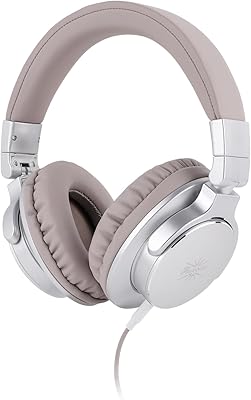
Pioneer SE-M521 Over-Ear Headphones
83%
87%
Sound Quality
92%
Comfort for Long Sessions
68%
Bass Performance
91%
Build Quality
58%
Cord Length & Convenience
More
Pioneer SE-MJ522 On-Ear Headphones
71%
74%
Sound Quality
68%
Bass Response
61%
Comfort & Fit
66%
Build Quality
54%
Cable Durability
More
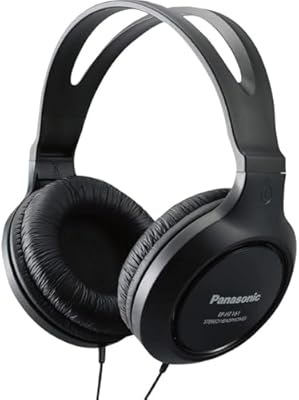
Panasonic RP-HT161 Over-Ear Wired Headphones
64%
91%
Value for Money
78%
Sound Quality
67%
Bass Performance
83%
Comfort & Fit
61%
Build Quality
More
Pioneer STEEZ SE-MJ751I Stereo Headphones
82%
87%
Sound Quality
92%
Comfort for Extended Use
79%
Build Quality
65%
Cable Durability
88%
Portability
More
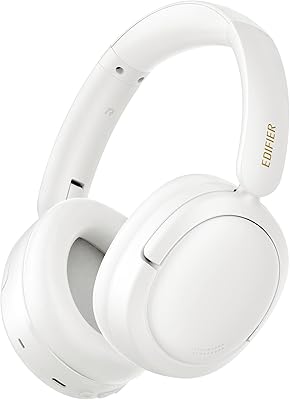
Edifier W800BT SE
Edifier W800BT SE
80%
93%
Battery Life
84%
Call Quality & Mic Performance
78%
Sound Quality
81%
Comfort & Fit
67%
Build Quality
More
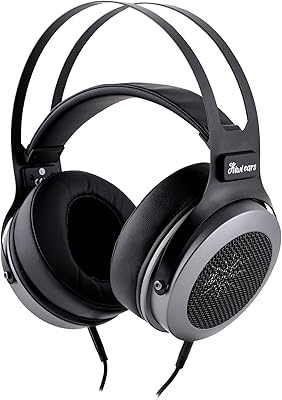
Linsoul Kiwi Ears Division Over-Ear Headphones
86%
92%
Sound Quality
89%
Comfort for Extended Use
75%
Noise Isolation
88%
Build Quality
85%
Ease of Use
More
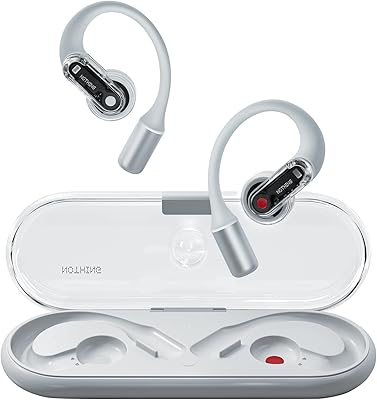
Nothing Ear (Open) Open-Ear Earbuds
79%
91%
Wearing Comfort
83%
Workout Stability
74%
Sound Quality
77%
Call Quality
49%
Sound Leakage
More
Kiwi Ears Altruva
Kiwi Ears Altruva
81%
91%
Sound Quality
93%
Soundstage & Imaging
88%
Build Quality
74%
Comfort & Fit
89%
Driver Performance
More
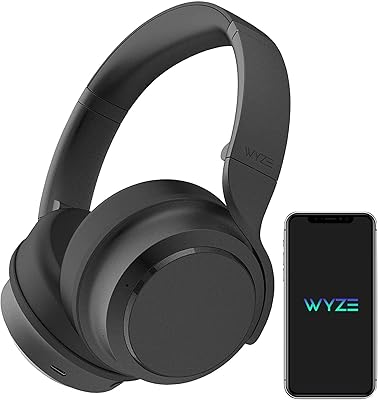
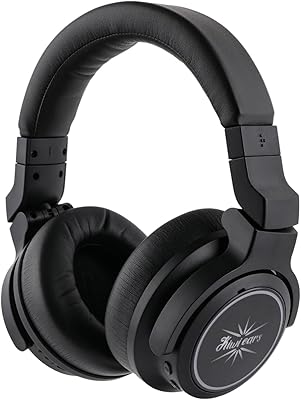
Wyze Headphones WNCH1 Noise Cancelling Bluetooth Over-Ear Headphones
83%
87%
Noise Cancellation
91%
Battery Life
85%
Comfort for Extended Use
78%
Bluetooth Connectivity
65%
Microphone Quality
More
Kiwi Ears Aventus
Kiwi Ears Aventus
77%
83%
Sound Quality
71%
Active Noise Cancellation
78%
Battery Life
81%
Build Quality
77%
Comfort & Fit
More

FAQ

The bass is genuine rather than gimmicky. The 50mm drivers move enough air to give dance tracks real weight and sub-bass presence. That said, it is a consumer V-shaped tuning rather than exaggerated boom, so it flatters the genre without completely drowning out the mids.

It will work with any device that still has a 3.5mm headphone jack. If you have a newer iPhone that lacks one, you will need Apple's Lightning-to-3.5mm adapter, which is sold separately. The inline remote and mic are fully compatible with iOS once connected.

Comfort is genuinely variable here, and it comes down to how your ears respond to on-ear pressure. Some people wear them for hours without issue; others find the clamping force tiring after about 45 to 60 minutes. If you are sensitive to ear pressure or have larger ears, that is worth factoring in before buying.

No, and this is one of the more practical design decisions on the Pioneer SE-MX9-K On-Ear Headphones. The cable detaches at the ear cup, so a frayed or broken cord is a cable problem, not a headphone problem. Replacement cables with a matching connector are widely available.

It handles occasional calls reasonably well — the person on the other end can hear you clearly in a quiet environment. For regular video calls, conference lines, or anything where mic quality matters consistently, it is not the tool for that job. Think of it as a convenience feature rather than a dedicated communication mic.

The aluminum housing is genuinely more durable than the plastic shells you find on most headphones in this range, so they hold up well to the physical demands of gym use. They are not sweat-proof or water-resistant though, so wiping them down after a hard session and storing them dry is a smart habit.

They fold down to a reasonably compact size, but they are not truly pocket-sized — the ear cups are fairly large. They fit comfortably in a medium bag or backpack side pocket, and the metal build means you do not have to worry much about them getting knocked around in transit.

Rock music with a strong drum and bass presence translates well. Acoustic, classical, or jazz listening is less ideal — the bass-forward tuning can obscure the detail and airiness those genres rely on. They are functional across genres, but the tuning is clearly not neutral.

It is noticeably different from plastic in practice. The housing feels solid in hand, resists the creaking and flex you get with cheaper shells, and the hanger arm has a rigidity that makes adjustment feel precise rather than flimsy. It also adds some weight, which contributes to that substantial feel.

Pioneer markets these for adults. The headband adjusts for head size, but the clamping force and on-ear fit are calibrated for adult proportions. Younger children may find them too tight or heavy for comfortable extended use, so they are best suited for teenagers and up.