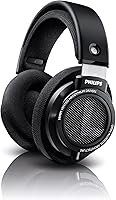
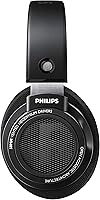




Overview

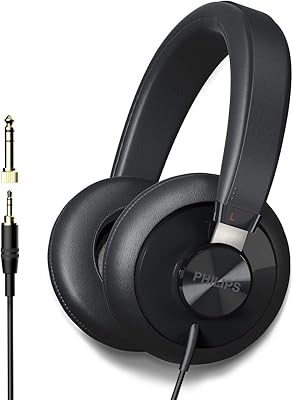
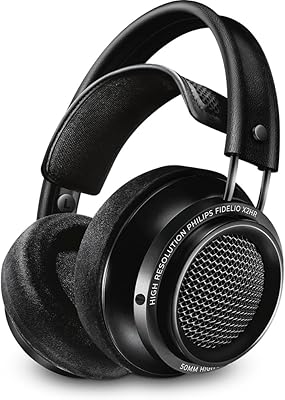
The Philips SHP9500 has quietly built one of the most dedicated followings in budget audio — and for good reason. Released over a decade ago, this Philips set has outlasted trends and newer competitors simply by doing the fundamentals right. It sits in a sweet spot in the wired headphone market: not a throwaway pair, but not priced beyond reach either. What you get is a wired, open-back design built for home use — no Bluetooth, no active noise cancellation, no wireless anything. If that sounds limiting, it's actually a deliberate trade-off that shapes everything about how these open-back headphones perform and why they've stayed relevant this long.

Features & Benefits

The 50mm neodymium drivers are the heart of this experience — they push a wide, spacious soundstage that smaller drivers struggle to replicate at this price. The open-back construction reinforces that airiness, letting sound breathe rather than bounce around inside a sealed cup. Wear them for an hour and you'll notice how well the breathable mesh cushions hold up — ears stay cool, and the double-layer headband distributes pressure evenly. The 1.5m detachable cable is just long enough for a desktop setup without becoming a tangle. At 32 Ohm impedance and 101 dB sensitivity, you won't need a dedicated amplifier to get solid volume from a laptop or phone.

Best For

These open-back headphones were clearly designed with the home listener in mind — someone parked at a desk, not commuting. That makes them a natural fit for PC gaming, where the wide imaging helps place sounds accurately, and for content creators who want a natural reference while mixing. Audiophile beginners frequently land on this Philips set as their first real step into hi-fi listening, and it holds up as a solid starting point without requiring extra gear. One consistent caveat across all these use cases: you need a private space. Open-back means sound leaks freely both ways, so a shared office or a crowded room is the wrong environment entirely.

User Feedback

Across more than 11,500 ratings averaging 4.5 out of 5, the verdict is pretty consistent: people who buy this Philips set tend to stick with it. The natural, airy sound gets praised repeatedly, and comfort during long sessions comes up just as often. Where criticism appears, it centers on two things — the sound leakage that catches buyers off guard if they didn't fully understand open-back designs, and an ear cup replacement process that's more involved than it should be. Some users also flag the proprietary cable connector as a mild frustration when sourcing replacements. None of these are dealbreakers, but each is worth considering before committing.

Pros

  • The wide, open soundstage makes music and gaming audio feel naturally immersive rather than boxed in.
  • Breathable mesh ear cushions genuinely reduce heat and fatigue during long listening sessions.
  • At 32 Ohm impedance, the SHP9500 drives easily from a phone or laptop without extra equipment.
  • The detachable cable is a practical safety net — damage it and you replace the cable, not the headphone.
  • Steel frame construction gives the headphones a durability that outlasts many competitors in this price range.
  • A 4.5-star average across more than 11,500 reviews reflects consistent real-world satisfaction over many years.
  • Sound signature is accurate and natural, making these open-back headphones a solid reference tool for casual mixing.
  • Works with any device that has a standard 3.5mm jack — zero setup, zero compatibility headaches.
  • Lightweight build at just over 10 ounces means no neck strain even during extended wear.

Cons

  • Sound leaks heavily in both directions — completely impractical in shared or public spaces.
  • No Bluetooth, no wireless option, no in-line microphone, and no remote control of any kind.
  • The proprietary cable connector on the headphone end makes finding quality replacement cables genuinely difficult.
  • Ear pads flatten and degrade over time, and replacing them is a fiddly process that risks damaging the retaining ring.
  • Bass response is light and neutral — listeners used to consumer-tuned headphones may find it noticeably thin.
  • No carrying case or folding design makes storage and transport more awkward than it should be.
  • Plastic components around the ear cups feel cheaper than the steel frame, creating an uneven build experience.
  • The fit runs slightly loose on smaller heads, with ear cups that can shift during movement.

Ratings

The Philips SHP9500 has accumulated over 11,500 verified ratings worldwide, and the scores below reflect what real buyers consistently report after extended use — not first impressions. Our AI analyzed that feedback pool, actively filtering out incentivized and bot-generated reviews, to surface an honest picture of where these open-back headphones genuinely deliver and where they fall short. Both the praise and the frustrations are represented here as transparently as possible.

Sound Quality
88%
Users repeatedly describe the sound signature as natural and open, with a spacious quality that closed-back headphones at this price rarely achieve. The wide soundstage makes acoustic music, orchestral recordings, and even gaming audio feel immersive rather than congested inside the ear.
Bass response is on the lighter side, which divides listeners — those coming from consumer-tuned headphones may find it underwhelming at first. The sound profile favors accuracy over punch, so basshead listeners tend to feel shortchanged.
Comfort & Fit
91%
The breathable mesh ear cushions are genuinely one of the standout practical strengths here. Users who wear headphones for two, three, or even four hours at a stretch consistently report that ears stay cool and pressure points stay manageable — a real advantage for long desktop sessions.
The fit can feel slightly loose on smaller heads, with the ear cups occasionally shifting during movement. A few users also note that the headband padding, while comfortable at first, compresses noticeably after several months of daily use.
Build Quality
74%
26%
The steel frame feels durable and purposeful — this is not a plastic-heavy headphone that creaks under light flexing. Most owners report that the physical structure holds up well over years of regular home use without significant degradation.
The plastic components around the ear cups feel noticeably cheaper than the frame itself, creating an inconsistency in perceived quality. A few buyers have reported that the swivel joints become looser over time, which affects how securely the cups sit on the ear.
Cable & Connectivity
69%
31%
The detachable 1.5m cable is a practical touch — if it gets damaged or tangled beyond use, you are not forced to replace the whole headphone. The gold-plated 3.5mm connector is solid and plays well with any standard audio source without adapters.
The proprietary locking connector on the headphone end is where real frustration surfaces. Replacement cables are not universally easy to source, and third-party options are hit-or-miss in terms of fit and sound quality. This is a recurring complaint across long-term owners.
Noise Isolation
31%
69%
If you are in a private space, the complete absence of noise isolation is not a problem — and some users actually appreciate hearing ambient sound for safety during home workouts or while monitoring a room.
Open-back means sound travels both ways with no filtering whatsoever. People nearby can clearly hear what you are listening to, and environmental noise enters just as freely. This makes these open-back headphones genuinely unsuitable for offices, commutes, or any shared environment.
Value for Money
93%
At this price point, the combination of sound quality, build, and comfort is difficult to match. Audiophile forums and beginner buyer guides have recommended this Philips set for years precisely because it punches well above its cost tier.
If wireless functionality or noise cancellation is on your checklist, the value proposition collapses entirely — you are paying for a wired, open-back experience and nothing else. Buyers who need versatility will find better-rounded options elsewhere for similar or slightly higher spend.
Soundstage & Imaging
89%
This is arguably where these open-back headphones separate themselves most clearly from closed alternatives at this price. PC gamers frequently note how accurately positional audio lands, and music listeners describe an almost speaker-like sense of space that is hard to find in this category.
The expansive soundstage comes with a trade-off in intimacy — vocals and centered instruments can feel slightly distant compared to closed-back designs. For genres like close-miked jazz or vocal-forward pop, some users prefer a more focused presentation.
Ease of Driving
87%
At 32 Ohm impedance and 101 dB sensitivity, these headphones reach comfortable listening volumes from a phone, laptop, or tablet without needing an external amplifier. This makes them genuinely accessible for beginners who have not invested in a DAC or amp yet.
While they do not demand extra equipment, they do respond noticeably to better sources — pairing them with a dedicated DAC reveals more detail and control. Users who only ever use a phone as a source may not be fully unlocking what the drivers can do.
Long-Term Durability
72%
28%
The core structure — the steel frame and driver units — shows genuine longevity. Many buyers report using the same pair for three to five years with no acoustic degradation, which is a meaningful sign of quality at this price tier.
Ear pad wear is the most common long-term complaint. The mesh cushions flatten and lose their softness after heavy use, and replacement pads are not always easy to install cleanly. The process requires more effort than most competitors at this level.
Aesthetics & Design
67%
33%
The understated, utilitarian look actually suits the home-use positioning well. The open grille design gives it a distinct audio-focused aesthetic that many buyers prefer over flashy gaming headsets or heavily branded consumer designs.
The all-black plastic aesthetic reads as dated to some buyers, especially compared to newer competitors that have invested more in visual design. It is a headphone that looks its age, and the finish attracts visible smudges and dust fairly easily.
Weight & Portability
61%
39%
At 10.6 oz the headphone is light enough for extended wear without neck fatigue, which matters a lot for all-day desktop use. The weight distribution is balanced reasonably well across the headband.
There is no folding mechanism and no carrying case included, so portability is essentially nonexistent. These are not headphones you realistically travel with — the open-back design would make public use impractical regardless of the size issue.
Compatibility
84%
The standard 3.5mm jack works with virtually any audio device produced in the last two decades — computers, phones, receivers, portable players, and gaming consoles all connect without issue. No drivers, no pairing, no setup of any kind.
The lack of Bluetooth and an in-line microphone or remote means these headphones do not function well as a call or mobile headset. Users who want a single pair to handle both focused listening and video calls will need a separate solution.
Ear Pad Replacability
53%
47%
Replacement pads are available through third-party sellers, and a subset of dedicated users in the headphone community has documented the process in reasonable detail online. The physical connection is not glued, which is at least better than fully sealed designs.
The stock ear cup attachment mechanism is fiddly and not intuitive, and installing aftermarket pads risks damaging the retaining ring if done carelessly. It is more of a DIY repair project than a simple user-serviceable swap.
Headband Adjustability
78%
22%
The stepped adjustment mechanism is firm and holds its position reliably, covering a solid range of head sizes. Once dialed in, it stays put through normal movement without requiring frequent readjustment during a session.
The adjustment range, while adequate for most adults, sits at the tighter end for users with larger head circumferences. A handful of buyers report that even at the widest setting, the clamp force feels noticeably firmer than they would prefer for very long sessions.

Suitable for:

The Philips SHP9500 is a strong match for anyone who listens primarily at home and values a natural, spacious sound over isolation or portability. Desktop PC users — whether they are gaming, mixing audio, or simply working through a long playlist — will get a lot of mileage from the open soundstage and the comfortable mesh cushions that hold up across multi-hour sessions. Audiophile beginners who want a genuine entry point into hi-fi listening without committing to expensive gear will find this Philips set approachable: it does not require an amplifier, pairs with any standard audio source, and delivers a sound quality that regularly surprises people at this price tier. Content creators doing casual reference listening or podcasters monitoring their own recordings in a private space will also find it a practical and reliable daily driver. If your listening environment is your own room and you wear headphones long enough that ear fatigue is a real concern, these open-back headphones are difficult to beat for the money.

Not suitable for:

The Philips SHP9500 is genuinely the wrong choice for several common buyer profiles, and being clear about that upfront saves a lot of frustration. Anyone planning to use these in a shared office, on public transit, in a library, or anywhere they cannot fully control their environment will quickly realize that the open-back design is not a minor quirk — it leaks sound loudly in both directions, meaning coworkers hear your audio and you hear theirs with equal clarity. If wireless convenience, Bluetooth connectivity, or hands-free calling are anywhere on your requirements list, this Philips set does not address any of those needs — it is a strictly wired, no-frills audio headphone with no built-in microphone or remote. Buyers who prefer a bass-heavy or V-shaped sound signature — the kind that makes pop and hip-hop hit harder — are likely to find the more neutral tuning underwhelming. And if you travel regularly or want one headphone that handles both home and commute duty, the lack of a folding mechanism, carry case, or any real portability makes these open-back headphones a poor fit for life on the go.

Specifications

  • Driver Size: Each ear cup houses a 50mm neodymium dynamic driver, which is larger than the 40mm units found in most headphones at this price tier.
  • Acoustic Design: The open-back construction allows air and sound to pass freely through the ear cups, producing a wider, more natural soundstage than sealed designs.
  • Impedance: At 32 Ohm impedance, these headphones are easy to drive from consumer devices like laptops, smartphones, and tablets without a dedicated amplifier.
  • Sensitivity: Rated at 101 dB, the headphones reach comfortable listening volumes at relatively low power output from any standard audio source.
  • Cable Length: The included detachable cable measures 1.5 meters, which is well-suited for desktop use but may feel short for setups where the source device is farther away.
  • Connector Type: The cable terminates in a gold-plated 3.5mm stereo jack, compatible with any standard headphone output without requiring an adapter.
  • Cable Attachment: The cable connects to the left ear cup via a proprietary locking connector, which secures the cable firmly but limits easy third-party cable replacement.
  • Ear Placement: The over-ear design fully encircles the ear rather than resting on it, which distributes pressure more evenly and contributes to comfort during long sessions.
  • Ear Cushion Material: The ear cushions use a breathable mesh fabric construction with a double-layer design that reduces heat buildup compared to synthetic leather or memory foam alternatives.
  • Headband: The double-layered headband cushion uses a padded inner layer for comfort and a structured outer layer to maintain shape under regular use.
  • Frame Material: The primary structural frame is constructed from steel, providing rigidity and long-term durability beyond what an all-plastic frame typically offers.
  • Weight: The headphones weigh 10.6 oz (approximately 300g), which is on the lighter end for full-size over-ear headphones with a steel frame.
  • Dimensions: Overall product dimensions measure 6.7 x 7.9 x 3.9 inches, reflecting a standard full-size over-ear form factor without a folding hinge mechanism.
  • Noise Isolation: The open-back design provides no passive noise isolation — environmental sound enters freely and audio from the headphones is audible to people nearby.
  • Wireless Support: These are strictly wired headphones with no Bluetooth, NFC, or any wireless connectivity of any kind.
  • Microphone: No built-in microphone or in-line remote is included, making these unsuitable as a standalone headset for calls or voice chat without a separate microphone.
  • Compatibility: Compatible with any audio source featuring a standard 3.5mm headphone output, including PCs, Macs, gaming consoles, smartphones, tablets, and portable audio players.
  • Model Number: The official model designation is SHP9500/00, part of the Philips 9500 performance audio series first released in August 2013.

Related Reviews
PHILIPS TAT3519 Wireless Earbuds
83%
88%
Sound Quality
92%
Battery Life
75%
Noise Cancellation
90%
Comfort and Fit
83%
Connectivity
More
Philips TAT1108 Wireless Earbuds
85%
88%
Sound Quality
91%
Call Clarity
86%
Battery Life
90%
Comfort & Fit
82%
Water Resistance
More
Philips H5209 Wireless Headphones
83%
94%
Battery Life
88%
Sound Quality
85%
Comfort
91%
Call Clarity
87%
Bluetooth Connectivity
More
Philips SHP6000
Philips SHP6000
79%
88%
Sound Accuracy
83%
Comfort & Wearability
61%
Build Quality
91%
Value for Money
74%
Cable Design & Quality
More
Philips A4216 Wireless Headphones
88%
88%
Sound Quality
94%
Battery Life
82%
Comfort & Fit
91%
Portability & Storage
87%
Build Quality & Durability
More
Philips TAH3209
Philips TAH3209
73%
74%
Sound Quality
91%
Battery Life
86%
Fast Charging
68%
Comfort & Fit
66%
Build Quality & Durability
More
Philips TAB8405 Soundbar with Wireless Subwoofer
83%
90%
Sound Quality
89%
Bass Performance
93%
Ease of Setup
88%
Audio Depth (Dolby Atmos)
85%
Connectivity Options
More
Philips B4000 Soundbar TAB4000/37
83%
83%
Sound Quality
91%
Bluetooth Connectivity
89%
Value for Money
95%
Setup & Installation
67%
Bass Performance
More
PHILIPS FX10 Bluetooth Stereo System
84%
89%
Sound Quality
93%
Bass Performance
81%
Build Quality
88%
Ease of Setup
85%
Remote Control Functionality
More
Philips 226E9QDSB 22″ Frameless Monitor
86%
88%
Display Quality
91%
Color Accuracy
85%
Build Quality
80%
Gaming Performance
94%
Ease of Setup
More

FAQ

No, you do not. At 32 Ohm and 101 dB sensitivity, the Philips SHP9500 drives easily from a phone, laptop, or any standard audio output. That said, if you do have a dedicated DAC or amplifier, these headphones respond well to the improved source quality — you will notice more detail and tighter control at the low end.

Not ideally, no. These open-back headphones have no built-in microphone, so you would need a separate USB or desktop mic for calls. Beyond that, the open-back design means your colleagues would likely hear audio leaking from your headphones during a meeting, which creates obvious problems in shared spaces.

It is significant. At moderate listening volumes, someone sitting within a meter or two of you can clearly hear what you are playing. This is not a design flaw — it is simply how open-back headphones work. If you are listening alone in a private room, it is a non-issue, but in a shared bedroom, open office, or library, it becomes a real problem quickly.

Technically yes, but it requires more effort than a simple snap-off swap. The ear cups use a retaining ring system that can be tricky to release without damaging the plastic if you are not careful. Third-party replacement pads are available, and the headphone community has published detailed guides online, but it is not a beginner-friendly repair.

For home PC gaming, this Philips set is genuinely well-regarded. The open-back soundstage helps with positional audio — hearing footsteps, environmental cues, and directional details in games is noticeably better than most closed-back headphones at this price. Just keep in mind there is no built-in microphone, so you will need a separate solution for team chat.

The natural, detailed sound signature works particularly well for acoustic music, jazz, classical, folk, and rock where instrument separation and imaging matter. Genres that rely heavily on bass impact — like electronic, hip-hop, or EDM — tend to feel slightly underwhelming because the tuning prioritizes accuracy over low-end emphasis.

You can, but sourcing a replacement is not completely straightforward. The headphone end uses a proprietary locking connector rather than a standard 2.5mm or 3.5mm plug, so not every aftermarket cable will fit. A handful of compatible third-party cables exist, but quality varies. The included stock cable is reasonably durable under normal home use.

Comfort over long sessions is consistently one of the most praised aspects of this Philips set. The breathable mesh cushions prevent heat buildup that typically becomes uncomfortable with leather or pleather pads, and the lightweight steel frame distributes pressure evenly. Most users report significantly less ear fatigue compared to similarly priced closed-back alternatives.

Yes, these open-back headphones work with any 3.5mm headphone jack, including the one on PlayStation and Xbox controllers. Audio playback works without any issue. The missing piece is a microphone — since there is no in-line mic on the cable, party chat and voice communication will require a separate headset or microphone solution.

A decade-old design sounds like a red flag, but in this case the community consensus has stayed consistently positive for years, which says something real. The sound tuning, driver quality, and comfort still hold up against newer competitors at this price tier. The main areas where age shows are the proprietary cable connector and the lack of any modern wireless features — if neither of those is a dealbreaker for you, the core product remains genuinely strong.