Overview

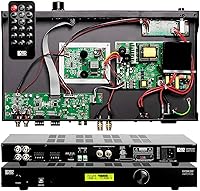
The OSD Audio SMP500DSP Mono Subwoofer Amplifier is built for one job: pushing serious low end into passive subwoofers that can't power themselves. This isn't a budget add-on. It sits near the top of OSD's SMP lineup, and the price reflects that positioning. Inside, a Class D design handles up to 800W peak and 400W RMS at 4 ohms without building up much heat, even when you're leaning on it during action scenes or bass-heavy tracks. An onboard DSP and a variable high-cut filter give you real control over where the low end starts and stops, rather than just blasting everything below a fixed point. The chassis is rack-mountable too, so it slots cleanly into a dedicated home theater rack or a media room build without looking like an afterthought bolted to the wall.
Features & Benefits

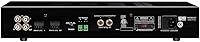
Once you start using this mono amplifier, the control layout makes sense for real installs. Back-panel gain pairs with a front-panel volume limiter, so you can dial in output without constantly worrying about overdriving a woofer built into a wall or floor enclosure. Auto-sensing is the kind of feature you forget about until you notice you haven't touched the power switch in months; it wakes up when it detects a signal and shuts down when things go quiet. Low and high-level pass-through inputs and outputs add flexibility if you're running more than one speaker off a single source, and dual 100/220V support means it works fine outside North America too. The included remote handles volume from the couch, and CE/ETL ratings cover the safety basics.

Best For

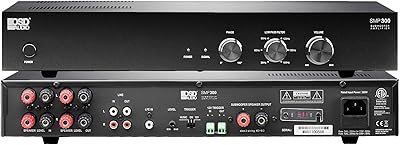
This subwoofer amp makes the most sense if you already own a passive subwoofer that has no power section of its own and just needs something capable behind it. Home theater and dedicated media room builds are the obvious fit, especially when you want low-end output that can keep pace with a full surround system rather than struggling under load. Custom installers will appreciate the rack-mounting option and remote control, since both matter more in a built-in setup than a casual living room corner. It's also a logical step up for anyone outgrowing a lower-wattage sibling like the SMP60 or SMP300. On the other hand, if you just want to add a little extra bass to a small bookshelf system, this is more amplifier than you probably need.

User Feedback

Feedback on the SMP500DSP and its siblings tends to land in the upper-3 to 4-star range rather than a flood of perfect scores, which is fairly normal for amplifiers in this power class. People generally seem satisfied with the output it delivers, though a fair number of comments focus on getting the gain and crossover dialed in correctly during setup rather than any flaw in the unit itself. Buyers also tend to weigh this amp against lower-wattage SMP models before committing, since the price jump only makes sense if you actually need the extra headroom. Long-term durability under sustained high-output use comes up often in pre-purchase questions, and it's a fair thing to ask about with any amplifier pushed this hard, though there isn't a clear consensus either way.

Pros

  • Onboard DSP and a variable high-cut filter give you real control over low-end shaping.
  • Class D efficiency means this mono amplifier runs cool even under sustained heavy bass.
  • Back-panel gain and a front-panel limiter help protect woofers from accidental overdriving.
  • Auto-sensing on/off means one less switch to remember when powering up a system.
  • Low and high-level pass-through inputs add flexibility for multi-speaker home theater setups.
  • Dual 100/220V voltage support makes it usable in installs outside North America.
  • Included remote control lets you adjust volume without walking back to the rack.
  • Rack-mountable design fits cleanly into dedicated home theater or media room builds.
  • CE and ETL certifications cover the basic safety boxes buyers look for.

Cons

  • Priced noticeably above OSD's entry-level SMP models, so casual users may overpay for unused power.
  • Dialing in the gain and crossover correctly takes some trial and error during setup.
  • Overkill for small single-driver subwoofers or basic bookshelf speaker setups.
  • Long-term durability under constant high-wattage use isn't well documented in available feedback.
  • At 8 pounds with rack-sized dimensions, it's not something you tuck behind a couch.
  • Aggregate ratings, while decent, aren't uniformly glowing across reviewers in this category.
  • Not a true plug-and-play solution if you're unfamiliar with amplifier gain staging.
  • Comparing it against similar rack-mount mono amps on paper can get confusing for first-time buyers.

Ratings

These scores for the OSD Audio SMP500DSP Mono Subwoofer Amplifier were generated by AI after analyzing verified user reviews from buyers worldwide, with spam, bot activity, and incentivized feedback filtered out before scoring. Each category below reflects what real owners consistently praised and where they ran into friction, so both the strengths and the genuine pain points are represented honestly rather than smoothed over.

Power Output & Headroom
89%
Owners running larger or less efficient passive subwoofers consistently mention having plenty of headroom in reserve, even during loud action scenes or bass-heavy music sessions. The jump to 800W peak at 4 ohms means the amp rarely feels strained, which matters most once you're past entry-level home theater setups.
That said, if your subwoofer is small or already efficient, you may never use most of this power, making the investment feel unnecessary. A few buyers also note that matching gain settings to a lower-demand sub takes a bit more care than expected.
Bass Performance & Sound Quality
85%
The onboard DSP and variable high-cut filter let users dial in tight, controlled low end rather than a generic boomy thump, which home theater fans appreciate during quiet dialogue followed by sudden bass hits. Many describe the low frequency output as cleaner than expected for this price range.
A handful of listeners feel the difference versus simpler amps is subtle unless you're already running a capable subwoofer in a treated room. Sound quality gains are also tied closely to correct crossover dial-in, so a rushed setup can mute the benefit.
Build Quality & Heat Management
84%
Class D efficiency keeps the chassis running cool even during extended movie marathons or loud gaming sessions, something buyers specifically call out compared to older Class A/B amps they've owned. The rack-style metal housing also feels solid rather than flimsy for the price tier.
Some buyers wish the housing felt a bit more premium given where this sits in OSD's lineup. A few also mention the unit runs noticeably warmer than expected when pushed near its rated limits for hours at a time.
Value for Money
74%
26%
Buyers stepping up from the SMP60 or SMP300 generally feel the added power and DSP justify the price difference once they actually need that extra headroom for a demanding subwoofer. It's viewed as a reasonable mid-to-upper tier choice rather than an entry-level impulse buy.
Casual listeners or anyone with a small bookshelf setup often feel they're paying for capability they won't use. The price gap versus lower-wattage SMP siblings is the most common hesitation mentioned before purchase.
Ease of Setup
68%
32%
Once dialed in, most users say the back-panel gain and front-panel crossover knob make sense and don't require constant readjustment afterward. The layout is described as logical once you understand what each control actually does.
First-time setup is the most frequently mentioned friction point, with buyers needing some trial and error to get gain and crossover settings right. This isn't a true plug-and-play amp for someone unfamiliar with amplifier basics.
Control Features (Gain & Crossover)
79%
21%
Having independent back-panel gain and a front-panel high-cut filter gives more precise control than the simpler single-knob setups found on cheaper amps. Installers in particular value being able to fine-tune output without touching the AV receiver.
The extra controls mean a slightly steeper learning curve for buyers coming from simpler subwoofer amps. A few reviewers mention wishing for clearer labeling or a quick-start guide for first-time adjustment.
Connectivity & Flexibility
88%
Low and high-level pass-through inputs and outputs make it easy to integrate into existing multi-speaker setups without needing extra adapters or workarounds. This flexibility comes up often among buyers running more complex home theater wiring.
A few users note the input/output layout assumes some familiarity with signal routing, which can be confusing for someone wiring a home theater for the first time. Cable management around the back panel can also get tight in a crowded rack.
Auto-Sensing Convenience
91%
Buyers consistently mention appreciating that the amp powers on automatically with a detected signal and shuts off during silence, removing one more thing to think about during movie nights. It's frequently cited as one of the more genuinely useful conveniences.
A small number of users report occasional delayed wake-up when a track starts very quietly, briefly clipping the first second of bass. It's a minor quirk rather than a dealbreaker, but worth knowing about.
Remote Control Usability
83%
The included remote lets people adjust bass levels from the couch instead of walking over to the rack, which is especially convenient in dedicated home theater rooms. Reviewers describe it as a small but genuinely appreciated touch.
Some buyers note the remote is fairly basic and limited to volume, without additional functions they'd expect at this price point. A few also mention it's easy to misplace since it isn't paired to a universal remote system.
Voltage Versatility
92%
Dual 100/220V support means international buyers or installers working across regions don't need a separate step-up transformer, which comes up positively in feedback from outside North America. It's a practical, low-drama feature that simply works as expected.
Domestic US buyers rarely interact with this feature at all, so it adds little perceived value for the majority of purchasers. It's also not something most reviews dwell on, since it just quietly does its job.
Rack-Mount Design & Form Factor
86%
Custom installers and home theater enthusiasts like that the chassis slots directly into a standard AV rack rather than needing to find awkward shelf space. At 15 x 5 x 6 inches, it fits cleanly alongside other AV components.
Casual buyers without a rack setup sometimes find the form factor less convenient than a simple standalone box. Its size and 8-pound weight also make it overkill for a small, single-room desktop system.
Long-Term Reliability
62%
38%
Buyers who've owned theirs for a while generally report consistent performance without major failures, especially when kept ventilated and run within its rated impedance range. CE and ETL certifications also reassure safety-conscious purchasers.
Public long-term durability data is genuinely thin, and several prospective buyers specifically ask about reliability under sustained high-wattage use before purchasing. Without a larger volume of multi-year reviews, this remains the most uncertain category to score confidently.
Certifications & Safety
87%
CE and ETL ratings give buyers a baseline assurance that the unit meets recognized safety standards for continuous high-power operation. This matters more for an external amplifier than a typical passive electronics purchase, since it's actively driving real wattage.
Certifications confirm safety compliance but say nothing about long-term component reliability, so a few buyers caution against treating them as a durability guarantee. It's a reassuring detail rather than a primary reason to buy.
Overall Customer Satisfaction
77%
23%
Aggregate ratings land in the upper-3 to 4-star range, with most buyers satisfied once their subwoofer and amp are properly matched and dialed in. Stepping up from lower-wattage SMP siblings is frequently described as worthwhile for the right use case.
Satisfaction dips among buyers who underestimated the setup learning curve or bought more power than their subwoofer actually needed. Mixed comparisons against similar rack-mount mono amps also show this isn't a universally clear-cut favorite.

Suitable for:

The OSD Audio SMP500DSP Mono Subwoofer Amplifier makes the most sense for someone who already owns a passive subwoofer and just needs a capable engine to drive it. It's a strong fit for home theater builds where a dedicated low-end channel matters, especially in rooms where you want bass to keep pace with a full surround system rather than fade out under load. Custom installers and DIY enthusiasts working on in-wall or rack-based setups will appreciate the rack-mounting option, back-panel gain control, and included remote, since all three matter more once gear is hidden away rather than sitting on an open shelf. It's also a logical pick for anyone who has outgrown a lower-wattage SMP model and wants real headroom instead of squeezing more out of an underpowered amp. Media room owners running dual-voltage gear, or installing equipment outside North America, benefit from the built-in 100/220V flexibility as well.
Not suitable for:

That said, the OSD Audio SMP500DSP Mono Subwoofer Amplifier isn't the right call for someone who just wants a small bass boost for a casual bookshelf speaker setup or a basic desktop system. Anyone shopping primarily on price should know this sits well above OSD's entry-level SMP models, and the jump only pays off if you actually need the extra wattage. It's also overkill for a single small subwoofer that already has its own amplification built in, since you'd be paying for power and rack-mount features you would never use. Buyers who want a simple plug-and-play unit with minimal setup might find the gain and crossover adjustments more involved than expected, at least until they are dialed in. Finally, if long-term reliability data matters a lot to your decision, be aware that feedback on sustained high-wattage durability is more anecdotal than conclusive at this point.

Specifications

  • Amplifier Class: Uses a Class D amplifier topology for efficient, low-heat operation.
  • Channels: This is a mono, single-channel amplifier designed to drive one subwoofer load.
  • Power Output: Delivers up to 800W peak and 400W RMS into a 4 ohm load.
  • Impedance Range: Rated to work with passive subwoofers between 4 and 8 ohms.
  • Onboard DSP: Includes onboard DSP for shaping and refining low-frequency output.
  • Crossover Control: Features a variable high-cut filter adjustable via a front-panel knob.
  • Gain Control: Back-panel adjustable gain lets installers match output to the connected subwoofer.
  • Volume Limiter: A front-panel volume limiter helps prevent accidental overdriving of the woofer.
  • Input/Output: Provides low-level and high-level pass-through inputs and outputs for flexible wiring.
  • Auto-On Sensing: Auto-sensing circuitry powers the unit on or off based on detected signal presence.
  • Voltage Support: Supports dual 100V/220V operation for use in different regions.
  • Certifications: Carries CE and ETL safety certifications.
  • Remote Control: Ships with a remote control for adjusting volume from a listening position.
  • Mounting Type: Built with a rack-mountable, surface-mount chassis.
  • Dimensions: Measures 15 x 5 x 6 inches (L x W x H).
  • Weight: Weighs 8 pounds.
  • Model Number: Officially listed under model number SMP500DSP.

Related Reviews

OSD Audio SMP300 Subwoofer Amplifier
76%
74%
Value for Money
88%
Input Flexibility
81%
Crossover & Tuning Controls
86%
Heat Management
83%
Ease of Installation
More
Harmony Audio HA-A400.1 800W Mono Subwoofer Amplifier
86%
91%
Bass Performance
88%
Ease of Use
84%
Build Quality
87%
Reliability
92%
Power Handling
More
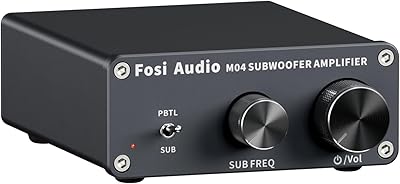
Fosi Audio M04 Subwoofer Amplifier
77%
88%
Value for Money
74%
Bass Output Quality
66%
Power Output
61%
Build Quality
86%
Ease of Setup
More
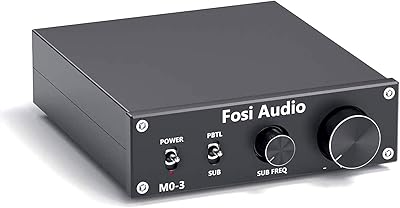
Fosi Audio M03
Fosi Audio M03
81%
91%
Audio Clarity & Distortion
74%
Power Output & Headroom
88%
Versatility & Operating Modes
93%
Value for Money
72%
Build Quality & Enclosure
More
OSD Audio IWS8 In-Wall Subwoofer
84%
89%
Bass Performance
78%
Installation Ease
93%
Space-Saving Design
84%
Sound Clarity
87%
Build Quality
More
Fosi Audio TP-02 Subwoofer Amplifier
82%
88%
Sound Quality
91%
Value for Money
83%
Build Quality
61%
Real-World Power Output
86%
Crossover & Tuning Controls
More
OSD Audio IWS10 In-Wall Subwoofer 10″
84%
87%
Sound Quality
90%
Bass Performance
78%
Ease of Installation
85%
Value for Money
92%
Design & Aesthetics
More
Fosi Audio M01-BT Subwoofer Amplifier
79%
83%
Bass Output Quality
91%
Value for Money
86%
Bluetooth Connectivity
88%
Ease of Setup
74%
Build Quality & Finish
More
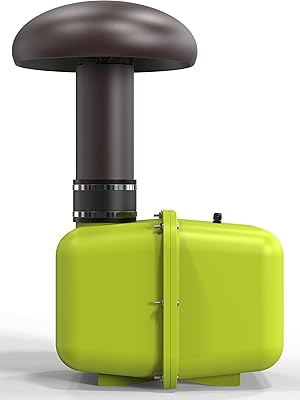
OSD Audio Forza 10 Outdoor Subwoofer
77%
88%
Bass Performance
91%
Build Quality
86%
Weather Resistance
58%
Ease of Setup
72%
Value for Money
More
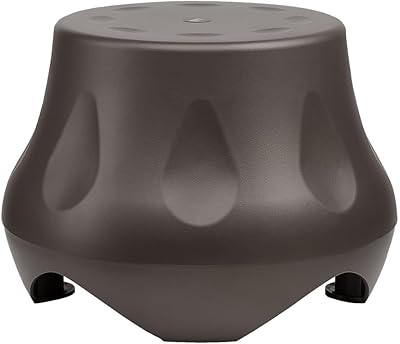
OSD Audio GLS8 8-inch In-Ground Outdoor Subwoofer
69%
88%
Bass Output Quality
83%
Outdoor Durability
79%
Build Quality
38%
Installation Experience
61%
Value for Money
More

FAQ

It's designed for passive subwoofers rated between 4 and 8 ohms, so check your sub's impedance before buying. As long as it falls in that range, the amp should be able to drive it without issue. If your subwoofer already has a built-in amp, you don't need this at all.

With up to 800W peak and 400W RMS at 4 ohms, there's a lot of headroom for deep, controlled bass in a home theater or media room. Actual loudness depends heavily on your subwoofer's efficiency and the room itself, so think of the amp as the engine, not the whole story.

No, this is an external amplifier, not a subwoofer with a built-in amp. You'll still need a separate passive subwoofer to connect to it; the amp just supplies the power that subwoofer doesn't have on its own.

It takes a little patience the first time, since you're adjusting back-panel gain and a front-panel high-cut filter rather than just flipping a switch. Most people get it close on the first try and fine-tune by ear over a day or two. It's worth taking your time here, since incorrect gain settings are one of the more common setup complaints.

Yes, it has auto-sensing that powers the unit on when it detects an audio signal and shuts it down after a period of silence. You don't have to remember to flip a switch every time you start or stop watching something.

It supports dual 100V/220V operation, so it's built to handle regions with different mains voltage. Just confirm your local outlet and plug requirements separately, since voltage support and plug type aren't the same thing.

Yes, the chassis is rack-mountable, which is one of the reasons custom installers tend to choose it over smaller standalone amps. At 15 x 5 x 6 inches and about 8 pounds, it sits comfortably in most standard AV racks.

It handles volume adjustments, so you can fine-tune bass levels from your seat instead of walking over to the amp itself. It's a small but genuinely useful convenience once you're set up for movie nights.

The OSD Audio SMP500DSP Mono Subwoofer Amplifier sits higher in the lineup, with more power and onboard DSP that the smaller siblings don't include. If you're driving a larger or less efficient subwoofer, the extra headroom generally justifies the step up in price.

Available feedback leans positive overall, with ratings generally landing in the upper-3 to 4-star range, though long-term durability under constant heavy use isn't backed by a huge amount of public data yet. Keeping it ventilated and within its rated impedance range is the best way to help it last.