Overview

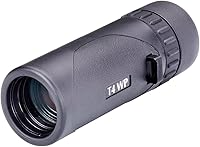
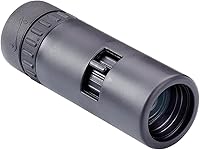
The Opticron T4 Trailfinder WP 10x25 Monocular is Opticron's answer to a simple question: how much capable optics can you fit in a jacket pocket? Opticron has been crafting respected glass in the UK for decades, and this compact monocular reflects that heritage. It weighs just under 5 ounces, slips easily into any bag, and arrives ready for rough conditions thanks to its waterproof, nitrogen-purged construction. Positioned in the mid-range tier, it targets outdoor enthusiasts who want something genuinely dependable without committing to full binocular bulk. For a lot of people, that trade-off makes perfect sense.
Features & Benefits

The Trailfinder WP pairs 10x magnification with a 25mm objective lens — an assertive combination for something this small. What keeps image quality honest is the use of PC phase-corrected prisms, which improve contrast and sharpness compared to uncoated alternatives. The nitrogen-filled body handles rain and humidity without fogging internally, which matters when you are out for hours. Eye relief is generous, so eyeglass wearers can use it comfortably without losing the full image. Perhaps most surprisingly, close focus drops to under 5 feet, making it genuinely useful for observing insects, flowers, or a bird perched nearby. The rubber armor adds a secure, confident grip.

Best For

This Opticron monocular is a natural fit for hikers and backpackers who refuse to carry more gear than necessary. At under 5 ounces, it disappears into a hip-belt pocket and reappears whenever something worth looking at comes along. Birdwatchers will appreciate the close-focus ability — spotting a warbler at arm's length is actually possible here. Travelers wanting a discreet optic for city sightseeing or stadium events will find single-handed operation intuitive. That said, the narrow field of view inherent to 10x monoculars makes it less practical for fast-moving subjects or wide open panoramas, so it helps to know that going in.

User Feedback

Among people who have spent real time with the Trailfinder WP, the consensus leans positive — image sharpness and compact build earn consistent praise, particularly from buyers upgrading from cheaper no-name options. Many note it holds up well after extended outdoor use, which speaks to build confidence. On the flip side, a portion of users mention eye cup comfort falls short on longer viewing sessions, and a handful flag that low-light performance is limited — physically expected given the small objective. A few buyers also note they missed the wider field of view that binoculars at a comparable price can offer. Solid overall, but not without honest trade-offs.

Pros

  • Phase-corrected prisms deliver noticeably sharper, higher-contrast images than uncorrected competitors at this price tier.
  • Weighing under 5 ounces, the Trailfinder WP is genuinely pocketable without sacrificing build integrity.
  • Full waterproofing and nitrogen purging make it dependable in rain, coastal mist, and humid jungle conditions.
  • Close focus under 5 feet opens up macro-style nature observation that most compact monoculars simply cannot manage.
  • Long eye relief means spectacle wearers get the complete field of view without awkward pressing or repositioning.
  • The rubber armor provides a confident, non-slip grip even with wet or cold hands in the field.
  • Opticron's track record in field optics adds a layer of brand trust that generic alternatives cannot match.
  • Tripod compatibility extends its usefulness to stationary observation sessions without any hand-holding fatigue.
  • Users report it holds up well after years of regular outdoor use, with few durability complaints surfacing over time.

Cons

  • The focus wheel can feel stiff and notchy straight out of the box, requiring a noticeable break-in period.
  • Field of view at 10x is narrow enough to make tracking moving subjects genuinely difficult and tiring.
  • Low-light performance drops off sharply at dusk — the small objective is the hard ceiling here.
  • The eyecup lacks click-stop positions, making precise eye-relief adjustment an imprecise, trial-and-error process.
  • No wrist strap or lanyard loop is included, which feels like an oversight for a product aimed squarely at field use.
  • The bundled carry case is bulkier than it needs to be relative to the monocular itself.
  • Focus wheel travel from close to infinity requires more rotations than some users prefer for quick subject changes.
  • In cold weather, the focus wheel stiffens further, making gloved single-hand operation noticeably more awkward.
  • A tripod adapter thread is present, but no adapter ships in the box — an extra purchase many buyers do not anticipate.

Ratings

The scores below were generated by AI after systematically analyzing verified buyer reviews from multiple global sources, with spam, bot-driven, and incentivized feedback actively filtered out. Based on that analysis, the Opticron T4 Trailfinder WP 10x25 Monocular earns a genuinely strong overall picture — though not without a few areas where real users consistently push back. Both the strengths and the friction points are reflected honestly in every category below.
Optical Clarity
84%
Most buyers are pleasantly surprised by how crisp the central image looks, especially for a monocular this compact. The phase-corrected prisms do real work here — colors appear accurate and edges stay reasonably sharp when viewing birds or distant landscapes in good daylight.
Sharpness falls off noticeably toward the edges of the field of view, which bothers some users during panning. A few long-term owners also report that the coating quality, while solid, does not quite match premium full-size optics they have used at higher price points.
Build Quality & Durability
88%
The rubber-armored body feels purposefully solid in hand — not plasticky or hollow. Several hikers and birdwatchers specifically mention it has survived drops, rain, and extended backcountry trips without any functional issues, which builds real confidence in the construction.
A small number of users note that the focus wheel feels slightly stiff or notchy out of the box, requiring a break-in period. The eyecup mechanism, while functional, has been flagged by a few owners as feeling less refined than the rest of the body.
Waterproofing & Weather Resistance
91%
The nitrogen purging does exactly what it promises — internal fogging is not a concern even in humid coastal conditions or sudden rain. Buyers who regularly use it in wet UK or Pacific Northwest climates consistently report zero moisture intrusion over extended periods.
There are no serious complaints about the waterproofing itself. A handful of buyers wish the external rubber seams were finished more cleanly, but this is cosmetic rather than functional and has not been linked to any actual water ingress.
Portability & Size
93%
At just under 5 ounces and small enough to disappear into a trouser pocket, this is genuinely one of the most portable capable monoculars buyers have handled. Travelers and ultralight hikers consistently call out the size as the primary reason they chose it over a compact binocular.
The palm-sized form factor does mean the focus wheel and eyecup are positioned very close together, which a few users with larger hands find slightly awkward to operate one-handed. It is a minor ergonomic limitation tied directly to the compact dimensions.
Close Focus Performance
86%
The sub-5-foot close focus is a genuine differentiator that birdwatchers and nature enthusiasts specifically praise. Being able to lock onto a butterfly or a perched warbler at arm's length without losing focus is something many buyers did not expect from a monocular at this price tier.
Achieving sharp close focus takes a deliberate, slow turn of the wheel — quick adjustments from far to near can result in temporary blur. A few macro-focused users feel the minimum focus distance, while impressive, still trails some specialist close-focus binoculars.
Eye Relief & Eyeglass Compatibility
79%
21%
Long eye relief is a real asset for spectacle wearers, who make up a vocal portion of positive reviewers. Most report being able to see the full image without pressing the optic uncomfortably close to their glasses, which is a common pain point with budget monoculars.
Non-eyeglass users sometimes find the eye relief feels overly generous, pushing the eye further back than feels natural during extended use. The eyecup itself lacks multi-position click stops, meaning it is an all-or-nothing adjustment that does not suit every face shape.
Low-Light Performance
61%
39%
In typical overcast daylight or shaded woodland conditions, the image remains usable and reasonably detailed. Buyers using it for dawn birdwatching in moderate shade report acceptable performance, especially given the physical constraints of the 25mm objective.
At dusk or in genuinely dim conditions, the limits of a 25mm objective at 10x magnification become very apparent. Several users who hoped to use it for casual stargazing or late-evening wildlife watching were disappointed — this is physics, not a defect, but it is worth knowing upfront.
Field of View
63%
37%
For stationary subjects — a distant peak, a perched raptor, a monument across a plaza — the field of view feels adequate. Users focused on fixed-target observation tend not to flag this as a concern in their feedback.
Ten-times magnification inherently narrows what you see, and buyers switching from binoculars often feel this acutely. Tracking a fast-moving bird in flight or following action at a sporting event is noticeably harder compared to a wide-angle binocular at a similar price.
Focus Wheel Precision
74%
26%
Once users get past the initial stiffness, the manual focus wheel delivers fine-grained control that works well for slow, deliberate focusing on wildlife or landscapes. The resistance level actually helps prevent accidental defocusing when the monocular is moved between pockets and hands.
The wheel travel from near to infinity is longer than some users prefer, and a few describe it as requiring too many turns for quick subject switches. In cold weather, the stiffness increases noticeably, which is an irritation for winter hikers wearing gloves.
Grip & Handling
82%
18%
The textured rubber armor does a dependable job of keeping the monocular secure even in wet or sweaty conditions. Single-handed operation — the whole point of a monocular — feels natural once you find the right thumb-to-focus-wheel position for your hand size.
Users with very small hands occasionally mention the diameter of the body makes single-handed gripping feel slightly awkward during sustained viewing. There is no wrist strap loop included by default, which a few buyers consider an oversight for field use.
Value for Money
83%
Buyers consistently frame this as one of the better-performing compact monoculars available at its price tier, especially given the Opticron brand reputation and the inclusion of phase-corrected optics and full waterproofing. Most describe it as genuinely worth the spend.
Some buyers who have previously owned premium full-size binoculars feel the image quality gap is noticeable enough to make them question whether a monocular format serves their needs, regardless of price. At its tier, it represents fair value — but it is not a bargain optic.
Tripod Compatibility
71%
29%
Having a standard tripod adapter thread is a thoughtful addition that allows for extended stationary observation — handy for digiscoping or watching wildlife from a fixed position without fatigue. Buyers who use it this way report stable, comfortable long-session viewing.
The tripod thread is functional but requires a separately purchased adapter for most standard heads, which is not always clearly communicated. A few users expected an adapter to be included in the box and were mildly frustrated to discover it was not.
Accessories & Packaging
67%
33%
The monocular arrives with a basic case and lens covers, which is consistent with what buyers at this tier typically expect. The packaging itself reflects the brand's no-nonsense approach, and the included carry case is functional for basic protection in transit.
Some buyers feel the included case is too bulky relative to the monocular itself and replace it with a smaller pouch. The lens cleaning cloth provided is minimal, and a few users expected a strap or carry lanyard to be included given the field-use focus of the product.
Brand Reputation & Trust
89%
Opticron's UK heritage carries weight with knowledgeable buyers, many of whom specifically cite the brand as a reason they trusted this over cheaper alternatives. The company's long track record in birdwatching and field optics communities lends confidence to the purchase.
Opticron is less widely known outside Europe, which means first-time buyers from North American or Asian markets sometimes approach it with unfamiliarity. A few users mention that after-sales support communication was slower than expected, though product issues appear to be rare.

Suitable for:

The Opticron T4 Trailfinder WP 10x25 Monocular is a genuinely smart pick for anyone who wants capable optics without the bulk or weight of a full binocular setup. Hikers and backpackers who count every ounce will appreciate that it weighs less than a deck of cards and slips into any pocket without a second thought. Birdwatchers working in dense woodland or garden environments get an unexpected bonus with the sub-5-foot close focus — spotting a robin at nearly arm's length is a real, practical advantage most monoculars at this size cannot match. Travelers wanting a single discreet optic for everything from museum balconies to safari game drives will find the rubber-armored build and waterproof housing reassuring across varied conditions. Eyeglass wearers specifically benefit from the generous eye relief, which eliminates the frustrating black-ring effect common with shorter eye-relief optics. If your outings regularly involve rain, high humidity, or sudden weather changes, the nitrogen-purged sealed body means you simply do not have to worry.

Not suitable for:

The Opticron T4 Trailfinder WP 10x25 Monocular is not the right tool for every optical need, and being clear-eyed about that will save some buyers real frustration. Anyone who regularly tracks fast-moving subjects — shorebirds in flight, sporting events, or wildlife running across open ground — will find the inherently narrow field of view at 10x magnification a persistent limitation that no amount of technique fully compensates for. Buyers hoping to use it in low-light conditions such as dusk wildlife watching or casual stargazing should look elsewhere; the 25mm objective simply cannot gather enough light to perform well once the sun drops, and that is a physics constraint rather than a product flaw. Users accustomed to the panoramic, two-eyed comfort of a good binocular may find sustained single-eye viewing fatiguing on long observation sessions. If you need wide immersive views, a compact binocular at a comparable price point will serve you better. Those wanting a premium-grade optic with edge-to-edge sharpness rivaling high-end glass should also adjust expectations — this delivers well for its tier, but it does have optical limits.

Specifications

  • Magnification: Provides 10x magnification, bringing distant subjects ten times closer than the naked eye.
  • Objective Lens: Features a 25mm objective lens diameter, balancing light gathering with compact portability.
  • Optical Design: Uses a roof prism configuration, which allows for a slim, straight-barrel body profile.
  • Prism Coating: PC phase-corrected prism coatings improve contrast, color fidelity, and resolution compared to uncoated alternatives.
  • Waterproofing: Fully waterproof construction achieved through nitrogen purging, which also prevents internal fogging in humid or cold conditions.
  • Close Focus: Minimum focus distance is under 5 feet, enabling sharp observation of nearby subjects such as insects or close-perched birds.
  • Eye Relief: Long eye relief design allows eyeglass wearers to view the full image without removing their spectacles.
  • Body Material: Exterior is finished in a textured rubber armor that absorbs minor impacts and provides a secure, non-slip grip.
  • Weight: Weighs 4.8 ounces (approximately 136g), making it one of the lighter options in its magnification class.
  • Dimensions: Measures 3.9″ in length by 1.4″ wide by 1.4″ high, compact enough to fit in a standard jacket pocket.
  • Focus Type: Manual focus only, controlled via a single focus wheel with no autofocus mechanism.
  • Tripod Mount: Includes a standard tripod adapter thread, allowing use with a compatible tripod adapter for stationary observation.
  • Optical Tube: Optical tube length is 3.9 inches, contributing to the monocular's overall slim, packable form factor.
  • Brand Origin: Manufactured by Opticron, a UK-based optics company with a long-standing reputation in birdwatching and field observation markets.
  • Model Number: Officially designated as model 30711, sold under the T4 Trailfinder WP product line.
  • Finderscope Type: Classified as a reflex-style finderscope configuration for intuitive single-handed aiming and target acquisition.
  • Compatible Devices: Tripod-compatible via standard thread; no digital or electronic device pairing is supported or required.
  • ASIN: Amazon Standard Identification Number for this product is B074ZDZZ4L, useful for verifying the correct listing when purchasing.

Related Reviews
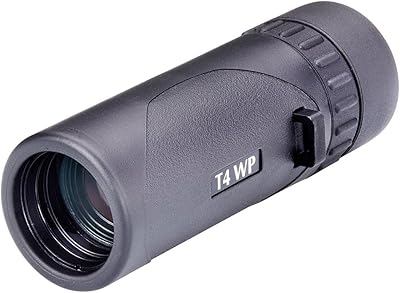
Opticron T4 Trailfinder WP 8x25 Monocular
86%
87%
Optical Performance
92%
Build Quality & Durability
90%
Portability & Weight
84%
Ease of Use
91%
Waterproofing & Weather Resistance
More
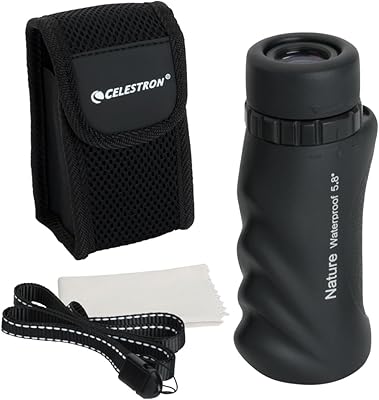
Celestron Nature 10x25 Monocular
79%
83%
Optical Clarity
61%
Low-Light Performance
88%
Build Quality
91%
Weather Resistance
94%
Portability & Size
More
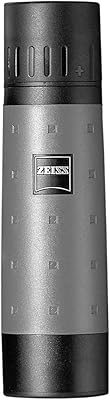
ZEISS Conquest Mono 10x25 Monocular
86%
94%
Image Clarity
88%
Build Quality
91%
Portability
89%
Weather Resistance
84%
Ease of Use
More
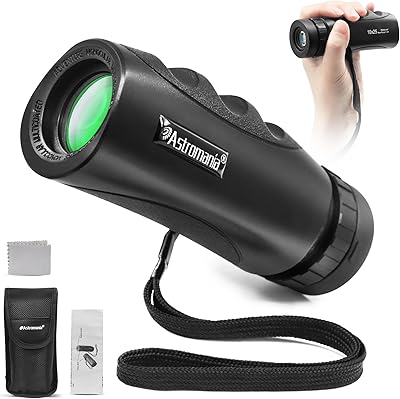
Astromania 10x25 Waterproof Compact Monocular
86%
92%
Portability
88%
Build Quality
90%
Waterproof Performance
85%
Ease of Use
82%
Image Clarity
More
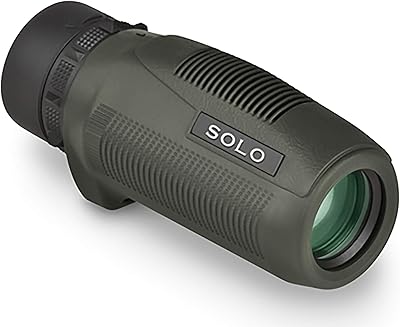
Vortex Solo 10x25 Monocular
81%
88%
Optical Clarity
91%
Build Quality
94%
Portability & Size
96%
Warranty & Brand Support
61%
Low-Light Performance
More
Opticron Explorer WA ED-R 10x42 Monocular
87%
91%
Optical Clarity
88%
Ease of Use
94%
Portability/Size
89%
Build Quality/Durability
85%
Waterproof/Fog Proof Performance
More
Pentax VD 4x20 WP Binoculars, Monoculars and Telescope
84%
91%
Versatility
88%
Waterproof Performance
84%
Optical Clarity
72%
Magnification Power
89%
Portability
More
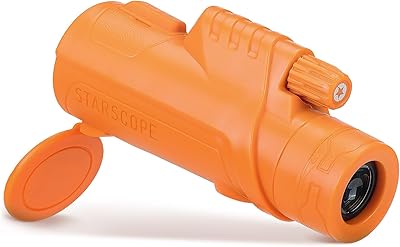
Starscope 10x42 Monocular
85%
88%
Optical Quality
91%
Ease of Use
94%
Portability & Weight
85%
Build Durability
70%
Smartphone Compatibility
More
Gosky 15x55 Monocular
73%
83%
Optical Clarity
54%
Image Stability
79%
Build Quality
86%
Waterproofing
61%
Focus Mechanism
More
Hontry 10x25 Compact Binoculars
74%
91%
Value for Money
78%
Optical Clarity
93%
Portability & Size
54%
Low-Light Performance
82%
Build Quality
More

FAQ

It is fully waterproof, not just splash-resistant. The nitrogen purging seals out both moisture and air, which means it will handle rain, condensation, and accidental dunking without fogging internally. That said, it is not rated for prolonged submersion, so treat it as weather-sealed rather than dive-ready.

Yes, and this is one area where the Trailfinder WP genuinely delivers. The long eye relief means you can keep your glasses on and still see the complete field of view without getting that annoying black ring around the image. Most eyeglass wearers report no issues adjusting it to their needs.

Ten times magnification is powerful for a monocular this small, which is both its strength and its trade-off. For fixed subjects like distant landscapes, buildings, or a perched bird, it is excellent. For fast-moving subjects like birds in flight, the narrower field of view that comes with higher magnification makes tracking harder. If most of your observation involves moving targets, an 8x model might suit you better.

Yes, a basic protective case and lens covers are included in the box. The case does its job but is on the bulkier side relative to the monocular itself — many users swap it out for a smaller aftermarket pouch for everyday carry.

No, a tripod adapter is not included even though the monocular has a standard tripod adapter thread. You will need to purchase a compatible adapter separately if you plan to mount it. It is a minor omission but one worth knowing before you need it in the field.

Honestly, low-light is not where this monocular shines. The 25mm objective at 10x magnification has a relatively small exit pupil, which limits how much light reaches your eye in dim conditions. It is perfectly fine for overcast daylight or open shade, but if dusk wildlife watching or stargazing is your primary use case, you would benefit from a monocular with a larger objective lens.

In mild conditions, yes, but it takes a little practice to find the right grip. The focus wheel is relatively small and can feel stiffer in cold weather, which makes precise adjustment with thick gloves more finicky. Thinner liner gloves work much better than heavy winter gloves for this kind of manual focus adjustment.

A compact binocular at a comparable price will generally give you a wider field of view, two-eyed comfort, and better depth perception — all real advantages. What the monocular trades for those benefits is significantly smaller size and weight, discreet one-handed operation, and the surprisingly capable close-focus distance. Neither is objectively better; it depends entirely on what you prioritize when you are out in the field.

A noticeable number of owners mention it feels a bit stiff initially, and the general consensus is that it does loosen with regular use over a few weeks. It is not defective — it is a deliberate resistance level to prevent accidental defocusing — but it can feel overly firm until it beds in.

Use a soft lens brush or air blower to remove loose dust and grit before touching the glass, then wipe gently with a clean microfiber cloth in circular motions from the center outward. Avoid paper towels, clothing fabric, or any abrasive material. For stubborn smudges, a small amount of lens cleaning solution on the cloth works well — never apply liquid directly to the lens.

Where to Buy