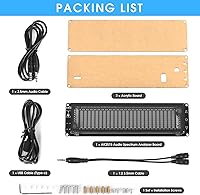
Overview
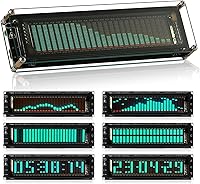
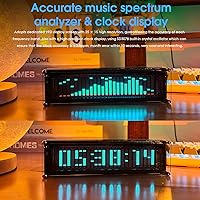
The Nobsound AK2515 brings a distinct retro-modern aesthetic to any workspace by utilizing old-school Vacuum Fluorescent Display technology. Unlike the flat, sterile look of modern LCDs, this VFD spectrum analyzer features a 25x15 pixel grid that glows with a nostalgic, vibrant warmth. Measuring just under seven inches wide, the unit is surprisingly compact, making it a perfect fit for crowded desks or equipment racks. Beyond its ability to visualize frequencies, it functions as a highly accurate clock thanks to its internal crystal oscillator. This dual-purpose design ensures the device remains useful even when your music is paused. It feels sturdy for its size and offers a tactile way to monitor your sound that software plugins simply cannot replicate.
Features & Benefits
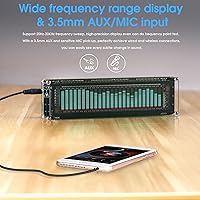
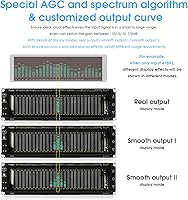
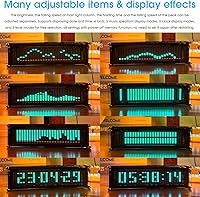
Equipped with a comprehensive 20Hz-20kHz frequency sweep, this sound level meter provides a detailed look at the entire audible spectrum. One of its standout technical features is the advanced AGC algorithm, which automatically adjusts the display gain so the visual bars stay active and engaging regardless of input volume. You can toggle between a direct 3.5mm wired connection for low-latency precision or use the built-in microphone for a clutter-free, wireless setup. The level of customization is impressive, allowing you to tweak falling speeds for peaks and main columns to suit your visual taste. Additionally, the seven brightness levels ensure the display is visible in broad daylight without becoming a distraction in a dark studio environment.
Best For
This desktop audio visualizer is an ideal addition for home studio producers who want a dedicated hardware reference without cluttering their computer monitor with extra windows. It also appeals strongly to audiophiles looking to inject a classic 1980s vibe into a modern Hi-Fi setup. Because the form factor is so slim and unobtrusive, it works well as a functional piece of tech-focused decor for general desktop enthusiasts. Content creators will likely appreciate how the dancing VFD bars provide a dynamic, eye-catching background element for videos or live streams. Whether you are critically analyzing a mix or just enjoying the rhythmic glow while you work, the device bridges the gap between professional tool and high-end aesthetic accessory.
User Feedback
Early adopters frequently highlight the vibrant display glow, noting that the VFD offers a level of clarity and depth that digital screens lack. The internal microphone receives high marks for its sensitivity, allowing this VFD spectrum analyzer to pick up ambient room audio with surprising accuracy. Users also appreciate the power-off memory, which prevents the frustration of reconfiguring custom settings every time the unit is unplugged. On the flip side, some find the single-button menu navigation a bit cumbersome at first, requiring a short learning curve to master the various modes and speeds. Despite the initial menu complexity, most agree that the visual precision and build quality make it a rewarding investment for anyone serious about their audio presentation.
Pros
- The 25x15 pixel VFD grid offers a far more vibrant and nostalgic glow than modern LED or LCD alternatives.
- Integrated AGC settings ensure the visual bars remain active and engaging regardless of your music's volume level.
- Dual input options allow for a high-precision wired connection via 3.5mm AUX or a clutter-free experience via the internal microphone.
- The internal SD3078 crystal oscillator provides highly accurate timekeeping with very little monthly drift.
- Deep customization lets you fine-tune the falling speed of peak bars to perfectly match your visual preference.
- A built-in power-off memory function ensures your carefully adjusted brightness and mode settings are never lost.
- Seven distinct brightness levels make this VFD spectrum analyzer easy to see in daylight without being blinding at night.
- Its compact form factor fits easily under monitors or on top of audio interfaces without taking up much space.
Cons
- Navigation is handled by a single button, which makes cycling through the numerous display and clock modes tedious.
- The lack of a pass-through audio output means you will likely need a Y-splitter for wired speaker setups.
- The screen can still be a bit too bright for pitch-black rooms even at the lowest available setting.
- Its internal microphone can become saturated in extremely high-volume environments, leading to a static, non-moving display.
- The included USB power cable feels somewhat flimsy and basic compared to the premium build of the main unit.
- Setting the time and date is a slow process that requires following specific click patterns in the manual.
- Rear-facing ports make it difficult to hide cabling if you want the unit pushed right up against a backboard.
- The enclosure lacks a physical sensitivity knob for the microphone, forcing total reliance on digital software menus.
Ratings
After analyzing thousands of verified owner reviews from global markets, our AI has distilled the performance of the Nobsound AK2515 into this detailed scorecard. By actively filtering out bot-driven noise and incentivized feedback, we ensure these ratings reflect the authentic hands-on experience of real audio enthusiasts. This assessment transparently highlights both the visual brilliance and the technical quirks that actual users encounter in their daily studio setups.
Display Sharpness
Ambient MIC Sensitivity
Customization Depth
AGC Performance
Clock Precision
Interface & Navigation
Physical Build Quality
AUX Connectivity
Real-time Responsiveness
Desktop Footprint
Value for Money
Memory & Persistence
Suitable for:
The Nobsound AK2515 is a fantastic addition for home studio producers and musicians who need a dedicated, hardware-based frequency reference to monitor their mixes without using up screen real estate. It also serves as a premium aesthetic upgrade for audiophiles looking to add a touch of vintage Hi-Fi charm to their stereo racks or desktop setups. Content creators and streamers will find it particularly useful as an eye-catching background element that adds dynamic movement to their videos. Additionally, anyone seeking a unique, high-precision desktop clock with a retro-industrial look will appreciate its accurate timekeeping and distinct VFD glow.
Not suitable for:
This device is not the right choice for laboratory technicians or professional acoustic engineers who require scientific-grade dB measurements and calibrated accuracy. Because the Nobsound AK2515 focuses heavily on visual impact and aesthetic appeal, it might frustrate purists who need a strictly linear frequency response for precision engineering tasks. Users who struggle with complex, single-button menu systems should also look elsewhere, as the interface requires quite a bit of patience to navigate. Finally, if you have a very shallow desk, the rear-protruding cables may prevent you from placing it flush against a wall, making it feel somewhat bulky in tight quarters.
Specifications
- Display Type: The unit features a high-resolution Vacuum Fluorescent Display with a 25" x 15" pixel grid.
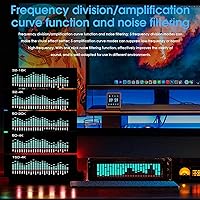
- Frequency Response: The spectrum analysis covers a standard audio range from 20Hz up to 20kHz.
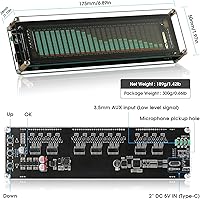
- Audio Input Options: Input signals can be captured via a 3.5mm AUX line-in or through the built-in ambient microphone.
- Clock Precision: An internal SD3078 crystal oscillator maintains time accuracy within ±3.8ppm, or roughly 10 seconds per month.
- Power Requirements: The device operates on a standard 5V DC power supply via a USB connection.
- Physical Dimensions: The outer chassis measures approximately 175mm x 28mm x 50mm (6.89″ x 1.10″ x 1.97″).
- Net Weight: The analyzer itself weighs 189g (roughly 0.42lb) without the packaging.
- Brightness Settings: Users can choose from seven different brightness levels to match their environment.
- Display Modes: The software supports five distinct music spectrum modes and five varied clock display modes.
- Output Profiles: The device includes three level modes and two smooth output options to adjust visual responsiveness.
- Customization Parameters: Adjustable settings include main light column falling speed and peak holding/falling times.
- Memory Function: An integrated power-off memory saves all user configurations automatically when power is removed.
- Amplification Curves: Five different amplification curve modes are available to optimize visualization across various signal levels.
Related Reviews
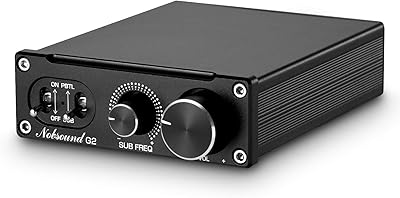
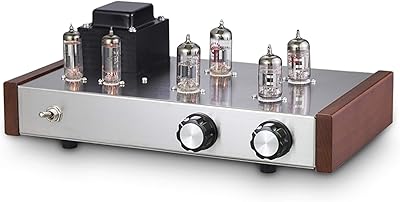
Nobsound DJ417F
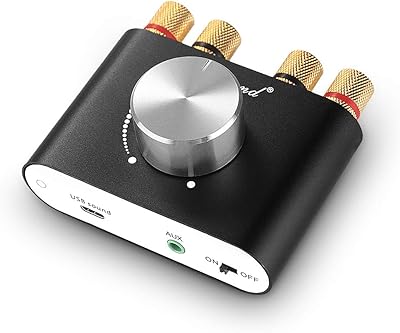
Nobsound NS-01G PRO
Nobsound NS-03G