



Overview

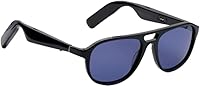
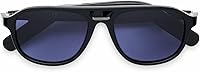
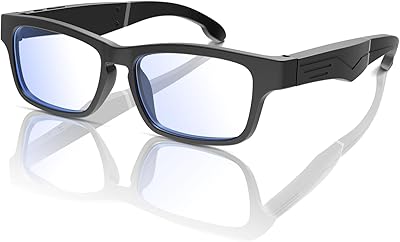
The Nautica Commander Smart Sunglasses are a wearable tech product made by Lucyd, a company quietly building a lineup of audio eyewear under established fashion labels. The category itself — glasses with built-in speakers — has been growing for a few years, with Bose Frames and Ray-Ban Meta setting early benchmarks. These smart shades sit at a more accessible price point than either of those, and the pitch is straightforward: polarized sun protection plus wireless audio, all without stuffing anything in your ears. Available in black and navy blue, the design is unisex. Be clear-eyed going in, though — this is a lifestyle accessory, not a substitute for a quality pair of headphones.

Features & Benefits

The open-ear speaker design is really the defining feature here. Unlike earbuds, the speakers sit just in front of your ears, letting ambient sound through — meaning you can hear traffic, conversations, or announcements while still enjoying music. It is a genuine advantage for walkers and cyclists, though the trade-off is that audio leaks noticeably in quiet rooms. Battery life is a real highlight: up to 12 hours on a single charge is genuinely competitive for this category. Button controls on each temple handle playback, volume, calls, and voice assistant activation without fumbling for your phone. The UV400 polarized lenses cut glare effectively, and the lightweight frame stays comfortable across a long day.

Best For

The Commander glasses make the most sense for people whose daily life takes them outside — commuters, cyclists, beach regulars, anyone who spends meaningful time in the sun. The open-ear audio is a genuine fit for those who cannot afford to lose track of what is happening around them. Frequent phone callers who want a hands-free option without wearing a visible headset will appreciate the microphone setup. Aesthetically, these read more like regular sunglasses than a sci-fi gadget, which matters if you care about looking normal at a coffee shop or on a trail. They work best as a single-carry solution — one item replacing both your shades and your earbuds. Not ideal for anyone expecting studio-quality sound.

User Feedback

Owners of this audio eyewear most frequently praise the all-day comfort — even after hours of wear, the frame rarely becomes a nuisance — and the battery genuinely holds up through a workday. Pairing with a phone is consistently described as quick and hassle-free. On the other side, several buyers note that audio bleeds noticeably in quiet environments, which can be awkward in offices or on public transit. Call quality outdoors gets mixed marks: it holds up reasonably well in moderate wind but degrades in noisy conditions. A few users also mention that the fit suits some face shapes better than others, and opinions on whether the Nautica name adds real value at this price point are divided.

Pros

  • Up to 12 hours of battery on a single charge easily covers a full outdoor workday without hunting for a cable.
  • The open-ear design keeps you aware of traffic, voices, and surroundings while music or podcasts play.
  • Polarized UV400 lenses deliver genuine glare reduction and sun protection, not just cosmetic tinting.
  • Temple button controls handle calls, track skipping, and volume adjustments without ever pulling out your phone.
  • The lightweight frame stays comfortable through hours of wear without creating noticeable pressure points.
  • Bluetooth pairing is consistently reported by buyers as fast, stable, and hassle-free across devices.
  • Dual noise-cancelling microphones perform competently for calls in moderate outdoor conditions.
  • The frame design reads as normal eyewear in everyday settings rather than an obvious piece of tech gear.
  • The rechargeable Li-Ion battery is included out of the box with no need for disposable cells.
  • Unisex styling and two colorway options make these smart shades a practical choice for a broad range of buyers.

Cons

  • Audio quality noticeably trails even budget earbuds, with limited bass response and reduced overall clarity.
  • Sound bleeds out to people nearby in quiet spaces, making these awkward in offices or on transit.
  • Call quality degrades meaningfully in high wind or heavy ambient noise, limiting outdoor reliability.
  • Frame sizing is fixed with no adjustable fit options, so face shape compatibility is genuinely hit or miss.
  • No prescription lens compatibility is mentioned, which excludes a significant portion of potential buyers outright.
  • The Nautica Commander Smart Sunglasses carry a brand premium that does not necessarily translate into better hardware over Lucyd's own-label alternatives.
  • Long-term hinge and frame durability over months of daily use remains a recurring question among buyers.
  • Temple button controls have a short learning curve and can trigger the wrong function during early use.

Ratings

Our AI-generated scores for the Nautica Commander Smart Sunglasses are built from a rigorous analysis of verified global buyer reviews, with automated filters applied to remove incentivized, duplicate, and bot-generated feedback. The ratings honestly reflect both the strengths that earn consistent praise and the recurring pain points that surface independently across real buyer accounts. No category has been inflated — each score corresponds directly to how this audio eyewear actually performs in everyday use, not what the product claims on the box.

Audio Quality
62%
38%
For an open-ear form factor, the Commander glasses produce enough volume to enjoy music on a commute or a walk in the park. Buyers who come in expecting casual listening rather than audiophile output tend to be satisfied, particularly for podcasts and spoken-word content where the absence of deep bass is less noticeable.
Bass response is noticeably thin compared to even budget earbuds, and the open-ear design means sound quality fluctuates significantly with wind and ambient noise. In busy urban environments or on a loud transit ride, users often find themselves pushing the volume to its ceiling just to hear their audio clearly.
Battery Life
84%
The 12-hour rated battery is one of the most consistently praised aspects of these smart shades, with buyers regularly confirming it covers a full workday of mixed music and call use. For commuters and outdoor workers, not having to recharge mid-afternoon is a practical advantage that several competing smart glasses cannot reliably match.
Charging time details are not officially specified, which leaves buyers uncertain about how long a full recharge takes — a frustrating gap in product transparency. A number of buyers also note that battery performance dips in cold outdoor temperatures, which is worth factoring in for winter or early-morning use.
Comfort & Fit
76%
24%
Buyers who find a compatible fit report that the frame effectively disappears during extended wear — they forget it is on during a full morning commute or a several-hour hike. The lightweight construction clearly reflects optical design input and avoids the nose and ear pressure that heavier tech-forward eyewear often creates.
Fit consistency is a recurring issue — users with narrower or wider-than-average face shapes frequently report that the frame slides or grips uncomfortably. There are no adjustable nose pads or flexible temple tips mentioned, which limits how much a buyer can personalize the fit after the glasses arrive.
Lens Quality
83%
The UV400 polarized lenses are consistently appreciated by buyers who use these smart shades in genuinely bright conditions — driving, beach days, or spending time near reflective water. Optical clarity is described as clean and undistorted, which is not always guaranteed at this price tier for electronics-integrated eyewear.
The fixed tinted lenses limit these glasses to outdoor daytime use, making them impractical in low-light or indoor settings where tinted lenses become a nuisance. No prescription or photochromic option is offered, which is a meaningful exclusion for the significant share of buyers who require vision correction.
Value for Money
67%
33%
For buyers prioritizing all-in-one convenience — sunglasses and wireless audio in a single carry — the price represents a reasonable middle ground compared to premium competitors like Bose Frames. The 12-hour battery and included rechargeable hardware mean there are no immediate additional costs after purchase, which helps the value case for casual lifestyle users.
Savvy buyers who research Lucyd's own-label product range will notice that near-identical hardware is often available at a lower price without the Nautica name attached — making the brand premium feel largely cosmetic. For buyers who prioritize performance over fashion credibility, the value proposition weakens once that comparison is made.
Build Quality
73%
27%
Day-to-day handling feels adequately solid, with hinges and frame construction holding up acceptably through the regular wear-and-stow cycle most buyers put them through. Buyers who treat them with reasonable care report no structural problems in the short-to-medium term, and the material quality is appropriate for the price tier.
Long-term durability is a consistent question in buyer feedback, with some users noting hinge loosening and surface wear after several months of daily use. Water resistance is not specified for this model, which is a notable concern for buyers who plan to wear these in rain, high humidity, or during active outdoor activities.
Ease of Use
81%
19%
The physical button controls on each temple keep interactions simple and intuitive — answering a call or skipping a track while cycling does not require looking at a screen or pulling out a phone. Most buyers settle comfortably into the control layout within the first day or two of regular use.
Some buyers report an early learning curve where button placement on the temples leads to accidental presses, particularly triggering the voice assistant or pausing playback unintentionally when adjusting the frame. No companion app is confirmed in the product listing, so customizing or remapping button functions is not available.
Connectivity
86%
Bluetooth pairing is one of the clearest wins in buyer feedback — initial setup is fast and trouble-free, and automatic reconnection to the last paired device works reliably without manual intervention each time the glasses are put on. Range performance in typical daily use is consistently described as stable.
Multi-device pairing support is not confirmed in the product documentation, which can be limiting for users who regularly switch between a phone and a laptop. A small number of buyers also report occasional audio dropout when the connected device is more than a few meters away in environments with Bluetooth congestion.
Design & Aesthetics
77%
23%
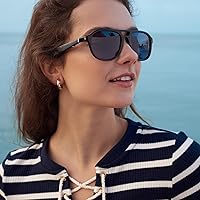
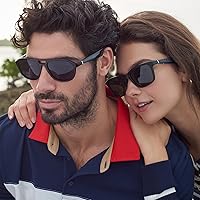
The Commander glasses manage to pass as a normal pair of sunglasses rather than an obvious wearable tech device, which matters to buyers who want audio gear that blends in at the beach, on a trail, or in a cafe. The two colorways are clean and versatile enough for everyday outdoor wear.
The temple arms are noticeably thicker than those on a standard frame due to the integrated electronics, which some buyers find visually apparent and slightly awkward at close range. The overall design is functional rather than fashion-forward, and buyers expecting a style statement on the level of Ray-Ban Meta may be underwhelmed.
Situational Awareness
88%
This is arguably the most differentiated practical advantage of open-ear audio eyewear — commuters, cyclists, and runners can stay aware of traffic and surroundings while keeping music or calls going. Buyers who specifically switched away from earbuds to regain ambient awareness consistently rate this aspect of the experience very highly.
The same open-ear design that enables situational awareness makes it nearly impossible to maintain acceptable audio volume in truly loud environments — construction zones, busy train platforms, or fast roads — where ambient noise overwhelms the speakers entirely. In those conditions, the glasses offer very limited audio utility.
Call Performance
69%
31%
In calm indoor settings or mild outdoor conditions, the dual noise-cancelling microphones deliver clear enough voice pickup that callers on the other end typically do not report problems. For everyday phone calls during a walk in a quiet area, the hands-free experience is workable and convenient.
Wind interference is the most frequently cited microphone complaint — even a moderate breeze causes audible rustling that noticeably degrades the audio reaching the caller. Buyers who take frequent calls in high-traffic or breezy outdoor environments report that the noise cancellation is not robust enough to fully compensate.
Voice Assistant
74%
26%
The temple button reliably triggers Siri, Google Assistant, or any active voice assistant on the paired device, which is genuinely practical for setting navigation, sending messages, or checking weather without slowing down mid-commute. The integration works as advertised and requires no additional app or configuration to activate.
The integration is limited to a single button press — there is no wake-word detection, always-on listening, or deeper configurability, keeping this feature at a basic tier compared to dedicated smart audio wearables. When the microphone struggles in wind, voice recognition accuracy also drops proportionally, compounding the limitation.
Portability
82%
18%
As a glasses-form-factor device, the Commander glasses are inherently easy to carry — no bulky charging case, no separate audio device, no extra cables to remember. Buyers appreciate that putting them on each morning is all it takes to have both sun protection and wireless audio ready simultaneously.
Unlike earbuds that slip into a compact pocket case, smart glasses require more deliberate storage to avoid lens scratches or hinge stress during transport in a bag. No protective case is confirmed as included in the box, which is a notable gap for buyers who commute with their gear packed alongside other items.
Setup & Compatibility
85%
Getting this audio eyewear connected to a phone is a straightforward out-of-the-box experience — power on, pair via Bluetooth, and the glasses are ready in under two minutes. The process is consistent across both Android and iOS without any proprietary app required, which buyers regularly highlight as a welcome simplicity.
The absence of a companion app means there is no way to adjust EQ settings, customize button functions, or check battery status from a phone — features that competing smart glasses at comparable price points do offer. Buyers who want a more configurable audio experience will find the software side of this product quite bare.

Suitable for:

The Nautica Commander Smart Sunglasses are built for people who spend a meaningful chunk of their day outdoors and want audio and eye protection handled by a single wearable. Commuters who walk or cycle to work will find the open-ear design especially practical — you keep full awareness of traffic and surroundings while still having music or a podcast in the mix. Outdoor regulars like hikers, beach-goers, and casual joggers get solid UV400 polarized protection alongside Bluetooth audio without juggling a separate pair of earbuds. The 12-hour battery makes these a genuinely all-day companion, so you are not hunting for a charge mid-afternoon. Anyone who takes frequent calls on the go will appreciate the hands-free setup, which keeps the phone in your pocket while the dual microphones do the work. If you want tech that blends in and does not look like a gadget strapped to your face, the Commander glasses pass the casual-wear test reasonably well.

Not suitable for:

The Nautica Commander Smart Sunglasses are the wrong pick if audio quality is your top priority — open-ear speakers simply cannot match the bass response or clarity of a decent pair of earbuds, let alone over-ear headphones, and anyone expecting otherwise will be disappointed. People who work in loud environments, open offices, or busy transit will quickly find that audio leaks in both directions: sound bleeds out to those around you, and background noise floods in because nothing seals the ear canal. Buyers with narrower or wider face profiles may also struggle with fit, since the frame sizing is fixed and no adjustable nose pads are described. If you wear prescription lenses, these smart shades offer no solution, as they come only in a fixed polarized tint with no prescription-compatible option. Anyone scrutinizing value closely should also research the Lucyd ecosystem — the Nautica branding adds fashion credibility, but not necessarily better hardware performance over Lucyd's own-label models at a lower price.

Specifications

  • Manufacturer: Designed and produced by Lucyd and sold under the Nautica brand, with the official item model number LCD007-10.
  • Dimensions: The frame measures 5.91 x 5.71 x 0.75 inches, consistent with a standard full-size sunglass silhouette.
  • Weight: Listed item weight is 11.2 oz, as specified by the manufacturer for this model.
  • Audio Output: Open-ear speakers are built into each temple arm, positioning sound just forward of the ear canal without sealing it.
  • Microphone: Dual noise-cancelling microphones are integrated into the frame for hands-free call handling.
  • Battery Life: Rated for up to 12 hours of continuous music playback or talk time on a single full charge.
  • Battery Type: Powered by a rechargeable Li-Ion battery that is included with the glasses at purchase.
  • Connectivity: Pairs wirelessly via Bluetooth to smartphones and other compatible devices.
  • Controls: Physical buttons on each temple arm manage playback, volume adjustment, call answering, and voice assistant activation.
  • Lens Protection: Lenses are polarized with UV400 protection, blocking both UVA and UVB rays while reducing reflected surface glare.
  • Colorways: Available in two colorway options: Black and Navy Blue.
  • Fit: The frame follows a unisex silhouette intended to suit a broad range of face shapes and sizes.
  • Voice Assistant: A temple button activates the paired device's native voice assistant, such as Siri or Google Assistant, without opening the phone.
  • Power Source: The integrated rechargeable Li-Ion battery is included in the box; no additional batteries are required at purchase.
  • Launch Date: First made available for purchase in January 2024.

Related Reviews
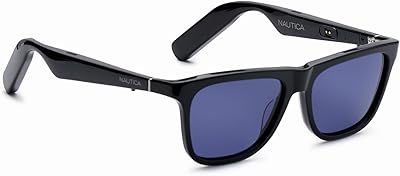
Nautica Admiral Smart Sunglasses
83%
88%
Comfort and Fit
84%
Sound Quality
91%
Battery Life
80%
Ease of Use (Touch Controls)
90%
Polarization and Visual Clarity
More
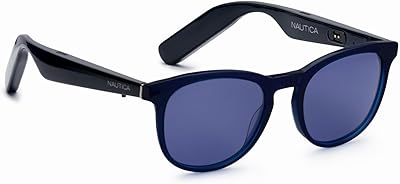
Nautica Tailwind Smart Sunglasses
76%
88%
Wearing Comfort
63%
Audio Quality
67%
Call Quality
84%
Lens Quality
74%
Battery Life
More
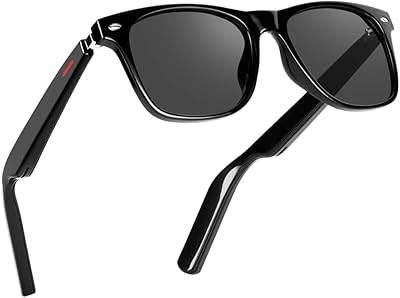
E10-C Smart Glasses Bluetooth Sunglasses
84%
88%
Comfort and Fit
91%
Battery Life
72%
Sound Quality
85%
Ease of Use
80%
Build Quality
More
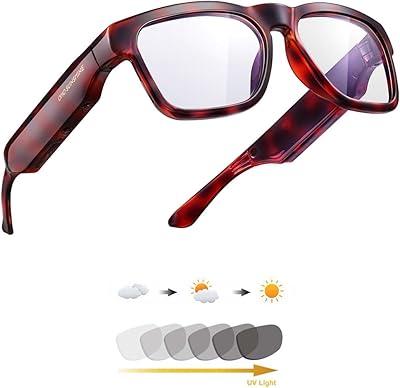
OhO M31 128G Bluetooth Smart Sunglasses
76%
71%
Audio Clarity
88%
Lens Transition
74%
Battery Life
78%
Bluetooth Stability
62%
Microphone Quality
More
aaboRing Smart Ring
aaboRing Smart Ring
85%
88%
Heart Rate Monitoring
91%
Sleep Tracking Accuracy
92%
Build Quality (Titanium)
85%
Battery Life
90%
Waterproof Performance
More
Stanley Commander Detangling Hairbrush
78%
88%
Detangling Performance
82%
Frizz Control
86%
Wet Hair Usability
84%
Grip & Handling
77%
Scalp Stimulation
More
MERNEUO Smart Health Fitness Tracker Ring
68%
81%
Value for Money
78%
Build Quality
83%
Comfort & Wearability
54%
Health Sensor Accuracy
67%
Sleep Tracking
More
Kasa Smart KC420WS Outdoor Security Camera

81%
88%
Image Clarity
91%
Night Vision Performance
79%
Motion & Person Detection
86%
Weather & Build Durability
84%
Setup & App Experience
More
Kasa Smart KC400 Indoor Security Camera
79%
88%
Image Quality
71%
Night Vision Performance
84%
Motion & Person Detection
82%
Sound Detection & Baby Monitoring
81%
App Experience
More
FKGZJF Smart Ring Health Fitness Tracker
73%
88%
Value for Money
82%
Sleep Tracking
91%
Comfort & Wearability
74%
Battery Life
69%
Heart Rate Monitoring
More

FAQ

Pairing works like any standard Bluetooth device. Power the glasses on and hold the button to enter pairing mode, then open your phone's Bluetooth settings and select the glasses from the available device list. Most buyers report the initial connection takes under a minute, and the glasses will reconnect automatically to the same device on subsequent uses.

At moderate volumes in typical outdoor or transit settings, audio leakage is minimal and generally not a problem. In quieter environments — a library, an open-plan office, or a calm waiting room — people seated close to you may pick up some sound. It's worth keeping the volume reasonable in shared spaces, as open-ear speakers by nature do not contain audio the way earbuds do.

In calm or moderately windy outdoor conditions, calls come through clearly enough for comfortable everyday conversations. Heavy wind and very loud ambient environments are where things get more difficult — the dual microphones help, but they cannot fully compensate for intense background noise. Treat the call performance as solid for general daily use rather than a replacement for a dedicated headset in demanding conditions.

No prescription lens option is described for this frame. They come with fixed polarized tinted lenses only, so if you need vision correction you would need to wear contact lenses underneath. If prescription compatibility is essential to you, it is worth looking for smart glasses that specifically advertise Rx insert support before purchasing.

Buyers generally confirm the battery holds up well through a standard workday of mixed use. The 12-hour figure applies to continuous playback, so a combination of music, calls, and idle standby time should comfortably cover most people's daily routine. Exact charging time is not specified in the available product data, so plan for an overnight charge if you are relying on these heavily every day.

That is a fair question to ask, because Lucyd — the actual manufacturer behind these glasses — does sell similar audio eyewear under its own label, often at lower price points. The Nautica version adds the design credibility of an established fashion brand and a specific colorway selection, but the core hardware originates from the same production line. Whether the price difference is justified really comes down to how much the Nautica name and aesthetic matter to you personally.

Yes, Bluetooth connectivity works across both platforms with no special app or setup required. The voice assistant button will trigger whichever assistant is active on your device — Google Assistant on Android or Siri on iPhone — directly from the temple control.

Use a soft microfiber cloth to wipe the lenses, ideally paired with a lens-safe cleaning spray rather than water alone. Avoid paper towels, rough fabrics, or any abrasive material, as these can scratch a polarized coating. For the frame and temple arms, a lightly damp cloth handles dust and skin oils well — just keep moisture away from the speaker grilles and charging port.

Most buyers describe the frame as comfortable during extended wear, with the lightweight construction being a frequently praised point. That said, fit does vary — there are no adjustable nose pads or temple tips mentioned, so people with narrower or wider-than-average face shapes may find the sizing less accommodating than a traditional eyewear fitting. If possible, checking the frame dimensions against glasses you already own and wear comfortably is a useful pre-purchase step.

For lower-intensity outdoor activities, the Commander glasses work well — the open-ear audio keeps you aware of surroundings, the polarized lenses cut glare, and the battery easily outlasts a long ride or hike. For high-intensity sessions, heavy rain, or anything involving a lot of movement that could shift the frame, the case is less clear-cut. Water resistance details are not specified for this model, so it is safest to keep these away from rain and heavy sweat exposure.