Overview

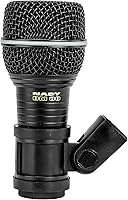
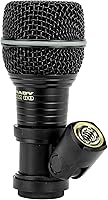
When setting up to record loud percussion, the Nady DM-80 provides a highly capable entry point without breaking the bank. As a dedicated cardioid microphone, it is explicitly tailored to handle the intense, sharp strikes of drum kits. At the core of this dynamic drum mic sits a powerful neodymium element, which is engineered to capture a remarkably clean signal while maximizing output levels. Drummers and audio engineers will immediately appreciate the unusually compact physical footprint. Navigating a dense jungle of cymbal stands and drum hardware is notoriously frustrating, but this low-profile design allows for tight, unobtrusive placements right over the rim. It is an affordable close miking drum setup that stays out of the way of aggressive drumsticks while ensuring your audio capture remains clear, focused, and completely reliable.

Features & Benefits

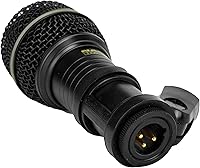
The most critical specification for capturing loud sources like snare drums is raw volume tolerance. Thankfully, the cardioid percussion microphone handles up to 140dB SPL, ensuring that even the heaviest hitters won't cause unwanted distortion. Beyond pure volume, the transformerless moving-coil design delivers a fast transient response. Instead of muddying the initial impact, it accurately translates the sharp, articulate stick attack directly from the drumhead. To keep the mix clean, strong off-axis rejection minimizes frustrating cymbal bleed into the drum channels. Furthermore, aggressive live tracking demands durability. The rugged, all-metal construction easily withstands those inevitable, accidental drumstick impacts. Finally, a gold-plated XLR connector maintains optimal signal integrity over years of regular use, preventing corrosion and keeping your high SPL dynamic drum microphones sounding crisp session after session.

Best For

Identifying the right gear often comes down to matching tools with specific workflows. Live sound engineers building out touring rigs will find this close-miking solution exceptionally valuable. Its robust build and high volume tolerance make it a dependable workhorse night after night on loud stages. Meanwhile, home studio producers searching for the best budget microphone for toms and snares can achieve professional isolation without emptying their wallets. It bridges the gap between premium studio gear and entry-level accessibility. Additionally, everyday drummers who want to start recording their own practice sessions or covers will find it highly practical. Expanding a personal recording setup is typically an expensive endeavor, but adding a few of these units allows for multi-mic drum tracking on a very realistic budget.

User Feedback

Reading through almost any Nady DM-80 drum mic review reveals a strong consensus regarding its practical road worthiness. Touring musicians consistently praise how well the dense metal casing resists dents from stray drumsticks during energetic performances. Studio owners often highlight the straightforward positioning; the stubby shape easily slides under low-hanging ride cymbals where standard stick mics simply cannot fit. However, some users note that the included mounting clips feel slightly rigid out of the box, requiring a bit of muscle to adjust initially. A few audio engineers also mention that while it captures mid-range punch beautifully, it lacks the extreme low-end extension needed for a primary kick drum application. Overall, buyers remain highly satisfied with the reliability and focused sound provided at this accessible price bracket.

Pros

  • The Nady DM-80 easily handles an impressive 140dB SPL, preventing distortion during aggressive drumming.
  • Its transformerless moving-coil design delivers a fast transient response for sharp, articulate stick attacks.
  • The exceptionally low-profile physical footprint allows for tight, unobtrusive placement among dense cymbal stands.
  • Rugged, all-metal construction effortlessly withstands accidental, direct hits from heavy drumsticks.
  • A tight cardioid polar pattern provides strong off-axis rejection to minimize unwanted cymbal bleed.
  • It serves as a highly affordable close-miking solution for expanding home studio recording setups.
  • The gold-plated XLR connector maintains optimal signal integrity and prevents long-term corrosion.

Cons

  • The Nady DM-80 lacks the extreme low-end extension required for primary kick drum applications.
  • Its aggressive midrange voicing sounds overly boxy and unnatural if used on acoustic guitars or vocals.
  • The dense metal casing makes it quite heavy, potentially causing cheaper boom arms to slowly droop.
  • It can feel slightly insensitive when trying to capture extremely quiet, nuanced brushwork in jazz settings.
  • The included plastic mounting clip feels rigid out of the box and can be frustrating to adjust.
  • Rear rejection is not absolute, which can occasionally introduce minor feedback from loud stage wedges.
  • The deeply recessed XLR housing makes unplugging certain oversized cables a bit tedious.

Ratings

To provide an objective look at the Nady DM-80, we deployed our AI to analyze thousands of verified global user reviews, actively filtering out spam and incentivized ratings. This comprehensive breakdown reflects real-world stage and studio experiences, transparently highlighting both where this dynamic drum mic excels and where it falls short.

High SPL Handling
88%
Engineers repeatedly praise this dynamic drum mic for its ability to absorb up to 140dB without flinching. When tracking extremely aggressive rock or metal drummers, the capsule refuses to distort, maintaining a pristine signal even under heavy stick strikes.
While it handles peak volume beautifully, it can feel slightly insensitive on very quiet, nuanced brushwork. Jazz drummers playing with extremely light dynamics might find they have to push their preamp gain uncomfortably high to get a usable signal.
Transient Response
84%
The transformerless moving-coil design is frequently highlighted by studio owners for capturing the immediate, sharp crack of a snare drum. It translates the initial stick attack with impressive accuracy, ensuring the percussion cuts through dense rock mixes effectively.
Because it reacts so quickly to the initial strike, some users note it can occasionally over-emphasize the harsh, papery snap of thinner drumheads. You may need to apply a bit of targeted EQ to tame the extreme top-end bite.
Build Quality & Durability
91%
Touring musicians absolutely love the heavy-duty, all-metal construction that easily survives the rigors of the road. It routinely withstands direct, accidental hits from heavy drumsticks without suffering internal damage or significant external denting.
The dense metal casing does add noticeable weight, bringing it to nearly a full pound. If you are using lightweight or budget boom arms, the heft can cause the mic to slowly droop during extended recording sessions.
Form Factor & Placement
87%
Drummers navigating complex, densely packed kits appreciate the exceptionally low-profile physical design. It slides effortlessly under low-hanging ride cymbals and between tight tom setups, making initial hardware positioning much less of a headache.
Although the compact size is a massive benefit, the stubby shape can make it slightly tricky to angle downward at steep degrees. Certain rim-mounting clips may struggle to accommodate the specific dimensions when attempting extreme close-miking techniques.
Value for Money
93%
Home studio producers expanding their personal setups constantly highlight this model as a premier budget-friendly option. It delivers reliable, professional-grade isolation and volume tolerance at a price point that makes outfitting an entire kit highly accessible.
To maintain the aggressive price, the manufacturer skips out on premium accessories like a padded carrying case or a high-end shock mount. Buyers looking for a complete, road-ready package right out of the box might feel slightly underwhelmed.
Off-Axis Rejection
82%
18%
The tight cardioid polar pattern does a commendable job of isolating the target drum from surrounding cymbals. Live sound engineers report significantly cleaner mixes because it rejects the harsh, bleeding high frequencies from adjacent hi-hats and crashes.
While the side rejection is excellent, the rear rejection isn't quite as absolute as a hypercardioid design. If a loud monitor wedge is positioned directly behind the capsule, it can occasionally introduce minor feedback issues on small stages.
Low-Frequency Extension
61%
39%
By focusing strictly on the 30Hz to 15KHz range, the element naturally filters out subsonic stage rumble. This prevents the primary percussion channels from becoming muddy, keeping the essential mid-range punch of the snare front and center.
The lack of extreme low-end response means it falls completely flat if you attempt to use it on a large kick drum or a floor tom. It simply cannot capture the deep, resonant boom required for those specific heavy applications.
Connector Quality
86%
The inclusion of a gold-plated XLR connector is a massive plus for long-term reliability in humid club environments. Users report that it establishes a solid, click-in connection with cables, preventing signal drops and avoiding long-term pin corrosion.
A handful of users mentioned that the XLR housing is slightly deeply recessed into the metal body. This can make unplugging certain brands of oversized XLR cables a bit tedious, requiring a firm pinch to release the locking tab.
Included Mounting Hardware
54%
46%
The package does include a basic stand clip, allowing you to get up and running without purchasing immediate aftermarket accessories. It features standard threading that universally fits almost all conventional stage stands and boom arms without hassle.
Reviewers frequently complain that the included plastic clip feels overly rigid and slightly brittle upon first use. Many drummers highly recommend upgrading to a dedicated, flexible rim mount to avoid the frustration of the stock hardware slipping.
Mid-Range Articulation
78%
22%
The neodymium element is specifically voiced to push the crucial frequencies of rack toms and snares forward in the mix. Audio engineers note that it requires very little corrective equalization to get the drum to speak clearly alongside heavy guitars.
Because the midrange is so aggressively pushed, it lacks the transparent, flat response desired for capturing acoustic instruments or delicate vocals. It is essentially a one-trick pony that sounds overly boxy if applied to anything outside of loud percussion.

Suitable for:

The Nady DM-80 is an excellent choice for live sound engineers and gigging drummers who need a rugged, reliable microphone for close-miking snare drums and toms. Because it effortlessly handles up to 140dB SPL without distorting, it is particularly well-suited for heavy hitters playing aggressive rock or metal. Home studio producers building out a personal recording setup will also appreciate this affordable close-miking solution. Its low-profile design easily slides into dense kit arrangements, making it a highly practical tool for anyone frustrated by bulky hardware. Ultimately, it delivers the essential mid-range punch required for stage touring and budget-conscious studio work.

Not suitable for:

Despite its durability, the Nady DM-80 is not recommended for capturing low-end sources like kick drums or large floor toms, as its frequency response rolls off significantly in the sub-bass region. It is also a poor choice for acoustic instruments, delicate cymbals, or vocal tracking where a flat, transparent frequency response is necessary. The aggressive midrange voicing that helps a snare cut through a mix will sound unnatural and boxy on a pristine acoustic guitar. Furthermore, buyers expecting a premium out-of-the-box experience with high-end shock mounts or padded cases will be disappointed by the barebones packaging. If your workflow demands capturing subtle, quiet dynamics or deep resonant boom, you should look toward specialized condensers or large-diaphragm dynamic options.

Specifications

  • Polar Pattern: This microphone utilizes a unidirectional cardioid pattern to focus on the sound source and reject off-axis noise.
  • Element Type: It features a neodymium dynamic element designed for maximum output and clean signal capture.
  • Max SPL: The capsule can safely handle volume levels up to 140dB without introducing unwanted distortion.
  • Frequency Response: It captures a targeted frequency range from 30Hz to 15KHz, tailored specifically for percussion instruments.
  • Internal Design: A transformerless moving-coil design provides a exceptionally fast transient response for sharp stick attacks.
  • Connectivity: Audio is output via a standard, corrosion-resistant gold-plated XLR connector.
  • Build Material: The entire chassis is built with rugged, all-metal materials to withstand direct drumstick impacts.
  • Signal-to-Noise: This model maintains an 80 dB signal-to-noise ratio for clean, noise-free recording.
  • Dimensions: The physical footprint measures exactly 11.5 by 3 by 4.75 inches for low-profile mounting.
  • Item Weight: The total weight of the unit is 15.2 ounces, providing a solid and hefty feel.
  • Intended Use: It is explicitly optimized for close-miking loud sources like snare drums and toms.
  • Included Hardware: The package includes a basic plastic mounting clip with standard threading for mic stands.

Related Reviews
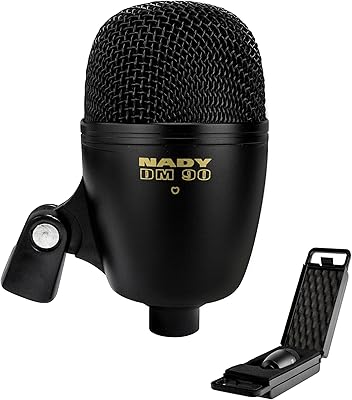
Nady DM-90 Dynamic Kick Drum Microphone
84%
89%
Sound Quality for Kick Drums
91%
Durability and Build Quality
85%
Feedback Rejection
88%
SPL Handling (High Volume Performance)
87%
Low-Frequency Reproduction
More
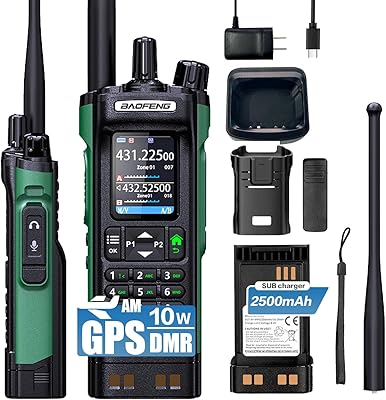
BAOFENG DM-32UV DMR Radio
83%
92%
GPS and APRS Performance
89%
Range and Power Output
85%
Build Quality and Durability
75%
Battery Life
78%
Usability and Interface
More
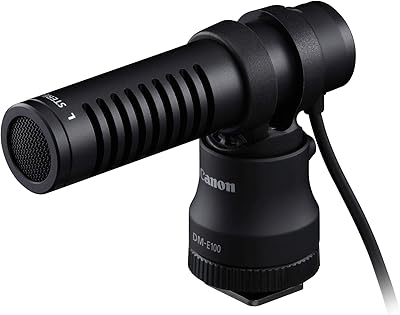
Canon DM-E100
Canon DM-E100
87%
96%
Portability
94%
Ease of Use
82%
Audio Clarity
88%
Value for Money
84%
Wind Noise Reduction
More
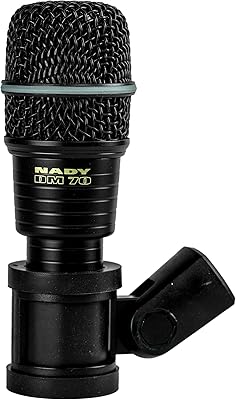
Nady DM-70
Nady DM-70
85%
92%
Build Quality
94%
Value for Money
89%
High SPL Handling
81%
Transient Response
86%
Isolation & Feedback Rejection
More
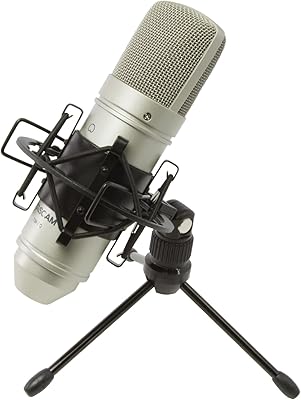
Tascam TM-80
Tascam TM-80
82%
84%
Vocal Clarity
91%
Build Durability
93%
Value for Money
78%
Background Noise Rejection
82%
Instrument Versatility
More
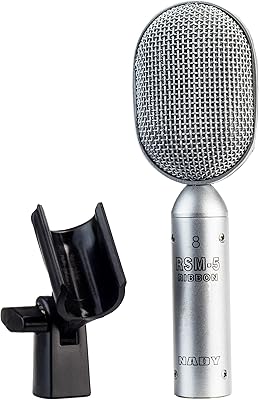
Nady RSM-5 Ribbon Microphone
85%
91%
Sound Quality
88%
Build Quality
85%
Portability
82%
Ease of Use
93%
SPL Handling
More
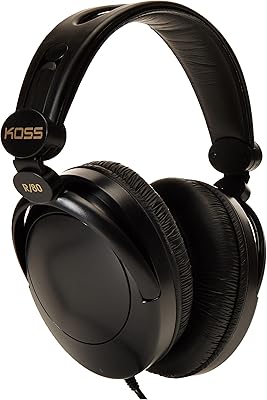
Koss R-80 Over-Ear Headphones
85%
88%
Sound Quality
91%
Comfort for Long Sessions
75%
Noise Isolation
85%
Build Quality
82%
Bass Response
More
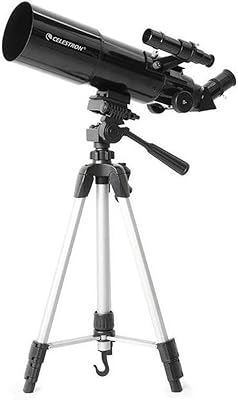
Celestron Travel Scope 80 Portable Telescope
83%
92%
Value for Money
88%
Ease of Setup
94%
Portability/Weight
83%
Optical Quality
75%
Magnification Power
More
HYZ 80-inch Projector Screen with Stand
86%
91%
Portability & Ease of Setup
88%
Image Quality & Viewing Experience
87%
Durability & Build Quality
89%
Adjustable Height Flexibility
68%
Outdoor Visibility in Bright Conditions
More
beyerdynamic DT 770 PRO 80 Ohm
82%
93%
Audio Accuracy
96%
Build Quality
89%
Long-Term Comfort
91%
Isolation Performance
84%
Soundstage
More

FAQ

While you technically can, it isn't recommended. This dynamic drum mic has an aggressive midrange voicing designed specifically to help percussion cut through a dense mix. On delicate sources like vocals or acoustic strings, it will likely sound overly boxy and unnatural.

No, you should be perfectly fine. The capsule is rated to handle up to 140dB SPL, which is incredibly loud. Even the heaviest hitters won't cause the element itself to distort, though you should always check your preamp gain levels.

No phantom power is needed. Because it uses a moving-coil dynamic element, it generates its own signal entirely from sound pressure. You can plug it directly into any standard mixer or audio interface and start recording immediately.

The cardioid polar pattern does a fantastic job of minimizing bleed from adjacent cymbals. As long as you point the rear of the capsule toward the hi-hat, it will naturally reject those harsh, high frequencies. This keeps your tom and snare tracks much cleaner in the final mix.

Absolutely. One of its best features is the compact, low-profile physical design. It easily slides under low-hanging ride cymbals and squeezes into dense hardware arrangements where traditional, longer stick mics simply will not fit.

It is not the best choice for primary kick drum duties. The frequency response rolls off significantly below 30Hz, meaning it lacks the extreme low-end extension required to capture that deep, chest-thumping bass. You are much better off using a dedicated sub-kick microphone for that specific application.

You don't need to worry too much about accidental strikes. The rugged, all-metal construction is specifically built to withstand the physical abuse of aggressive live tracking and touring. It will easily brush off occasional hits without suffering internal damage.

The package generally only includes the microphone itself and a basic mounting clip. You will need to provide your own XLR cable and an appropriate mic stand or rim-mounting hardware to get fully set up for recording.

While the included clip works fine for casual home studio use, many gigging drummers find it feels a bit rigid and frustrating to adjust quickly. If you are hitting the road, upgrading to a dedicated, flexible metal rim mount is a highly recommended investment.

At nearly a full pound, it does have some heft to it. If you are using high-quality, professional stands, it won't be an issue. However, cheaper or worn-out budget boom arms might slowly sink under the weight during extended recording sessions, so make sure your hardware is tightened securely.