Overview

The MXL FR-355K Dual Lavalier Interview Kit is a two-microphone clip-on solution built around a straightforward idea: give field recorders and interviewers both polar patterns in a single purchase. One mic is omni-directional, the other cardioid — and that pairing covers most real-world recording situations without hunting for compatible lavs separately. Both connect via XLR, which means professional-grade signal routing rather than consumer workarounds. MXL is the budget-friendly arm of Marshall Electronics, a brand with decades in pro audio, so there is legitimate pedigree here. Just know going in: this is a wired kit, best suited to controlled or semi-controlled environments, not run-and-gun chaos.

Features & Benefits

Each mic in the FR-355K combo houses a 13mm capsule — the omni version picks up sound from every direction, which works well when two people are sitting across from each other and you want natural room presence. The cardioid mic narrows the focus to whatever is directly in front, cutting down on ambient noise. Practically, that means you can choose the right tool depending on the environment without swapping kits entirely. Both run via XLR to standard mixers, audio interfaces, or portable field recorders. The whole kit weighs just half a pound, so neither mic adds noticeable bulk to a shirt collar or jacket lapel during a long shoot.

Best For

This dual-lav kit makes the most sense for people who already own an XLR-compatible recorder or interface — think journalists doing sit-down field interviews, documentary crews capturing a host and a subject simultaneously, or podcasters who prefer wired reliability over wireless risk. Film students on tight budgets will appreciate getting two different polar patterns without buying separate lavs. Event videographers sometimes keep a wired kit like this as a backup when wireless frequencies get crowded. Keep in mind: you will need your own recorder or interface, and likely some additional clips or windscreens. It is not a plug-and-play solution for complete beginners.

User Feedback

With 50 ratings averaging 3.9 out of 5, this interview mic set lands in honest, middle-ground territory — not universally loved, but clearly useful for the right buyer. The most consistent praise centers on the value of having both polar patterns in one kit without piecing together a mismatched pair. The omni mic tends to get better marks in practice; the cardioid draws occasional complaints about off-axis coloration and sensitivity. Longer-term users raise fair concerns about cable durability, and a few note the kit ships with minimal documentation. Buyers expecting broadcast-quality output will be disappointed, but those using solid preamps in this tier generally walk away satisfied.

Pros

  • Includes both an omni and a cardioid lavalier in one kit, covering a wide range of recording situations.
  • XLR connectivity plays well with professional mixers, interfaces, and portable field recorders.
  • Having two matched lavs from the same manufacturer avoids tonal mismatches between subjects.
  • The total kit weight of half a pound means neither mic feels burdensome during extended shoots.
  • MXL has genuine pro-audio heritage through Marshall Electronics, giving the brand credible standing.
  • The omni mic in particular earns consistent positive marks from real-world users for natural pickup.
  • A solid entry point for dual-lav recording without committing to premium pricing.
  • Signal routing stays simple since each mic runs a clean, single-channel XLR output.

Cons

  • Cable durability has been flagged by longer-term users as a weak point that can become a problem on repeat shoots.
  • The cardioid mic receives notably more mixed feedback than the omni in real-world tests.
  • No interface, recorder, clips, or windscreens are included, so out-of-pocket costs run higher than the kit price alone.
  • Documentation in the box is minimal, which can frustrate buyers who are new to XLR workflows.
  • The omni pattern is not ideal in noisy environments where isolation from background sound actually matters.
  • With only 50 ratings, the sample size is small enough that the average score may not reflect a wide range of use cases.
  • Wired XLR lavs simply do not work for mobile or single-operator shoots where cable management is impractical.
  • Buyers stepping up from consumer audio gear may find the learning curve steeper than expected without guidance.

Ratings

The MXL FR-355K Dual Lavalier Interview Kit has been scored by our AI rating system after analyzing verified global user reviews, with spam, bot-generated, and incentivized feedback actively filtered out. Scores reflect a candid synthesis of what real buyers experienced across varied use cases — from solo field journalists to classroom educators — capturing both what works and where the kit genuinely falls short. Both the strengths and the friction points are weighted transparently so you can make a confident buying decision.

Value for Money
78%
22%
For buyers who need two polar patterns covered without spending premium-tier money, this dual-lav kit delivers a genuinely useful combination at an accessible price point. Getting a matched omni and cardioid from the same manufacturer in a single purchase removes the guesswork of sourcing compatible lavs separately.
Once you factor in the cost of a compatible XLR interface or recorder plus additional accessories like clips and windscreens, the total outlay climbs noticeably. Buyers on the tightest budgets may find the effective entry cost higher than the kit price alone suggests.
Audio Quality
67%
33%
The omni-directional mic earns consistent praise for capturing natural, clear sound in controlled environments — sit-down interviews and indoor podcast recordings in particular. Users working with decent preamps report clean, usable audio that holds up well for web video and podcast delivery.
The cardioid mic draws more mixed reactions, with several users noting off-axis coloration that can make sound sources slightly to the side feel thin or uneven. This kit does not reach broadcast or studio-grade fidelity, and that gap becomes more apparent when placed next to higher-priced alternatives.
Build Quality
54%
46%
The mic bodies themselves feel reasonably solid for the price tier, and the clip-on housings are compact enough to stay discreet under most shooting conditions. Short-term users generally report no immediate structural issues with either mic unit.
Cable durability is the most consistently raised concern in longer-term user feedback — repeated coiling, transport, and location use accelerates wear in a way that raises reliability questions for working professionals. A few users reported cable failures sooner than expected, which is a real consideration for anyone planning to use these mics on frequent paid shoots.
Omni Mic Performance
76%
24%
The omni-directional model is the stronger of the two mics in this interview mic set, earning notably better marks from real-world users for picking up natural ambient presence and handling two-person conversations without obvious tonal bias. It performs especially well in quiet indoor environments where directional rejection is not a priority.
In noisier settings the omni pattern becomes a liability, pulling in background hum, air conditioning, and room reflections that a directional mic would largely reject. Users expecting to use it outdoors without a windscreen will likely find wind noise a recurring problem.
Cardioid Mic Performance
58%
42%
When positioned correctly and used in environments with moderate background noise, the cardioid mic does its job of isolating the subject and reducing off-axis pickup. Journalists working in moderately busy environments have found it serviceable as a clip-on directional option.
Off-axis coloration is a recurring complaint — sounds arriving from even slight angles can take on an unnatural quality that requires post-processing to address. The cardioid's performance gap relative to the omni is noticeable enough that several users recommend defaulting to the omni whenever conditions permit.
Ease of Setup
71%
29%
XLR connectivity keeps the signal chain straightforward: plug in, set gain, record. For anyone already comfortable with audio interfaces or field recorders, getting both mics operational takes only a few minutes with no driver installation or pairing sequence required.
For buyers new to XLR workflows, the lack of included documentation makes the initial setup less intuitive than it could be. Without clear guidance on phantom power requirements or gain staging, first-time users may struggle to get clean levels right away.
Compatibility
82%
18%
XLR is the professional audio standard, and these mics work reliably with the full range of compatible gear — Zoom field recorders, Focusrite interfaces, Mackie mixers, and similar devices all handle them without issue. That breadth of compatibility is a genuine practical advantage.
The XLR requirement is also a hard limitation: there is no plug-and-play path to a smartphone, tablet, or DSLR with a 3.5mm input without additional adapters. Buyers who work primarily in consumer or hybrid ecosystems may find the wired XLR format inconvenient.
Portability
73%
27%
At just half a pound for the full kit, neither mic adds meaningful weight to a location bag. Both clip-on housings are compact enough to sit discreetly on a lapel or collar during extended shoots without fatiguing the talent.
The wired XLR format inherently limits mobility compared to wireless lav systems, and cable management becomes a genuine practical issue in anything other than a seated or stationary recording situation. Run-and-gun operators will find the physical tether more restrictive than the weight spec implies.
Polar Pattern Versatility
79%
21%
Bundling an omni and a cardioid in the same kit means buyers can adapt to different recording environments without swapping full systems. That built-in flexibility is one of the most consistently praised aspects of the FR-355K combo by users who work across varied location types.
The versatility benefit only holds if both mics perform at a comparable level, and the performance gap between the omni and cardioid models slightly undermines the pitch. In practice, many users lean on the omni as the primary mic and treat the cardioid as a secondary or situational option.
Accessories Included
41%
59%
The kit ships with the two core microphones, which is the essential deliverable for most buyers who already own clips, cases, and windscreens from previous kit builds.
Buyers expecting a complete out-of-the-box experience will be disappointed — windscreens, replacement clips, a carrying case, and detailed documentation are not reliably included. Several users flagged having to purchase basic accessories separately before the kit was truly field-ready.
Long-Term Reliability
52%
48%
Users who handle the cables carefully and store the mics properly report reasonable longevity for the price tier, with the mic capsules themselves holding up over time in light to moderate use.
Cable integrity over extended use is the clearest long-term risk, and it appears often enough in user feedback to be treated as a known weak point rather than an isolated complaint. Professionals who rely on this interview mic set for regular paid work should have a contingency plan if a cable fails on location.
Documentation & Support
44%
56%
MXL as a brand has an established presence in the pro-audio market, and basic product information is available through their website and third-party audio communities for buyers willing to seek it out.
The in-box documentation is minimal at best, leaving buyers without clear guidance on setup, gain requirements, or phantom power specifications. For users who are newer to XLR recording setups, this absence of guidance is a real friction point that slows the onboarding experience.

Suitable for:

The MXL FR-355K Dual Lavalier Interview Kit was built for the kind of buyer who already has a recorder or audio interface in their kit bag and just needs reliable clip-on mics to cover two subjects at once. Journalists doing sit-down field interviews will find real value in having both an omni and a cardioid pattern available, since conditions change from location to location and flexibility matters. Documentary filmmakers and content creators on measured budgets will appreciate not having to piece together two separate lavs that may not sonically match. Podcasters who record guests in person with a portable mixer or interface will find this combo covers the basics without unnecessary complexity. Film students and educators recording instructional video with a second on-camera subject are also well-served here. Essentially, if you work in a semi-controlled setting, already own the right supporting gear, and need two wired lavs without spending a lot, this kit hits a practical sweet spot.

Not suitable for:

The MXL FR-355K Dual Lavalier Interview Kit is a poor fit for anyone expecting to unbox it and start recording without additional gear, since both mics require an XLR-compatible interface, mixer, or field recorder that is sold separately. Solo run-and-gun shooters who need to move fast in unpredictable environments will likely find wired lavs more of a liability than an asset. Buyers hoping for broadcast-quality or near-studio audio fidelity should look at higher-tier lavalier options, as this kit occupies entry-to-mid-level territory and the cardioid mic in particular has drawn criticism for off-axis coloration. Anyone concerned about long-term durability should factor in user reports about cable wear over time. Wireless-first operators, or those recording in loud, chaotic environments where cable management is impractical, will be better served by a dedicated wireless lav system despite the added cost.

Specifications

  • Microphone Type: Both units in the kit are lavalier (clip-on) microphones designed to be attached to clothing near the speaker.
  • Polar Patterns: The kit includes one omni-directional mic and one cardioid mic, each with a 13mm capsule.
  • Capsule Size: Both microphones use a 13mm capsule, which is a standard size for professional-grade lavalier applications.
  • Connectivity: Both mics terminate in an XLR connector, requiring an XLR-compatible interface, mixer, or field recorder to operate.
  • Channels: Each microphone operates on a single independent channel, keeping signal routing straightforward for two-person recordings.
  • Power Source: The mics are corded electric, relying on phantom power or plug-in power supplied by the connected recording device.
  • Compatible Devices: The kit is compatible with audio mixers, USB and analog audio interfaces, and portable digital field recorders.
  • Kit Weight: The total kit weighs 0.5 pounds, making both mics light enough for comfortable extended wear during long recording sessions.
  • Manufacturer: MXL FR-355K is manufactured by Marshall Electronics, a California-based company with a long history in professional audio equipment.
  • Model Number: The official model designation is MXLFR355K, as listed by the manufacturer Marshall Electronics.
  • Kit Contents: The kit ships with two lavalier microphones: one omni-directional model and one cardioid model.
  • Form Factor: Both microphones use a compact clip-on form factor intended for discrete placement on a lapel, collar, or tie.
  • Connector Type: Both mics use a standard XLR connector, which is the professional audio industry standard for balanced, low-noise signal transmission.
  • First Available: This kit has been available on the market since May 2009, giving it a long track record in the field recording segment.
  • Brand Tier: MXL positions this kit in the entry-to-mid-level professional segment, targeting buyers who need reliable XLR lavs without premium pricing.

Related Reviews
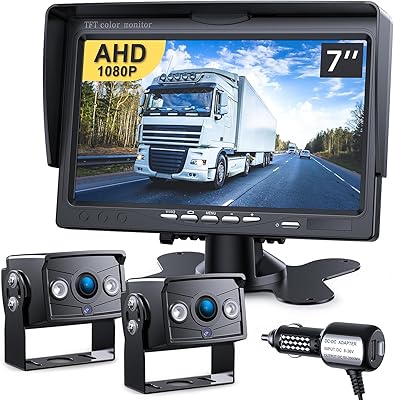
DVKNM TZ102 7″ Dual Backup Camera System
80%
88%
Image Clarity
83%
Night Vision Performance
91%
Ease of Installation
86%
Camera Build & Weatherproofing
67%
Monitor Build Quality
More
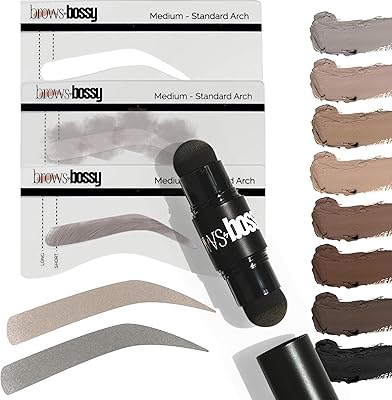
Brows by Bossy Dual-Color Eyebrow Stamp Stencil Kit
86%
93%
Ease of Use
88%
Longevity & Durability
90%
Precision & Shaping
71%
Color Range for Different Hair Tones
95%
Waterproof & Smudge-Proof Performance
More
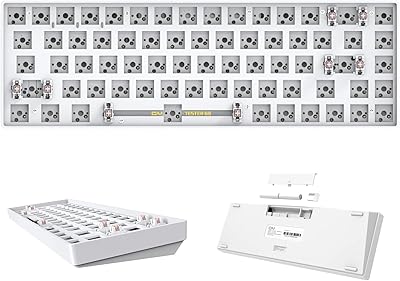
CIY GK68 65% Wireless Hotswap Keyboard Kit
75%
91%
Value for Money
88%
Hot-Swap Performance
74%
Wireless Reliability
71%
Battery Life
67%
Build Quality
More
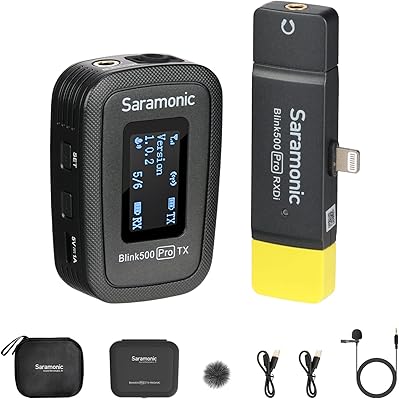
Saramonic Blink500 Pro B3 Wireless Lavalier Microphone
69%
83%
Ease of Setup
67%
Audio Quality
41%
Device Compatibility
44%
App Compatibility
81%
Battery Life
More
Rockville RV8.2A Dual 8″ Car Subwoofer Kit
76%
88%
Value for Money
79%
Bass Output & Impact
91%
Ease of Installation
76%
Amplifier Performance
74%
Build Quality
More
Fookoo II 10-Inch Wired Backup Camera System

78%
83%
Image Clarity (Daytime)
61%
Night Vision Performance
91%
Monitor Screen Size
88%
Waterproofing & Durability
47%
Installation Complexity
More
Convenience Kits International Men & Women Travel Toiletry Kit 2-Pack
76%
88%
Brand Recognition
91%
TSA Compliance
54%
Content Quantity
61%
Pouch Durability
78%
Value for Money
More
ZHXINSD DUBU-4 4-Camera 1TB Wireless Security System
71%
83%
Daytime Image Quality
76%
Night Vision
62%
Zoom Capability
57%
App & Remote Access
79%
Value for Money
More
MXL V250 Condenser Microphone
73%
76%
Vocal Sound Quality
84%
Value for Money
61%
Noise Floor & Sensitivity
67%
Build Quality
81%
Ease of Setup
More
TUBeauty Lash Lift Kit Eyelash Perming Kit
84%
89%
Effectiveness of Lash Lift
86%
Ease of Application
91%
Duration of Results
92%
Suitability for Sensitive Skin
88%
Value for Money
More

FAQ

Yes — both mics use XLR connectors, so you will need a compatible audio interface, mixer, or portable field recorder that accepts XLR inputs. Neither mic can plug directly into a computer or phone without an appropriate adapter or interface in between. Budget for that additional gear before purchasing.

The omni-directional mic picks up sound from all directions, which works well in quiet environments or when two people are sitting close together and natural ambient presence is acceptable. The cardioid mic focuses on sound coming from directly in front of it, rejecting noise from the sides and rear — better for louder or less controlled settings. In practice, most users reach for the omni more often unless background noise is a real problem.

Not directly. The FR-355K combo uses XLR connectors, so you would need an XLR-to-3.5mm adapter or a preamp like a Beachtek or Juicedlink between the mic and your camera. That adds cost and a step to your setup, so if you primarily shoot DSLR run-and-gun, a 3.5mm lav kit might be a simpler fit.

User reports suggest the kit ships with minimal accessories, and several buyers have noted that additional clips or foam windscreens are not reliably included. It is worth budgeting for a set of lavalier clips and small foam windscreens separately, especially if you plan to record outdoors where wind noise is a concern.

As of the latest available information, the manufacturer has not discontinued this kit. That said, it has been on the market since 2009, so availability can be inconsistent through certain retailers. Verify stock before committing to it as a primary tool for a time-sensitive project.

Real-world user feedback suggests the omni mic generally performs better and earns more consistent praise. The cardioid mic has received some criticism for off-axis coloration, meaning sounds coming from the side can sound a bit unnatural. They share the same capsule size, but tonal matching is not perfect — something to factor in if you are recording two subjects and plan to mix their tracks together closely.

Absolutely. Each mic is a standalone unit with its own XLR cable, so there is no dependency between them. Many buyers use the omni for most jobs and keep the cardioid as a backup or for specific noisy environments where directionality helps.

Cable durability is one of the most common pain points raised by users who have owned this interview mic set for an extended period. The cables are not the most robust on the market, and repeated coiling, transport, and outdoor use can accelerate wear. If you are doing frequent location work, handle the cables carefully and consider having spares or a backup mic available.

The manufacturer, Marshall Electronics, typically offers a limited warranty on MXL products, but the terms can vary and are not explicitly detailed in the standard product listing. Contact MXL or the retailer directly at the time of purchase to confirm current warranty coverage before buying.

Yes, it is purely an audio product — specifically, a professional lavalier microphone kit for interviews and field recording. The Amazon category listing appears to be a cataloging error on the platform and has nothing to do with the product itself. You can safely evaluate it as an audio accessory without being thrown by that mislabeling.