Overview

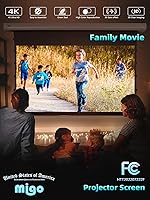
The Migo 120-inch Tab-Tensioned Motorized Projector Screen sits in an interesting spot in the market — premium enough to take seriously, but not so expensive that it competes directly with reference-grade ALR screens. With a 120-inch diagonal in 16:9 format and a soft white surface, it's built for people who want a large, clean image without the complexity of ambient light rejection. Migo is a relatively newer brand, so buyer trust is still being earned. That said, the two features that genuinely matter here — the tab-tension system and the quiet roller motor — are worth examining closely before you decide.
Features & Benefits

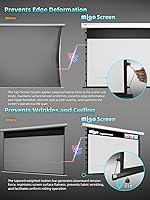
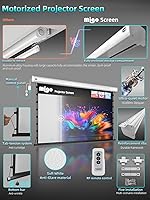
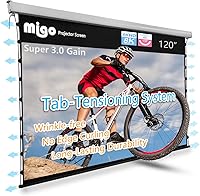
The tab-tension mechanism is the standout feature here. By applying tension across all four edges, the screen surface stays genuinely flat — not just flat enough, but mirror-flat in a way that eliminates the warping and sagging common on budget pull-down screens. The proprietary particle-spray coating delivers a 3.0 gain value, which adds meaningful brightness but works best in a controlled, darkened room — don't expect it to fight ambient light. The FCC-certified roller motor runs quietly, which matters more than people realize in a silent home theater. It also handles standard, short-throw, and ultra-short-throw projectors, and fully supports 4K, HDR, and 3D content.

Best For

This motorized screen makes the most sense for anyone building a dedicated home theater where ceiling height and room layout have already been accounted for. At nearly 40 pounds and over ten feet wide in its housing, installation is not casual — you'll want a second pair of hands and solid ceiling anchors. It's also a smart pick for users pairing it with a short-throw or ultra-short-throw projector, since this tab-tensioned screen handles both without compromise. Offices and classrooms can benefit from the large drop-down format too. Where it falls short is in bright ambient rooms, where a grey ALR surface would serve you better.

User Feedback

Buyers consistently praise surface flatness as the tab-tension system's real-world payoff — something that genuinely sets this screen apart from cheaper pull-down options. Quiet motor operation also gets repeated mention as a pleasant surprise. On the other side, installation is the most common concern; the ceiling mount process demands careful planning around clearance, load capacity, and the fact that the unit weighs close to 40 pounds. Some buyers have flagged unit-to-unit variation, with most arriving in excellent condition but occasional reports of minor surface blemishes. Long-term tension mechanism durability is largely unconfirmed at this stage, which is a fair concern for a newer brand still building its reputation.

Pros

  • Tab-tension system keeps the surface genuinely flat — no sagging, warping, or visible creasing during projection.
  • The quiet roller motor is noticeably less disruptive than budget motorized alternatives, a real advantage in silent viewing rooms.
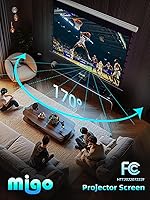
  • Wide 170-degree viewing angle means image quality holds up even for off-center seating positions.
  • Compatible with standard, short-throw, and ultra-short-throw projectors, so it adapts if you upgrade your projector later.
  • Fully supports 4K, HDR, and 3D content without sacrificing brightness at the edges of the screen.
  • Double-layer reinforced packaging with corner protectors means most buyers receive the screen in pristine condition.
  • At 120 inches diagonal, the image size genuinely delivers a cinematic feel in a mid-to-large room.
  • The motorized ceiling mount keeps the screen out of sight when not in use, which matters in multi-purpose rooms.
  • FCC-certified motor adds a layer of reliability assurance that cheaper alternatives typically skip.

Cons

  • Weighs nearly 40 pounds, making solo ceiling installation impractical and potentially risky without proper anchors.
  • The 3.0 gain soft white surface performs poorly in rooms with significant ambient light — it is not designed for that.
  • Migo is a newer brand with limited long-term reliability data, particularly around the tab-tension mechanism over years of use.
  • Some buyers have reported inconsistent quality control, with occasional surface blemishes arriving out of the box.
  • At over ten feet wide in its housing, the unit requires careful ceiling clearance planning before purchase — not an afterthought.
  • Wall or ceiling construction work may be needed depending on your space, adding installation cost and complexity.
  • No built-in ambient light rejection means image contrast can suffer significantly outside a darkened room.
  • Long-term motor durability is still an open question given the brand's relatively short market history since late 2021.

Ratings

The scores below reflect an AI-driven analysis of verified global user reviews for the Migo 120-inch Tab-Tensioned Motorized Projector Screen, with spam, bot activity, and incentivized feedback actively filtered out to ensure accuracy. Both the genuine strengths and the recurring pain points are represented transparently — no score has been inflated to favor the brand. Buyers will find an honest picture of where this motorized screen excels and where it falls short compared to expectations at its price tier.

Screen Flatness
91%
The tab-tension system is the single most praised aspect of this screen across verified buyer reports. Users setting up dedicated home theaters specifically call out how flat the surface stays during projection — no center sag, no edge curl, and no wavering image that plagues cheaper pull-down screens during ventilation airflow.
A small number of buyers have reported that tension consistency can vary slightly between units, with occasional minor bowing near one edge on arrival. This appears to be an assembly or quality control variation rather than a design flaw, but it is worth inspecting the surface immediately after unboxing.
Motor Noise
88%
In a quiet, dedicated home theater room, the difference between this motor and a budget motorized screen is immediately noticeable. Buyers frequently describe it as a low, smooth hum that fades within seconds — far less disruptive than competing screens in the same size category, and genuinely appreciated during late-night movie sessions.
It is not completely silent, and in a very acoustically treated room some users can still hear it operating. A handful of buyers also note that motor sound can increase slightly after extended use over many months, though this is not a widespread pattern in current verified feedback.
Image Brightness & Gain
78%
22%
The 3.0 gain soft white surface delivers noticeably punchy brightness in a properly darkened room, making colors appear vivid and crisp when paired with a mid-range 4K projector. Users running evening movie nights with all lights off report that the image pops in a way that lower-gain screens cannot match at this screen size.
The high gain becomes a liability the moment ambient light enters the room — washed-out images are a common complaint from buyers who underestimated how light-sensitive this surface is. Some users also report a subtle center hotspot effect when seated directly on-axis with certain projectors, which is a natural trade-off of a 3.0 gain coating.
Installation Complexity
59%
41%
Buyers who came prepared — with a second person, a stud finder, proper ceiling anchors, and advance measurement — generally describe the installation as straightforward and well-documented. The unit includes mounting hardware, and the overall process is comparable to other ceiling-mount screens in this size class.
At nearly 40 pounds and over ten feet wide, this is a genuinely demanding installation that catches some buyers off guard. Multiple reviews mention the need for ceiling reinforcement, significant pre-planning around clearance, and the physical difficulty of holding the unit in position while securing brackets — a solo install is not realistic.
Build Quality
83%
The housing feels solid and the bottom bar has real weight to it, which helps the screen hang taut without additional tension adjustment. The reinforced double-layer packaging also means most buyers open the box to find the unit in excellent condition, which builds confidence in overall build integrity before the screen is even mounted.
Some buyers note that the housing casing, while sturdy, uses plastic components that feel slightly at odds with the premium price point when examined up close. Long-term structural durability of the tab-tension tabs themselves is also an open question, since the brand's market history only extends back to late 2021.
Projector Compatibility
92%
The screen handles standard, short-throw, and ultra-short-throw projectors without requiring any adjustments or accessories — a practical advantage for buyers who want flexibility as they upgrade their projection setup over time. Users switching between projector types confirm there is no noticeable image quality drop-off with any configuration.
There are no meaningful compatibility complaints in verified feedback, though buyers using very wide ultra-short-throw projectors should confirm throw distance ratios match their room dimensions before committing, since screen size and projector placement interact regardless of screen type.
Viewing Angle
86%
The 170-degree viewing angle holds up well in real-world use — families and groups seated across a wide couch or at different room positions report consistent image quality without the color shift or brightness drop that narrower-angle screens produce. This makes it genuinely practical for social viewing situations beyond solo watching.
At extreme angles beyond roughly 60 degrees off-center, some brightness falloff is noticeable, particularly given the 3.0 gain surface. This is a physics-based limitation rather than a product defect, but buyers expecting uniform brightness from every seat in a very wide room should factor it in.
Value for Money
67%
33%
For buyers who specifically need tab-tension flatness and a quiet motorized operation in a 120-inch format, the pricing sits at a reasonable premium over budget alternatives that lack these features. Those who have owned cheaper motorized screens and dealt with sagging or noisy motors tend to view the price as justified.
Buyers comparing this to fixed-frame screens in the same budget range often feel the motorized premium is hard to justify unless the retractable function is truly necessary for the room. Competing brands with longer track records offer similar specifications at comparable prices, making brand trust a real purchasing factor.
Content Format Support
89%
4K HDR content looks particularly impressive on this surface when the room is properly darkened — colors are saturated without looking artificial, and fine detail holds up well across the full 120-inch display area. Buyers using it with high-end 4K laser projectors consistently report satisfying image fidelity.
The screen itself has no active processing, so the quality of format support is entirely dependent on the projector being used. Buyers pairing this with a budget 1080p projector and expecting the screen surface alone to deliver a 4K-quality image will be disappointed — the surface performs to the ceiling of the projector feeding it.
Packaging & Unboxing
84%
The double-layer carton with corner protectors is one of the more thoughtfully packaged products in this category, and it shows — a high proportion of buyers report zero damage on arrival even when the box shows signs of transit handling. This level of packaging care reduces the anxiety that comes with ordering a large, fragile item online.
The sheer size of the packaging creates a disposal challenge that several buyers mention — breaking down a double-walled carton of this size is not trivial, and curbside recycling pickup may not accommodate it without flattening and bundling. Not a product flaw, but a practical logistics note worth knowing.
Surface Consistency
71%
29%
The majority of units arrive with a clean, uniform soft white coating that performs as described. Buyers who inspect the surface carefully in good lighting before mounting generally confirm the coating is even and free of visible defects, which gives confidence in the manufacturing process for most production runs.
A consistent minority of reviews describe subtle coating variations — faint texture inconsistencies or minor blemish spots — that are only visible under direct light but can become noticeable during projection in certain content types. Quality control is not a rampant issue, but it is present often enough to warrant careful inspection on delivery.
Remote & Controls
76%
24%
The included remote and wall switch combination works reliably for basic up-and-down operation, and buyers appreciate not needing a separate smart home integration for straightforward use. The controls are simple enough that anyone in the household can operate the screen without any learning curve.
The remote is basic and lacks any smart home integration or app control, which feels like a missed opportunity at this price point. Buyers who have integrated other AV components into a smart home ecosystem note that manual or IR-only control creates a workflow inconsistency in an otherwise automated setup.
Long-Term Durability
62%
38%
Units that have been in use for one to two years without issue are mentioned in longer-term reviews, and the FCC-certified motor specification does suggest a level of engineering rigor beyond the entry-level tier. Buyers who mount it correctly and use it regularly report no degradation in screen flatness or motor performance within that window.
The brand has only been on the market since late 2021, which makes multi-year durability data genuinely sparse. Buyers making a long-term investment in a home theater screen deserve more confidence than a three-year track record can currently provide, and the tab-tension mechanism in particular is an unproven quantity beyond the short term.

Suitable for:

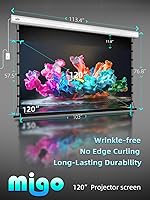
The Migo 120-inch Tab-Tensioned Motorized Projector Screen is built for homeowners who have already committed to a dedicated or semi-dedicated home theater space and want a large-format screen that installs cleanly overhead without dominating the room when not in use. It suits buyers who prioritize a flat, distortion-free surface above all else — particularly those pairing it with a 4K projector where any screen warp or sag would become immediately visible. The broad projector compatibility makes it a practical choice for users who own or plan to upgrade to a short-throw or ultra-short-throw projector, since they won't need to replace the screen if they switch devices. It also works well in professional settings like classrooms, hotel conference rooms, or corporate presentation spaces where a large motorized drop-down screen adds polish without requiring a permanent fixed installation. Anyone who has dealt with the hum of a cheap motorized screen will genuinely appreciate the quieter operation here.
Not suitable for:

The Migo 120-inch Tab-Tensioned Motorized Projector Screen is not the right choice for buyers dealing with bright or mixed-light rooms, since its soft white surface with 3.0 gain will wash out under ambient light rather than fight it — a grey ALR screen would serve those situations far better. At nearly 40 pounds and over ten feet wide in its ceiling housing, this is not a screen for casual installation or renters who need to move it; you need solid ceiling anchors, adequate ceiling clearance, and realistically a second person to mount it safely. Budget-conscious buyers should also think carefully, since the premium price point only makes sense if the tab-tension flatness and motorized convenience are features you will actually use regularly. Those who prefer a fixed-frame screen for a permanent, no-moving-parts setup will likely find better value and image consistency elsewhere. Finally, buyers in areas with unpredictable power supply should note the motor depends on a stable 110V connection, which may not suit every international or off-grid setup.
Specifications

  • Screen Size: The viewable screen area measures 120 inches diagonally, providing a genuinely cinematic image scale in a dedicated home theater room.
  • Aspect Ratio: The screen uses a 16:9 widescreen format, matching the native output of virtually all modern projectors and HD content sources.
  • Display Area: The active projection surface measures 104.72″ in height by 58.6″ in width, giving you a precise sense of how much wall or ceiling clearance is required.
  • Overall Dimensions: The full unit housing spans 122.06″ wide by 86.61″ tall, which must be accounted for when planning ceiling mounting location and surrounding clearance.
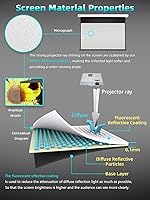
  • Screen Material: The surface uses a soft white coating applied via a proprietary particle-spraying process, designed to improve image clarity and reduce eye fatigue during extended viewing.
  • Gain Value: The screen achieves a measured gain of 3.0, meaning it reflects significantly more light back toward the viewer compared to a standard 1.0 gain white surface.
  • Viewing Angle: The soft white surface supports a viewing angle of up to 170 degrees, maintaining usable image quality for viewers seated well off-center.
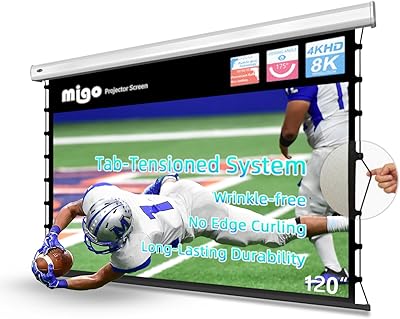
  • Tension System: A four-directional tab-tension mechanism keeps the screen pulled taut on all sides simultaneously, producing a flat, warp-free projection surface every time the screen descends.
  • Motor Type: The unit is equipped with a quiet roller motor that is FCC certified (ID: HTT202207222F) and has undergone electromagnetic compatibility testing for long-term reliability.
  • Mounting Type: The screen supports both ceiling mount and wall mount installation configurations, giving installers flexibility depending on the room layout.
  • Item Weight: The complete unit weighs 39.9 pounds, which has direct implications for mounting hardware requirements and the need for a second person during installation.
  • Power Supply: The motorized mechanism operates on a standard 110V power supply, which is compatible with North American residential outlets.
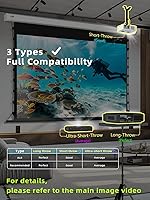
  • Projector Compatibility: This screen is engineered to work with standard long-throw, short-throw, and ultra-short-throw projectors without requiring any surface or configuration adjustments.
  • Supported Formats: The screen surface is compatible with 8K, 4K, HDR, and 3D projection content, maintaining full resolution and brightness fidelity across all formats.
  • Packaging: The unit ships in a double-layer reinforced carton with corner protectors on all four sides, designed to prevent surface and housing damage during transit.
  • Brand: Migo is the manufacturer, a newer entrant in the projector screen market that has been selling this product category since late 2021.
  • Market Rank: As of available data, this screen holds a Best Sellers Rank of number 219 in the Projection Screens category on Amazon.
  • First Available: The product was first listed for sale in November 2021, giving it a relatively limited but growing track record in the market.

Related Reviews
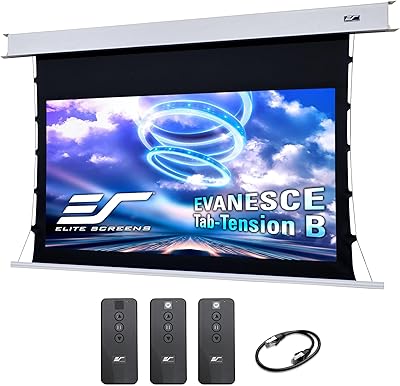
Elite Screens Evanesce Tab-Tension B 120″ Screen
82%
93%
Image Flatness
88%
Screen Surface Quality
84%
Build & Housing Quality
51%
Installation Experience
86%
Remote & Trigger Reliability
More
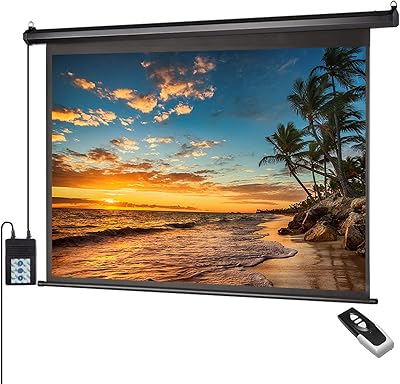
MIGO 120-inch Motorized Projector Screen
85%
91%
Value for Money
85%
Setup & Installation
88%
Image Quality
89%
Motorized Operation
90%
Viewing Angle
More
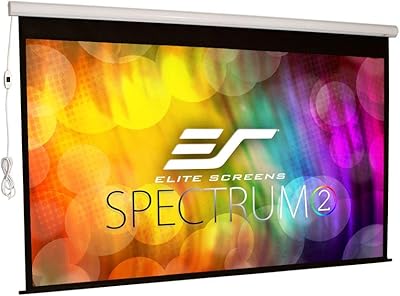
Elite Screens Spectrum 2 120-inch Projector Screen
78%
88%
Image Quality
83%
Build Quality
86%
Ease of Installation
81%
Motor Performance
87%
Screen Material
More
ZUEDA 120-inch Motorized Projector Screen
85%
93%
Motorized Functionality
91%
Ease of Installation
88%
Image Quality
85%
Viewing Angle
87%
Durability & Build Quality
More
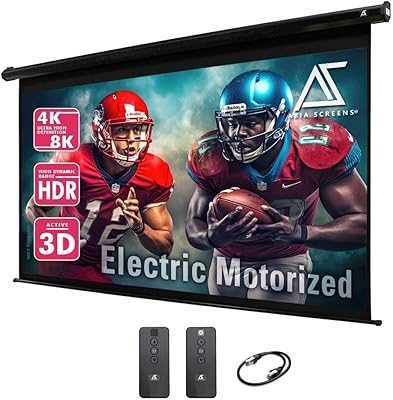
FRAYSCENT 120-Inch Motorized Projector Screen
77%
88%
Motor Performance
83%
Ease of Installation
71%
Fabric Flatness
76%
Image Clarity
67%
Remote Control
More
Akia Screens 110-inch Motorized Projector Screen
79%
86%
Ease of Installation
78%
Screen Image Quality
74%
Motor & Automation
81%
Build Quality
83%
Remote & Control System
More
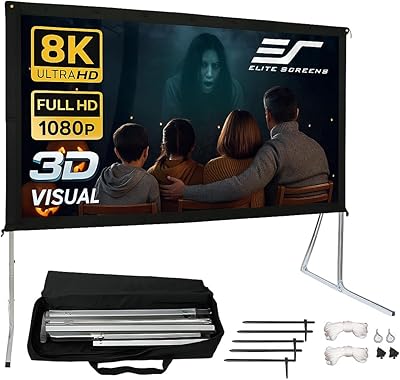
Akia Screens 125-inch Motorized Projector Screen
81%
88%
Ease of Installation
79%
Screen Material Quality
86%
Motor & Retraction Performance
71%
Remote & Control System
83%
12V Trigger Integration
More
Elite Screens OMS120H2 120-inch Portable Projector Screen
78%
91%
Ease of Assembly
84%
Screen Surface Quality
78%
Build Quality & Frame Durability
69%
Stability & Leg Performance
83%
Image Performance
More
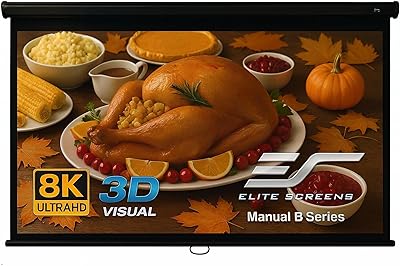
Elite Screens M120H 120-Inch Manual Pull-Down Projector Screen
87%
91%
Ease of Setup
87%
Image Quality
92%
Build Quality
88%
Value for Money
89%
Compatibility with 4K/8K/3D
More
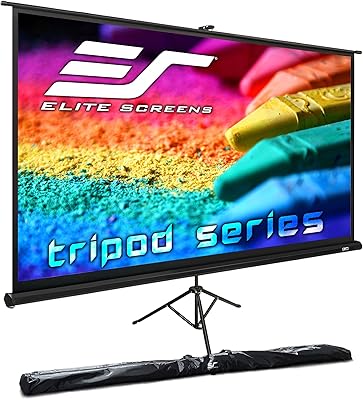
Elite Screens T120UWH 120-inch Tripod Projector Screen
77%
91%
Ease of Setup
67%
Screen Flatness
84%
Image Quality
78%
Portability
74%
Build Quality
More

FAQ

The tab-tension system is specifically designed to address that exact problem. By pulling the screen taut from all four sides simultaneously, it maintains a flat surface as long as the tension tabs and mechanism are functioning correctly. Most buyers report that flatness holds up well, though long-term durability data beyond a few years is still limited given the brand's relatively recent market entry.

Yes, the screen is explicitly compatible with ultra-short-throw projectors, as well as standard and short-throw models. You won't need a special surface coating or angle adjustment — the soft white material works across all three projector types without modification.

It is noticeably quieter than most budget motorized screens. Buyers frequently mention the motor noise as a pleasant surprise compared to what they expected. It is not completely silent, but it is subdued enough that it won't disrupt a quiet room in any meaningful way.

A 3.0 gain does add brightness, which works well in a properly darkened room. However, very high gain screens can produce a brighter center that visibly fades toward the edges depending on your seating position and projector placement. The wide 170-degree viewing angle helps mitigate this, but if you have a wide seating arrangement, it is worth factoring in.

Realistically, you need at least two people. The unit weighs close to 40 pounds and the housing spans over ten feet wide, so maneuvering it into position on a ceiling while aligning and securing the mounting brackets is not a safe solo task. Plan for a helper and ensure your ceiling anchors are rated for the weight.

Not really. The soft white surface with 3.0 gain is optimized for darkened rooms and will wash out noticeably in a room with ambient light from windows. If your space gets regular daylight, a grey ambient light rejection screen would serve you much better than this motorized screen.

The total unit height when the screen is fully descended is approximately 86.61 inches, or just over seven feet, for the screen housing and display combined. You need to factor in the height of the ceiling-mounted housing itself plus the clearance from floor to the bottom of the screen. In practice, most installers recommend a ceiling height of at least ten feet for a comfortable, unobstructed image in a theater setup.

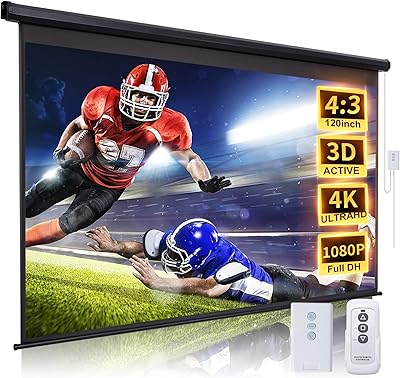
Yes, motorized projector screens of this type typically include a wall switch and a handheld remote for raising and lowering the screen. It is worth confirming the included accessories in the box upon delivery and checking that the remote pairs correctly before mounting the unit permanently.

Projector screen surfaces, including soft white coated materials, are generally delicate and should not be rubbed or treated with household cleaning sprays. If the surface gets dust or light smudging, a very soft microfiber cloth used gently is the safest approach. Avoid touching the screen directly during regular use to prevent oil transfer from hands.

The majority of buyers report receiving the screen in good condition thanks to the reinforced double-layer packaging. However, a minority of reviews mention occasional surface blemishes or minor coating inconsistencies on arrival. The packaging itself is generally well-regarded for protecting the unit during shipping, but it is still worth inspecting the surface carefully as soon as you open the box.