
Overview

The Lucyd Lyte 2025 Eclipse Smart Glasses sit at an interesting crossroads in wearable tech — part eyewear, part personal audio device, and fully neither in the traditional sense. This isn't a category with one clear winner yet. Meta's Ray-Ban collaboration gets most of the press, but the Lucyd Eclipse slots in at a mid-range price point that makes the concept more accessible. The 2025 version brings photochromic lenses into the mix, which the previous generation lacked. Just set your expectations correctly: these are lifestyle-first smart glasses, built around convenience and daily wearability, not to replace your earbuds or your prescription frames.

Features & Benefits

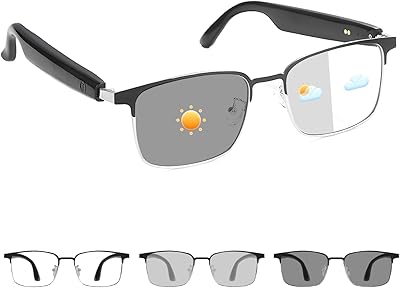
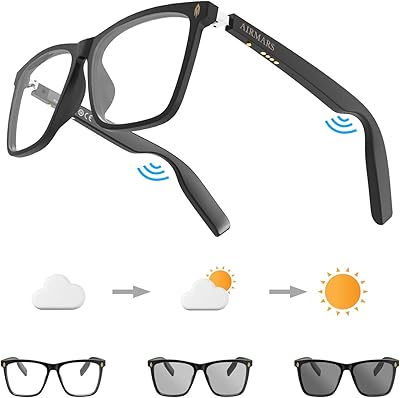
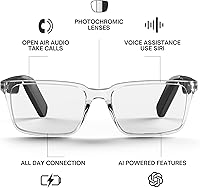
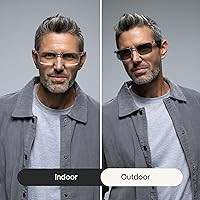
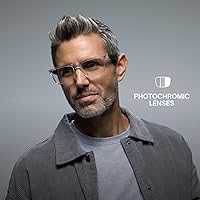
The standout feature here is the photochromic lens technology — walk inside and they clear up, step into sunlight and they darken. The transition takes around 30 to 60 seconds in practice, which is worth knowing if you move between environments constantly. The open-ear speakers let sound through without sealing off the world around you, genuinely useful in traffic or on a busy sidewalk, though anyone nearby will catch snippets of your audio. Bluetooth pairing is straightforward, and touch controls on the frame handle playback and calls decently. The integrated mic handles quiet environments fine but struggles in wind or crowded spaces.

Best For

This Bluetooth eyewear makes the most sense for people who spend a good chunk of their day moving around outdoors. Daily commuters who walk, cycle, or take public transit will appreciate keeping their ears open while still getting audio. If you already rely on prescription glasses and hate juggling earbuds on top of that, these smart glasses offer a tidier solution. Outdoor types who transition between shade and direct sunlight will actually put the photochromic lenses to work. Remote workers taking back-to-back calls while stepping out are also a natural fit. If pure audio quality is your priority, look elsewhere.

User Feedback

The Lucyd Eclipse carries a 3.3-star average, and that mixed score reflects a genuinely divided user base. On the positive side, buyers consistently praise the lens adaptability and the convenience of having audio built into something they would wear anyway. The style gets compliments too — these don't scream tech gadget. On the other side, audio bleed is the most cited complaint: people sitting nearby can hear your music, which kills the experience in offices or quiet settings. Some users flag call quality as inconsistent outdoors. A handful of critical reviews seem rooted in mismatched expectations rather than defects, but fit comfort and battery longevity surface as legitimate concerns.

Pros

  • Photochromic lenses adapt to sunlight automatically, removing the need to carry a separate pair of sunglasses.
  • Open-ear design keeps you aware of traffic, conversations, and surroundings while still delivering audio.
  • Bluetooth pairing is quick and reliable for everyday devices without technical fuss.
  • The Lucyd Eclipse has a clean, understated look that does not scream wearable tech.
  • Voice assistant support lets you manage calls and queries entirely hands-free.
  • Includes a slip case and cleaning cloth, so the package feels complete out of the box.
  • Lightweight frame makes these comfortable for extended daily wear.
  • Switching between calls and music is handled easily through on-frame touch controls.
  • A practical choice for commuters who want audio without sacrificing situational awareness.
  • Competitive mid-range price gives access to the smart glasses category without premium brand markup.

Cons

  • Audio bleed is significant — people sitting nearby will hear your music at moderate volume.
  • Microphone performance drops noticeably in wind or loud outdoor environments.
  • No prescription lens option limits the audience to non-prescription wearers only.
  • Battery life under heavy use may not last a full workday without a recharge.
  • Photochromic transition speed, around 30 to 60 seconds, can feel slow when moving quickly between environments.
  • The 3.3-star average rating reflects a meaningful portion of buyers who felt the product underdelivered.
  • No GPS or fitness tracking means this Bluetooth eyewear adds little for active health monitoring use cases.
  • Touch controls on the frame can be accidentally triggered during adjustment or handling.
  • App ecosystem and AI features are less mature compared to higher-profile smart glasses competitors.
  • Fit may be inconsistent for buyers with wider or narrower-than-average face shapes.

Ratings

The scores below for the Lucyd Lyte 2025 Eclipse Smart Glasses were generated by our AI rating engine after processing verified buyer reviews from multiple global markets, with spam, incentivized, and bot-flagged submissions actively filtered out. The results reflect a candid picture of where these smart glasses genuinely shine and where real users have run into friction — no category has been softened to protect the product's overall impression.

Lens Adaptability
78%
22%
The photochromic lenses are one of the most consistently praised aspects of the Lucyd Eclipse among outdoor users. Commuters and walkers in particular appreciate not having to carry separate sunglasses, with the automatic tinting handling most sunny-day conditions without any manual adjustment.
The transition speed — typically 30 to 60 seconds — draws criticism from users who move quickly between lit and shaded environments. A handful of reviewers also note the lenses do not darken as deeply as dedicated sunglasses in very bright conditions.
Audio Quality
54%
46%
For casual listening during walks or light outdoor activity, the open-ear speakers deliver adequate volume and acceptable clarity. Users who primarily use these glasses for podcasts or background music during commutes tend to find the audio output sufficient for that low-demand context.
Anyone expecting even a basic earbud-level sound experience will be disappointed. Bass response is thin, stereo separation is minimal, and at higher volumes the audio distorts noticeably — a recurring theme in critical reviews from users with higher audio expectations.
Microphone Clarity
49%
51%
In quiet indoor environments, the integrated microphone picks up voice clearly enough for standard phone calls and voice assistant commands. Remote workers who take calls at home or in calm settings generally report the mic as functional and easy to use hands-free.
Wind and ambient noise are significant problems for the microphone. Multiple reviewers describe call quality dropping sharply when walking outdoors, with the person on the other end struggling to hear clearly — a real limitation for anyone relying on these glasses for mobile work calls.
Audio Privacy
41%
59%
The open-ear design does preserve the wearer's situational awareness, which users in cycling, running, and urban commuting scenarios consistently highlight as a genuine safety benefit compared to sealed earbuds.
Sound leakage is the single most cited complaint across user reviews. At moderate listening volumes, people within a few feet can clearly hear audio, making these glasses a poor fit for any shared quiet space like an office, library, or quiet train carriage.
Comfort & Fit
66%
34%
For users with average or medium-width face shapes, the rectangular frame sits comfortably for sessions of an hour or two. The lightweight construction relative to the tech packed in means most wearers do not experience significant discomfort during shorter daily use periods.
Fit consistency across different head sizes is a recurring issue. Users with wider faces report the frame feeling tight over time, while those with narrower faces find it slides. The added weight of the speakers and battery components is also noticeable compared to regular eyewear during extended wear.
Build Quality
71%
29%
The frame feels solid in hand and does not give off a cheap plastic impression, which matters for a product worn publicly every day. Several reviewers note the hinges and temple arms hold up well through regular daily use without loosening quickly.
There are scattered reports of finish wear on the frame and some users questioning long-term durability of the charging contacts. The lack of any published water or dust resistance rating also leaves buyers uncertain about how the glasses hold up in light rain or sweaty conditions.
Battery Life
57%
43%
For shorter use patterns — a morning commute, a lunch walk, a handful of calls — the battery typically holds out without issue. Users who use the glasses in intermittent bursts throughout the day report being able to stretch a charge across most of a workday.
Heavy or continuous users consistently flag battery longevity as a weak point. Multiple reviewers note the charge drains faster than expected during extended listening sessions, and the lack of a clear battery indicator makes it easy to be caught short without warning.
Bluetooth Connectivity
74%
26%
Initial Bluetooth pairing is described as quick and reliable by the majority of users across iOS and Android devices. Reconnection on subsequent uses is generally automatic, and the connection range is solid for standard everyday distances from a phone in a bag or pocket.
A smaller segment of reviewers reports occasional dropout or lag, particularly in areas with heavy wireless interference like busy transit hubs or crowded public spaces. Bluetooth version specifics are not prominently disclosed, which leaves some tech-savvy buyers guessing about maximum codec support.
Style & Discretion
81%
19%
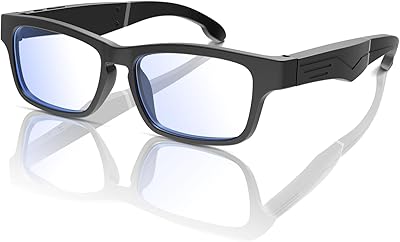
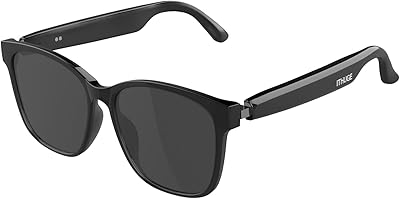
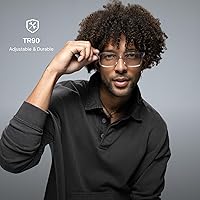
The Lucyd Eclipse genuinely avoids looking like a tech gadget, which is a meaningful advantage over bulkier smart eyewear alternatives. The black rectangular frame reads as standard fashion eyewear to most onlookers, which users who value understated style consistently appreciate.
The frame shape selection is limited to the rectangular Eclipse design for this variant, leaving buyers who prefer rounder or more expressive frames without an equivalent option. The single black colorway also reduces versatility for users with varied wardrobe preferences.
Value for Money
62%
38%
Relative to flagship competitors like the Meta Ray-Ban smart glasses, the Lucyd Eclipse offers a lower entry point into the smart eyewear category, and the inclusion of photochromic lenses at this tier is a genuine differentiator that adds practical utility.
Given the audio quality limitations and mixed microphone performance, a number of buyers feel the price does not fully justify the experience — particularly when dedicated Bluetooth earbuds in the same price range significantly outperform the glasses on pure audio merit.
Ease of Use
77%
23%
The on-frame touch controls handle the core functions — play, pause, call answer, and volume — without any steep learning curve. Most users report getting comfortable with the control layout within a day or two of regular use.
Accidental touch triggers when adjusting the frame on your face are a frequently mentioned nuisance. There is also a learning curve around distinguishing gestures for different functions, and the lack of tactile feedback means errors happen more often than with physical buttons.
App Experience
58%
42%
The companion app extends the glasses beyond basic Bluetooth audio by enabling AI-powered features and some customization options that genuinely add to the product's functionality for engaged users who take the time to explore it.
App stability and feature depth lag behind what more established smart glasses platforms offer. Reviewers describe the app as functional but rough around the edges, with occasional sync issues and a feature set that feels like it is still catching up to the hardware.
Packaging & Accessories
73%
27%
The included slip case is practical and protective enough for daily carry, and the cleaning cloth is a thoughtful addition given the lens type. The quick start guide makes first-time setup approachable for users who are new to smart eyewear.
The case is a soft slip style rather than a hard shell, which leaves the glasses more vulnerable to crushing in a crowded bag. Some users expected a charging dock or stand at this price point rather than just a cable, which feels like a missed opportunity for the overall package.
Customer Support
55%
45%
Some buyers report satisfactory resolution when contacting Lucyd directly about defective units or setup questions, suggesting the support team is reachable and capable of handling straightforward cases with reasonable turnaround.
Response times and resolution quality appear inconsistent based on user feedback, with a segment of reviewers describing slow replies or unresolved issues particularly around returns and warranty claims. This inconsistency weighs on buyer confidence for a category where fit and performance issues are relatively common.

Suitable for:

The Lucyd Lyte 2025 Eclipse Smart Glasses are a strong fit for people whose daily lives involve a lot of movement between indoor and outdoor environments. Commuters who walk, cycle, or take public transit will get real value from keeping their ears open while still enjoying music or taking calls — something traditional earbuds simply cannot offer. If you already depend on glasses throughout the day and find juggling a separate pair of earbuds frustrating, the integrated audio in the Lucyd Eclipse removes that friction entirely. Outdoor enthusiasts who regularly shift between shaded trails and bright sun will actually put the photochromic lenses to practical use rather than treating them as a novelty. Remote workers who field calls frequently while stepping away from their desks are another natural match, especially in quieter settings where mic limitations are less of a factor. Anyone who values looking put-together over carrying visible tech accessories will also appreciate that these glasses do not broadcast what they are.

Not suitable for:

The Lucyd Lyte 2025 Eclipse Smart Glasses are a poor match for buyers whose primary concern is audio quality. Open-ear speakers are a deliberate design choice that comes with real trade-offs: sound leaks to people around you, low-end is thin, and volume headroom in noisy environments is limited. If you work in an open office, a library, or any shared quiet space, the audio bleed alone will likely be a dealbreaker. People who need prescription lenses will find no accommodation here, since the photochromic lenses are non-prescription. Buyers expecting performance close to Meta Ray-Ban glasses at a lower price may also come away disappointed — the competition has had more time to refine microphone clarity and app ecosystems. If battery life is critical for all-day, multi-session use, the lithium-ion cell in this frame has limitations that real-world reviews flag consistently. Those with larger or narrower face shapes should also check fit carefully, as the standard rectangular frame does not suit every head size.

Specifications

  • Frame Shape: The Eclipse v2 features a rectangular frame profile designed to suit a broad range of face shapes and complement everyday casual or professional looks.
  • Dimensions: The frame measures 5.43 x 2.24 x 5.31 inches, placing it in a standard adult sizing range that works for most medium face widths.
  • Weight: At 0.33 kg (approximately 11.7 oz), the frame is heavier than standard eyewear but within a tolerable range for short to medium daily wear sessions.
  • Lens Type: Photochromic lenses automatically transition from clear in low-light or indoor conditions to a tinted state under direct sunlight exposure.
  • Connectivity: The glasses connect to smartphones and other devices via Bluetooth, supporting hands-free audio streaming and call management without any wired connection.
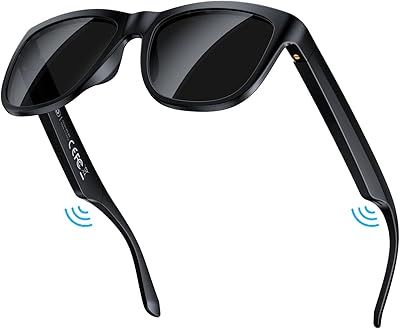
  • Speaker Type: Open-ear speakers are positioned near the temples, delivering sound without sealing the ear canal, which preserves ambient awareness but allows audio to leak outward.
  • Microphone: An integrated microphone is built into the frame to support hands-free calls, though performance can vary depending on ambient noise levels.
  • Battery Type: The device is powered by a built-in rechargeable lithium-ion battery, included and charged via the provided cable.
  • Voice Assistant: The glasses support voice assistant activation, allowing compatible assistants such as Siri or Google Assistant to be triggered hands-free through the frame controls.
  • AI Features: Lucyd has integrated AI-powered functionality into the Eclipse v2 to support voice commands and smart connectivity features via a companion app.
  • GPS: No GPS hardware is included in the frame, so location tracking or navigation features are not supported natively by the device.
  • Frame Color: The Eclipse Darkside variant features a black frame finish that gives the glasses a neutral, versatile appearance compatible with most wardrobe styles.
  • Model Number: The official model designation is Eclipse v2, with the item model number LCD006-35 used for manufacturer identification and warranty purposes.
  • Target Gender: Although marketed primarily toward men, the frame design and sizing are unisex and suitable for a wide range of wearers.
  • In the Box: Each purchase includes the glasses, a slip case, a cleaning cloth, a printed manual, and a quick start guide to help with initial setup.

Related Reviews
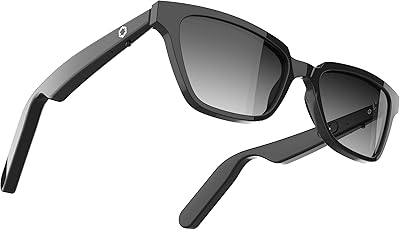
Lucyd Nebula Smart Glasses with UV Protection
83%
88%
Audio Quality
93%
UV Protection
90%
Battery Life
75%
Comfort & Fit
68%
Sound Isolation
More
Emerhome E13 Bluetooth Smart Glasses
70%
83%
Ease of Pairing
79%
Call Clarity
58%
Audio Volume & Quality
54%
Battery Life
71%
Touch Control Accuracy
More
TnoxHD Smart Glasses
85%
85%
Audio Quality
90%
Battery Life
80%
Comfort and Fit
78%
Sound Clarity for Calls
88%
Ease of Use
More
Smart Bluetooth Glasses GS038
85%
88%
Comfort & Wearability
82%
Sound Quality
86%
Battery Life
83%
Build Quality
70%
Connectivity Stability
More
Tulbeys G07 Bluetooth Audio Glasses
70%
91%
Wearing Comfort
83%
Bluetooth Connectivity
61%
Audio Quality
48%
Sound Leakage
57%
Microphone & Call Quality
More
Tulbeys GS06 Photochromic Bluetooth Smart Glasses
73%
83%
Value for Money
78%
Lens Performance
61%
Audio Quality
72%
Comfort & Fit
54%
Charging Experience
More
AIRMARS SG8 Bluetooth Smart Glasses
74%
88%
Value for Money
83%
Lens Performance
58%
Audio Quality
61%
Call Quality
79%
Comfort & Fit
More
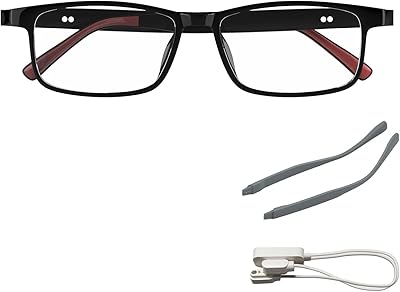
ITHUGE UF-09(ai) AI Smart Translation Glasses
70%
67%
Translation Accuracy
62%
Build Quality
78%
Battery Life
53%
Ease of Setup
59%
Audio Quality
More
DOVIICO KY02 Smart Glasses
81%
73%
Sound Quality
88%
Comfort & Fit
80%
Battery Life
85%
Waterproof Durability
90%
Ease of Use & Setup
More
Emerhome Gen3 Bluetooth Translation Glasses
71%
61%
Translation Accuracy
67%
Audio Quality
84%
Modular Design
73%
Comfort & Fit
81%
Touch Controls
More

FAQ

In practice, the photochromic lenses take roughly 30 to 60 seconds to fully transition from clear to tinted under direct sunlight. They clear up a bit faster when you return indoors. It is worth knowing this if your commute involves rapid back-and-forth between bright and shaded areas.

Yes, they will — this is a real limitation of open-ear speaker design. At moderate to higher volumes, anyone sitting nearby or within a few feet will catch what you are listening to. These glasses work best in outdoor or semi-private settings, not in libraries, open offices, or quiet transit cars.

No. The Lucyd Eclipse ships with fixed photochromic lenses only, and there is no prescription customization option available through the standard product. If you require corrective lenses, these glasses will not serve as a functional everyday replacement for your current eyewear.

Pairing works like any standard Bluetooth accessory. Turn the glasses on, put them into pairing mode using the frame button, open Bluetooth settings on your phone, and select the device from the list. Most users report the initial setup takes under two minutes, and the glasses remember the connection for future use.

In calm or low-noise environments, the integrated microphone handles calls reasonably well. Wind is the main problem — even a light breeze can muffle your voice noticeably for the person on the other end. If you frequently take calls while moving outdoors in variable weather, expect some inconsistency in mic performance.

Lucyd does not publish an official IP water resistance rating for this model, so it would be unwise to assume they are safe for rain, heavy sweat, or any water exposure. Treat them as you would any standard electronic eyewear and avoid getting them wet.

Battery life is adequate for shorter use sessions like a commute or a few hours of intermittent listening, but some users report it does not comfortably stretch through a full eight-hour workday under regular use. If you plan to use them heavily all day, having the charging cable accessible is a good idea.

Meta Ray-Ban glasses benefit from a more mature software ecosystem, a wider frame variety, and a stronger brand presence in the smart eyewear space. The Lucyd Eclipse trades some of that polish for a lower price point and the addition of photochromic lenses, which Meta Ray-Ban does not offer as a standard option. The right choice depends on whether lens adaptability or software depth matters more to you.

The touch controls on the frame function well for basic tasks like play, pause, and answering calls, but a handful of users note that adjusting the glasses on your face can accidentally trigger a command. It is a minor annoyance rather than a dealbreaker, and most people get used to handling the frame more deliberately after a few days.

Lucyd does offer a companion app that enables some AI-powered features and connectivity options beyond basic Bluetooth audio. The app experience is functional but not as refined as what you get from more established competitors. For straightforward audio and call use, most people will get by just fine without spending much time in the app.