Overview

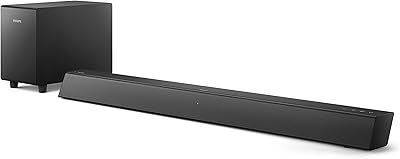
The Klipsch Flexus Core 100 2.1 Soundbar is the result of a genuine collaboration between Klipsch and Onkyo — two brands with deep roots in audio engineering — and that heritage shows in how deliberately this bar was designed. Unlike most single-unit soundbars at this price range, it packs dual built-in subwoofers, so you get real 2.1-channel sound without hunting for shelf space or spending extra on a separate sub. Dolby Atmos processing adds a sense of height and space to compatible content. The design is wall-mountable, built with premium materials, and compact enough for most living rooms. It sits comfortably between budget bars and high-end separates.
Features & Benefits

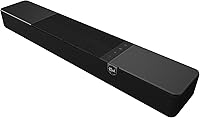
The engineering inside this Klipsch soundbar is worth looking at closely. Those dual 4-inch subwoofers aren't just a marketing bullet — at this bar's size, they produce bass that most competing units simply can't match without a separate woofer on the floor. The ceramic drivers have been tuned by Klipsch's own acousticians, which means midrange and high-end clarity feel intentional, not accidental. HDMI eARC handles TV audio handoff cleanly, while Bluetooth, optical, and USB cover everything else. The patented Klipsch Transport technology means that adding Flexus Surrounds or a second subwoofer later results in fast, stable pairing rather than a frustrating wireless guessing game.

Best For

This 2.1 bar makes the most sense for people who want a noticeable audio upgrade over their TV's built-in speakers but aren't ready to commit to a full surround system. Apartment dwellers and anyone working with a smaller living room will appreciate that there's no external subwoofer to trip over or find a spot for. It's also a smart pick for anyone who anticipates building out their home theater gradually — the expandable Flexus ecosystem means you're not starting over, just adding on. Streaming-heavy households watching a lot of Dolby Atmos content on services like Netflix or Disney+ will get noticeably more out of this bar than most units at this tier.

User Feedback

With just over 90 ratings so far, the Flexus Core 100 is still building its track record — take the overall score as a promising early signal rather than a settled verdict. That said, feedback is consistently positive on bass performance, which is the benchmark most buyers set for a unit like this. Connectivity also earns good marks, with several users calling out HDMI eARC setup as refreshingly painless. On the flip side, at 28 inches wide it may feel oversized next to a smaller TV, and a handful of reviewers have raised questions around the remote's responsiveness. Worth revisiting as the review pool continues to grow.

Pros

  • Built-in dual subwoofers deliver bass that genuinely surprises for a no-external-sub setup.
  • HDMI eARC setup is fast and reliable — most users are up and running in minutes.
  • The Flexus ecosystem lets you expand to full surround sound at your own pace.
  • Ceramic drivers produce clear, well-defined midrange that makes TV dialogue easy to follow.
  • Wall-mount hardware is included, keeping installs clean without extra purchases.
  • Dolby Atmos processing adds real spatial depth to streaming content on supported platforms.
  • Bluetooth pairing is quick and stable within a practical 10-meter range.
  • The Klipsch and Onkyo collaboration brings genuinely considered acoustic tuning, not just badge value.
  • Compact footprint fits neatly on a console or mounted below most standard-sized TVs.
  • Early buyer ratings are strong and consistent, with bass and connectivity earning the most praise.

Cons

  • No companion app means EQ and sound customization are limited to basic remote controls.
  • The remote has drawn complaints about line-of-sight sensitivity and occasional sluggish response.
  • Dolby Atmos processing is not the same as true object-based Atmos — spatial effect has a ceiling.
  • Buyers in large or open-plan rooms may find the output insufficient without adding a Flexus sub.
  • Expanding the system locks you into the Klipsch Flexus product family with no cross-brand flexibility.
  • No aptX or LDAC Bluetooth support limits wireless audio quality for dedicated music listeners.
  • At 28 inches wide, the bar can look undersized beneath larger 65-inch or 75-inch televisions.
  • No dedicated speech enhancement or dialogue mode for mixed-loudness content like streaming TV.
  • Review count is still relatively modest, so long-term reliability data is not yet fully established.
  • No DTS:X support may disappoint buyers coming from a more feature-complete previous setup.

Ratings

The Klipsch Flexus Core 100 2.1 Soundbar has been scored by our AI rating system after analyzing verified buyer reviews from multiple global markets, with spam, incentivized, and bot-generated feedback actively filtered out. The result is a transparent breakdown that captures what real users genuinely love about this Klipsch-Onkyo collaboration — and where a few pain points still surface. Both sides of the experience are reflected honestly in every category below.

Bass Performance
88%
For a soundbar with no external subwoofer required, the low-end output genuinely surprises most buyers. Users watching action films or listening to bass-heavy music in a mid-sized living room consistently report that the built-in subwoofers hold their own against competitors that require a separate floor-standing unit.
In larger rooms or open-plan spaces, the bass can feel like it loses some authority compared to a dedicated external sub. A handful of users who upgraded from higher-end setups noted the low-end starts to thin out at higher volumes.
Sound Clarity & Midrange
83%
Dialogue intelligibility stands out as a consistent strength across user reviews — voices during TV shows and films come through with definition that budget soundbars rarely achieve. The ceramic driver tuning gives instruments and vocals a presence that feels deliberate rather than accidental.
A few listeners with more critical ears noted that the midrange can occasionally feel slightly forward, which works well for speech but may not suit everyone during long music listening sessions. It is a tuning preference more than a flaw, but worth knowing.
Dolby Atmos Processing
79%
21%
Users streaming Dolby Atmos content on platforms like Netflix report a clear improvement in spatial awareness compared to standard soundbars in the same price tier. The sense of height and dimensionality during cinematic scenes adds genuine value for everyday streaming.
It is worth noting this is Atmos processing, not true object-based Atmos from upward-firing drivers. Buyers expecting the full overhead effect of a premium bar may find the experience solid but not transformative. Managing those expectations upfront avoids disappointment.
Connectivity & Setup
91%
HDMI eARC stands out in buyer feedback as unusually painless — plug in, switch on, and the TV audio handoff just works without digging through menus. Bluetooth pairing is quick, and having optical and USB as fallbacks means virtually any TV or source device is covered without adapters.
There is no dedicated app for EQ control or input management, which some tech-savvy users find limiting compared to competing bars at this price. Those used to fine-tuning their sound profile may feel the remote-only control approach is a step behind the competition.
Expandability & Ecosystem
86%
The ability to add Flexus Surrounds and a dedicated subwoofer later is a genuinely useful long-term value proposition. Buyers who started with just this bar and later expanded reported that the Klipsch Transport pairing process was fast and stable — not the frustrating wireless ordeal it can be with other brands.
The ecosystem only works within the Klipsch Flexus family, so buyers are committing to a single brand's upgrade path. If Flexus add-ons prove hard to find or get discontinued, the expansion promise loses some of its appeal.
Build Quality & Materials
84%
The combination of metal, wood, and plastic feels considered rather than cost-cut, and the overall finish holds up well to the kind of handling a living room device gets daily. At 11 pounds it has a substantive feel on a TV console without being awkward to reposition.
Some users noticed the plastic portions on the underside feel slightly less premium than the front-facing materials. It is not a structural issue, but those who inspect their gear closely may notice the material contrast.
Design & Aesthetics
81%
19%
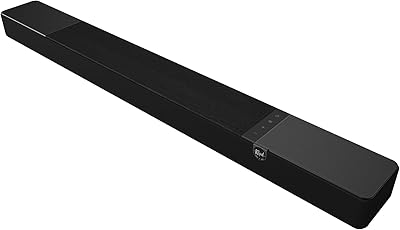
The Flexus Core 100 has a clean, rectangular profile that sits unobtrusively below most TVs without demanding attention. Its understated black finish works with most home setups, and the wall-mount option is a genuine plus for users who prefer a floating look.
At 28 inches wide, the bar can look proportionally small below larger 65-inch or 75-inch TVs. Users with bigger screens occasionally mentioned it feels a little modest in footprint relative to the display above it.
Remote Control
62%
38%
The included remote covers the essential functions — input switching, volume, sound modes — without requiring a smartphone app or a steep learning curve. For users who just want straightforward control, it gets the job done.
Early feedback flagged occasional responsiveness issues, with some users reporting the remote requires more direct line-of-sight than expected. It is not universal, but enough reviewers mentioned it to suggest it may be an area Klipsch refines in future production runs.
Volume & Room-Filling Ability
77%
23%
In rooms up to roughly 300 square feet, the Flexus Core 100 gets genuinely loud without audible distortion creeping in at high volumes. For apartment-sized spaces and typical living rooms, the output headroom is more than adequate for movies and music.
In larger or acoustically challenging rooms, the bar starts to feel underpowered before reaching its volume ceiling. Users in open-plan homes or those who host gatherings may find it falls short of filling the space with authority.
Value for Money
78%
22%
Relative to soundbars at this price that require a separate subwoofer to achieve comparable bass, the built-in low-end here represents real savings and space efficiency. Buyers who factor in the expandability of the Flexus ecosystem see the entry price as a reasonable foundation investment.
Buyers comparing it purely on a spec-per-dollar basis against aggressive competitors from Sony or Vizio may find the math slightly less favorable. The Klipsch brand and Onkyo engineering carry weight, but they do contribute to the price premium.
Streaming & Bluetooth Audio
74%
26%
Bluetooth audio from phones and tablets is reliable within the rated 10-meter range, and music playback quality is solid for casual listening. Users who play background music during gatherings appreciated not needing to touch a cable.
There is no aptX or LDAC support mentioned, which means high-resolution wireless audio is not part of the picture. Dedicated music listeners who care about wireless codec quality may prefer a bar with more robust Bluetooth audio specifications.
TV Dialogue & Voice Clarity
87%
One of the most praised real-world uses is simply watching TV — dialogue across genres, from drama to news, comes through cleanly without needing to adjust volume constantly. Buyers who purchased specifically to stop straining to hear speech report high satisfaction.
There is no dedicated dialogue enhancement or speech mode flagged in current firmware, so users who watch a lot of mixed-loudness content may find themselves adjusting volume more manually than they would with a bar that includes a dynamic range compression feature.
Ease of Installation
89%
Getting the bar up and running takes most users under 15 minutes, and the HDMI eARC connection simplifies the setup to a single cable for audio and control. Wall-mounting hardware is included, and the process is well-documented for those who prefer a cleaner install.
The wall-mount bracket, while functional, requires precise stud or drywall anchor placement to sit level — a minor frustration a few buyers mentioned when installing solo. Nothing unusual for this product category, but a second pair of hands helps.
Gaming Performance
71%
29%
Low-latency audio via HDMI eARC keeps gaming audio feeling synchronized, and the spatial processing adds some sense of directionality that casual gamers appreciate during cinematic story games or action titles.
Dedicated gamers looking for a true low-latency game mode or DTS:X support may find the feature set limited. The Flexus Core 100 was clearly optimized for the TV-watching use case rather than competitive or immersive gaming scenarios.

Suitable for:

The Klipsch Flexus Core 100 2.1 Soundbar is a strong fit for anyone who wants a meaningful TV audio upgrade without the footprint, wiring, or cost of a full surround system. Apartment dwellers and people with compact living rooms benefit most — there is no external subwoofer to place, hide, or trip over, yet the low-end output is more convincing than what most single-unit bars at this tier can offer. Streamers who regularly watch Dolby Atmos content on Netflix, Disney+, or Apple TV+ will notice a real difference in spatial depth compared to TV speakers or budget bars. The Flexus ecosystem is also a smart starting point for buyers who are not ready to go all-in on home theater today but want to leave that door open — adding Flexus Surrounds or a dedicated subwoofer later is a genuine, well-engineered upgrade path rather than a marketing afterthought. Users who place value on tuning precision and brand engineering heritage over chasing raw wattage numbers will feel at home here.

Not suitable for:

The Klipsch Flexus Core 100 2.1 Soundbar is not the right call for buyers who need to fill a large, open-plan space with audio — in rooms much beyond mid-size, the built-in subwoofers start to feel outmatched, and the overall output can struggle to command the room the way a bar-plus-sub combo would. Dedicated audiophiles or critical music listeners will likely find the tuning optimized for cinematic TV content, not for extended high-fidelity music sessions. Buyers who want granular EQ control, a companion app, or advanced sound modes will hit a wall quickly — the remote-only control setup is functional but limited. Competitive gamers looking for a true low-latency game mode or DTS:X support should look elsewhere, as this bar was clearly built around the TV-watching use case. Anyone with a very small TV — say, under 40 inches — may also find the 28-inch bar looks proportionally mismatched below the screen.
Specifications

  • Brand & Origin: Manufactured by Klipsch in collaboration with Onkyo, combining both brands' acoustic engineering expertise.
  • Channel Config: 2.1-channel sound system with dual built-in subwoofers, requiring no external subwoofer for bass output.
  • Total Output: The bar delivers 150 watts of total power output across all drivers combined.
  • Drivers: Two 2.25-inch ceramic cone drivers handle midrange and high-frequency reproduction, tuned by Klipsch acousticians.
  • Subwoofers: Dual 4-inch woofers are built directly into the soundbar enclosure for integrated low-frequency output.
  • Frequency Response: Rated frequency response extends to 20.2 kHz, covering the full range of standard audio content.
  • Dolby Atmos: The bar includes Dolby Atmos processing technology for spatial, multi-dimensional audio from compatible source content.
  • Connectivity: Input options include HDMI eARC, optical, USB, and Bluetooth, covering virtually all modern TV and device connections.
  • Bluetooth Range: Bluetooth wireless range is rated at up to 10 meters under typical indoor conditions.
  • Expansion Tech: Patented Klipsch Transport technology enables wireless pairing with Flexus Surrounds and additional Flexus Subwoofer units.
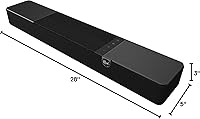
  • Dimensions: The soundbar measures 5″ deep by 28″ wide by 3″ tall, fitting neatly below most standard televisions.
  • Weight: The unit weighs 11 pounds, making it manageable for solo installation on a console or wall mount.
  • Materials: The enclosure is constructed from a combination of metal, plastic, and wood for structural rigidity and acoustic performance.
  • Mounting: Wall-mount compatible with hardware included, allowing for a flush, bracket-free installation below a wall-hung TV.
  • Power Source: Corded electric operation at 120 volts, requiring a standard North American wall outlet.
  • Remote Control: An infrared remote control is included in the box, requiring two AAA batteries which are also included.
  • Indoor Use: Designed exclusively for indoor use; not water resistant and not rated for outdoor or exposed environments.
  • Warranty: Covered by a limited manufacturer warranty from Klipsch; buyers should verify current warranty terms directly with Klipsch.
  • Release Date: The product was first made available for purchase in April 2024, making it a relatively recent market entry.
  • Ecosystem: Part of the Klipsch Flexus family, compatible with Flexus Surround speakers and Flexus Subwoofer for system expansion.

Related Reviews
Puxinat 2-in-1 Separable Soundbar
85%
85%
Sound Quality
91%
Ease of Setup
89%
Value for Money
88%
Bass Performance
90%
Design Flexibility
More
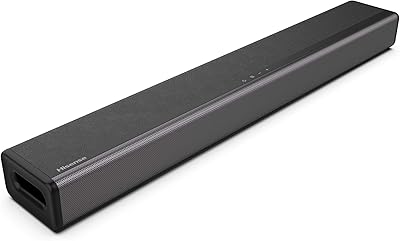
Hisense HS214 2.1 Channel Soundbar
86%
84%
Sound Quality
88%
Bass Performance
91%
Setup and Installation
92%
Roku TV Integration
83%
Build Quality
More
Klipsch Flexus Core 200 Soundbar
79%
91%
Sound Quality
88%
Bass Performance
93%
Dialog Clarity
74%
Dolby Atmos Performance
87%
Build Quality
More
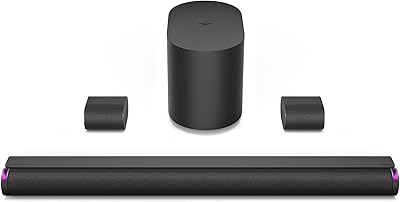
TCL Q75H 5.1.2 Channel Soundbar
85%
91%
Sound Quality
88%
Ease of Setup
92%
Bass Performance
89%
Dialogue Clarity
84%
Build Quality
More
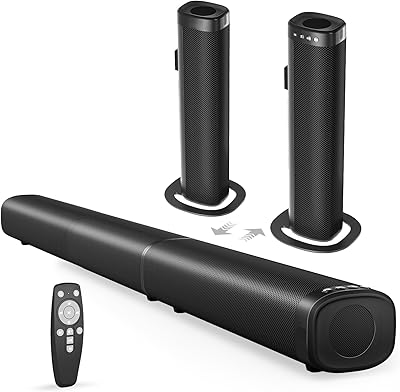
Yenjuty SD03 2-in-1 Detachable Soundbar
71%
83%
Value for Money
71%
Sound Quality
78%
Detachable Design
86%
Connectivity
81%
Bluetooth Performance
More
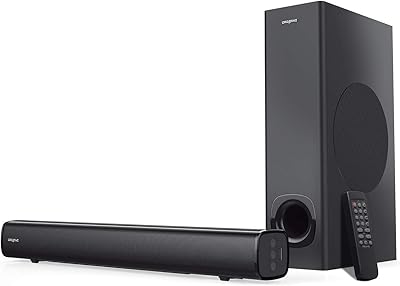
Creative Stage 2.1 Soundbar
78%
84%
Bass & Low-End Performance
73%
Audio Clarity & Midrange
91%
Connectivity & Input Range
86%
TV ARC Reliability
67%
Bluetooth Performance
More
VIZIO Elevate SE SL512X 5.1.2 Soundbar
75%
86%
Dolby Atmos Performance
83%
Surround Sound Immersion
71%
Subwoofer Bass Quality
88%
Build Quality & Design
81%
Setup & Installation
More
Head & Shoulders 2-in-1 Dandruff Shampoo and Conditioner Green Apple, 32.1 Fl Oz, 2 Pack
85%
90%
Dandruff Control Effectiveness
85%
Fragrance (Green Apple)
92%
Value for Money
87%
Moisturizing Properties
88%
Ease of Use (2-in-1)
More
PyleUsa PSBV28HB 2.1 Channel Soundbar with Wireless Subwoofer
84%
85%
Sound Quality
76%
Bass Performance
90%
Connectivity Options
88%
Ease of Setup
92%
Value for Money
More
VIZIO MicMe SK210X-0805
75%
78%
Karaoke Performance
72%
Sound Quality
69%
Wireless Microphone Quality
83%
Setup & Installation
81%
Value for Money
More

FAQ

No, and that is genuinely one of the stronger selling points here. The dual built-in woofers produce low-end output that holds up well in most living rooms without any additional hardware. That said, if you have a large open-plan space or you are a serious bass enthusiast, adding a Flexus Subwoofer later is always an option.

The easiest and most recommended method is HDMI eARC — one cable handles both audio and remote control functions through your TV. If your TV does not have eARC, you can use the optical input or Bluetooth as alternatives. Most users report that eARC setup takes only a couple of minutes.

Not exactly. This bar processes Dolby Atmos signals, which means it extracts spatial audio information from compatible content, but it does not have upward-firing drivers to bounce sound off the ceiling for true overhead effects. You will hear improved dimensionality and layering compared to a standard soundbar, but it is not the same ceiling-filling experience as a dedicated Atmos speaker array.

Yes, and that flexibility is one of the more compelling reasons to consider this bar as a starting point. You can add Flexus Surround speakers and one or even two Flexus Subwoofer units via Klipsch Transport wireless technology. The pairing process is designed to be fast and stable, so you are not committing to a complicated multi-step setup down the road.

Under a 55-inch TV the 28-inch width looks proportionally reasonable, though not edge-to-edge. Under a 65-inch screen it will appear somewhat compact — functional, but not a perfect visual match. If aesthetics matter to you, it is worth measuring your TV stand or console space before purchasing.

There is no dedicated companion app for the Flexus Core 100 at this time. All control is handled through the included infrared remote. This keeps setup simple, but it does mean there is no in-app EQ adjustment or input management — a trade-off that may frustrate more tech-inclined buyers.

Yes, Bluetooth pairing is straightforward and reliable within about 10 meters. You can stream audio directly from a phone, tablet, or laptop without needing the TV on. Keep in mind there is no aptX or LDAC support, so if you care deeply about wireless audio fidelity, the connection quality will be standard Bluetooth rather than high-resolution.

Wall-mounting is manageable as a DIY project for most people — the hardware is included and the process is fairly standard. The main tip from users is to take your time locating studs or using appropriate drywall anchors, and having a second person to hold the bar in position while you secure it makes the job noticeably easier.

In a typical apartment or living room up to around 300 square feet, the Flexus Core 100 gets genuinely loud with clear output and no obvious distortion before you hit the volume ceiling. For larger spaces or open floor plans, it starts to feel less commanding at higher volumes, and that is where adding a Flexus Subwoofer would make a noticeable difference.

The remote covers the essentials — volume, input switching, and basic sound modes — without a steep learning curve. Some buyers have noted that it requires a fairly direct line of sight to the bar and can feel slightly unresponsive at wider angles. It works reliably under normal conditions, but it is not the most refined remote in the category.

Where to Buy