Overview

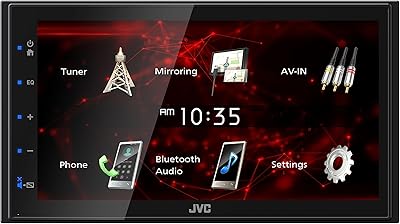
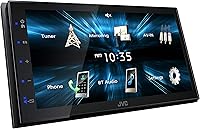
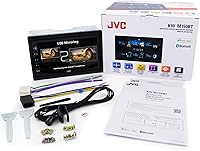
The JVC KW-M150BT Bluetooth Car Stereo Receiver sits in a practical middle ground — modern enough to feel like an upgrade, priced to not require much deliberation. Its 6.75″ capacitive touchscreen is notably generous for the price tier; most rivals at this level offer smaller or lower-quality displays. One thing to know upfront: there is no CD drive. JVC made that call deliberately, and for most drivers today, it turns out to be a non-issue. The unit fits standard double-DIN openings, so compatibility is broad. Around since 2019, the KW-M150BT still holds its own against newer competition.

Features & Benefits

What makes the KW-M150BT worth a closer look is how much tuning control it hands to the driver. The 13-band equalizer, paired with digital time alignment, lets you adjust sound staging in a way that basic treble/bass knobs simply cannot match — particularly useful once you factor in different speaker placements across a cabin. Dual-phone Bluetooth means both you and a co-driver can stay connected without constant reconnection. Android users get USB-based screen mirroring, and the same port handles rapid charging. The five-channel preamp outputs open the door for external amp integration, and FLAC playback via USB is a genuine bonus for lossless audio listeners.

Best For

This touchscreen receiver makes the most sense for drivers replacing a tired factory head unit and not wanting to spend flagship money to do it. Android users in particular get solid value here — screen mirroring and rapid charging through a single USB port is a practical combination that not every receiver in this class offers. If you run an aftermarket amp or subwoofer, the five-channel preamp outputs provide real flexibility. The dual Bluetooth pairing is also a smart feature for shared or family vehicles. Those still attached to CDs will need to look elsewhere, but anyone who has switched to streaming or USB media simply will not miss it.

User Feedback

Across roughly 430 ratings, this JVC head unit lands at 4.2 stars — respectable, not flawless. Buyers consistently praise the screen clarity and how painlessly Bluetooth pairs, with many noting the sound quality exceeds what they expected at this price point. On the critical side, some users report a learning curve with the menu navigation, and USB compatibility can be hit-or-miss depending on drive brand or file structure. Installation complexity gets mentioned too — fitting any double-DIN unit varies significantly by vehicle, and a few buyers underestimated the prep involved. Long-term reliability appears solid for most, though a minority report issues surfacing after a year or more.

Pros

  • The 6.75-inch capacitive touchscreen is responsive and larger than what most rivals offer at this price point.
  • Dual-phone Bluetooth pairing is a practical feature for shared vehicles and households with multiple drivers.
  • The 13-band equalizer with digital time alignment gives real control over sound staging, not just basic tone adjustments.
  • FLAC playback from USB is a genuine differentiator for anyone with a lossless music library.
  • Five-channel preamp outputs make it straightforward to add an external amp or subwoofer later.
  • Android users get screen mirroring and rapid charging through a single USB port — no extra hardware needed.
  • Backup camera input adds a practical safety layer that many drivers overlook until they actually need it.
  • AM/FM tuner coverage and broad audio format support mean almost any media source is covered.
  • Wide double-DIN compatibility makes it a realistic option for a large range of vehicle models.
  • At its price, the feature set offers solid value without requiring a significant compromise on core audio quality.

Cons

  • No CD drive — a firm dealbreaker for drivers who still rely on physical media.
  • Apple CarPlay and Android Auto are both absent, which is a notable gap compared to some competitors in this segment.
  • Android screen mirroring requires a USB cable; there is no wireless mirroring option.
  • Menu navigation has a learning curve that some users find unintuitive, especially during the first few weeks.
  • USB compatibility can be inconsistent depending on drive brand or how files are organized on the device.
  • Installation complexity varies significantly by vehicle — some cars require extra trim kits or wiring adapters that add to the total cost.
  • The 2-volt preamp output is on the lower end; audiophiles running high-powered amps may prefer a unit with 4-volt outputs.
  • A small number of long-term owners report reliability concerns surfacing after extended use, worth noting for buyers planning to keep the unit for several years.

Ratings

The scores below reflect an AI-driven analysis of verified buyer reviews for the JVC KW-M150BT Bluetooth Car Stereo Receiver, sourced globally and filtered to remove spam, incentivized feedback, and bot activity. Across hundreds of real-world ratings, this unit earns genuine praise in several areas while showing clear, honest friction points that matter to everyday drivers. Both sides of that picture are captured here.

Sound Quality
83%
Drivers consistently report that the 13-band equalizer with digital time alignment makes a noticeable difference in daily listening, allowing them to compensate for poor factory speaker placement and get a cleaner soundstage than they expected at this price. FLAC playback via USB is a genuine differentiator for buyers with lossless libraries.
The 2-volt preamp output is serviceable but leaves something to be desired for buyers running higher-powered aftermarket amplifiers, where signal noise becomes more apparent. Some users feel the default EQ presets are too aggressive and require manual tuning to sound natural.
Touchscreen Responsiveness
79%
21%
The 6.75″ capacitive display registers taps quickly enough for gloved-hand use in cooler climates, and most buyers appreciate the screen size in a segment where smaller panels are the norm. Brightness holds up well during daytime driving without washing out.
A recurring complaint involves occasional lag when switching between menu sections, particularly when Bluetooth is actively streaming. A small number of long-term owners also report that touch sensitivity degrades noticeably after extended use, which is worth factoring in for drivers planning to keep the unit for several years.
Bluetooth Performance
86%
Pairing is consistently described as fast and hassle-free, with the dual-phone connection being a standout feature for couples or families sharing a vehicle — both phones stay live without needing to reconnect every time the car starts. Call clarity earns positive marks across most reviews.
A portion of users report occasional drops when transitioning from parking to highway speeds, and some Android devices experience minor sync delays when resuming audio after a hands-free call. The issue is intermittent rather than universal, but it surfaces often enough to note.
Value for Money
88%
At its price point, the feature density is hard to argue with — dual Bluetooth, FLAC support, five-channel preamp outputs, and a backup camera input would individually cost more on many competing units. Buyers upgrading from factory head units routinely describe it as a substantial step up without the pain of a flagship price.
The absence of CarPlay or Android Auto is the one area where the value equation starts to slip for smartphone-centric users, especially as competing units at similar prices have begun including those features. For that specific buyer, the gap in perceived value is real.
USB Compatibility
66%
34%
The USB port handles a solid range of functions in one connection — media playback, Android rapid charging, and screen mirroring — which is convenient for drivers who want a tidy single-cable setup. FAT32-formatted drives with organized folder structures generally work without issues.
USB compatibility is one of the more common pain points in the review pool, with users reporting that certain drive brands or exFAT-formatted devices are not reliably recognized. File indexing on large libraries can also be slow, and a handful of users describe the port connection as feeling less robust than expected after frequent cable swapping.
Android Screen Mirroring
71%
29%
For Android users who primarily want to display navigation or media apps on a larger screen during commutes, the wired mirroring function does the job without requiring any third-party app or wireless adapter. It is a useful workaround in the absence of Android Auto.
The requirement for a physical USB cable is a limitation compared to the wireless mirroring many drivers now expect, and compatibility can vary noticeably between Android versions and phone manufacturers. It is best described as a functional bonus rather than a polished primary feature.
Installation Experience
67%
33%
The included wiring harness and hardware cover the basics, and the standard double-DIN footprint means the unit physically fits a wide range of vehicles without modification. Buyers with prior experience installing head units generally report a smooth process.
For first-time installers, the experience can be more involved than anticipated — many vehicles require a separate trim adapter kit or vehicle-specific harness that is not included. Several reviewers mention they underestimated the time and cost of getting a clean, factory-style finish.
Menu Navigation & UI
63%
37%
Once learned, the menu layout is reasonably logical and allows quick access to audio settings during a drive. The touchscreen inputs are responsive enough that most adjustments can be made without pulling over.
The initial learning curve is a consistent friction point, with buyers describing the settings structure as unintuitive during the first few weeks of use. Sub-menu depth for EQ and audio alignment settings in particular requires more taps than most drivers find acceptable mid-commute.
Build Quality
74%
26%
The unit feels solid in the hand and fits flush in most double-DIN openings without rattling or flex. The faceplate has a clean, understated look that blends well with modern dash interiors rather than looking aftermarket.
The plastic trim around the display is functional but not premium, and close inspection reveals material quality consistent with the price tier. A small subset of longer-term owners report physical wear around the USB port area after repeated cable use.
Backup Camera Integration
81%
19%
Buyers who added an aftermarket reversing camera report that the automatic trigger when shifting into reverse works reliably, with the display switching cleanly and quickly. The RCA input is straightforward to wire for a competent installer.
No camera is included in the box, so buyers need to source and install one separately, which adds to the total project cost. Image quality is entirely dependent on the external camera purchased, which can be a point of confusion for first-time buyers.
AM/FM Tuner
76%
24%
Reception quality earns positive feedback from drivers in well-covered urban areas, with preset management being easy to configure and intuitive to recall. The tuner performs as expected for a unit in this class.
In rural or signal-weak areas, some users find the tuner sensitivity underwhelming compared to factory units in newer vehicles. There is no HD Radio support, which is a limitation for markets where that format is common.
Long-Term Reliability
68%
32%
The majority of buyers report consistent performance through the first one to two years of regular use, with Bluetooth and audio functions holding steady. For drivers who primarily use the core features, it tends to behave predictably over time.
A noticeable minority of reviews describe issues emerging after the 18-month to two-year mark — touchscreen irregularities, Bluetooth instability, and USB recognition errors are the most cited. Given the product's 2019 release date, there is enough long-term data to treat this as a genuine consideration rather than an outlier.

Suitable for:

The JVC KW-M150BT Bluetooth Car Stereo Receiver is a strong fit for drivers who are tired of their factory head unit but do not want to spend flagship-level money to get a genuinely capable upgrade. Android users will find particular value here, since USB-based screen mirroring and rapid charging are handled through a single port — no extra adapters or wireless setup required. If you share your car with a partner or family member, the dual-phone Bluetooth pairing removes the small but persistent frustration of reconnecting every time someone else drives. Car audio hobbyists who plan to add an external amplifier or subwoofer down the line will appreciate the five-channel preamp outputs, which are not a given at this price point. Anyone who has already moved their music library to USB drives or relies on streaming will also find the feature set hits the right notes without paying for capabilities they do not need.

Not suitable for:

The JVC KW-M150BT Bluetooth Car Stereo Receiver is a clear miss for anyone who still plays CDs regularly — there is no disc drive, and that is not going to change. iPhone users looking for full CarPlay integration will need to look elsewhere, as this unit does not support Apple CarPlay or Android Auto; screen mirroring here is a more basic USB-dependent function, not the polished app-driven experience CarPlay provides. Buyers who prefer a completely wireless setup will find the Android mirroring feature limiting, since it requires a physical USB connection. If your vehicle has an unusual or non-standard dash configuration, double-DIN fitment is not always a straightforward swap — some makes and models require additional brackets, trim kits, or dash modifications that add time and cost. Those expecting plug-and-play simplicity with zero learning curve may also find the menu structure takes some adjustment.

Specifications

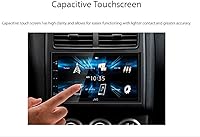
  • Display: Features a 6.75″ capacitive touchscreen that responds to finger input with the same sensitivity you would expect from a modern smartphone.
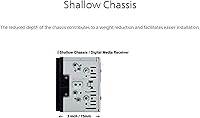
  • Form Factor: Designed for standard double-DIN dash openings, measuring 7-3/16″ wide by 4-7/16″ tall by 3″ deep.
  • Weight: The unit weighs 3.61 pounds, typical for a double-DIN receiver of this class.
  • Bluetooth: Built-in Bluetooth supports simultaneous dual-phone connection for hands-free calling and audio streaming.
  • Audio Formats: Plays MP3, WMA, FLAC, and AAC audio files from USB storage devices.
  • Equalizer: Includes a 13-band equalizer with digital time alignment and high- and low-pass filters for precise audio tuning.
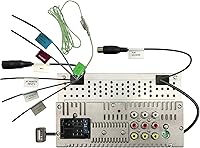
  • Preamp Outputs: Offers 5-channel RCA preamp outputs at 2 volts, covering front, rear, and mono subwoofer channels.
  • USB Port: Single rear-facing USB input supports media playback, Android rapid charging, and Android screen mirroring via cable.
  • Tuner: Built-in AM/FM tuner is included; there is no CD or DVD drive on this unit.
  • Video Inputs: Accepts a rear backup camera signal and a rear A/V input via RCA for additional video sources.
  • Video Output: Includes one rear RCA video output for connecting to a secondary display or headrest monitor.
  • Connectivity: Connectivity options include USB and RCA; there is no HDMI output despite the product listing referencing HDMI port count.
  • Video Decoding: Supports H.264, H.265, and VP9 video encoding formats for compatible video playback via USB.
  • Audio Output: Supports both mono and stereo audio output modes across a 5-channel surround configuration.
  • Color: Available in black with a flush-fit faceplate designed to blend with most factory dash interiors.
  • In the Box: Package includes the receiver unit, installation hardware, wiring harness, and a printed owner's manual.
  • Brand & Model: Manufactured by JVC under model number KW-M150BT, first made available in May 2019.

Related Reviews
JVC KW-M180BT Double DIN Car Stereo Receiver
78%
81%
Touchscreen Quality
84%
Bluetooth Performance
73%
Android Integration
88%
Audio Tuning Depth
79%
Value for Money
More
JVC KW-X850BTS
JVC KW-X850BTS
87%
92%
Bluetooth Stability
78%
Voice Assistant Integration
89%
Sound Customization
94%
Device Charging Speed
86%
Display Visibility
More
JVC KW-R950BTS Car Stereo Receiver
79%
83%
Sound Quality
86%
Bluetooth Performance
84%
Value for Money
61%
Display Readability
88%
Multi-Device Pairing
More
JVC KW-R940BTS Double DIN Car Stereo Receiver
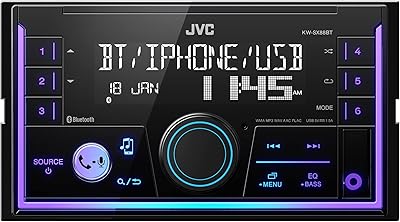
82%
88%
Bluetooth Performance
91%
Sound Quality
61%
Display Readability
83%
Ease of Installation
87%
Value for Money
More
JVC KW-SX88BT Double Din Car Stereo
78%
88%
Fitment & Installation
86%
Bluetooth Reliability
83%
Sound Quality
91%
Equalizer & Tuning
77%
Hands-Free Calling
More
JVC KD-X280BT Single DIN Car Stereo Receiver
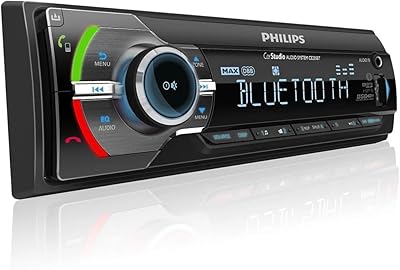
77%
83%
Bluetooth Performance
78%
Sound Quality
81%
Ease of Installation
86%
Value for Money
62%
Interface & Usability
More
Philips Single Din Bluetooth Car Stereo
74%
78%
Sound Quality
74%
Bluetooth Performance
83%
AM/FM Reception
67%
Hands-Free Calling
76%
Ease of Installation
More
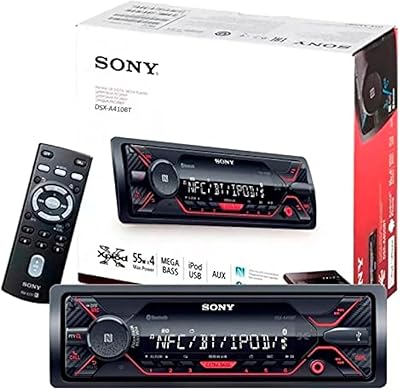
Sony DSX-A410BT Single Din Car Stereo Receiver
79%
91%
Bluetooth Connectivity
83%
Sound Quality
88%
Ease of Installation
62%
Voice Control Performance
58%
User Interface & Controls
More
JVC KD-SR87BT Single DIN CD Car Stereo
79%
83%
Sound Quality
76%
Bluetooth Performance
91%
Ease of Installation
88%
Value for Money
86%
CD & Media Playback
More
Kenwood KMM-BT270U Car Stereo Receiver
77%
83%
Sound Quality
79%
Bluetooth Performance
88%
Value for Money
67%
Build Quality
61%
Display & Visibility
More

FAQ

No, the KW-M150BT does not support CarPlay or Android Auto. Android users can mirror their screen via a USB cable, but this is a basic mirroring function — not the full Android Auto experience. iPhone users will not have a native integration option beyond Bluetooth audio and hands-free calling.

Yes. The dual-phone Bluetooth feature lets two devices stay paired and connected simultaneously. Both phones can receive calls through the unit, and you can switch audio streaming between them without going through a full re-pairing process each time.

It fits any standard double-DIN opening, which is common in a wide range of vehicles. That said, some cars require a vehicle-specific mounting kit or trim adapter to get a clean finish — it is worth checking a fitment guide for your specific make, model, and year before ordering.

It depends on your comfort level with car electronics. The unit includes a wiring harness and hardware, but double-DIN installs vary significantly by vehicle. Some are genuinely straightforward; others involve removing large sections of the dash and sourcing additional adapter kits. If you have not done a head unit swap before, budgeting for professional installation is worth considering.

The JVC KW-M150BT Bluetooth Car Stereo Receiver plays MP3, WMA, FLAC, and AAC files from USB storage. FLAC support is a real advantage here if you store lossless audio — not all receivers in this price range include it. Just make sure your USB drive is formatted in a compatible file system, as FAT32 is generally the most reliable choice.

It only includes the input — there is no camera in the box. You would need to purchase a compatible rear camera separately and run the cable to the back of the vehicle. Once connected, the display will switch to the camera feed automatically when you shift into reverse.

You connect your Android phone to the rear USB port with a cable, and the phone's screen is mirrored on the touchscreen display. It is useful for viewing navigation apps or media, but keep in mind it is a wired connection — there is no wireless mirroring option. Functionality can also vary slightly depending on the Android version and phone model.

Correct — there is no CD or DVD drive on this unit. JVC removed it to keep the profile slim and the cost down, reflecting the reality that most drivers today stream music or use USB media. If you regularly play CDs, this touchscreen receiver is not the right pick, and you should look at models that specifically include a disc drive.

The unit outputs at 2 volts across its 5-channel preamp. For most setups — especially adding a single subwoofer amp — that is perfectly adequate. If you are running a more powerful aftermarket amplifier system, some audiophiles prefer 4-volt outputs for a cleaner, stronger signal with less noise. It is worth factoring in if you plan a more ambitious audio build.

The majority of buyers report solid performance over the first year or two. However, a small number of reviews mention reliability concerns emerging after extended use — things like touchscreen responsiveness degrading or connectivity quirks developing. It is not a widespread pattern, but if longevity is a top priority, it is worth reading through recent reviews to get a current picture.

Where to Buy