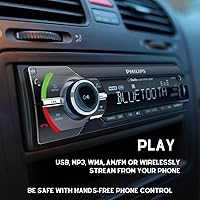
Overview

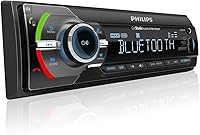
The Philips Single Din Bluetooth Car Stereo is a solid mid-range head unit aimed at drivers who want wireless connectivity without tearing apart their dashboard. Philips has been a trusted name in consumer electronics for decades, and that credibility carries some weight here. Released in January 2025, it has already accumulated over 280 ratings — a meaningful signal for a relatively new product. This is not a flagship unit; there's no CarPlay, no Android Auto, no touchscreen. What it is, though, is a practical, well-rounded upgrade for any car with a standard single-din slot — which covers a huge portion of vehicles on the road.

Features & Benefits

Bluetooth pairing is quick and stays stable during a typical commute — you can stream from your phone or take a call without fumbling for cables. The dual microphone setup is worth highlighting: there's a built-in mic in the unit itself, plus an external mic input you can position closer to the driver for cleaner call audio. The AM/FM tuner handles reception well, with digital precision and preset station memory that commuters will actually use daily. A USB port handles flash drive playback, and the AUX input keeps older devices in play. On power, the unit runs four channels at 50 watts each — that 200W figure in the specs is a peak rating, not continuous RMS, so manage expectations accordingly.

Best For

This single-din receiver makes the most sense for drivers upgrading a vehicle that still runs a factory head unit from the pre-smartphone era. If your car has a standard single-din opening and you want Bluetooth calling and streaming without overpaying for features you'll never use, this fits the bill. It's also a natural pick for DIY installers — the hardwired connection follows standard single-din conventions, so anyone who's done a basic stereo swap before should handle the install without drama. Commuters who split their listening between FM radio and phone playlists will appreciate having both handled well. Touchscreen-averse drivers will also find the physical knob and buttons genuinely refreshing compared to units that bury simple functions in swipe menus.

User Feedback

With a 4.3-star average across more than 280 ratings since launch, this Bluetooth car stereo has earned a generally favorable reception. Reviewers frequently praise how intuitive the pairing process is and how readable the display is in direct sunlight — two things that matter more than spec sheets suggest. FM reception quality also draws consistent compliments. On the other side, some users note that Bluetooth range drops off noticeably if the phone is more than a few feet from the unit, and call audio through the built-in mic gets mixed marks for clarity. A handful of buyers also flagged that the absence of CarPlay or Android Auto is a dealbreaker for them — fair point, and worth knowing before you buy.

Pros

  • Bluetooth pairing is fast and stays reliable throughout a typical daily drive.
  • The dual microphone design — built-in plus an external input option — gives hands-free calling real flexibility.
  • Digital AM/FM tuning locks onto stations cleanly with noticeably less static than older analog units.
  • Station preset memory means you never have to re-tune your regular channels from scratch.
  • USB and AUX connectivity covers everything from modern flash drives to older MP3 players and auxiliary devices.
  • Physical knob and button controls keep interaction simple and eyes focused on the road.
  • The non-touch display reads clearly at a glance, even in direct sunlight.
  • Standard single-din form factor makes this receiver a straightforward drop-in for most older vehicles.
  • Philips brand backing offers a degree of quality assurance and after-sales support over no-name alternatives.
  • A 4.3-star average across 280-plus ratings reflects genuinely solid buyer satisfaction for this price tier.

Cons

  • No Apple CarPlay or Android Auto support — a firm dealbreaker for smartphone-dependent drivers.
  • The advertised 200W output is peak power, not continuous RMS — real-world loudness may disappoint at higher volumes.
  • Bluetooth range can drop off noticeably when the connected phone moves more than a few feet from the unit.
  • The built-in microphone delivers inconsistent call clarity — many users will need to route and mount the external mic.
  • No smartphone screen mirroring, no voice assistant integration, and no navigation display of any kind.
  • The 2-band equalizer covers only basic bass and treble adjustment with no preset modes or multi-band options.
  • Wiring harness and dash kit compatibility should be confirmed for your specific vehicle trim before purchasing.
  • With limited market history so far, long-term durability and reliability data is still too sparse to draw firm conclusions.

Ratings

Our scores for the Philips Single Din Bluetooth Car Stereo were generated by AI after analyzing verified purchase reviews from buyers worldwide, with spam, bot-submitted, and incentivized feedback actively filtered out before any category was scored. Each rating reflects both the genuine enthusiasm and the real frustrations that surface repeatedly across hundreds of documented ownership experiences, so strengths are acknowledged where earned and limitations are reported with equal transparency. The result is a rating profile designed to give you a clear, no-spin picture of exactly what this head unit delivers — and precisely where it falls short.

Sound Quality
78%
22%
For a mid-range single-din unit, the audio output impresses most everyday listeners. On the morning commute or a long highway run, the four-channel amplifier pushes enough volume to fill a standard car cabin cleanly at moderate levels, and the bass response holds up well for casual listeners across genres like rock and hip-hop.
Push the volume past the midpoint and the limitations of the peak-rated amplifier start to show — some users notice distortion creeping in at high output levels. Audiophiles running upgraded aftermarket speakers will find the sustained power delivery falls short of what a dedicated external amplifier would provide.
Bluetooth Performance
74%
26%
Pairing this head unit with a smartphone is quick and consistent — most users report the connection establishes in seconds and picks back up automatically on subsequent drives. For streaming music playlists or podcasts during a daily commute, the Bluetooth link stays stable without frequent dropout or reconnection interruptions.
Range is where this single-din receiver draws complaints — several reviewers noted the connection weakens or drops if the phone is left more than a few feet away from the unit, which can be an issue in larger vehicles. There is also no NFC tap-to-pair functionality, so the initial setup always requires manual navigation through the Bluetooth menu.
AM/FM Reception
83%
FM reception is one of the consistently praised strengths of this Bluetooth car stereo — commuters who rely on talk radio during peak-hour drives report strong signal lock with less static than older factory units. Digital tuning locks precisely onto frequencies, and preset memory puts favorite stations one button press away.
AM band performance is less celebrated — users in areas with moderate AM signal strength report adequate but unremarkable reception. Drivers who frequently pass through tunnels or areas with dense interference may find fringe signal handling no better than a comparable factory head unit in those same conditions.
Hands-Free Calling
67%
33%
The dual microphone setup is a genuine differentiator at this price tier — having the option to route an external mic closer to the driver can dramatically improve call quality over relying solely on the built-in mic. For drivers who take occasional short calls, the built-in mic handles the job adequately in a quiet cabin.
For frequent callers or those who take business calls on the road, the built-in microphone gets consistently mixed marks — callers on the other end often describe the audio as muffled or distant, particularly at highway speeds with road noise. Installing the external mic is the recommended fix, but it is an extra step many buyers do not anticipate upfront.
Ease of Installation
76%
24%
For anyone who has done a basic head unit swap before, installing this single-din receiver is a familiar process — the hardwired ISO connector follows standard conventions, and the unit slots into a 1-DIN opening without any proprietary mounting tricks. Experienced DIYers report completing the full install in under two hours.
First-time installers often hit a snag when they realize a vehicle-specific wiring harness adapter is needed and sold separately — without it, the install stalls before it starts. Some reviewers also noted that fitting the trim bezel neatly around the unit in certain vehicle models took more effort than expected.
Build Quality
72%
28%
The unit feels solid and appropriately weighted for its class — at 2.23 pounds, it sits firmly in the dash without flex or rattle once properly mounted. The front panel controls have a satisfying tactile response, and several users noted the knob and buttons hold up well after months of regular daily use.
The plastic housing, while functional, has a budget-tier feel that becomes more apparent up close — it does not convey the premium material quality of higher-end head units. A handful of reviews flagged minor cosmetic issues with the faceplate finish, though structural complaints about the unit failing or breaking were rare.
Display and Interface
81%
19%
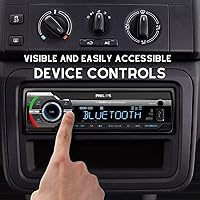
The non-touch display and physical control layout receive consistent praise for one key reason: usability while driving. Glancing at the screen to confirm the current station or track is genuinely fast, and the rotary knob lets drivers adjust volume or change source without eyes leaving the road for more than a second.
The display does not compete with modern touchscreen units — some users find the text size small in certain lighting conditions, and album art display is absent or inconsistent across streaming sources. Drivers upgrading from a touchscreen head unit may find the interface a noticeable step down in visual richness.
Value for Money
84%
At its price point, this Philips head unit packs a feature set that would cost significantly more from premium brands — Bluetooth, dual mic calling, USB, AUX, and digital AM/FM all in one unit. For budget-conscious buyers, the overall package represents solid value when weighed against the cost of upgrading each function separately.
The value equation weakens for buyers who later discover they also need to purchase a wiring harness adapter and a dash trim kit — those additional costs can add meaningfully to the total outlay. The absence of CarPlay or Android Auto also places a ceiling on its long-term appeal for anyone who upgrades their smartphone integration expectations over time.
USB and AUX Connectivity
86%
The USB and AUX inputs earn consistent praise for solving real daily problems — a flash drive loaded with playlists plays without needing a phone connection, which is handy when battery is low. The AUX jack covers older MP3 players and any device with a 3.5mm output, keeping legacy audio sources in the mix.
The USB input handles standard compressed audio files reliably, but users with large FLAC or lossless libraries may run into format compatibility gaps. There is no in-dash display of folder structure for deeply nested USB playlists, which can make navigating large collections on the road more cumbersome than expected.
Sound Customization
58%
42%
Having any tone control at this price tier is better than having none — the 2-band EQ lets casual listeners make a quick adjustment to tame harsh highs or add a little warmth to the low end on a long drive. For most everyday listening scenarios, nudging bass and treble independently covers the basic needs.
Two bands is genuinely limiting for anyone who cares about dialing in their sound — there are no mid-range controls, no genre-based presets, and no loudness compensation. Drivers who have used a 5-band or parametric EQ will immediately feel the constraint, particularly when trying to compensate for different speaker placements in the cabin.
Microphone Quality
61%
39%
Having both a built-in mic and an external mic input in the same unit is a real advantage at this price point — most comparable receivers offer only one or the other. When the external mic is properly routed and positioned near the driver, call audio improves enough that most callers report a clean, natural-sounding connection.
The built-in microphone underperforms on its own — at highway speeds or in cabins with road noise, voice clarity drops enough that callers on the other end frequently struggle to hear. This is not a unit where the hands-free calling experience works cleanly out of the box without investing time in external mic placement.
Bluetooth Range
63%
37%
For the typical use case — phone sitting in a cupholder or pocket within arm's reach of the unit — the Bluetooth connection is dependable and stays linked without interruption. Short-range streaming for music and podcasts during everyday commutes is where this single-din receiver performs most reliably.
Multiple reviewers flag the range as a limiting factor — once the phone is in a bag on the back seat or in a jacket pocket in a larger SUV, the signal noticeably degrades or drops entirely. This is a particular frustration for drivers who prefer not to keep their phone permanently mounted in a front holder.
Feature Set
69%
31%
Covering Bluetooth streaming, AM/FM radio, USB playback, AUX input, and hands-free calling in a sub-flagship unit is a respectable breadth of functionality. For drivers upgrading from a completely bare factory head unit, every single one of these features represents something they did not previously have access to in the car.
The lack of Apple CarPlay and Android Auto is the most cited limitation in reviews — there is no firmware update or adapter that adds these features after purchase. Buyers who are fine without smartphone mirroring today but anticipate wanting it within a few years may find this head unit has a shorter practical lifespan than expected.
Brand Reliability
79%
21%
Philips carries meaningful brand equity in the consumer electronics space — buyers report feeling more confident choosing this over unbranded alternatives, and that trust is backed by an established support infrastructure. The early 2025 release date is recent, but the 280-plus rating pool already paints a picture of consistent performance for most buyers.
Long-term durability data is limited given the early 2025 launch — there has not been enough time in market to assess how the unit holds up after two or three years of daily use. Warranty terms and service response quality from the Philips car audio division are also not as well-documented as those from more established automotive audio brands.

Suitable for:

The Philips Single Din Bluetooth Car Stereo is the right call for drivers who simply want to modernize an older vehicle without overcomplicating the process. If your car has a standard single-din dash opening and you have been stuck with a factory head unit that offers no Bluetooth, no USB, and no way to take a hands-free call, this receiver addresses all of that in a single swap. It works especially well for daily commuters who want to keep FM radio as their main source during the morning commute while having the option to stream music or podcasts from their phone in the afternoon. DIY installers will appreciate the familiar single-din format — standard wiring conventions apply, and most vehicles will not require unusual adapters or proprietary mounting hardware. Safety-focused drivers who actively prefer physical knobs and buttons over swipe-heavy touchscreens will also find this head unit a genuinely distraction-reducing choice behind the wheel.

Not suitable for:

If Apple CarPlay, Android Auto, or any form of wired smartphone mirroring is non-negotiable for you, the Philips Single Din Bluetooth Car Stereo will fall short — these features are simply absent, and no software update will ever add them. Audiophiles or drivers running a serious aftermarket speaker setup should also look elsewhere; the 200W figure in the specs is peak output across all four channels combined, not continuous RMS, which means the real sustained power delivery is considerably more modest than that number implies. Anyone who wants a large touchscreen for browsing playlists, viewing album art, or managing calls will find the physical-control display limiting by current head unit standards. Drivers whose vehicle has a double-din dash opening would also be wasting usable space on a single-din unit, when a double-din model at a comparable price could offer more screen real estate and a richer feature set. Finally, frequent callers may find the built-in mic alone insufficient for clear audio pickup without taking the extra step of routing and mounting the external microphone.

Specifications

  • Form Factor: The unit uses a standard 1-DIN (single-din) chassis, designed to fit vehicle dash openings that follow the industry-standard single-slot format.
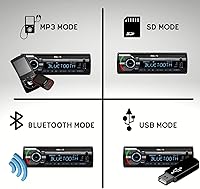
  • Connectivity: Supported input methods include Bluetooth for wireless audio and hands-free calling, a USB port for flash drive playback, and an AUX-in jack for wired external devices.
  • AM/FM Radio: The built-in tuner covers both AM and FM bands with digital precision tuning and station preset memory for instant access to saved channels.
  • Amplifier Output: The internal amplifier is rated at 50 watts per channel across four channels, with a combined peak total of 200W — this figure represents peak output, not continuous RMS power.
  • Equalizer: A 2-band equalizer allows independent adjustment of bass and treble levels to suit individual listening preferences.
  • Microphone: The unit includes a built-in microphone for hands-free calling and provides a dedicated external microphone input for improved voice pickup flexibility.
  • Display: A non-touch screen shows source information, station names, and track metadata, with all navigation handled through front-panel physical controls.
  • Controls: User interaction is managed through tactile front-panel buttons and a rotary knob for volume and menu navigation, with no touchscreen component included.
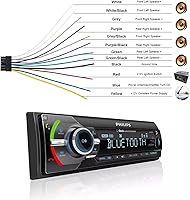
  • Connector Type: Vehicle connection is hardwired via a standard ISO wiring harness connector, which typically requires a vehicle-specific wiring harness adapter for most car models.
  • Compatible Devices: Bluetooth functionality works with smartphones and tablets that support standard A2DP (audio streaming) and HFP (hands-free profile) Bluetooth protocols.
  • Audio Output Mode: Audio output is two-channel stereo, routed through the internal amplifier to up to four speaker connections.
  • Dimensions: Package dimensions measure 8.43 x 6.77 x 3.94 inches, with the head unit itself conforming to standard 1-DIN sizing conventions.
  • Weight: The unit weighs 2.23 pounds, which is typical for a single-din head unit of this class.
  • Color: The unit is finished in black, consistent with the standard appearance expected for most factory and aftermarket dash openings.
  • Brand: Manufactured by Philips, a globally recognized consumer electronics brand with a long-established presence across audio and home electronics markets.
  • Release Date: This model was first made available in January 2025, making it a recent addition to the Philips car audio range.
  • Customer Rating: The unit holds a 4.3 out of 5 star average rating based on over 280 verified customer reviews collected since its launch.

Related Reviews
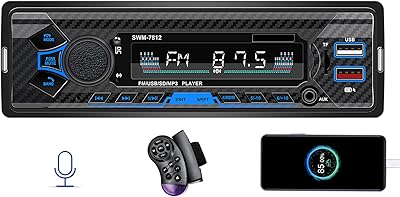
DWMM Single Din Bluetooth Car Stereo System
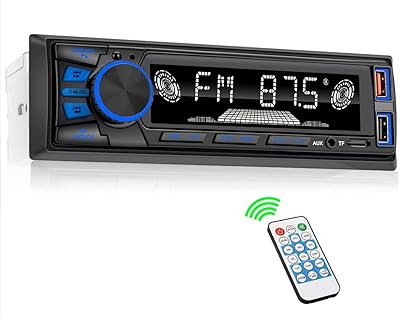
83%
87%
Ease of Installation
91%
Bluetooth Connectivity
75%
Sound Quality
89%
Value for Money
84%
User Interface & Display
More
REAKOSOUND 820s Single DIN Car Stereo
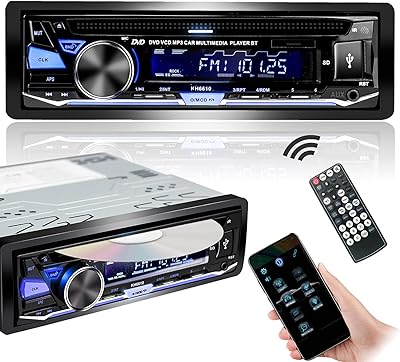
69%
88%
Value for Money
83%
Bluetooth Performance
56%
FM Radio Reception
67%
Sound Quality
76%
Ease of Installation
More
Hengweili KH6610 Single-Din Car Stereo Receiver
69%
83%
Value for Money
86%
Ease of Installation
78%
CD & DVD Playback
67%
Bluetooth Performance
59%
Sound Quality
More
Mantian Single Din Car Stereo DVD Player
66%
74%
Value for Money
78%
Bluetooth Performance
51%
Build Quality
71%
Ease of Installation
76%
Media Playback
More
Alondy CarPlayer-DVD Single Din Car Stereo
81%
85%
Audio Quality
88%
Bluetooth Connectivity
90%
FM/AM Radio Reception
92%
Ease of Installation
91%
Value for Money
More
Pyniro ZX-US-CLP4B-1 Single DIN Car Stereo
72%
83%
Value for Money
78%
CarPlay & Android Auto Performance
81%
Screen Quality
72%
Backup Camera Quality
61%
Installation Experience
More
Soundstream VR-65B 6.2″ Double-DIN Car Stereo
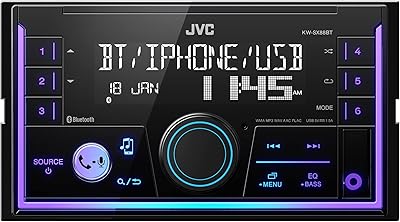
67%
83%
Value for Money
78%
Bluetooth Performance
61%
Touchscreen Responsiveness
67%
Audio Quality
71%
Ease of Installation
More
JVC KW-SX88BT Double Din Car Stereo
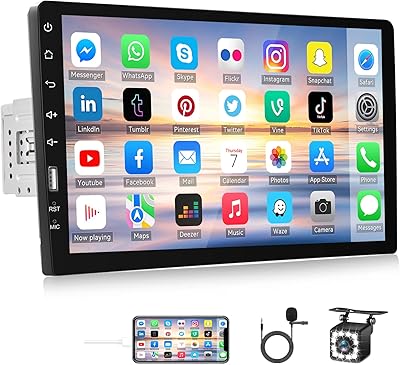
78%
88%
Fitment & Installation
86%
Bluetooth Reliability
83%
Sound Quality
91%
Equalizer & Tuning
77%
Hands-Free Calling
More
CAMECHO Q3508 9-Inch Single Din Car Stereo
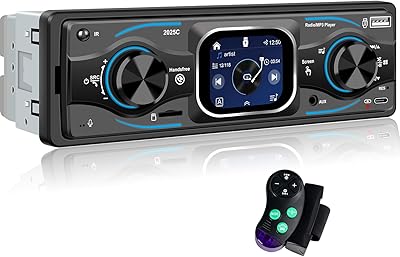
67%
78%
Value for Money
61%
Screen Quality
63%
Bluetooth Performance
74%
Backup Camera Quality
38%
Mirror Link
More
METEESER 5.1-Inch Single Din Car Stereo
62%
76%
Value for Money
61%
CarPlay & Android Auto
54%
Touchscreen Responsiveness
63%
Backup Camera
58%
Bluetooth Stability
More

FAQ

No — the Philips Single Din Bluetooth Car Stereo does not support CarPlay or Android Auto, and there is no adapter or workaround that adds this functionality after purchase. If smartphone screen mirroring is a firm requirement, you will need a double-din unit with those features built in. This receiver focuses on Bluetooth streaming and hands-free calling rather than full smartphone integration.

Put the unit into Bluetooth pairing mode using the source menu, then search for the device from your phone's Bluetooth settings and confirm the connection. Most users report the process takes well under a minute. Once paired, the unit stores your device in memory and reconnects automatically the next time you start the car.

That 200W figure is a combined peak rating across all four channels, so each channel is rated at 50 watts peak — not continuous RMS. Real-world sustained output will be noticeably lower, which is standard for this category of head unit. For driving a typical factory four-speaker setup at normal listening volumes, it performs well, but it is not built to push high-impedance aftermarket speakers at sustained high output without distortion.

If your vehicle has a standard 1-DIN dash opening — roughly 2 inches tall by 7 inches wide — this single-din receiver will physically fit. You will almost certainly need a vehicle-specific wiring harness adapter and possibly a trim surround to fill any gap around the unit. A fitment lookup tool such as the one offered by Metra or Crutchfield can confirm compatibility for your exact make, model, and year before you buy.

Yes, the USB port reads audio files from flash drives directly, with no phone connection needed. You plug in the drive, select USB as your active source, and navigate your tracks using the front-panel controls. It is a convenient option for listeners who keep large playlists saved locally and prefer to keep their phone free.

Opinions from real users are mixed on this point. Quick calls in a quiet car tend to go fine, but callers on the other end sometimes report the audio sounding slightly distant through the built-in mic. The external microphone input exists precisely for this reason — positioning a separate mic closer to the driver noticeably improves call clarity, and taking that extra installation step is worth it if you make frequent calls on the road.

If you have swapped a head unit before, this is a routine job — the hardwired ISO connector follows standard conventions, and with the right wiring harness adapter for your car, most experienced DIYers can complete the install in a couple of hours. If this is your first time working with car audio wiring, it is worth either doing some research beforehand or having a local car audio shop handle it, since wiring mistakes can damage your vehicle's electrical system.

This Bluetooth car stereo supports five input sources: FM radio, AM radio, Bluetooth audio streaming from a paired device, USB flash drive playback, and AUX-in via a 3.5mm cable. Switching between them is done through the front-panel buttons, and the display updates immediately to confirm the active source.

It depends on the Bluetooth profile your phone uses during streaming. Many devices pass through basic track metadata such as song title and artist name, which the display will show. However, not all phones and streaming apps transmit this data consistently, so your experience may vary depending on your specific device and the app you are using.

Most users report the FM reception on this head unit is on par with or slightly better than a standard factory radio. The digital tuner locks onto strong local stations cleanly with minimal static, and the preset memory makes it fast to jump between your regular channels. On weak or fringe signals you may notice some noise, which is common with any aftermarket head unit operating at the edges of a station's broadcast range.