Overview

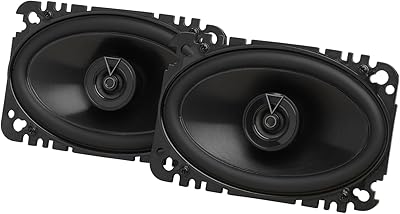
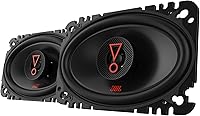
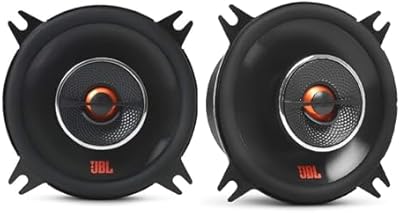
The JBL Stage 36427 4×6 Coaxial Car Speakers sit in JBL's Stage 3 lineup — a series aimed squarely at drivers who are tired of the flat, lifeless sound that comes standard from most factory systems. The 4×6-inch coaxial format matters here: it drops directly into existing OEM mounting locations, making a swap straightforward without any custom fabrication. JBL has been a credible name in car audio for decades, and the Stage 3 represents their accessible tier — not their flagship, but a step well above unknown brands. One thing worth flagging early: these run at 3 ohms, which is fine for most stock head units but worth verifying before adding an aftermarket amplifier.
Features & Benefits

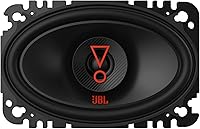
The Plus One woofer cone is the headlining design choice here — a larger-than-standard radiating surface that squeezes out up to 2dB more efficiency, translating to noticeably fuller output without demanding extra power from your head unit. Paired with an edge-driven dome tweeter, high frequencies spread wider and stay composed at higher volumes rather than turning shrill. The vented basket frame quietly does important work too, keeping the voice coils cooler during longer drives. At 91dB sensitivity, these JBL coaxial speakers run comfortably off stock stereos. The two-way coaxial configuration means no external crossover to wire in — just mount, connect, and you are done.

Best For

This Stage 3 speaker set makes the most sense for anyone replacing tired, paper-thin OEM speakers in a vehicle that already has 4×6-inch cutouts. It is a strong fit for daily commuters who want vocals and mid-range detail to come through clearly on podcasts or talk radio, rather than chasing deep bass — the 75Hz low-end floor is honest but not earth-shaking. DIY-friendly installation means no shop visit required to get these in. For drivers in tighter vehicles where mounting constraints rule out a full component speaker system, these JBL coaxial speakers offer a practical, brand-backed upgrade without the complexity.

User Feedback

With a 4.3-out-of-5 rating across roughly 135 reviews, the Stage 36427 pair earns consistent praise — though that sample size warrants some caution before drawing broad conclusions. Buyers frequently highlight the improvement in vocal clarity and warmth compared to factory units, with several noting the difference was immediately obvious at moderate volumes. The recurring criticism, predictably, centers on bass: at 4×6 inches, these cannot defy physics, and anyone expecting thumping low-end without a subwoofer will be let down. A handful of buyers running an external amp reported a clear step up in overall presence. Fitment appears smooth for most applications, with occasional vehicle-specific caveats noted.

Pros

  • Vocals and mid-range detail improve immediately and noticeably compared to stock factory speakers.
  • The standard 4×6-inch footprint makes installation a genuine plug-and-play process in compatible vehicles.
  • High sensitivity means satisfying output levels from a factory head unit — no amplifier required.
  • The Plus One woofer cone extracts more efficiency from the driver without demanding extra power.
  • Edge-driven dome tweeter keeps high frequencies smooth and wide rather than harsh and narrow.
  • The vented basket design helps manage heat during long drives without audible sound compression.
  • JBL brand backing means active online communities, installation guides, and forum support are easy to find.
  • A modest external amp in the 40–50W range unlocks a clear step up in dynamics and presence.
  • These JBL coaxial speakers cover a wide vehicle compatibility range across several popular OEM footprints.
  • Clean, compact packaging with all necessary mounting hardware included — nothing critical is missing from the box.

Cons

  • Bass output below roughly 80Hz is thin — a subwoofer is essentially mandatory for low-end satisfaction.
  • The 3-ohm impedance requires an amplifier compatibility check that a standard 4-ohm speaker would skip.
  • Grilles feel noticeably lightweight and can rattle slightly if not seated flush during installation.
  • Included installation documentation is minimal — first-time DIYers will need to find external guidance.
  • Long-term durability is harder to assess confidently given the relatively small buyer review pool.
  • Upper-midrange coloration becomes noticeable on busy mixes when pushed toward higher volume levels.
  • Tweeter longevity appears to shorten meaningfully when paired with aggressive high-power amplification.
  • Warranty support has drawn inconsistent feedback — the post-purchase service experience is not always smooth.
  • Competing brands at a similar price point offer slightly stronger bass extension in the same speaker format.
  • Stereo imaging is inherently constrained by the coaxial design — component systems still outperform here.

Ratings

The JBL Stage 36427 4×6 Coaxial Car Speakers earn a solid collective standing based on AI-driven analysis of verified global buyer reviews, with spam, bot-submitted, and incentivized feedback actively filtered out before scoring. Across categories ranging from sound clarity to installation ease, the scores reflect real-world patterns — not marketing claims — so both the genuine strengths and the honest limitations of this Stage 3 speaker set are represented transparently.
Sound Clarity
86%
Buyers consistently single out vocal and mid-range reproduction as the most immediate improvement over factory speakers. Dialogue on podcasts, talk radio, and acoustic tracks comes through with noticeably better definition, even at moderate volume levels on a stock head unit.
At the upper end of the volume range, some listeners detect a slight hardness creeping into the upper mids. It is not a dealbreaker, but those with sensitive ears and a preference for extended listening sessions may notice the limitation.
Bass Response
54%
46%
For a 4×6-inch coaxial driver, the low-end extension is reasonable. The Plus One cone design helps these JBL coaxial speakers produce more weight in the 80–120Hz range than competing same-size OEM replacements, which makes a real difference on bass-forward tracks during city driving.
A 75Hz floor is a physical reality, not a flaw, but buyers expecting punchy bass from these alone will be disappointed. Without a dedicated subwoofer in the system, low-end music genres like hip-hop and EDM feel noticeably thin, and this comes up repeatedly in critical reviews.
High-Frequency Performance
81%
19%
The edge-driven dome tweeter spreads high frequencies across a wider angle than a standard center-mounted design, which makes a practical difference in cars where the listener sits off-axis from the speaker. Cymbal detail and sibilance on vocals are rendered cleanly without excessive brightness.
At higher gain settings, the tweeter can edge toward stridency on compressed streaming audio. Buyers using low-bitrate sources over Bluetooth reported this more often than those playing lossless or CD-quality audio.
Installation Ease
89%
The direct 4×6-inch OEM footprint is the single biggest practical advantage for DIY installers. Most buyers report a clean drop-in fit with factory wiring harnesses and no need for adapter brackets in common vehicle applications. The included hardware covers the essentials.
A small number of buyers flagged fitment snags in specific vehicle models — particularly where OEM mounting depth differs from the Stage 36427 pair's basket depth. Checking vehicle-specific fitment guides before ordering is worth the extra five minutes.
Sensitivity & Head Unit Compatibility
88%
At 91dB sensitivity, these speakers get genuinely loud from a factory head unit without any amplification. Daily commuters who have no intention of adding external hardware will find that this Stage 3 speaker set delivers satisfying output from whatever came installed in their dash.
The 3-ohm impedance, while manageable for most modern OEM receivers, does require a compatibility check before pairing with an aftermarket amplifier. Amps rated for 4-ohm minimum loads may run warmer or trigger protection modes under sustained high output.
Power Handling
77%
23%
The 35W RMS rating maps well to mid-range head units, and buyers running a modest external amp in the 40–50W-per-channel range reported a clear, controlled step up in dynamics. The vented basket helps manage heat during longer drives without audible compression artifacts.
The 175W peak figure is a marketing ceiling, not a practical operating point. Sustained high-power use noticeably stresses the drivers, and a few buyers who paired these with aggressive amplification reported early fatigue in the tweeter over several months.
Build Quality
74%
26%
The basket frame feels solid for the price tier, and the overall construction inspires reasonable confidence during handling and installation. The vented design adds a functional engineering detail that reflects more care than competing entry-level car speakers in this size class.
Up close, the plastic components show their cost origins. The grilles in particular feel lightweight, and a couple of buyers noted minor rattling at high volumes when the grille was not seated flush — something that a careful installation largely avoids but is worth knowing.
Value for Money
83%
Measured against what the Stage 36427 pair actually delivers — JBL-branded audio with a meaningful sonic upgrade over factory drivers — the return on investment holds up well. For commuters who want better sound without committing to a full system build, the value proposition is clear.
There are competent alternatives at similar price points from Pioneer and Kenwood that offer slightly deeper bass extension. Buyers who research broadly may find comparable mid-range performance elsewhere, which is worth acknowledging rather than dismissing.
Midrange Presence
84%
This is where these JBL coaxial speakers genuinely shine day-to-day. Male and female vocals, acoustic guitar, and spoken-word content all benefit from the warmer, fuller midrange character compared to the typically scooped sound of OEM speaker cones.
The midrange can occasionally feel slightly forward in busy mixes — genres with dense layering like orchestral or progressive rock can sound slightly congested when pushed. This is a minor coloration rather than a fundamental flaw, but purists will pick up on it.
Stereo Imaging
68%
32%
Given the coaxial format and a careful door-panel installation, the Stage 36427 pair produces a reasonably coherent soundstage for a factory-replacement setup. Vocals lock to a fairly stable center position at moderate listening volumes, which is more than most OEM replacements manage.
Stereo imaging is inherently limited in a full-range coaxial design compared to a component speaker system with a separately mounted tweeter. Buyers who prioritize a wide, precise stereo image will ultimately find this format restrictive regardless of the speaker's individual quality.
Longevity & Durability
71%
29%
The vented basket and build tolerances suggest JBL engineered these for sustainable real-world use rather than just short-term performance. Buyers who have run the Stage 3 speaker set for over a year without an external amp report no notable degradation in sound character.
Long-term durability data is limited given the review pool size of roughly 135 ratings. A handful of buyers reported tweeter issues after aggressive high-power use, which suggests running these conservatively without amplification is the smarter long-term play.
Packaging & Unboxing
78%
22%
Both speakers arrive well-protected with minimal but adequate padding for transit. The box presentation is clean and consistent with JBL's brand standards, and buyers report that all included hardware arrived intact and ready to use without hunting for missing components.
The included documentation is thin — installation instructions are minimal, and there is no vehicle compatibility guide in the box. First-time installers will need to rely on third-party resources or YouTube walkthroughs, which is a small but genuine gap for a brand at this tier.
Compatibility Range
72%
28%
The standard 4×6-inch format covers a wide range of popular vehicles from the mid-1990s onward, including many Ford, Mazda, and Chrysler platforms. Buyers replacing rear deck or door speakers in these applications report direct fit with no modifications required.
The 3-ohm impedance narrows the amplifier compatibility window compared to a standard 4-ohm driver. Buyers planning a future amplifier upgrade need to verify compatibility upfront or risk either underperformance or amp protection trips at higher output levels.
Brand Trust & Support
80%
20%
JBL's established presence in car audio means replacement parts, online support forums, and community installation guides are readily accessible. Buyers attach real value to purchasing from a recognizable manufacturer with a history in the category rather than an unknown import label.
Warranty support for this product tier is described as limited, and a few buyers reported friction when attempting to resolve issues through official channels. For a brand of JBL's stature, the post-purchase support experience could be more consistent.

Suitable for:

The JBL Stage 36427 4×6 Coaxial Car Speakers are the right call for drivers who are done tolerating the flat, lifeless sound of worn or underpowered factory speakers and want a meaningful upgrade without tearing into a full audio build. If your vehicle already has 4×6-inch speaker cutouts — common in a wide range of Ford, Mazda, and Chrysler models from the mid-1990s onward — these drop straight in without adapter plates or custom fabrication. They work particularly well for daily commuters who spend significant time listening to podcasts, talk radio, or vocal-heavy music and want clearer, warmer reproduction from a stock head unit. DIY installers will appreciate the coaxial format: no external crossover to wire in, no complex tuning, just mount and connect. Anyone who wants a recognizable, well-regarded audio brand at a realistic spend without committing to component speakers, an amp, and a full wiring overhaul will find this Stage 3 speaker set hits a practical sweet spot.
Not suitable for:

The JBL Stage 36427 4×6 Coaxial Car Speakers are the wrong choice if deep, physical bass is a priority — a 4×6-inch driver simply cannot move enough air to satisfy bass-heavy listening habits, and no amount of brand engineering changes that physical reality. Fans of hip-hop, EDM, or any genre where low-end punch defines the experience will find these speakers thin without a dedicated subwoofer in the mix, regardless of what head unit or amp is driving them. Audiophiles chasing a wide, precisely imaged stereo stage should look toward a component speaker system with separately mounted tweeters instead — coaxial designs inherently limit that kind of spatial precision. Buyers planning to run a high-powered aftermarket amplifier also need to double-check compatibility carefully, since the 3-ohm impedance rating sits outside the 4-ohm minimum that many amps specify. And if you are expecting the kind of long-term durability documentation that comes with a larger review base, know that roughly 135 ratings is a relatively modest sample — enough to spot trends, but not enough to draw ironclad conclusions about multi-year reliability.

Specifications

  • Speaker Size: Each driver measures 4×6 inches, a standard OEM footprint that fits directly into factory mounting locations on a wide range of vehicles.
  • Speaker Type: Two-way coaxial design integrates the woofer and tweeter into a single unit, eliminating the need for a separate crossover component.
  • Peak Power: Each speaker handles up to 175W at peak, though this represents a short-term maximum rather than a sustainable operating level.
  • RMS Power: Continuous power handling is rated at 35W RMS per speaker, which aligns well with the output range of most factory and entry-level aftermarket head units.
  • Sensitivity: Rated at 91dB at 2.83V measured at one meter, meaning these speakers produce strong output levels without requiring an external amplifier.
  • Frequency Response: The drivers cover a range from 75Hz to 20kHz, delivering clear mid-range and high-frequency reproduction but without meaningful sub-bass extension.
  • Impedance: Nominal impedance is 3 ohms, which is compatible with most OEM head units but requires compatibility verification before pairing with an aftermarket amplifier.
  • Tweeter Type: An edge-driven dome tweeter handles high-frequency reproduction, providing wider dispersion and smoother output compared to center-mounted piezo designs.
  • Woofer Technology: The Plus One cone design uses a larger-than-standard radiating surface to improve efficiency by up to 2dB over conventional same-size woofer cones.
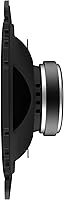
  • Basket Design: The vented basket frame allows airflow around the voice coil during operation, reducing heat buildup and supporting consistent performance on longer drives.
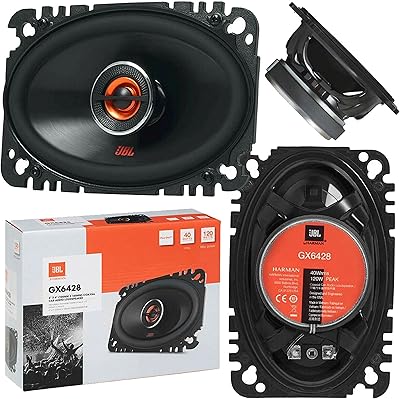
  • Included Items: Each package contains two fully assembled speakers along with the mounting hardware necessary for a standard OEM-replacement installation.
  • Series: These speakers belong to JBL's Stage 3 lineup, positioned as an accessible upgrade tier above generic OEM replacements but below JBL's higher-end Club and GTO series.
  • Mounting Type: Designed for direct car-mount installation into existing 4×6-inch factory speaker cutouts without requiring custom adapter plates in most applications.
  • Color: Both speakers are finished in black, which blends with standard vehicle door panel and rear deck aesthetics.
  • Item Weight: The combined package weight is approximately 2.42 pounds, reflecting the compact and lightweight construction typical of coaxial car speakers in this size class.
  • Connectivity: Wired coaxial connection with standard speaker terminals compatible with conventional vehicle wiring harnesses and aftermarket connectors.
  • Audio Channels: Configured for 2.0 stereo output, with each speaker operating as a full-range driver covering both mid and high frequencies independently.
  • Warranty: JBL covers this product under a limited warranty, the specific duration and terms of which should be confirmed directly through JBL's official support channels at time of purchase.

Related Reviews
JBL GX642 4″ x 6″ 2-Way Coaxial Car Speakers
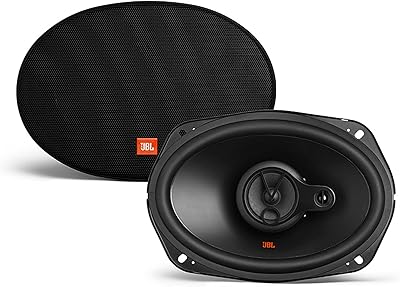
84%
89%
Sound Clarity
75%
Bass Response
91%
Ease of Installation
92%
Value for Money
80%
Compatibility with Car Models
More
JBL Stage 9603 6″x9″ Coaxial Car Speakers
78%
81%
Sound Clarity
72%
Bass Response
67%
Treble & High-Frequency Detail
88%
Value for Money
83%
Build Quality
More
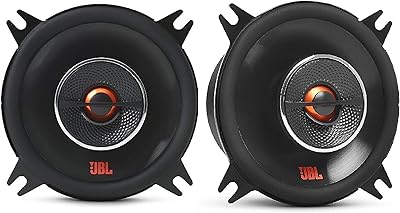
JBL Stage2 424FHI 4″ Coaxial Car Speakers
86%
94%
Sound Clarity (High Frequencies)
75%
Bass Response
88%
Ease of Installation
89%
Build Quality
80%
Power Output
More
JBL GX402 4″ Coaxial Car Audio Speakers
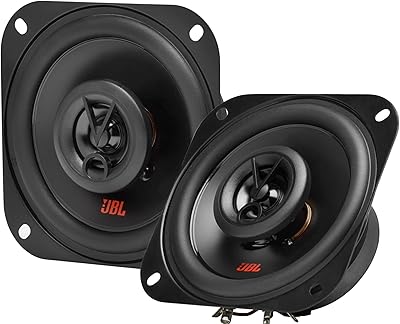
88%
88%
Sound Quality
84%
Bass Performance
91%
High Frequency Clarity
92%
Installation Ease
87%
Build Quality
More
JBL CLUB6520 6.5″ Coaxial Car Speakers
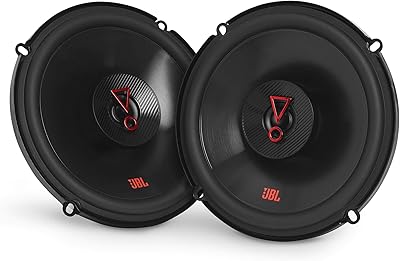
77%
84%
Sound Clarity
61%
Bass Response
88%
Sensitivity & Volume Output
86%
Installation Ease
79%
Build Quality
More
JBL Stage 3627F 6.5″ Car Audio Speaker
85%
89%
Sound Quality
92%
Value for Money
85%
Installation Ease
88%
Build Quality
91%
Volume Handling
More
JBL GX428 4-Inch 2-Way Coaxial Car Speakers
75%
83%
Sound Clarity
44%
Bass Response
91%
Installation Ease
78%
Value for Money
67%
Build Quality
More
JBL Club 644F 4×6 Two-Way Car Speakers
86%
88%
Sound Quality
92%
Ease of Installation
67%
Bass Performance
85%
Build Quality
89%
Durability
More
JBL GX602 6.5″ 2-Way Coaxial Car Speakers
85%
89%
Sound Clarity
70%
Bass Performance
93%
Installation Ease
85%
Build Quality
82%
Durability
More
JBL Stage 602 6-1/2″ 2-Way Coaxial Speakers
82%
88%
Sound Quality
85%
Bass Performance
83%
Treble Clarity
91%
Installation Ease
82%
Build Quality
More

FAQ

Your factory head unit will work fine. These speakers are rated at 91dB sensitivity, which means they get genuinely loud from the relatively modest output of a stock stereo. Most daily drivers run the Stage 36427 pair straight off OEM head units without any issues. An external amp is optional, not required.

In most cases, yes. The JBL Stage 36427 4×6 Coaxial Car Speakers are engineered as a direct OEM-replacement format, so they drop into standard 4×6-inch factory cutouts. That said, mounting depth can occasionally vary between vehicle models, so it is worth checking a vehicle-specific fitment guide before ordering just to be safe.

The difference is noticeable right away, particularly in vocal clarity and mid-range warmth. Stock OEM speakers tend to sound flat and lacking in detail — these JBL coaxial speakers open that up considerably. The improvement is most obvious on speech, acoustic music, and anything with prominent vocals.

Honest answer: if bass is important to you, a subwoofer will still be needed. These speakers bottom out around 75Hz, so deep, physical low-end simply is not in their range regardless of how they are powered. For casual listening and genres like pop, rock, or talk audio they are perfectly satisfying, but bass-heavy music will sound thin without additional support.

They can work with an amp, but there is an important caveat. These speakers are rated at 3 ohms rather than the more common 4 ohms. Before buying an amp, confirm that it is stable at 3-ohm loads — some entry-level amps specify a 4-ohm minimum and may run hot or trigger protection circuits if they are not rated for lower impedance.

Installation is about as straightforward as car speakers get. The coaxial format means there is no external crossover to wire in — just remove the old speakers, connect the harness, and mount the new ones. Most people with basic hand tools and a free afternoon can get these in without any professional help.

Based on available buyer feedback, these speakers hold up well under normal daily use when driven off a head unit at reasonable volumes. Longevity appears to shorten if they are pushed hard with a high-powered amplifier for extended periods, particularly for the tweeter. Running them conservatively is the smarter long-term approach.

Both speakers are included in a single package. You get a matched pair along with the necessary mounting hardware, so there is nothing additional to source for a standard two-speaker door or rear-deck installation.

Yes, the 4×6-inch format is commonly used in rear deck positions in many vehicles, and the Stage 3 speaker set is well-suited for either location. Rear deck positioning can actually enhance the sense of spaciousness in the cabin, particularly for passengers in the back.

Like most speaker drivers, there is a modest break-in period during which the surround and spider loosen up slightly. Most listeners notice the sound opens up a little after the first several hours of use at moderate volume. It is not dramatic, but playing them at low-to-moderate levels for the first few hours before pushing the volume is generally good practice.