Overview

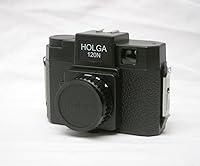
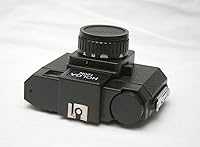
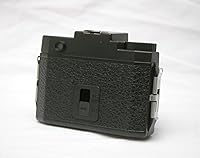
The Holga 120N Plastic Medium Format Camera has earned a devoted following since its debut in 2003, and for good reason. Built entirely from plastic — lens included — this lo-fi film shooter produces images defined by soft edges, heavy vignetting, and an unpredictable charm that no digital filter can replicate. Medium format simply means the camera uses 120 film, which is physically larger than standard 35mm, giving frames a richer, more painterly quality even when things go slightly wrong. The Holga 120N is not engineered for precision. Its quirks are the whole point — and that understanding is what separates people who love it from those who do not.

Features & Benefits

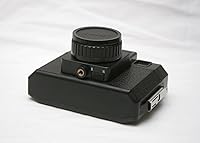
The plastic medium format camera gives you two ways to shoot a roll of 120 film: load the 6x6cm mask for 12 square frames, or swap in the 6x4.5cm mask for 16 slightly smaller ones. Shutter control is refreshingly stripped down — Normal mode fires at 1/100s for most outdoor situations, while Bulb mode holds the shutter open as long as you press, opening up light painting and long-exposure work. Aperture choices are equally simple: f/11 in bright sun, f/8 in shade or with flash. A hot shoe adapter and standard tripod mount round things out, and at just 12 ounces, the camera never feels like a burden to carry.

Best For

This lo-fi film shooter is a natural fit for anyone who wants to try medium format without committing to a serious investment. If you have never shot 120 film before, the simplicity here is genuinely helpful — no complex menus, no exposure programs to navigate. Experienced analog photographers also gravitate toward this plastic medium format camera when they want something unpredictable and expressive alongside more technical gear. Lomography fans will feel right at home given how much character each roll produces. It also travels well, making it a popular pick for street photography, portraits, or just wandering with no particular agenda. Low stakes, high reward.

User Feedback

Across hundreds of reviews, image character is what buyers keep returning to — the vignetting, the soft center blur, the occasional surprise on a developed roll. Most people treat these inconsistencies as the whole point of owning this camera. That said, a recurring practical note is worth flagging: light leaks can be an issue straight out of the box, and many owners recommend taping the body seams before shooting your first roll. Loading 120 film for the first time also catches some newcomers off guard, since it differs from loading 35mm. Experienced film photographers tend to embrace it fully as a creative companion to more precise gear — something to reach for when you want to stop overthinking and just shoot.

Pros

  • Genuinely affordable entry point into medium format and 120 film photography.
  • The dual film mask system gives you flexibility between square and rectangular frame formats on the same roll.
  • Bulb mode opens up long-exposure and light-painting possibilities that go well beyond what most cameras at this price offer.
  • At just 12 ounces, this lo-fi film shooter is light enough to take anywhere without a second thought.
  • Vignetting and soft focus produce an immediately distinctive aesthetic that is difficult to replicate digitally.
  • Hot shoe adapter and tripod mount add real utility for creative or low-light setups.
  • A large, loyal community means tips, tutorials, and inspiration are easy to find online.
  • Neck strap and both film masks are included, so you can start shooting right away.
  • Rated 4.2 out of 5 across hundreds of verified purchases, reflecting genuine satisfaction among its target audience.

Cons

  • Light leaks through the body seams are a common issue and often require taping before your first serious roll.
  • Loading 120 film for the first time has a learning curve that can catch complete beginners off guard.
  • The plastic lens produces unavoidable softness — there is no way to achieve sharp, precise focus across the frame.
  • Exposure control is extremely limited, which makes it poorly suited for varied or challenging lighting conditions.
  • Results are inherently inconsistent from roll to roll, which can be maddening if you have a specific shot in mind.
  • 120 film is more expensive and harder to find than 35mm, adding ongoing cost to an otherwise budget-friendly camera.
  • The viewfinder is quite small and approximate, making accurate framing difficult in practice.
  • No built-in flash, so low-light shooting requires sourcing and attaching an external unit separately.

Ratings

Our AI has analyzed verified global user reviews for the Holga 120N Plastic Medium Format Camera, actively filtering out incentivized, bot-generated, and spam submissions to surface what real buyers genuinely think. The scores below reflect a transparent synthesis of both what this lo-fi film shooter does well and where it falls short — no glossing over the frustrations. Whether you are considering it as a first medium format camera or a creative companion to more serious gear, these ratings are designed to help you decide with confidence.

Image Character
93%
This is the single most celebrated aspect of the Holga 120N among buyers worldwide. The signature vignetting, dreamy soft focus, and unpredictable tonal rendering give each roll a painterly quality that digital filters simply cannot replicate convincingly. Photographers consistently describe developed rolls as genuinely exciting to look through.
For anyone expecting technical sharpness or consistent results across a roll, the output will be deeply disappointing. The plastic lens introduces distortion and blur by design, and there is no way to control or correct for these traits in-camera or in post-processing.
Value for Money
88%
At its price point, getting a functional medium format camera with dual film masks, a hot shoe adapter, and Bulb mode capability is remarkable. Most buyers feel the cost is justified after just one developed roll, especially given how expensive dedicated lomography cameras from competing brands can be.
The ongoing cost of 120 film adds up quickly, and the camera itself offers so little control that some buyers eventually feel they have outgrown it. A handful of reviewers felt the light leak issue out of the box made the initial experience feel underdelivered for the price.
Ease of Use
76%
24%
The stripped-down control set — two apertures, two shutter modes — means there is very little to learn before heading out to shoot. Experienced photographers who just want to point, shoot, and enjoy the results without overthinking exposure find this refreshingly liberating on casual outings.
Loading 120 film for the first time genuinely trips people up, particularly those coming from digital or 35mm backgrounds. The paper-backed spool system is unfamiliar and fiddly until you have done it a few times, and a bad load can ruin an entire roll.
Build Quality
61%
39%
The all-plastic body is lighter than expected and holds up reasonably well under normal everyday handling. Many photographers have been using the same body for years without structural failure, which speaks to the basic durability of the design for its intended use.
The plastic construction feels noticeably cheap in hand, and the body is not light-tight straight from the box for all units. Light leaks through the seams are a documented, recurring issue that requires the user to apply tape as a workaround — a frustrating quality control inconsistency for a commercial product.
Light Leak Control
44%
56%
For photographers who actively want light leaks as part of their aesthetic, this camera delivers them reliably and with personality. The leaks tend to appear as warm streaks or edge burns that many users incorporate intentionally into their creative work, particularly for portraiture and street photography.
Buyers who want predictable results without leaks consistently report needing to tape the body seams before trusting the camera with a meaningful roll of film. This is a well-known workaround in the community, but it remains a genuine out-of-box quality issue that should not exist at any price point.
Creative Flexibility
82%
18%
The combination of Bulb mode, a hot shoe for external flash, and the choice between square and rectangular frame formats gives this lo-fi film shooter more creative range than its simple exterior suggests. Long-exposure light painting sessions and flash-lit portraits both yield compelling results with very little investment.
Beyond Bulb mode and flash compatibility, the creative tools run out quickly. There is no way to adjust focus, control depth of field in a meaningful way, or use filters without third-party modifications, which limits the range of scenarios where this camera can perform effectively.
Portability
91%
Weighing just 12 ounces, this plastic medium format camera is one of the lightest ways to shoot 120 film. It slips into a jacket pocket or small bag without adding noticeable weight, making it a reliable travel companion and a go-to for photographers who dislike carrying heavy gear on long walks or trips.
The lightweight build is a function of the all-plastic construction, which also means it feels fragile compared to metal-bodied cameras. It is not weather-sealed in any way, so rain, dust, or humidity require extra caution during outdoor use.
Viewfinder Accuracy
53%
47%
The viewfinder is functional enough for general scene framing and gives a reasonable approximation of what will end up on film. For casual, spontaneous shooting where exact framing is not critical, most users find it adequate and easy to use quickly.
At 0.45x to 0.5x magnification, the viewfinder is small, and the framing it shows does not correspond precisely to what the lens captures. Buyers who care about tight compositional control regularly note that they have to adjust their mental model of where the edges of the frame actually fall.
Film Compatibility
87%
The camera works with any standard 120 format film, giving shooters access to a wide range of emulsions from brands like Kodak, Fuji, Ilford, and Cinestill. This flexibility means you can experiment with color, black and white, and even specialty stocks without any compatibility concerns.
The camera is strictly limited to 120 film — there is no 35mm adapter in the box, and while third-party adapters exist, they require additional investment. Buyers who primarily shoot 35mm and hoped to transition gradually may find the ongoing cost of 120 film more of a barrier than expected.
Flash Integration
71%
29%
Having a hot shoe adapter included in the box is a genuine bonus at this price point. Pairing the camera with a basic manual flash opens up indoor and nighttime shooting scenarios that the fixed aperture alone cannot handle, and many users find the flash results add a pleasing snapshot aesthetic to their images.
The hot shoe is a cold shoe design with no electronic communication, so TTL and automatic flash modes are off the table. You need a manually adjustable flash and some trial-and-error to get exposures right, which adds complexity for beginners who were drawn to the camera precisely for its simplicity.
Community & Support
89%
Few cameras at any price point have the kind of active, enthusiastic global community that has built up around the Holga 120N over more than two decades. Online forums, social media groups, and tutorial resources are abundant, making it easy for new owners to find guidance, inspiration, and troubleshooting help quickly.
Official manufacturer support and documentation are minimal — Holga does not provide detailed technical support resources, and the brand has historically offered little in the way of warranty service. Most users rely entirely on community knowledge rather than any formal support channel.
Tripod Usability
78%
22%
The standard 1/4-20 tripod socket works with virtually any tripod or mini-tripod on the market, making it easy to stabilize the camera for Bulb mode exposures. Night photography and long-exposure experiments benefit noticeably from having a reliable, universally compatible mount available.
The plastic body surrounding the tripod mount can feel slightly unstable under heavier tripod heads, and the socket placement does not always allow for perfectly balanced mounting. Users who plan extensive long-exposure work may want to verify their tripod setup before committing to an important shoot.
Included Accessories
74%
26%
Both film masks, a neck strap, and a lens cap are included in the box, which means you have everything needed to start shooting your first roll immediately after purchase. The dual mask inclusion in particular adds tangible value since buying accessories separately would add unnecessary cost.
The neck strap feels basic and thin, and some users replace it quickly with a more comfortable aftermarket option. There is no case or bag included, and given the light-leak issues many users encounter, a roll of black tape should arguably be standard in the box but is not.

Suitable for:

The Holga 120N Plastic Medium Format Camera is a strong fit for anyone curious about analog photography who wants to experiment with 120 film without spending heavily on equipment. Beginners will appreciate how little there is to figure out — two aperture settings, two shutter modes, and a straightforward film loading process (once you have done it once) keep the experience accessible. Lomography enthusiasts and lo-fi photography fans will feel especially at home here, since the soft focus, corner vignetting, and occasional light leak are not bugs to fix but textures to embrace. Experienced film photographers who already own more precise gear often reach for this lo-fi film shooter when they want a creative, low-pressure companion camera for travel, street photography, or experimental long-exposure work. If your goal is expressive, character-driven imagery over technical perfection, this plastic medium format camera genuinely delivers on that promise.

Not suitable for:

If you are expecting sharp, consistent, technically reliable results, the Holga 120N Plastic Medium Format Camera will frustrate you. The single-element plastic lens produces inherent softness and distortion that cannot be corrected in post — that is a fundamental characteristic of the design, not something firmware or accessories can address. Photographers who shoot events, portraits for clients, or any work where consistent exposure and focus accuracy matter should look at proper medium format options instead. The body also requires some DIY attention straight out of the box — light leaks through the seams are a known issue, and many users need to apply tape before trusting it with an important roll of film. If you are new to film photography and hoping this lo-fi film shooter will teach you the fundamentals of exposure and composition in a controlled way, the unpredictability may undermine that learning process more than it helps.

Specifications

  • Film Format: Uses 120 medium format roll film, which produces larger negatives than standard 35mm for richer image quality.
  • Frame Options: Includes two film masks: 6x6cm for 12 square exposures per roll, or 6x4.5cm for 16 rectangular exposures per roll.
  • Shutter Speeds: Offers two shutter settings: Normal mode at approximately 1/100s for daylight shooting, and Bulb mode that holds the shutter open for as long as the button is pressed.
  • Aperture: Two fixed aperture settings are available: f/11 for sunny outdoor conditions and f/8 for shade or use with flash.
  • Lens Type: Fitted with a single-element plastic meniscus lens that intentionally produces soft focus, vignetting, and optical distortion as part of its aesthetic.
  • Viewfinder: Optical viewfinder with a magnification range of approximately 0.45x to 0.5x; framing is approximate rather than precise.
  • Hot Shoe: Includes a hot shoe adapter for attaching compatible external flash units to extend shooting into low-light environments.
  • Tripod Mount: Features a standard 1/4-20 threaded tripod socket on the base for stable mounting during long exposures or Bulb mode shots.
  • Body Material: Constructed entirely from lightweight plastic, including the lens housing, which contributes to both the camera's low weight and its characteristic optical imperfections.
  • Weight: The camera body weighs 12 ounces, making it one of the lightest options available for shooting 120 medium format film.
  • Included Items: Comes with 6x6cm and 6x4.5cm film masks, a neck strap, and a lens cap in the box.
  • Model Number: Official model number is 144120, also listed by Holga as the 120N variant.
  • Manufacturer: Designed and produced by Holga, a brand with a long history of making intentionally simple plastic cameras favored by lomography communities worldwide.
  • Availability: First made available in June 2003 and has remained in continuous production, with the manufacturer confirming it is not discontinued.
  • Amazon Rating: Holds a 4.2 out of 5 star rating based on 440 verified customer ratings on Amazon as of the time of this review.

Related Reviews
Nikon D850
Nikon D850
83%
97%
Image Resolution & Detail
96%
Dynamic Range
89%
Autofocus Performance
84%
Continuous Shooting Speed
74%
Video Capabilities
More
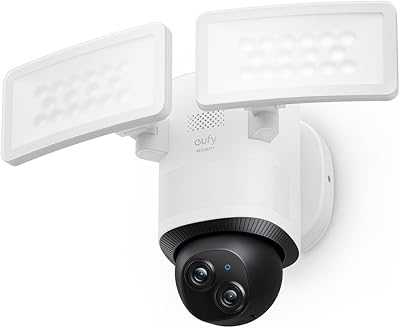
eufy Security E340 Floodlight Camera
78%
88%
Image Clarity & Resolution
91%
Night Vision & Floodlight Performance
84%
360° PTZ Coverage
79%
AI Detection Accuracy
58%
Installation Experience
More
AVKANS AV-E20-NDI PTZ Camera
79%
88%
Image Quality
91%
NDI Integration
93%
Connectivity & Output Options
82%
Low-Light Performance
74%
PTZ Motor & Movement Smoothness
More
myFirst Camera 3 Kids Digital Camera
72%
76%
Image Quality (Daylight)
51%
Low-Light Performance
74%
Video Quality
83%
Macro Lens
81%
Ease of Use
More
KONLEYA 13B 1080P Smart Camera Glasses
68%
73%
Video Quality
67%
Battery Life
84%
Ease of Use
54%
Build Quality
71%
Value for Money
More
GKTZ Kids Waterproof Action Camera

79%
78%
Waterproofing Reliability
91%
Ease of Use for Kids
83%
Build Durability
61%
Image Quality
67%
Video Quality
More
BEEDMXU Mini Hidden WiFi Spy Camera
62%
88%
Discreetness & Form Factor
67%
Video Quality (Daytime)
51%
Night Vision Performance
44%
App Experience (V380)
38%
Battery Life
More
SANNCE DVR-100 1TB 8CH Security Camera System
74%
83%
Daytime Image Quality
67%
Night Vision Performance
79%
Build Quality & Weatherproofing
74%
DVR Reliability & Performance
81%
Storage & Recording
More
AOREGRE 5K Digital Camera WiFi Autofocus Vlogging Camera
83%
92%
Value for Money
89%
Image Quality
87%
Ease of Use
90%
Video Quality (5K)
85%
Portability & Size
More
ROQIOO A9
ROQIOO A9
67%
83%
Value for Money
61%
Image Quality
58%
Video Quality
81%
Flip Screen Usability
54%
Build Quality & Durability
More

FAQ

The Holga 120N Plastic Medium Format Camera uses 120 format film, sometimes called medium format film. It is widely available from specialty photo retailers, online stores like B&H or Adorama, and even some large pharmacy chains in certain regions. It costs more per roll than 35mm film, so budget for that ongoing expense.

It takes a little getting used to, but it is not complicated once you have seen it done. Unlike 35mm, 120 film is backed with paper and spools onto a take-up reel without a cartridge. Watch a short video tutorial before your first roll — it genuinely helps — and you will have it down by your second or third time.

Many owners do recommend it, and it has become something of a Holga tradition. The plastic body is not perfectly light-tight from the factory, and some rolls will show light leaks along the edges if you skip this step. Black gaffer tape or electrical tape along the seams and back door edges is the standard fix, and it takes about two minutes to do.

Yes, with some preparation. The Bulb mode shutter and hot shoe adapter make low-light shooting possible — you will want a tripod and either a flash unit or a very long exposure on a stable surface. Without flash, indoor shooting in typical room lighting will generally result in underexposed or blurry frames.

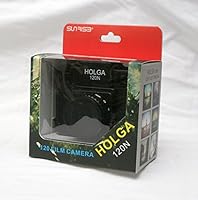
No, film is not included. The box contains the camera body, two film masks, a neck strap, and a lens cap. You will need to purchase 120 film separately before you can shoot.

The 6x6cm mask produces square frames and gives you 12 exposures per roll, while the 6x4.5cm mask produces slightly smaller rectangular frames and gives you 16 exposures per roll. Most Holga users prefer the square format since it is more iconic to the camera's aesthetic, but the 6x4.5 mask is useful if you want more frames per roll or prefer a rectangular composition.

You can reduce vignetting in post-processing software to some degree, but the softness from the plastic lens is baked into the negative itself and cannot be fully corrected after the fact. That said, most people who buy this lo-fi film shooter are specifically after that look — it is the whole appeal of the camera.

The hot shoe adapter included with the plastic medium format camera is a standard cold shoe design, so compatibility depends on your specific flash unit. Most basic manual flash units with a standard foot will fit physically, but you should verify that your flash can be triggered mechanically or with a sync cable, as the Holga does not have electronic TTL communication with external flash.

It depends on your expectations. If you want to learn exposure fundamentals and build technical skills, a camera with more manual controls would serve you better. But if you want to dive into analog photography in a fun, low-pressure way and enjoy experimenting with unpredictable results, this lo-fi film shooter is one of the most enjoyable and affordable ways to start.

It is surprisingly resilient for everyday use. The all-plastic construction means it will not survive serious drops, and the body is not weather-sealed in any way, but with normal handling it holds up well over time. Many photographers have been using their Holga cameras for years without significant issues — just keep it dry and store it with the lens cap on.

Where to Buy