Overview

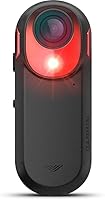
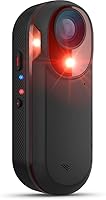
The Garmin Varia RCT715 Bike Radar Tail Light isn't trying to be everything to everyone — it's a focused safety device built for cyclists who regularly share roads with motor vehicles. Launched in 2022, it combines three functions into one compact unit: a rear-facing radar, a tail light, and a continuous dashcam-style recorder. That combination sets it apart from earlier radar-only Varia models, which required a separate camera if you wanted footage. The Garmin ecosystem integration — pairing with Edge head units, select wearables, or the Varia smartphone app — is a genuine differentiator. If you're a casual weekend rider, this is likely overkill. If you commute through traffic or push long rural routes, it's a serious tool.
Features & Benefits

The radar detection range — up to 140 meters — is the core of what makes the Varia RCT715 genuinely useful in traffic. That's enough distance to give you time to check your line and move before a vehicle arrives, which is meaningfully different from simply hearing a car at the last moment. The camera records continuously at 1080p at 30fps, which is functional and clear enough to identify a vehicle or plate in good light, though not exceptional in low-light conditions at dawn or dusk. A 220-degree field of view captures wide context beyond just what's directly behind you. Three battery modes let you prioritize radar over recording on longer rides, and the included 16 GB SD card means you're ready to go without an extra purchase.

Best For

This cycling safety device is a natural fit for road cyclists and urban commuters who spend real time alongside motor traffic — not those who occasionally roll through a quiet neighborhood. It rewards existing Garmin Edge users most, since radar alerts feed directly into the head unit without requiring a phone. That said, the Varia app means it works standalone if you don't own an Edge computer, though the experience is less integrated. Riders in high-traffic corridors or on fast rural roads where drivers overtake unpredictably will get the most value from the automatic incident recording. It also suits long-distance tourers who want passive documentation without stopping to manually trigger a camera every time something feels wrong.

User Feedback

Most buyers of the Varia RCT715 come away satisfied with the radar reliability — it's consistently praised as accurate, with few false alerts or missed vehicles. The peace of mind from knowing footage is being captured automatically, even when you don't press anything, resonates strongly with commuters. The recurring criticisms tend to center on three areas: battery life drops noticeably at full 1080p on longer rides; the Varia app has had occasional reliability issues on certain Android devices; and the initial setup — pairing, mode configuration, understanding what the different lights mean — frustrates some buyers in the first week. A few riders also note that rough road surfaces can introduce vibration that softens footage clarity. The price point is steep, but most who use it regularly consider it worthwhile.

Pros

  • Radar reliably detects approaching vehicles up to 140 meters away, giving riders meaningful time to react.
  • Automatic incident recording captures footage before, during, and after an event without any manual input.
  • Three battery modes let riders prioritize radar or recording based on the length and nature of the ride.
  • The Varia RCT715 ships with a 16 GB SD card included, so there is nothing extra to buy before your first ride.
  • Pairs directly with Garmin Edge computers, putting vehicle alerts on the head unit display without needing a phone.
  • The 220-degree camera field of view captures wide context, including vehicles approaching from slight angles.
  • At 5.2 ounces, this cycling safety device adds minimal weight to the bike for the amount of functionality it delivers.
  • Tail light visibility is solid, functioning as a legitimate safety light rather than an afterthought alongside the camera.
  • Footage review and camera settings are accessible through the Varia app, which works on both iOS and Android.

Cons

  • Battery life at full 1080p recording drops noticeably on rides over a couple of hours, requiring mode management.
  • The Varia app has experienced reliability issues on certain Android devices, including occasional connectivity drops.
  • Low-light footage quality at dawn, dusk, or under direct sun glare is functional but not consistently clear.
  • Vibration from rough or cobbled road surfaces can soften footage sharpness, which matters if you need identifiable details.
  • Initial setup — pairing, mode configuration, understanding indicator light patterns — has a genuine learning curve for new users.
  • The price point is a significant barrier; the value case is strong for frequent traffic riders but hard to make for anyone else.
  • Riders without a Garmin Edge head unit get a noticeably less integrated alert experience through the smartphone app.
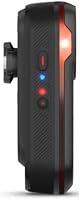
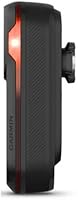
  • The seat post mount is the only included mounting option, which may not suit all bike setups without additional hardware.

Ratings

The scores below for the Garmin Varia RCT715 Bike Radar Tail Light were generated by our AI after analyzing thousands of verified global buyer reviews, with spam, bot-submitted, and incentivized feedback actively filtered out. Each category reflects the full spectrum of real-world experiences — not just what went right, but where riders ran into genuine frustrations. The result is an honest, balanced picture of what this cycling safety device actually delivers in day-to-day use.
Radar Detection Accuracy
93%
Among verified buyers, radar reliability is consistently the most praised attribute. Riders on busy commuter roads and narrow rural lanes describe the early warning as genuinely changing how they position themselves — the 140-meter detection range gives enough lead time to move to a safer line before a vehicle arrives.
A minority of users report occasional false alerts near parked vehicles or in areas with dense roadside traffic, which can briefly desensitize attention to the warning indicators. These incidents are infrequent but worth noting for riders in dense urban environments.
Video Quality
71%
29%
In clean daylight, the 1080p footage is sharp enough to identify vehicle colors, makes, and license plates in many cases, which is exactly what riders need if they are documenting a close pass or collision. The wide 220-degree field captures context well beyond what is directly behind the rider.
Low-light performance is where this device falls short of expectations. Dawn commutes, overcast skies, and direct backlit sun all reduce footage clarity enough that fine details like plates can become unreadable. Riders hoping for action-camera quality will be disappointed — this is practical documentation, not cinematic recording.
Automatic Incident Detection
88%
The accelerometer-based incident detection is well-calibrated according to most users — it triggers reliably on genuine impacts without constantly firing on rough pavement. The pre-event clip buffer means that if something happens, the moments leading up to it are already saved, which is critical for incident documentation.
A small number of buyers report that very rough road surfaces, particularly chip-seal or cobbled sections, occasionally trigger false incident saves. While not a major issue, it does consume storage and can create confusion when reviewing footage after a ride.
Battery Life
62%
38%
The three operating modes give riders genuine control over power consumption, and for shorter rides under 90 minutes with continuous 1080p recording, most users report no issues. Dropping to 720p or switching to radar-activated mode meaningfully extends runtime for longer outings.
For multi-hour rides at full 1080p always-on, battery life is a real constraint that requires active management — not something you can simply set and forget. Long-distance tourers and randonneurs consistently flag this as a limiting factor, often having to compromise on recording mode to get through a full ride.
Garmin Ecosystem Integration
91%
For existing Garmin Edge users, the integration is one of the strongest selling points this device has. Vehicle alerts appear directly and clearly on the head unit display, the pairing process is reliable, and the experience feels like a native part of the Edge system rather than an add-on.
Riders without a Garmin Edge head unit experience a noticeably reduced version of this integration through the smartphone app alone. The app works, but managing alerts on a phone mount mid-ride is far less practical than a dedicated cycling computer, and this gap is a recurring complaint among non-Garmin users.
Varia App Experience
67%
33%
On iOS, the Varia app is generally stable and covers the essentials — footage browsing, camera settings, and mode switching — in a reasonably intuitive layout. App-only users can get full functionality without an Edge computer, which matters for smartphone-first cyclists.
Android users report a more inconsistent experience, including connectivity drops, delayed pairing, and occasional crashes during footage review. Garmin has pushed updates to address some of these issues, but app stability is a recurring thread in negative reviews and has been an ongoing frustration since launch.
Ease of Setup
69%
31%
Once everything is paired and the mode preferences are dialed in, the day-to-day operation is straightforward — mount, switch on, and ride. Most users agree that after the initial learning curve, operating the device becomes second nature within a week.
The initial setup draws frequent criticism. Understanding the indicator light patterns, navigating first-time pairing between the device, the app, and an Edge computer, and configuring which mode is appropriate for which ride type involves a steeper learning curve than the price point suggests. The documentation does not fully bridge the gap.
Mount Stability
78%
22%
On standard round seat posts, the included mount feels secure and holds the unit at a consistent angle across varied road conditions. Riders on smooth to moderately rough tarmac report no movement or rotation during rides.
Aero seat post users report mixed results — some achieve a solid fit, while others struggle with the mount adapting to non-round profiles. On particularly rough surfaces, a small number of riders note subtle rotation over time, which affects camera angle and requires mid-ride corrections.
Tail Light Visibility
83%
The tail light output is more than adequate for daytime and low-light road riding, functioning as a legitimate safety light rather than a token LED afterthought. Riders who have used it in rain and reduced visibility conditions report that it draws driver attention effectively.
Cyclists coming from high-output dedicated tail lights may find the brightness output slightly underwhelming compared to standalone units in the same price range. The light serves its purpose well, but it was not designed to be the primary brightness benchmark of this device.
Build Quality & Durability
84%
The unit feels solid and well-engineered in hand, consistent with Garmin's broader hardware reputation. Buyers who have used it through multiple seasons, rain, and road grime report that the casing holds up without visible degradation or functional issues.
A small number of users have flagged concerns about the SD card slot cover durability over time, particularly after repeated removal and reinsertion of the card for footage review. This is a minor structural note rather than a systematic defect, but it is worth monitoring on heavily used units.
Value for Money
72%
28%
For cyclists who ride regularly in traffic and genuinely use all three functions — radar, light, and recording — the consolidated value of this cycling safety device is defensible. Replacing each function with separate quality hardware would cost considerably more and add complexity to the setup.
For anyone who would realistically use only one or two of the three features, the price is difficult to justify against more focused alternatives. The cost is a consistent sticking point in reviews, and buyers who purchased expecting casual utility rather than a dedicated safety system tend to feel the price is not matched by their actual use case.
Weight & Form Factor
86%
At 5.2 ounces with an integrated battery, the device adds less to a bike than many riders expect given its feature set. The compact profile sits neatly on the seat post without creating significant drag or visual bulk.
Weight-conscious road and race cyclists may still notice the addition, particularly on lightweight builds where every gram is considered. It is not heavy for what it does, but it is not featherlight either, and a small segment of performance-focused riders finds it too much to permanently mount.
Footage Storage Management
74%
26%
The included 16 GB card gets most riders through a standard week of rides before looping, and the separation of auto-saved incident clips from the continuous recording loop ensures important footage is not accidentally overwritten. Swapping to a larger card is straightforward.
Accessing and managing footage still requires either removing the SD card physically or using the app, which is functional but adds friction after every ride where you want to review or archive clips. There is no automated cloud backup or sync, which feels like an omission at this price point.
Weather Resistance
81%
19%
The device handles rain and wet road conditions reliably, which is a baseline requirement for any device mounted on a road bike. Buyers who have ridden through extended rain events report normal performance with no ingress issues affecting radar, camera, or light functions.
Garmin does not publish an explicit IP rating for the RCT715, which leaves some buyers uncertain about the limits of its water resistance. Riding through heavy sustained rain or pressure washing the bike near the unit is something several users approach cautiously as a result.

Suitable for:

The Garmin Varia RCT715 Bike Radar Tail Light is built for road cyclists and commuters who take traffic seriously and want more than instinct to keep them safe. If you regularly ride on roads shared with motor vehicles — a pre-dawn commute through city streets, a weekend sportive on narrow rural lanes, or a multiday tour where you can't always hear what's approaching — this device addresses a real and recurring risk. Existing Garmin Edge users will find the integration particularly compelling, since vehicle alerts appear directly on the head unit without any phone involvement. Cyclists in regions where overtaking behavior is aggressive or unpredictable will also appreciate having automatic video documentation of incidents, without needing to remember to hit record at the right moment. Long-distance riders who want passive, hands-off recording across hours of riding will find the battery mode options allow them to tailor the device to ride length without sacrificing radar coverage.
Not suitable for:

The Garmin Varia RCT715 Bike Radar Tail Light is a poor fit for casual or recreational cyclists who rarely encounter motor traffic — the cost simply cannot be justified by occasional park rides or protected bike paths where cars are not a factor. Riders on a tight budget will find the price hard to rationalize compared to a basic tail light, especially if video evidence is not a priority for them. Cyclists who are not already invested in the Garmin ecosystem will get a reduced experience; while the Varia app does work standalone, the integration feels incomplete compared to what an Edge computer delivers. Mountain bikers and gravel riders on technical terrain should also be cautious — rough surfaces can affect footage quality, and the device is optimized for road-style riding where vehicles approach predictably from behind. Anyone hoping for action-camera-grade video quality will be disappointed; the camera is functional and evidence-grade, not something you would use to produce ride content.

Specifications

  • Video Resolution: Records continuously at 1080p (30fps) or 720p for extended battery life on longer rides.
  • Radar Range: Detects approaching vehicles from up to 140 meters (153 yards) behind the rider.
  • Field of View: The rear-facing camera captures a 220-degree wide-angle view to cover vehicles approaching from angles.
  • Connectivity: Connects via Bluetooth and Wi-Fi to compatible Garmin Edge computers, select wearables, and the Varia smartphone app.
  • Battery Type: Built-in rechargeable lithium-ion battery, charged via the included USB cable.
  • Operating Modes: Three selectable modes: always-on, lights and radar only, and radar-activated camera (which starts recording when a vehicle is detected).
  • Included Storage: Ships with a 16 GB SD card pre-installed, providing ready-to-use local video storage out of the box.
  • Incident Detection: Automatically saves video clips from before, during, and after a detected incident without requiring manual input from the rider.
  • Dimensions: The unit measures 1.7 x 4.2 x 1.3 inches, keeping the profile compact on a standard seat post.
  • Weight: The device weighs 5.2 ounces including the integrated battery, adding minimal mass to the bike.
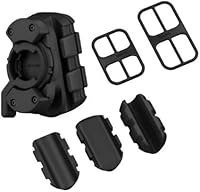
  • Mounting Type: Attaches via the included seat post mount kit, designed to fit standard round and aero seat posts.
  • Color: Available in black only, with a matte finish that blends with most road bike seat post configurations.
  • Compatibility: Works with Garmin Edge cycling computers, select Garmin wearables, and iOS and Android smartphones running the Varia app.
  • App Control: The Varia mobile app allows riders to review footage, adjust camera settings, and manage alert preferences from a smartphone.
  • Box Contents: Package includes the Varia RCT715 unit, seat post mount kit, USB charging cable, 16 GB SD card, and documentation.
  • Model Number: Official Garmin model number is 010-02474-00, corresponding to ASIN B09T5VBDPC on Amazon.
  • Date Released: The device became commercially available in May 2022, succeeding earlier radar-only models in the Varia line.

Related Reviews

Garmin Edge 1040 Solar GPS Bike Computer
80%
93%
GPS Accuracy
88%
Battery Life
71%
Solar Charging
86%
Navigation
84%
Training Analytics
More
Milani Retouch + Erase Light-Lifting Concealer - Medium Light
88%
89%
Coverage Quality
92%
Ease of Application
85%
Longevity
91%
Blendability
87%
Buildable Coverage
More
Hourglass Ambient Strobe Lighting Powder - Radiant Bronze Light
83%
91%
Overall Glow
88%
Buildable Formula
85%
Application Ease
82%
Skin Tone Compatibility
79%
Longevity of Wear
More
EOTO LIGHT 19-inch LED Ring Light
76%
88%
Brightness Output
91%
Color Accuracy
86%
Color Temperature Range
67%
Build Quality
74%
Touch Screen Usability
More
Acetaken 8-inch USB Clamp Ring Light
76%
91%
Ease of Setup
88%
Arm Flexibility & Reach
74%
Brightness Range
67%
Clamp Strength & Fit
82%
Light Quality & Evenness
More
EOTO LIGHT 21-Inch LED Ring Light
79%
93%
Light Output & Brightness
91%
Color Accuracy (CRI)
88%
Touch Panel Usability
86%
Tripod Build & Stability
84%
Value for Money
More
EOTO LIGHT HQ-18N 18-inch LED Ring Light
80%
91%
Brightness Output
88%
Color Temperature Range
86%
Color Accuracy (CRI)
78%
Tripod Build & Stability
71%
Remote Controls
More
Light Mountain Light Brown Organic Henna Hair Dye, 16oz
82%
88%
Effectiveness of Color
92%
Gentle on Scalp
70%
Ease of Application
85%
Long-Lasting Results
93%
Natural Ingredients Quality
More
Light Mountain Henna Hair Color & Conditioner - Light Red 16 Oz
84%
89%
Color Effectiveness
74%
Ease of Application
93%
Hair Softness After Use
96%
Natural Ingredient Quality
82%
Longevity of Color
More
V-Flat World Light Cone Medium Photo Diffuser
82%
91%
Glare & Reflection Reduction
93%
Ease of Assembly
89%
Portability & Storage
71%
Light Source Compatibility
74%
Build Quality & Durability
More

FAQ

You do not need a Garmin Edge computer — the Varia RCT715 pairs with the Varia smartphone app on both iOS and Android, which handles alerts, camera control, and footage review. That said, the Edge integration is considerably more polished: vehicle alerts appear directly on the head unit screen, which is much easier to process mid-ride than glancing at a phone. If you do not own an Edge, the app works, but you are getting a somewhat reduced experience compared to what the device is capable of.

It depends heavily on which mode you choose. In always-on mode with 1080p recording running continuously, expect battery life to become a concern on rides much beyond two to three hours. Switching to 720p or using the radar-activated camera mode — where the camera only starts recording when a vehicle is detected — meaningfully extends runtime. For long rides, most users find that lights-and-radar-only mode is the practical choice when documentation is less of a priority.

In good daylight conditions, the footage is generally clear enough to identify a vehicle make, color, and in many cases a plate, particularly if the vehicle passes at moderate speed. At dawn, dusk, or in overcast conditions, image quality drops and fine details become harder to read. Think of it as evidence-grade video rather than action-camera quality — it serves its purpose well, but it is not the clearest camera in this class.

The Garmin Varia RCT715 Bike Radar Tail Light is generally well-regarded for alert accuracy among confirmed buyers. It occasionally picks up parked vehicles when you ride close to them, and some riders report brief alerts in situations like passing driveways with traffic. False alerts are infrequent enough that they do not undermine trust in the system, but they are not completely absent either.
Yes, the included 16 GB card can be swapped out for a larger microSD card if you want more recording capacity before the device loops and overwrites older footage. Most users find 16 GB sufficient for typical rides, especially since incident clips are saved separately. Check Garmin's compatibility notes for maximum supported card size before purchasing a replacement.

The device uses indicator lights to communicate its current state, but understanding what each light pattern means does take some initial learning. The Varia app displays the active mode clearly when your phone is connected, and Garmin Edge users can see status information on the head unit. Most riders say that after a few rides, reading the indicators becomes second nature — but the first couple of outings can involve some guesswork.

The included mount kit is designed for standard round seat posts and covers most common road bike configurations. Aero seat posts can be more challenging — some riders manage a solid fit, while others with more extreme aero profiles need a third-party adapter or mount. Dropper posts are generally not a good fit due to movement and positioning issues. Check your seat post diameter and shape against Garmin's mount specifications before assuming it will work.

On smooth tarmac, footage is stable and clear. On chip-seal roads, cobbles, or rough pavement, some vibration does bleed into the video and can reduce sharpness, particularly at higher speeds. It is rarely severe enough to make footage useless, but if your regular routes include a lot of rough surfaces, the footage quality will be noticeably lower than what you would see on clean asphalt.

The device uses accelerometer data to detect sudden changes in motion that suggest a crash or collision. When it registers an event, it automatically locks and saves a clip covering the period before, during, and immediately after the detected moment, which is stored separately from the continuous loop recording so it is not overwritten. The threshold seems well-calibrated based on user reports — it does not trigger on every pothole, but it does respond reliably to genuine impacts.

Yes. The SD card can be removed and read directly on any computer with a standard microSD reader, and the footage files are stored in a common format that most video players can open without any special software. The Varia app offers a more convenient browse-and-review experience, but it is not the only way to access your clips. This is particularly useful if you need to quickly pull footage after an incident and share it.

Where to Buy