Overview

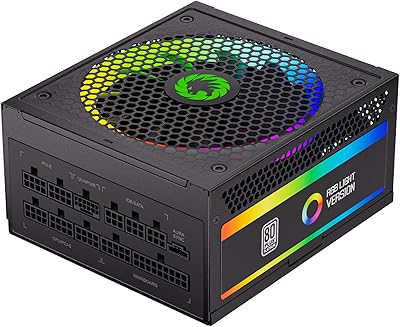
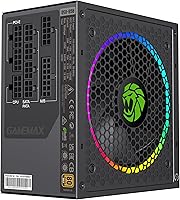
The GAMEMAX RGB-850 SE 850W Power Supply sits in an interesting spot — it's a fully modular 850W unit aimed at builders who want modern connector support without stretching their budget into premium territory. GAMEMAX isn't a household name like Corsair or Seasonic, and that's worth acknowledging upfront. But the numbers tell a reassuring story: #35 in Computer Power Supplies on Amazon and a 4.4-star rating from over 7,000 buyers is hard to ignore. This is a solid, capable performer with genuine aesthetic flair. Don't expect flagship-tier engineering, but for what most mid-range builders actually need, it covers the bases well.

Features & Benefits

Where this modular power supply earns its keep is in the spec sheet that actually matters on build day. It's ATX 3.0 and PCIe 5.0 ready, meaning it can handle the transient power spikes that RTX 40-series GPUs are notorious for — up to 300% GPU power excursion — without choking. The 80 Plus Gold efficiency rating keeps heat and wasted power low under typical gaming loads. Japanese capacitors add a layer of long-term confidence that cheaper units skip entirely. Cable management is genuinely easier with the fully modular design — you only plug in what your build actually needs. The ARGB lighting is a nice bonus if your case has a window, though it shouldn't factor heavily into your buying decision.

Best For

This 850W unit is a natural fit for mid-range gaming builds centered around an RTX 4070 or RTX 4080. A 4070 paired with a modern Ryzen or Intel CPU typically draws 350–450W under load, so 850W gives you comfortable headroom for overclocking or future upgrades without running too close to the limit. If you're stepping up from an old non-modular PSU, the fully modular cabling will make a noticeable difference during installation. First-time builders will appreciate that Gold-rated efficiency and Japanese capacitors provide a credible reliability baseline without needing to research obscure brands. RGB-focused builds also benefit from the ARGB sync without requiring a separate controller.

User Feedback

Across a large pool of verified buyers, the GAMEMAX RGB-850 SE draws consistent praise for its clean cable management and smooth compatibility with RTX 40-series cards right out of the box. Buyers migrating from older semi-modular units frequently note how much easier installation felt. On the critical side, some users mention the cables feel stiff at first, which can be awkward inside tighter cases. Fan noise under heavy load has come up occasionally, though it's rarely a deciding factor. Reports of DOA units exist, as they do with any PSU brand, and a few buyers flagged slow warranty response times. That said, long-term reliability feedback skews positive, with many reporting stable operation well past the one-year mark.

Pros

  • Fully modular cabling makes installation noticeably cleaner and less stressful, especially for first-time builders.
  • ATX 3.0 and PCIe 5.0 support means no adapter headaches when running RTX 40-series graphics cards.
  • 80 Plus Gold efficiency keeps operating temperatures lower and reduces unnecessary power draw during normal use.
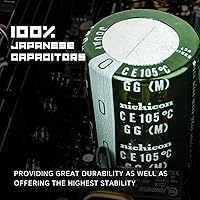
  • Japanese capacitors are a genuine quality indicator that cheaper PSUs at this price point often skip entirely.
  • A 4.4-star rating across more than 7,000 verified buyers is a meaningful signal of broad real-world satisfaction.
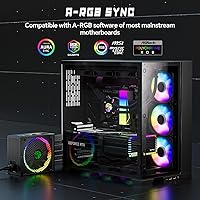
  • ARGB sync integrates cleanly with major motherboard ecosystems for a cohesive look in windowed cases.
  • Standard ATX sizing fits the vast majority of mid-tower and full-tower cases without any compatibility concerns.
  • 850W headroom comfortably supports current mid-to-high-end GPU and CPU pairings with room to spare.
  • Ranks in the top 35 of its Amazon category, suggesting consistent performance relative to a crowded field.

Cons

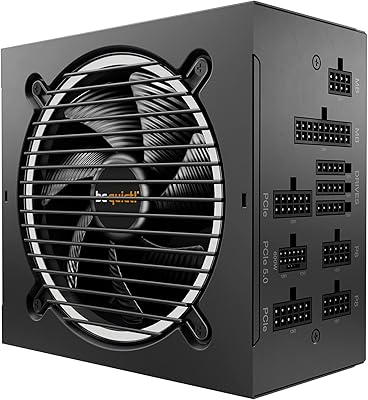
  • GAMEMAX lacks the long-established brand reputation of Seasonic, Corsair, or be quiet!, which may unsettle cautious buyers.
  • Cables can feel noticeably stiff out of the box, making routing inside tighter cases more awkward than expected.
  • Fan noise under sustained heavy load has been flagged by some users, which may bother those in quiet environments.
  • Warranty support and service responsiveness have received mixed feedback from a subset of buyers.
  • Occasional reports of dead-on-arrival units suggest quality control is not perfectly consistent across all batches.
  • Documentation included in the box is reportedly thin, which can leave less experienced builders without clear guidance.
  • The ARGB feature adds no functional value and may not appeal to builders prioritizing pure performance over aesthetics.
  • At 4.71 lbs and standard ATX dimensions, it is not suitable for small form factor or ITX build targets.

Ratings

Our editorial AI has analyzed thousands of verified global purchases of the GAMEMAX RGB-850 SE 850W Power Supply, actively filtering out incentivized, bot-generated, and low-credibility reviews to surface what real builders genuinely experienced. The scores below reflect an honest, balanced picture — both where this modular power supply earns its reputation and where it falls short compared to expectations at its price tier.

Value for Money
88%
Buyers consistently feel this 850W unit punches above its weight given the ATX 3.0 support, Gold efficiency certification, and fully modular design — features that typically cost more from established brands. For mid-range builders on a realistic budget, the price-to-spec ratio is one of the most frequently praised aspects.
A subset of buyers who compared it directly against Corsair or Seasonic units of similar wattage felt the value advantage narrowed when factoring in brand trust and warranty confidence. Those who experienced DOA units understandably rated value much lower given the inconvenience of returns.
Build Quality
79%
21%
The external chassis feels solid for the price, and the inclusion of Japanese capacitors is a tangible internal quality marker that more informed buyers specifically called out as reassuring. Most users reported no rattles, vibrations, or structural concerns after months of continuous use.
GAMEMAX does not yet carry the same manufacturing reputation as top-tier PSU makers, and some buyers noticed the modular cable connectors feel slightly less refined than those on premium units. A small but notable number of reviews flagged inconsistent build quality between batches.
Cable Management
91%
The fully modular setup was one of the most celebrated aspects across reviews — builders installing it for the first time noted how much cleaner the inside of their case looked compared to their previous semi-modular or non-modular PSU. Only connecting the cables you actually need makes a real difference in airflow routing.
Cable stiffness is the most commonly raised complaint in this category, with multiple buyers noting the cables resist bending during routing inside tighter cases. They do loosen with use, but out of the box the rigidity can make installation frustrating, particularly in compact mid-towers.
Compatibility
93%
Native PCIe 5.0 connector support means builders running RTX 4070 or 4080 cards can plug in directly without relying on adapters, which was a genuine pain point with some competing PSUs at launch. Buyers noted zero compatibility issues with current-gen AMD and Intel platforms.
Compatibility concerns are minimal for standard ATX builds, but ITX builders found the standard ATX form factor simply does not fit their cases — a hard physical limitation that a handful of buyers discovered only after purchase. Checking case specifications before ordering is essential.
Noise Level
67%
33%
Under light and moderate gaming loads, the fan runs quietly enough that most users building home gaming setups reported no audible disturbance. For typical desktop gaming sessions the thermal management keeps fan speeds in a reasonable range.
Under sustained heavy loads — long stress tests, demanding rendering tasks, or extended gaming at maximum GPU utilization — the fan audibly spins up in a way that some users described as intrusive. Builders prioritizing near-silent operation may find this 850W unit falls short of their expectations.
Efficiency
86%
The 80 Plus Gold certification holds up in real-world use, with builders noting the unit runs noticeably cooler than older Bronze-rated PSUs it replaced. Less heat generated inside the case also means system fans can run at lower speeds overall, which buyers with temperature-sensitive builds appreciated.
Gold is excellent but not the top tier — Platinum and Titanium certified units operate more efficiently at very low and very high loads. For most gaming builds this difference is negligible, but buyers running servers or workstations with fluctuating loads may see a more meaningful efficiency gap.
ARGB Lighting
74%
26%
Buyers who cared about RGB aesthetics reported the ARGB lighting integrates well with ASUS Aura Sync, MSI Mystic Light, and Gigabyte RGB Fusion without requiring a standalone controller. In builds with side-panel windows, the effect adds a clean glow that complements other ARGB components.
The lighting is a secondary feature and buyers who evaluated it as such were mostly satisfied, but those expecting vibrant or highly customizable effects found it underwhelming compared to dedicated RGB components. A minority of users reported sync inconsistencies with certain motherboard software versions.
Installation Experience
82%
18%
First-time builders specifically praised how straightforward the installation process was, with the modular system making it easy to plan which cables go where before committing. The standard ATX sizing dropped into test cases without any clearance issues for the vast majority of users.
The included documentation received criticism for being sparse — some builders, particularly those new to PSU installations, wanted clearer guidance on cable identification and connector orientation. Stiff cables also complicated the installation experience for a segment of reviewers working inside mid-tower cases.
Long-Term Reliability
77%
23%
A meaningful portion of reviews come from buyers who have used the unit for over a year, with the majority reporting stable, uninterrupted operation with no degradation in power delivery. The Japanese capacitor spec gives this a credible longevity argument that cheaper PSUs cannot make.
GAMEMAX does not yet have a multi-decade reliability track record to lean on, and long-term data beyond two to three years is limited. Reports of DOA units, while a small fraction of total reviews, do raise questions about manufacturing consistency that more established brands have largely resolved.
Warranty & Support
58%
42%
GAMEMAX does offer warranty coverage, and buyers who went through Amazon for returns reported a relatively smooth resolution process. For most users who received a functioning unit, warranty support was never a factor they needed to engage with.
Direct warranty claims through GAMEMAX received mixed feedback, with some buyers describing slow response times and unclear escalation paths. This is a meaningful gap compared to brands like Corsair or Seasonic, which have well-established and fast customer service reputations in the PC hardware space.
Packaging & Unboxing
81%
19%
Most buyers reported the unit arrived well-protected, with adequate foam and cable organization inside the box that kept components from shifting during transit. The presentation is clean and organized for a mid-range product.
The accessory bundle is fairly lean — some buyers noted they expected a nicer cable bag or more thorough documentation given the overall product positioning. It gets the job done but lacks the premium unboxing feel that some rival PSUs at a comparable price offer.
Thermal Management
83%
Buyers running the unit in well-ventilated mid-tower cases reported it staying cool even during extended gaming sessions, with the Gold-rated efficiency contributing to less internal heat generation overall. System temperatures inside the case were frequently noted as comparable to or better than previous PSU setups.
In cases with restricted airflow or poor ventilation, the fan ramps up more aggressively to compensate, which can become a noise concern. Buyers who paired this modular power supply with cases known for limited intake found thermal headroom tighter than expected under peak loads.
Aesthetics & Design
85%
The matte black finish works well in a wide range of build themes, and the ARGB lighting adds visual interest in windowed cases without clashing with other components. Buyers building RGB-forward systems appreciated that the PSU contributed to overall lighting cohesion rather than standing out awkwardly.
For buyers who do not have a windowed case, the ARGB lighting is entirely invisible and irrelevant, making the aesthetic premium meaningless. The cable sleeving, while functional, was described by some as looking slightly cheaper than the rest of the unit's presentation.

Suitable for:

The GAMEMAX RGB-850 SE 850W Power Supply is a strong fit for mid-range PC builders who want modern connector support without paying flagship prices. If you're pairing an RTX 4070 or RTX 4080 with a current-gen Ryzen or Intel processor, 850W gives you enough headroom to run comfortably under load and leave room for minor overclocking without sweating your wattage ceiling. First-time builders will appreciate the fully modular design — it genuinely simplifies installation by letting you skip cables you don't need, which reduces clutter and makes routing far less frustrating. Upgraders stepping away from an older semi-modular or non-modular unit will feel the difference immediately. The 80 Plus Gold certification and Japanese capacitors also provide a credible reliability baseline that makes this a reasonable long-term investment for anyone building a daily-use gaming rig.

Not suitable for:

Builders chasing absolute top-tier reliability and brand pedigree should probably look elsewhere — the GAMEMAX RGB-850 SE 850W Power Supply is not competing with the likes of Seasonic Prime or Corsair HX series in terms of engineering prestige or warranty confidence. If you're running a high-end workstation with dual GPUs, professional-grade components, or a sustained heavy compute workload, you'll want a PSU from a brand with a longer, more documented track record. Builders with very compact ITX cases should also verify clearance carefully, as the standard ATX form factor may not fit. Anyone who has had poor experiences with lesser-known brands and isn't willing to take that calculated risk should stick to names they already trust, even if it means spending more.

Specifications

  • Wattage: This unit delivers a continuous output of 850W, suitable for mid-to-high-end gaming builds including RTX 40-series GPU configurations.
  • Efficiency Rating: Certified 80 Plus Gold, meaning it operates at 87–90% efficiency under typical loads, reducing heat output and wasted electricity.
  • Form Factor: Standard ATX form factor ensures compatibility with the vast majority of mid-tower and full-tower PC cases on the market.
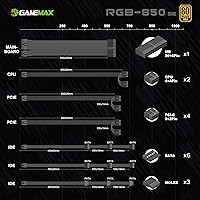
  • Modularity: Fully modular design allows builders to attach only the cables their system requires, reducing clutter and improving internal airflow.
  • ATX Standard: Compliant with ATX 3.0, which supports significantly higher transient power loads compared to previous ATX generations.
  • GPU Connector: PCIe 5.0 ready with native connector support, capable of handling up to 300% GPU power excursion for RTX 40-series graphics cards.
  • Capacitors: All internal capacitors are sourced from Japanese manufacturers, a quality benchmark associated with improved longevity and stable power delivery.
  • Lighting: Equipped with ARGB sync support, compatible with major motherboard RGB ecosystems including ASUS Aura Sync, MSI Mystic Light, and Gigabyte RGB Fusion.
  • Cooling: Air-cooled via an internal fan that adjusts speed based on thermal load to balance noise and temperature management.
  • Current Rating: Rated at 25 amps on the 12V rail, providing stable current delivery for demanding CPU and GPU combinations.
  • Weight: The unit weighs 4.71 lbs, consistent with a well-built ATX PSU of this wattage class.
  • Dimensions: Package dimensions measure 11.1 x 8.03 x 5 inches, which accommodates standard PSU mounting bays without modification.
  • Color: Available in a matte black finish that blends with most PC case interiors, regardless of the overall build theme.
  • Model Number: The official model designation is RGB850-PRO, which may be used for warranty registration and spare parts identification.
  • Brand: Manufactured by GAMEMAX, a growing PSU brand that competes in the mid-range segment against more established names.
  • Market Rank: Holds a Best Sellers Rank of #35 in the Computer Power Supplies category on Amazon, reflecting sustained buyer demand.
  • User Rating: Carries a 4.4 out of 5 star average rating based on over 7,000 verified customer reviews on Amazon.
  • Availability Date: First made available for purchase in May 2022, giving the product a multi-year track record of real-world use.

Related Reviews
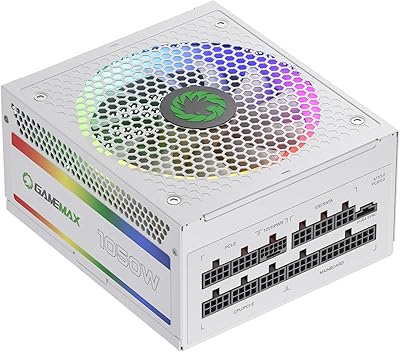
GAMEMAX RGB-1300 1300W Power Supply
82%
91%
Power Output Stability
88%
Build Quality
86%
Efficiency & Heat Management
89%
Cable Management & Modularity
87%
GPU Connector Compatibility
More
GAMEMAX RGB-1050 1050W Power Supply
85%
94%
Power Delivery
89%
Build Quality
91%
Energy Efficiency
85%
Cooling Performance
88%
Modular Design
More
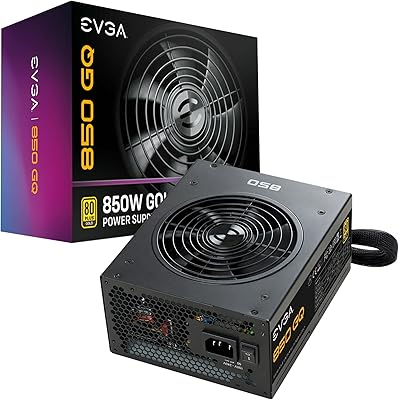
EVGA 850 GQ 850W Semi-Modular Power Supply
83%
91%
Power Efficiency
88%
Noise Level & Fan Behavior
87%
Build Quality & Component Reliability
89%
Voltage Stability & Clean Power Delivery
67%
Cable Length & Routing Flexibility
More
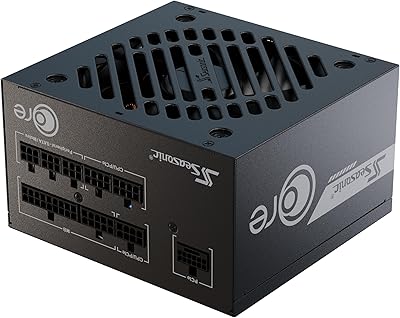
Seasonic CORE GX-850 850W 80+ Gold ATX Power Supply
90%
95%
Performance
90%
Build Quality
92%
Energy Efficiency
88%
Cooling and Noise
94%
Modular Cable Management
More
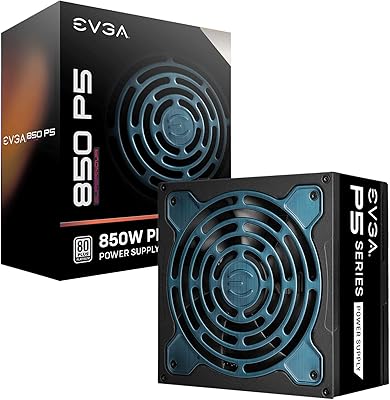
EVGA Supernova 850 P5 850W 80 Plus Platinum Power Supply
91%
95%
Performance
91%
Noise Levels
93%
Build Quality
88%
Ease of Installation
92%
Reliability & Durability
More
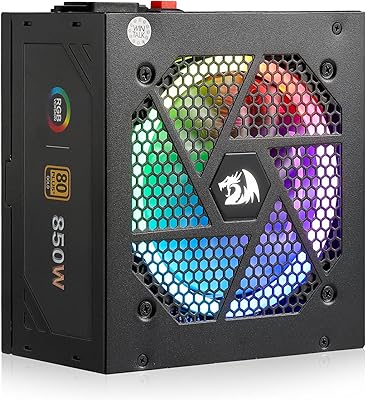
Redragon RGPS-850W 850W Power Supply
80%
78%
Power Delivery Stability
81%
Build Quality & Components
86%
Noise Level & Fan Behavior
84%
Modular Cable System
88%
PCIe 5.1 & ATX 3.1 Compatibility
More
be quiet! Pure Power 13 M 850W Power Supply
89%
92%
Performance
94%
Efficiency
88%
Noise Level
91%
Modular Design
89%
Build Quality
More
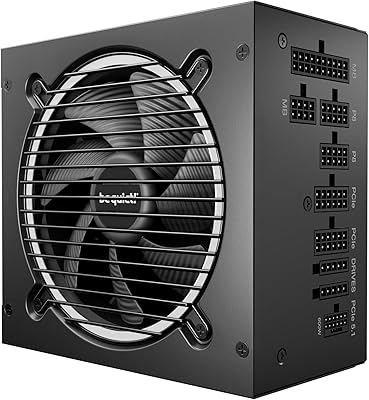
be quiet! Pure Power 12 M 850W Modular Power Supply
88%
94%
Quiet Operation
88%
Ease of Installation
89%
Build Quality
92%
Power Delivery Stability
90%
Energy Efficiency
More
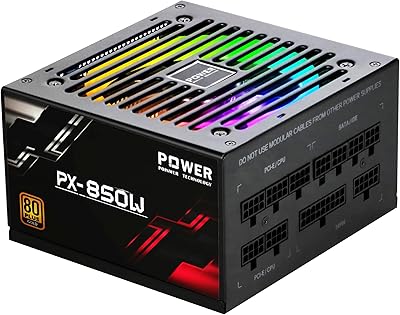
POINWER PX-850W 850W Power Supply
80%
86%
Power Delivery Stability
89%
Energy Efficiency
74%
Build Quality & Components
83%
Cable Management & Modularity
81%
Noise Level
More
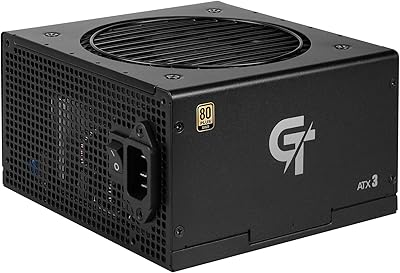
SAMA GT 850W Power Supply
80%
88%
Value for Money
84%
Build Quality
81%
Cable Quality & Flexibility
91%
Noise Level
89%
Efficiency & Heat Output
More

FAQ

The GAMEMAX RGB-850 SE 850W Power Supply includes a native PCIe 5.0 connector, so you won't need the adapter cables that caused problems for some early RTX 40-series adopters. For an RTX 4080, 850W is a comfortable fit. For a 4090, it can work depending on your CPU and other components, but you'd be running closer to the limit — a 1000W unit would give you more breathing room in that case.

For most mid-to-high-end gaming builds — think an RTX 4070 paired with a Ryzen 7 or Core i7 — 850W is more than adequate, often leaving 200W or more of headroom. Where you might want more is if you're running an RTX 4090 alongside a high-TDP processor with aggressive overclocks. As a general rule, aim for your system's peak draw to not exceed about 80% of the PSU's rated capacity for stable, long-term operation.

No separate controller is needed if your motherboard supports ARGB — just plug the ARGB header into the corresponding 3-pin ARGB header on your board and your motherboard software handles the rest. If your motherboard doesn't have an ARGB header, you'd need a standalone controller to manage the lighting, which is a minor additional step.

Most users in full-tower cases report the cables reach without issue for standard routing paths. That said, if you're doing an extreme top-mount or rear-routing configuration in a very large case, you may find the cables tighter than ideal. For standard mid-tower builds, cable length has not been a widely reported concern.

Yes, this is a commonly noted quirk and not a defect. Many PSU cables, especially sleeved modular ones, are stiff when new and loosen up somewhat after being bent and routed into place. Give them a gentle pre-bend in the direction you need before routing and they'll cooperate much better during installation.

At moderate loads — typical gaming sessions — the fan is reported to be fairly quiet. Under sustained heavy workloads or stress testing, it does spin up noticeably. It's not unusually loud for this class of PSU, but if you're building a near-silent system, it's worth knowing the fan does become audible when pushed hard.

GAMEMAX offers warranty coverage, so a DOA unit should be addressable through their support channels or via the Amazon return window if purchased directly there. A small number of users have reported slower-than-ideal warranty response times from GAMEMAX, so purchasing through Amazon where a return or replacement is straightforward tends to be the lower-risk route.

Yes — ATX 3.0 is backward compatible with ATX 2.x systems. You can use this modular power supply in a build running an older motherboard without any compatibility issues. The main benefit of ATX 3.0 only becomes relevant when pairing with GPUs that produce large transient power spikes, like the RTX 40 series.

Corsair and Seasonic have longer pedigrees and more extensively tested product lines, which justifies the brand premium some builders are willing to pay. GAMEMAX sits in a different position — it offers a competitive spec sheet, Japanese capacitors, and Gold certification at a lower price point, backed by a large volume of positive user reviews. If brand reputation is a top priority, established names may give you more peace of mind; if you're comfortable evaluating specs and user feedback, this 850W unit holds up well on paper and in practice.

Standard ATX form factor means it won't physically fit in cases designed for SFX or SFX-L power supplies. Most compact ITX cases require a smaller PSU form factor, so this unit is best suited to mid-tower or full-tower cases that accommodate a standard ATX footprint.