Overview

The FLYANT 15-35x70 Zoom Binoculars occupy an interesting spot in the mid-range optics market — a variable-zoom binocular built to cover a wide range of outdoor activities rather than excel at a single one. The headline is the 15x-to-35x magnification range, which puts it ahead of most fixed-zoom rivals at a comparable price. That 70mm objective lens is a real asset, gathering enough light to keep images usable around dusk, where smaller lenses in this category start to struggle. That said, this is a general-purpose outdoor optic, not a dedicated astronomy instrument or a serious birding tool for professionals. Honest expectations upfront make all the difference.
Features & Benefits

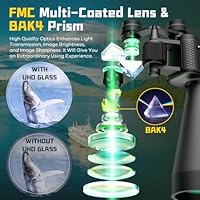
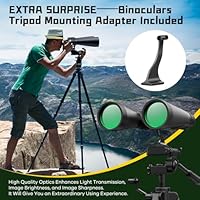
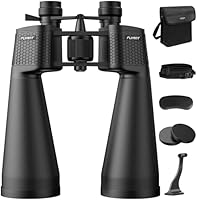
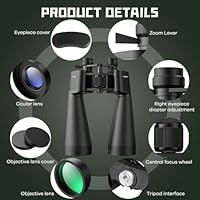
The single-twist zoom dial is the most practical aspect of these zoom binoculars — you can scan a wide shoreline at 15x and crank to 35x to lock onto a distant ship without swapping gear. BAK4 prisms and multi-coated lenses do improve brightness at dusk, though the marketed transmission figure is a specification claim, not a tested metric. The IPX7 waterproof rating is worth taking seriously: this is full submersion resistance, not just splash protection, which matters on a boat or in heavy rain. Twist-up eyecups work well for glasses wearers. At maximum zoom, though, a tripod is not optional — the included adapter thread exists for a reason, and skipping it leads to frustration.

Best For

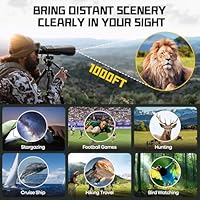
This variable-magnification optic is at its best in situations that call for one optic, multiple jobs. Cruise passengers scanning for coastal wildlife or checking a distant landmark get solid value from the zoom range without lugging separate gear. Casual birdwatchers stepping up from basic fixed-zoom models will notice a real improvement in brightness and reach. Hunters covering open terrain benefit from the full waterproofing and variable magnification when conditions change fast. Moon-gazing hobbyists who want more reach than a standard pair without committing to a telescope also fit squarely in the target audience. Hikers and campers who prefer a do-it-all outdoor optic over multiple specialized tools will find this a practical choice.

User Feedback

Buyer sentiment around the FLYANT glass follows a pattern familiar to anyone who reviews variable-zoom optics at this price level. Brightness and clarity between 15x and 20x draw consistent praise — the large objective lens delivers a noticeably brighter image at twilight than the compact models most buyers are upgrading from. Where opinions diverge sharply is at 35x: without a tripod, the image is too shaky to be useful, and buyers who missed or ignored the adapter often end up disappointed. Build quality earns generally favorable comments — the rubber grip feels purposeful and the body holds up in field use. One factual note: the product is marketed as under 3 lbs, but the actual spec weight is 3.76 lbs, a discrepancy that some buyers have noticed and flagged.

Pros

  • The 15x-to-35x zoom range covers more ground than almost any fixed-zoom competitor in this price bracket.
  • A 70mm objective lens delivers noticeably brighter views at dusk compared to smaller-aperture models.
  • IPX7 waterproofing means genuine submersion resistance, not just light rain tolerance.
  • Twist-up eyecups make extended viewing comfortable for both glasses wearers and bare-eye users.
  • The wide diopter adjustment range accommodates users with varying vision correction needs without requiring eyeglasses.
  • A standard tripod adapter thread is included, making stable long-range viewing accessible right out of the box.
  • Build quality for the price point is solid — the rubber grip feels purposeful and the body handles field use well.
  • BAK4 prisms and multi-coated lenses produce clean, bright images at mid-range zoom settings.
  • Versatile enough to replace several single-purpose optics for travelers and casual outdoor enthusiasts.
  • Mid-range zoom performance between 15x and 20x consistently earns praise for clarity and brightness.

Cons

  • Hand-held use at 35x produces enough shake to make the image nearly unusable without a tripod.
  • Marketed weight of under 3 lbs does not match the actual 3.76 lbs spec — a meaningful discrepancy for hikers.
  • Image sharpness at maximum magnification trails behind fixed-zoom optics tuned specifically for that power level.
  • The minimum focus distance of roughly 74 to 95 feet makes close-range subjects difficult to observe.
  • Variable zoom mechanisms introduce more potential failure points over time than simple fixed-zoom barrels.
  • Edge sharpness and chromatic aberration control fall short of what dedicated birding or astronomy glass delivers.
  • Carrying these zoom binoculars all day will fatigue the neck and arms more than a compact 8x42 alternative.
  • No image stabilization means any slight body movement is amplified dramatically at the high end of the zoom range.

Ratings

The FLYANT 15-35x70 Zoom Binoculars have been evaluated by our AI rating system after analyzing thousands of verified global buyer reviews, with spam, bot submissions, and incentivized feedback actively filtered out before scoring. The results reflect a genuinely balanced picture — where this variable-magnification optic earns real praise and where it falls measurably short of buyer expectations. Both the strengths and the frustrations are transparently baked into every score below.
Optical Clarity at Mid Zoom
78%
22%
Between 15x and 22x, the image quality consistently draws positive reactions — wildlife on a distant shoreline or birds in open fields appear bright and reasonably detailed. The 70mm objective and BAK4 prisms pull noticeably more light than the compact 42mm alternatives buyers are often comparing against, making early-morning or late-afternoon use genuinely rewarding.
As zoom climbs past 25x, sharpness degrades and chromatic fringing becomes more visible, particularly along high-contrast edges like branches against a bright sky. Buyers with prior experience on fixed-zoom optics tuned for a single power level tend to notice this gap more acutely.
Max Zoom Usability
54%
46%
At its ceiling of 35x, the reach is genuinely impressive for the price point — distant subjects that would be invisible to standard binoculars become identifiable. On a stable tripod, the image at 35x is serviceable for moon observation or scanning open terrain from a fixed position.
Hand-held use at 35x is borderline unusable for most buyers — the image shakes with every heartbeat and breath, making sustained observation impossible without a support. Buyers who purchased expecting to freely hand-hold at full zoom are consistently disappointed, and this friction is one of the most repeated complaints across global feedback.
Low Light Performance
71%
29%
The large objective lens gives these zoom binoculars a genuine advantage at dusk and dawn compared to smaller-aperture rivals in the same price bracket. Coastal wildlife spotters and hunters who operate in the transition hours report a meaningfully longer usable viewing window before the image becomes too dim.
The marketed 99.8% light transmission figure is a specification claim, not a verified independent measurement, and real-world dusk performance does not match the near-perfect implied by that number. In overcast or heavily shaded environments, image brightness drops off faster than enthusiast buyers hope.
Build Quality & Durability
76%
24%
The rubber-armored body has a purposeful, solid feel that holds up well to field use — hunters and marine users report that the grip stays secure even with wet hands, and the body shows minimal wear after rough outdoor exposure. The IPX7 waterproof rating is genuine and not just a marketing claim, which earns consistent trust among buyers in wet environments.
A few buyers note that the zoom dial feels slightly loose after extended use, raising questions about long-term mechanical durability. The barrel also runs larger than expected for the advertised portability, which affects how well it tucks into a day pack.
Tripod Stability & Mount
82%
18%
The included 1/4-inch-20 tripod adapter fits virtually every consumer tripod without any additional hardware, which buyers appreciate for eliminating a separate purchase. Once locked onto a stable tripod, the viewing experience at high zoom improves dramatically, and the mount feels secure without any noticeable play.
The adapter is a bare-metal threaded piece with no locking collar, which some buyers find fiddly when attaching in the field. A few users also note that the mounting point positioning creates minor front-heavy balance on lightweight travel tripods.
Weight & Portability
58%
42%
For a 70mm-class binocular, the overall form factor is reasonably manageable and fits into a larger daypack without requiring a dedicated case. Cruise passengers who store these in a cabin bag and pull them out for whale watching or port visits find the size acceptable for that use pattern.
The marketed sub-3-lb claim does not match the actual 3.76-lb spec weight, and this discrepancy frustrates buyers who made purchasing decisions based on the advertised figure. Over a full day of hiking or hand-holding during a long wildlife excursion, the extra weight accumulates into real arm and neck fatigue.
Zoom Mechanism
73%
27%
The single-twist zoom dial is intuitive to operate and allows smooth transitions from wide landscape scanning at 15x to closer target tracking without losing your subject entirely. Buyers new to variable-zoom optics find the learning curve short, and the feedback from the dial gives a reasonable sense of where you are in the zoom range.
At speed, the zoom action can overshoot the target magnification, requiring a correction twist that costs time when tracking fast-moving subjects like birds in flight. Some buyers also report slight stiffness in colder outdoor temperatures.
Eye Relief & Comfort
79%
21%
The twist-up eyecups lock into multiple positions, making it straightforward for glasses wearers to find a comfortable viewing distance without having to hold their eye at an awkward angle. Extended viewing sessions of 30 to 45 minutes are generally reported as comfortable, with minimal strain.
Users with particularly deep-set eyes occasionally note difficulty achieving the full field of view even with eyecups fully extended. The eye relief length at 35x is also slightly shorter than at lower magnification settings, which some buyers notice during prolonged high-zoom sessions.
Waterproofing & Weather Resistance
84%
The IPX7 rating holds up in practice — buyers using these on open boats, during coastal hikes in rain, and in muddy hunting environments report no fogging or moisture ingress. The rubber armor also provides a degree of shock absorption that adds to overall confidence in wet or rough conditions.
Salt water exposure over multiple trips requires rinsing the exterior to prevent gradual degradation of the rubber coating and metal fittings, which a small number of marine users discovered the hard way. Nitrogen purging or argon filling is not confirmed in the specs, so internal fogging cannot be fully ruled out in extreme temperature swings.
Value for Money
77%
23%
For a buyer who wants variable zoom, a large objective lens, and genuine waterproofing without spending significantly more, this variable-magnification optic delivers a combination of features that would cost considerably more in a well-known brand. First-time buyers upgrading from sub-50-dollar entry-level binoculars consistently register positive surprise at the image quality step-up.
Buyers who compare it against fixed-zoom optics at a similar price point often find those alternatives sharper and more consistent within their single magnification range. The value equation depends heavily on whether you actually need variable zoom — if you do not, the trade-off is not in your favor.
Diopter Adjustment
81%
19%
The wide -4 to +10 diopter range means most users with common refractive corrections can dial in a sharp image without wearing glasses, which is a practical advantage during active outdoor use. The adjustment ring moves smoothly and holds its position reliably during normal field use.
The diopter ring has no hard detent or lock mechanism, so it can shift slightly during extended use if the eyepiece is bumped or handled firmly. Buyers who share the optic between users with different vision correction needs find themselves readjusting more than they would like.
Field of View
63%
37%
At 15x, the field of view is wide enough to scan a hillside or coastal stretch comfortably, making initial subject acquisition straightforward for most users. This wider view at the lower end of the zoom range is one of the practical everyday strengths of the optic.
As zoom increases, field of view narrows significantly, which makes tracking moving subjects like birds in flight or running animals genuinely difficult above 25x. Buyers accustomed to wide-angle birding binoculars will find the narrowing field frustrating for any fast-paced observation.
Close Focus Distance
47%
53%
For longer-range applications like landscape scanning, marine wildlife spotting, or moon viewing, the minimum focus distance is rarely a practical concern and goes largely unnoticed by buyers in those use cases.
At a minimum focus distance of roughly 74 to 95 feet, subjects closer than about 25 meters simply will not focus sharply — a real limitation for birdwatchers who want to observe birds in nearby trees or hunters in dense cover. This is one of the more commonly overlooked specs at purchase and a frequent source of post-purchase disappointment.
Accessories & Packaging
69%
31%
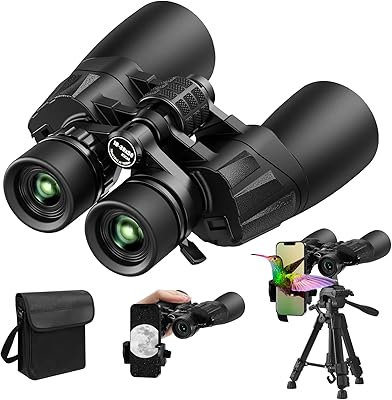
The included tripod adapter is a genuinely useful addition rather than a throwaway accessory, and buyers appreciate that it is packed with the unit rather than sold separately. Carrying strap and lens caps are also included, which rounds out the out-of-box experience adequately.
No dedicated hard carry case is included, which is a notable omission for a binocular this size and weight — buyers who want protection during travel need to source one separately. The soft pouch provided by some units offers minimal impact protection.
Setup & Ease of Use
83%
New users report being fully operational within a few minutes of unboxing — the zoom dial, diopter adjustment, and eyecup positions are all intuitive with no manual required for basic function. Interpupillary adjustment is straightforward and covers a practical range for most adult face widths.
Getting the most out of the high-zoom end does require understanding how to properly use a tripod and the adapter, which first-time buyers occasionally skip over. A slightly more detailed printed quick-start guide addressing tripod use specifically would reduce the learning curve for users new to high-powered optics.

Suitable for:

The FLYANT 15-35x70 Zoom Binoculars are a strong fit for outdoor generalists who want one capable optic across multiple activities rather than a specialized tool for just one. Cruise ship passengers are a natural match — scanning coastal cliffs at 15x and then zooming into a distant whale breach at 30x without swapping gear is exactly what this variable range is built for. Casual birdwatchers making their first real upgrade from a cheap fixed-zoom pair will notice an immediate improvement in brightness and working distance, particularly in the early morning hours when light is still building. Hunters who cover varied terrain and need something genuinely waterproof — not just water-resistant — will appreciate the IPX7 rating when rain or river crossings come into play. Hikers, campers, and moon-gazing hobbyists who want more optical reach than a standard 8x42 without the bulk and cost of a spotting scope will find this variable-magnification optic hits a practical middle ground.
Not suitable for:

Serious birders, dedicated astronomers, or any buyer who needs consistently sharp images at maximum magnification should look elsewhere before committing to the FLYANT 15-35x70 Zoom Binoculars. At 35x, hand-held use produces noticeable shake that degrades image quality significantly — a tripod is not a nice-to-have at that zoom level, it is a requirement, and that limits spontaneous use in the field. Buyers who want a genuinely lightweight carry option should also be cautious: the actual measured weight is 3.76 lbs, which contradicts the under-3-lbs claim in the marketing copy and will feel substantial during a full day of hiking. Anyone doing precision astronomy beyond casual moon observation — tracking deep-sky objects, resolving planetary detail — will quickly hit the optical ceiling that comes with this price tier. If your primary use case demands edge-to-edge sharpness, minimal chromatic aberration, or professional-grade glass, a purpose-built optic at a higher price point is the more honest recommendation.

Specifications

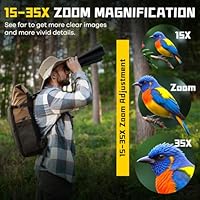
  • Magnification: Offers variable zoom from 15x to 35x, adjustable via a single twist dial on the barrel.
  • Objective Lens: Features a 70mm objective lens diameter, which allows more light to enter compared to smaller 50mm or 56mm alternatives.
  • Prism Type: Uses BAK4 glass prisms, which produce better edge-to-edge clarity and reduced light scatter than the more common BK7 type.
  • Lens Coating: All optical surfaces are multi-coated to improve light transmission and reduce internal reflections in low-light conditions.
  • Waterproofing: Rated IPX7, meaning the body can withstand submersion in up to 1 meter of water for 30 minutes under standard testing conditions.
  • Diopter Range: The right-eye diopter adjustment spans from -4 to +10, covering a wide range of individual vision correction needs.
  • Min Focus Distance: Closest focusing distance falls between 73.8 and 95.1 feet, making very near subjects difficult to observe clearly.
  • Tripod Mount: Includes a standard 1/4-inch-20 threaded adapter, compatible with the vast majority of consumer and professional tripods.
  • Eyecups: Twist-up rubber eyecups with multiple locking positions accommodate both bare-eye users and eyeglass wearers.
  • Item Weight: The unit weighs 3.76 lbs as listed in the product specifications, despite marketing copy suggesting a sub-3-lb figure.
  • Dimensions: Packaged dimensions measure 11.89 x 8.54 x 3.82 inches, reflecting the relatively large footprint of the 70mm objective barrel.
  • Eyepiece Diameter: The adjustable eyepiece measures 26mm and is designed to fit a range of face shapes and interpupillary distances.
  • Brand: Manufactured and sold under the FLYANT brand, first made available on Amazon in February 2025.
  • Target User: Designed for adult users engaged in outdoor activities including birding, hunting, travel, and casual astronomy.
  • Market Rank: Holds a Best Sellers Rank of #817 in the Binoculars subcategory on Amazon at time of review.

Related Reviews

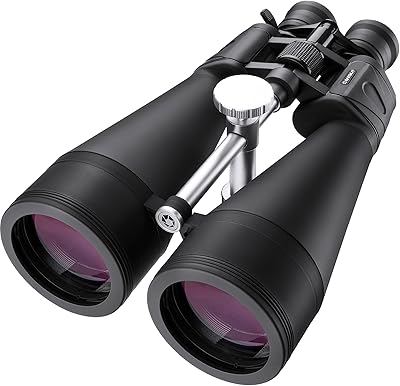
Barska Gladiator 25-125x80 Zoom Binoculars
80%
89%
Optical Performance
87%
Build Quality & Durability
63%
Portability & Weight
78%
Ease of Use
92%
Zoom Range Flexibility
More
EEDABROS 10-30x50 Zoom Binoculars Pro+
76%
82%
Optical Clarity
78%
Zoom Range Usability
71%
Low-Light Performance
76%
Build Quality & Durability
84%
Waterproofing & Weather Resistance
More
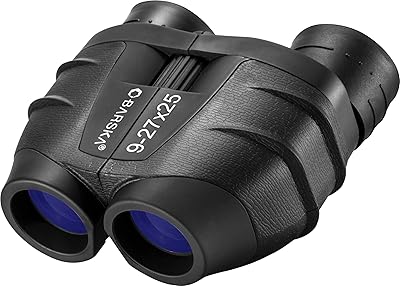
Barska Gladiator 9-27x25mm Compact Zoom Binoculars
67%
67%
Optical Clarity
82%
Zoom Range & Versatility
41%
Low-Light Performance
38%
Image Stability
71%
Value for Money
More
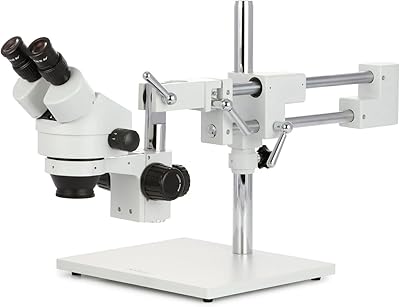
AmScope SM-4B Stereo Zoom Microscope Boom Stand
76%
93%
Build Quality
88%
Optical Clarity
91%
Boom Stand Versatility
41%
Illumination
82%
Ergonomics
More
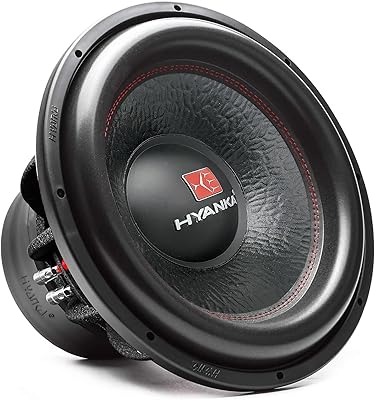
HYANKA BSF-15-4 15-Inch Car Subwoofer
72%
83%
Bass Output & Impact
86%
Value for Money
67%
Power Handling (Real-World)
74%
Build Quality
79%
Sound Quality & Tone
More
Audiopipe TXX-BDC-V-15 15-Inch Subwoofer
85%
91%
Bass Performance
88%
Build Quality & Durability
84%
Ease of Installation
89%
Sound Clarity
92%
Power Handling
More
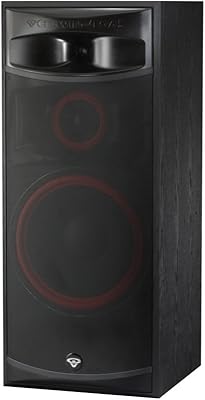
Cerwin-Vega XLS-15 15″ Floorstanding Speaker
80%
93%
Bass Performance
78%
Overall Sound Quality
84%
Build Quality
81%
Value for Money
63%
High-Frequency Clarity
More
Audiopipe TS-PP2-15-D4 15-inch Car Subwoofer
84%
94%
Bass Output
92%
Power Handling
90%
Durability
87%
Value for Money
89%
Sound Clarity
More
Rockford Fosgate P2D4-15 Car Subwoofer
76%
88%
Bass Output & Impact
83%
Build Quality
76%
Value for Money
84%
Power Handling Compatibility
57%
Fitment & Space Demands
More
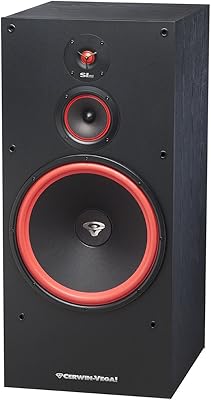
Cerwin Vega SL-15 15″ Floorstanding Speaker
73%
88%
Bass Performance
91%
Volume & Dynamics
74%
Midrange Clarity
69%
High-Frequency Quality
67%
Amplifier Compatibility
More

FAQ

Realistically, no. At 35x magnification, even minor hand tremor gets amplified to the point where the image becomes too shaky to enjoy. The included tripod adapter is not an afterthought — it is practically essential if you plan to use the top end of the zoom range for any length of time. Keep a compact travel tripod handy if 35x is a big part of why you are buying these.

The IPX7 waterproof rating means this variable-magnification optic can handle genuine submersion, not just light drizzle. Ocean spray, a sudden downpour, or an accidental dunk should not damage the internals. That said, it is worth rinsing salt residue off the exterior after marine use to protect the rubber coating and metal fittings over time.

They work well for casual birdwatching, especially if you are upgrading from a basic fixed-zoom pair. The brightness at 15x to 20x is a real step up for scanning tree lines or open fields at dawn. Serious birders who need fast focusing, wide field of view, and tack-sharp edge detail at high zoom will likely outgrow this optic, but for a recreational birder, it punches above its weight.

Yes, the twist-up eyecups have multiple locking positions specifically to accommodate eyeglass wearers. You simply twist them down to their lowest position to bring your eyes close enough to the eyepiece to see the full image circle. The diopter adjustment also provides additional correction range, though it does not replace prescription lenses.

The 70mm objective lens and BAK4 prisms do give a brightness advantage over smaller binoculars in fading light. At dusk, the image stays usable longer than you would expect for the price tier. That said, the marketed light transmission figure is a spec-sheet claim rather than an independently verified measurement, so approach it as a relative guide rather than an absolute guarantee.

The FLYANT 15-35x70 Zoom Binoculars are a reasonable entry point for moon observation and scanning bright star clusters, but they are not a substitute for a telescope for serious astronomy. The moon at 25x to 30x on a tripod is genuinely impressive. Resolving faint deep-sky objects or planetary detail is beyond what this class of optic can deliver.

No, and it is worth knowing before you buy. The product specification page lists the actual item weight at 3.76 lbs, which is a meaningful difference from the under-3-lbs marketing claim. That weight is not unusual for a 70mm binocular, but if you are planning to hand-hold these for hours on a hike, factor that in when deciding.

Any tripod with a standard 1/4-inch-20 thread will work, which covers virtually all consumer tripods. A lightweight travel tripod is sufficient for casual use. If you plan to do extended stargazing or long-distance land viewing at 30x or 35x, a more stable fluid-head or ball-head tripod will reduce frustration significantly.

The minimum focus distance sits between roughly 74 and 95 feet depending on zoom level, which is on the longer side. This means birds perched in a nearby tree or objects within about 25 meters will not focus properly. If close-range observation is important to your use case, this is a real limitation to weigh before purchasing.

The optic is designed and marketed for adults, and at 3.76 lbs it is genuinely heavy for younger hands to hold steady for any length of time. Teenagers with an interest in birding or stargazing could certainly use them with a tripod, but younger children would likely struggle with both the weight and the zoom mechanism. A lighter, fixed-zoom model would be a better fit for younger users.