Overview

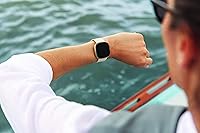
The Fitbit Sense Smartwatch sits at the top of Fitbit’s lineup, built for people who want serious health monitoring without buying medical equipment. It competes directly with other advanced wearables by centering three core pillars: heart health, stress management, and sleep tracking. That focus sets it apart from basic fitness trackers that count steps and call it a day. The design is clean and understated — a square face with rounded corners that wears comfortably on most wrists. Both small and large bands are included in the box, which is a genuinely thoughtful touch that saves buyers from an immediate accessory purchase.

Features & Benefits

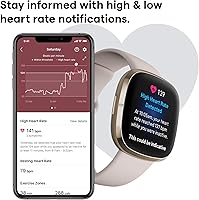
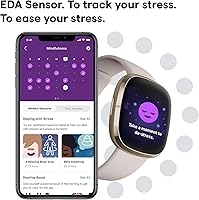
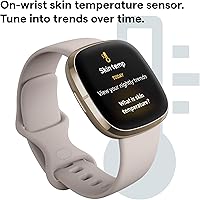
The Sense smartwatch packs a surprisingly deep set of health tools into a compact frame. The ECG app can detect atrial fibrillation — an irregular heart rhythm that often goes unnoticed but carries real cardiovascular risk — and lets you share results with your doctor. The EDA Scan app reads electrodermal activity as a stress signal, something you rarely find outside much pricier devices. A skin temperature sensor tracks nightly fluctuations, helpful for spotting early illness or recovery patterns. Built-in GPS means you can run or hike without your phone. And when the battery runs low, 12 minutes of charging gets you through a full day — a genuinely practical detail.

Best For

This health-tracking watch is an ideal fit for adults who want more than a basic activity log. If you’re managing stress, recovering from illness, or simply curious about how your body responds to daily pressure, the objective data it provides is hard to replicate with any app or journal. Runners and hikers benefit from phone-free GPS, while people focused on cardiovascular health will appreciate the heart rhythm monitoring tools. It also suits those already invested in the Fitbit app ecosystem, where sleep coaching and trend analysis add real depth over time. If you mainly want a watch to count steps, this is more than you need.

User Feedback

Owners of this Fitbit wearable consistently praise its all-day comfort and the accuracy of its continuous heart rate tracking. The depth of health data available through the app is frequently cited as a strength. Where opinions split is around the EDA stress feature — some users find the readings genuinely insightful, while others struggle to interpret what the scores actually mean in practical terms. GPS performance draws mixed reviews, with strong results on open trails but occasional drift reported in city environments. A notable friction point is the Fitbit Premium paywall: several features, including detailed sleep analysis, require a paid subscription. App sync reliability has also been a recurring complaint among longer-term users.

Pros

  • The ECG app can flag irregular heart rhythms, giving users a real reason to follow up with a doctor.
  • Nightly skin temperature logging helps track recovery, illness onset, and hormonal cycle patterns over time.
  • At just 1.1 ounces, this health-tracking watch is comfortable enough to wear around the clock without fatigue.
  • Built-in GPS means runners and hikers can track pace and distance without carrying a phone.
  • A 12-minute fast charge delivers a full day of power, which is a lifesaver for forgetful or rushed owners.
  • Six-plus days of battery life holds up well in typical daily use with moderate sensor activity.
  • Both small and large bands are included in the box, covering most wrist sizes without an extra purchase.
  • The AMOLED display reads clearly in sunlight, which matters during outdoor workouts.
  • Alexa and Google Assistant support handles quick voice queries without pulling out a phone.
  • The Fitbit app presents long-term health trends in a clean, readable format that rewards consistent wear.

Cons

  • Fitbit Premium is required to access detailed sleep analysis and stress coaching, adding ongoing subscription costs.
  • EDA stress readings can be inconsistent between sessions, making the data difficult to trust day to day.
  • GPS accuracy drops noticeably in cities with tall buildings or dense tree cover.
  • The ECG feature is unavailable in several countries, which blindsides some international buyers post-purchase.
  • App sync failures are a recurring complaint among long-term users, often requiring manual restarts to resolve.
  • Battery life falls well short of six days when GPS and continuous SpO2 tracking are both active.
  • The Sense smartwatch’s smart feature set feels limited compared to rivals at a similar price point.
  • Surface scratches appear more readily on the lighter case finish under regular daily wear.
  • Skin temperature data is only captured during sleep, with no real-time daytime readings available.
  • New users must wear the watch consistently for about a week before stress and temperature baselines become meaningful.

Ratings

The Fitbit Sense Smartwatch earns a nuanced scorecard here — our AI has analyzed thousands of verified buyer reviews from global markets, actively filtering out incentivized, bot-generated, and spam submissions to surface what real long-term users actually experience. The scores below reflect both the genuine strengths that keep owners loyal and the friction points that cause frustration, with nothing glossed over.

Heart Health Monitoring
88%
The continuous heart rate tracking is widely praised for its consistency during both rest and exercise. Users managing cardiovascular concerns particularly value the AFib detection feature, which has prompted several owners to follow up with their doctors after receiving irregular rhythm alerts — a real-world outcome that carries meaningful weight.
The ECG app is not available in all countries, which frustrates international buyers who purchased specifically for that feature. A small but vocal group of users also notes that occasional false positives can cause unnecessary anxiety, underscoring that it is a wellness tool, not a diagnostic device.
Stress Tracking & EDA Sensor
67%
33%
The EDA Scan app gives users a rare, body-based signal for stress that goes beyond subjective self-reporting. People dealing with burnout or high-pressure work schedules appreciate having an objective reference point to anchor their daily check-ins and mindfulness practices.
Inconsistency is the most common complaint — readings can vary noticeably between sessions taken minutes apart, making it difficult to trust the data day to day. Many users also find the stress scores hard to translate into actionable steps without a Fitbit Premium subscription to access deeper guidance.
Sleep Tracking
84%
Nightly skin temperature logging and SpO2 monitoring give the Sense smartwatch a richer sleep picture than most wearables at this price tier. Users who track recovery from illness or monitor hormonal cycle patterns find the temperature trend graphs particularly useful over weeks of data.
Detailed sleep stage analysis and personalized sleep coaching sit behind the Fitbit Premium paywall, which disappoints buyers who expected the full experience to be included. A handful of users report the watch occasionally misidentifying time spent reading in bed as light sleep.
Built-in GPS Accuracy
72%
28%
For runners and hikers in open environments, the phone-free GPS performs reliably, with pace and distance data that holds up well against dedicated running watches. Outdoor enthusiasts consistently highlight how liberating it feels to leave the phone at home on long trail runs.
Urban users report a meaningful drop in accuracy, with route mapping drifting noticeably in areas with tall buildings or dense tree cover. GPS lock time can also be sluggish on cold starts, which is a minor but recurring annoyance for runners who like to get moving immediately.
Battery Life
86%
Six-plus days of typical use is genuinely competitive for a watch packing this many sensors, and most users confirm the estimate holds up in real conditions with moderate GPS use. The fast-charge feature — a full day of power in roughly 12 minutes — is frequently cited as one of the most practical details for busy owners.
Battery life drops noticeably when GPS and continuous SpO2 tracking are both active, sometimes falling well short of the six-day figure. Users who use the watch for outdoor sports several times a week find themselves charging more frequently than the headline number suggests.
App & Ecosystem Experience
61%
39%
The Fitbit app is well-organized and presents health trends in a readable, visually clean format. Long-term Fitbit users appreciate the continuity of their historical data and the breadth of third-party app integrations available through the platform.
Sync reliability is a persistent frustration — a significant portion of long-term users report the watch occasionally failing to sync without a manual intervention or app restart. Since Google’s acquisition of Fitbit, some users have expressed concern about the platform’s long-term direction and data privacy practices.
Fitbit Premium Value
54%
46%
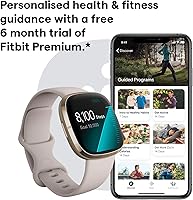
For users who do subscribe, Premium unlocks genuinely useful content including detailed sleep analysis, guided mindfulness sessions, and personalized health reports that add real depth to the raw data the watch collects.
The requirement to pay a recurring subscription to access core analytical features feels like a significant limitation given the upfront cost of the watch itself. Many buyers only discover this paywall after purchase, which generates some of the sharpest criticism in user reviews.
Comfort & Wearability
89%
At just 1.1 ounces, this health-tracking watch barely registers on the wrist during all-day wear. The inclusion of both small and large bands in the box is a practical touch that removes the need for an immediate extra purchase and makes gifting straightforward.
A small number of users with very slender wrists find the square case slightly bulky, particularly for overnight sleep tracking. The silicone band material, while durable, can feel slightly tacky in high-humidity environments during intense workouts.
Display Quality
83%
The 1.58-inch AMOLED screen is bright and crisp enough to read comfortably in direct sunlight, which matters during outdoor workouts. Touch responsiveness is generally smooth, and the wide selection of clock faces lets users personalize the look to match their style or data preferences.
The display does not have an always-on mode enabled by default, and activating it noticeably shortens battery life. Some users find the gesture-based wake mechanism inconsistent, occasionally requiring a second wrist flick to activate the screen.
Build Quality & Durability
81%
19%
The 50-meter water resistance rating gives users genuine confidence around water — swimming laps, showering, and caught-in-the-rain scenarios are all handled without worry. The overall construction feels solid and holds up well to daily knocks and scratches over months of use.
The aluminum case shows fine surface scratches more readily than some competitors, particularly on the lighter colorway. A small number of users have reported band clasp loosening over time with frequent removal for charging.
Smart Features & Notifications
76%
24%
Bluetooth call handling via the built-in mic and speaker works well enough for quick conversations when a phone is nearby, and both Alexa and Google Assistant integration cover everyday voice queries effectively. Notification mirroring from Android and iOS is reliable and easy to customize.
The smart feature set feels secondary to the health tools — third-party app support is narrower than what Apple Watch or Wear OS devices offer. Users coming from a more feature-rich smartwatch background often find the smart capabilities underwhelming compared to the health-tracking depth.
Value for Money
74%
26%
For buyers focused primarily on health monitoring, the combination of ECG, EDA, SpO2, skin temperature, and GPS in a single watch at this price tier is difficult to match from competing brands. The fast-charge feature and included dual-size bands add practical value without extra cost.
Once the cost of a Fitbit Premium subscription is factored into the ownership equation, the total spend over a year climbs considerably. Buyers who primarily want a smartwatch rather than a health device may find better value elsewhere at a similar price point.
Skin Temperature Tracking
78%
22%
Nightly skin temperature logging is genuinely useful for users tracking menstrual cycles, post-illness recovery, or general wellness baselines. The trend-over-time view makes subtle shifts visible in a way that a single-night reading never could.
The sensor only logs data during sleep, which limits its usefulness for users who want real-time temperature feedback during the day. Baseline establishment takes roughly a week of consistent wear before the trends become meaningful, requiring patience from new users.
Compatibility & Setup
79%
21%
Setup is straightforward on both Android and iOS, with the Fitbit app walking new users through pairing and calibration clearly. Bluetooth 5.0 ensures a stable connection during most daily activities without dropout issues during workouts.
Some Android users, particularly those on non-Google flagship devices, report occasional pairing issues after software updates. The watch does not offer native Wi-Fi connectivity, which means large firmware updates rely entirely on the Bluetooth-paired phone.

Suitable for:

The Fitbit Sense Smartwatch is a strong match for health-conscious adults who want a meaningful window into their body — not just a step counter. If you have a family history of heart issues, managing chronic stress, or simply want to understand how your sleep and recovery patterns shift over time, this watch gives you tools that most wearables at this price point do not. Runners and hikers who want to leave their phone at home will appreciate the built-in GPS, which handles open trails and park routes reliably. People tracking menstrual cycles, post-illness recovery, or burnout patterns will find the nightly skin temperature trends and EDA stress data genuinely useful as long-term reference points. It also suits existing Fitbit users who are already comfortable in the ecosystem and want to step up to more advanced health features without switching platforms entirely.
Not suitable for:

The Fitbit Sense Smartwatch is not the right choice for buyers who expect a full smartwatch experience on par with Apple Watch or Wear OS devices — the third-party app ecosystem is noticeably narrower, and the smart features feel secondary rather than central. Anyone hoping to unlock the full depth of sleep analysis, stress coaching, or health reports should know upfront that Fitbit Premium is effectively required, adding a recurring subscription cost on top of an already significant purchase price. Power users who run GPS-intensive workouts daily will find the battery drains faster than the headline figure suggests, which can feel frustrating in practice. If you live or train primarily in dense urban environments, GPS accuracy can be inconsistent, and that may matter a lot if precise route mapping is a priority. Finally, buyers under 22 years old should note that the ECG feature is officially restricted to adult users, which limits one of the watch’s headline capabilities for younger customers.
Specifications

  • Display: The watch features a 1.58″ AMOLED touchscreen with a square, rounded-corner case design that is clear and responsive in both indoor and outdoor lighting.
  • Dimensions: The case measures 1.59 x 1.59 x 0.49 inches and weighs just 1.1 ounces, making it light enough for continuous all-day and overnight wear.
  • Battery Life: Typical battery life extends to 6 or more days on a single charge, though active GPS and continuous SpO2 use will reduce that figure noticeably.
  • Fast Charging: A 12-minute charge via the magnetic charging cable delivers approximately one full day of use, which is useful when time between charges is limited.
  • Water Resistance: The watch is rated water-resistant to 50 meters, making it suitable for swimming, showering, and water sports.
  • GPS: Built-in GPS tracks pace, distance, and route during outdoor activities without requiring a paired smartphone.
  • Sensors: Onboard sensors include an ECG electrical heart sensor, EDA electrodermal activity sensor, skin temperature sensor, SpO2 blood oxygen sensor, optical heart rate monitor, and a 3-axis accelerometer.
  • Connectivity: The watch connects via Bluetooth 5.0 and is compatible with both Android and iOS smartphones for notifications, app sync, and call handling.
  • Voice Assistants: Both Amazon Alexa and Google Assistant are supported, accessible directly from the wrist for quick queries, timers, and smart home controls.
  • Hands-Free Calls: A built-in microphone and speaker allow users to take and manage Bluetooth phone calls directly from the watch when a paired phone is within range.
  • Onboard Storage: The watch includes 6,400 MB of onboard storage, accommodating music, apps, and clock faces downloaded through the Fitbit platform.
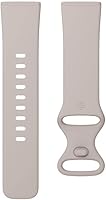
  • Bands Included: Both a small band (fitting wrists 140–180mm in circumference) and a large band (180–220mm) are included in the box at no additional cost.
  • Band Material: The included bands are made from a flexible, skin-friendly elastomer designed for comfort during exercise and extended daily wear.
  • Heart Rate Alerts: The watch sends automatic notifications if the measured heart rate rises above or falls below personalized threshold levels during periods of inactivity.
  • ECG App: The ECG app assesses heart rhythm for signs of atrial fibrillation and generates a shareable PDF report, though availability is limited to select countries and users aged 22 and older.
  • Skin Temperature: The skin temperature sensor logs relative nightly changes from the user’s personal baseline, enabling trend tracking over days and weeks rather than reading absolute body temperature.
  • Operating Temp: The watch is designed to operate within a temperature range of 14°F to 113°F (approximately -10°C to 45°C).
  • Compatibility: Full functionality requires the Fitbit app, available on Android 8.0 or higher and iOS 14.0 or higher, with some advanced features requiring a paid Fitbit Premium subscription.

Related Reviews
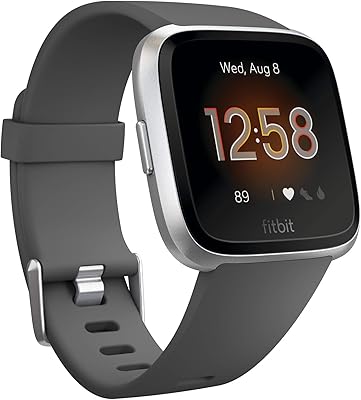
Fitbit Versa Lite Smartwatch
77%
88%
Battery Life
84%
Sleep Tracking
79%
Heart Rate Monitoring
51%
GPS Performance
91%
Comfort & Wearability
More
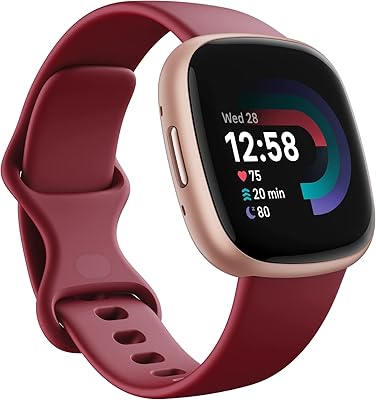
Fitbit Versa 4 Fitness Smartwatch
77%
91%
Battery Life
86%
Sleep Tracking
83%
Fitness Tracking
71%
GPS Accuracy
78%
Heart Rate Monitoring
More
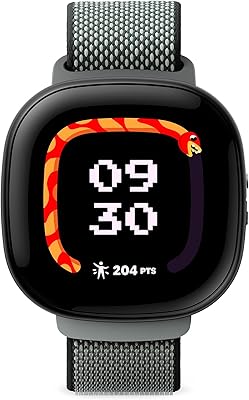
Fitbit Ace LTE Kids Smartwatch
76%
88%
GPS Accuracy
91%
Parental Controls
84%
Battery Performance
61%
Value for Money
87%
Ease of Setup
More
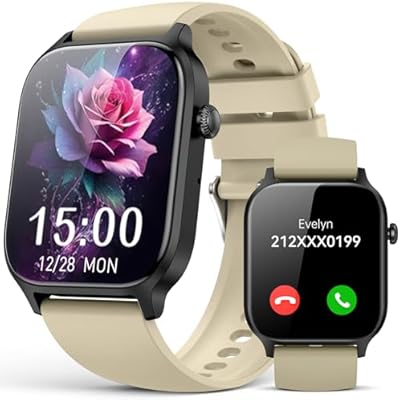
EarlySincere T13 Smartwatch
85%
91%
Display Quality
88%
Battery Life
85%
Health Tracking Accuracy
72%
Bluetooth Connectivity
80%
Voice Assistant Functionality
More
Thafikzi KK-2021 Women's Smartwatch
69%
83%
Value for Money
81%
Design & Aesthetics
61%
Ease of Setup
58%
Health Tracking Accuracy
77%
Menstrual Cycle Tracking
More
Carbinox Vortex Rugged Smartwatch
74%
88%
Build Quality
91%
Water Resistance
84%
Display Quality
82%
Bluetooth Calling
71%
Battery Life
More
ZZOCDR Y7 Smartwatch
81%
91%
Value for Money
88%
Fitness Tracking Accuracy
85%
Battery Life
79%
Display Quality
82%
Waterproof Durability
More
Kimeag S67 Smartwatch
72%
74%
Call Quality
63%
Health Tracking Accuracy
71%
Battery Life
47%
GPS Performance
58%
App Experience
More
DIVOAZBVO TG02 1.39″ Smartwatch
70%
88%
Value for Money
83%
Display Quality
79%
Battery Life
57%
Health Tracking Accuracy
58%
App Experience
More
UAUE T60 2nd Gen Smartwatch
69%
83%
Value for Money
79%
Display Quality
86%
Battery Life
71%
Bluetooth Calling
68%
Health & Fitness Tracking
More

FAQ

The watch works without a subscription for basics like activity tracking, heart rate monitoring, sleep tracking, and GPS. However, Fitbit Premium is required to access the deeper analysis — things like detailed sleep stages, stress management programs, and personalized health reports. It is worth factoring that ongoing cost into your decision before purchasing.

No, and it is important to be clear on this. The ECG app screens for atrial fibrillation, which is an irregular heart rhythm, not a heart attack. It is a wellness indicator designed to flag something worth discussing with your doctor, not a clinical diagnostic tool. Do not rely on it in an emergency situation.

Yes, the built-in GPS works entirely independently of your phone. You can go for a run or hike and get accurate pace, distance, and route data logged directly to the watch, then sync everything to the app when you get back.

The Sense smartwatch is rated to 50 meters water resistance, so lap swimming and open-water sessions are covered. It tracks swim workouts including laps and duration. Just avoid high-pressure water activities like diving or water skiing, which exceed its rating.

A full charge from empty takes around an hour to an hour and a half. The fast-charge feature is genuinely useful for topping up — about 12 minutes on the charger gives you enough power to get through a full day, which is helpful when you forget to charge overnight.

Yes, it is compatible with Android 8.0 and above. The pairing process through the Fitbit app is straightforward for most Android devices, though some users on less common Android brands have reported occasional sync hiccups after software updates.

The EDA sensor measures tiny electrical changes on the surface of your skin that can be associated with your body’s stress response. You run a short scan session while sitting still, and the watch logs your body’s reaction. It is a physiological indicator rather than a direct measure of emotional stress, so the scores work best as a trend over time rather than a precise daily verdict.

Sleep tracking is fully automatic — just wear the watch to bed and it logs everything passively. It captures sleep stages, duration, and nightly skin temperature variation without any manual input. The most detailed breakdown of that data, however, does require Fitbit Premium.

The sensor tracks relative changes in your skin temperature each night compared to your personal baseline, which it builds over the first week or so of wear. It is designed to surface trends — for example, a noticeable spike might coincide with the start of an illness or a shift in your menstrual cycle. It does not read absolute body temperature, so you cannot use it in place of a thermometer to check for a fever.

It can work well for first-timers, but the sheer volume of health data can feel overwhelming at the start. The app does a reasonable job of explaining what you are seeing, and the features activate gradually as the watch builds your personal baselines. If you just want step counts and basic sleep info, something simpler might serve you better and cost less. But if you are genuinely motivated to understand your health more deeply, the learning curve is worth it.

Where to Buy

Walmart
In stock $199.95
Target
In stock $199.95
Best Buy
In stock $199.95
Newegg.com
In stock $199.95
Adorama
In stock $199.95
Microless.com
In stock $201.37
StockX
In stock $125.00
Poshmark
In stock $150.00
Abt Electronics & Appliances
In stock $199.95