Overview

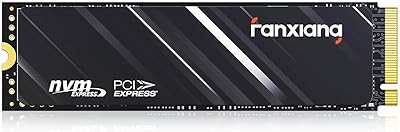
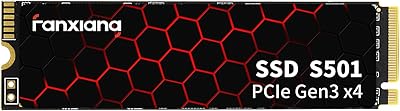
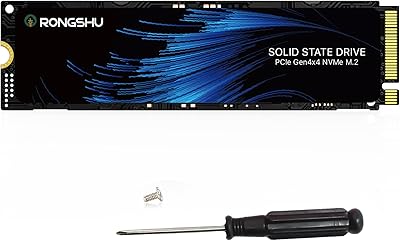
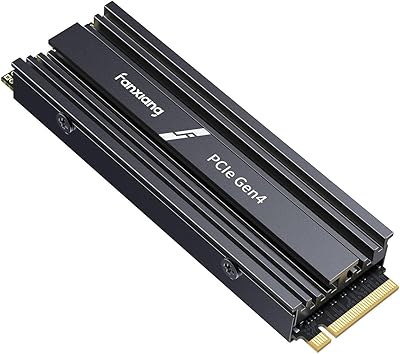
The fanxiang S501Q 512GB NVMe SSD enters a crowded budget storage market with a clear pitch: PCIe 3.0 NVMe speeds at a price that doesn't require much deliberation. fanxiang is a Chinese brand that launched this drive in late 2023, and while the name won't ring many bells outside value-hunting PC communities, it has been gaining real traction. The package includes a graphene heat-dissipation sticker to manage thermals, plus installation screws and a screwdriver — small additions that genuinely help if you're doing your first M.2 swap and don't have a toolkit nearby.

Features & Benefits

The headline numbers for this M.2 SSD — 3200MB/s read and 1450MB/s write — are real but come with a caveat: those figures apply only while the dynamic SLC cache is active. Fill that cache with a continuous large-file transfer and throughput drops noticeably. That's standard for drives at this price point, not a defect. Outside that, the M.2 2280 form factor fits nearly any modern system, 3D NAND flash gives it a reliability edge over older planar designs, and a 160 TBW rating is comfortable for typical home or office use. Windows 8 through 11 and macOS 10.9 and later are all supported.

Best For

This budget NVMe drive is a natural fit for anyone replacing a sluggish hard drive or an aging SATA SSD. Boot times and app load speeds will improve dramatically in either scenario, and the difference is immediately obvious. Students, home office workers, and casual gamers who aren't regularly moving large file libraries will get everything they need here. It also works well as an OS drive in a secondary rig where peak endurance isn't a concern. Just don't plan on running heavy video editing or continuous large backups through it — that kind of workload will push past the SLC cache window fast.

User Feedback

The fanxiang S501Q holds a 4.6-star average across roughly 780 ratings — respectable numbers, though worth some perspective: budget drives typically attract users upgrading from hard drives, which sets a lower bar for satisfaction. Most praise focuses on the noticeable speed improvement and the straightforward install process. Critical notes are more technical — some buyers flag the real-world write drop-off beyond the cache threshold, while others raise fair questions about long-term reliability from a brand still building its reputation outside Asia. No widespread failure wave has surfaced yet, and the five-year warranty provides a reasonable safety net if something does go wrong.

Pros

  • Replacing a spinning hard drive with this M.2 SSD cuts Windows boot times dramatically.
  • PCIe 3.0 NVMe interface delivers speeds well beyond what any SATA drive can match.
  • The M.2 2280 form factor fits the vast majority of modern laptops and desktops without compatibility headaches.
  • A bundled screwdriver and mounting screw make the install friendlier for first-timers.
  • 3D NAND technology provides better data integrity and longevity than older planar flash designs.
  • A five-year warranty offers meaningful coverage that many competing budget drives skip.
  • The graphene heat-dissipation sticker provides passive thermal management at no extra cost.
  • Compatible with Windows 8 through 11 and macOS 10.9 onward, covering a wide range of machines.
  • Verified buyer ratings across hundreds of purchases suggest low out-of-box failure rates.
  • At 512GB, storage is sufficient for an OS drive plus a healthy app and game library.

Cons

  • Advertised speeds only hold within the SLC cache window; sustained large-file writes are noticeably slower.
  • fanxiang has a limited reliability track record outside China, making long-term durability hard to verify independently.
  • 160 TBW endurance is on the lower end for NVMe drives and may be a concern for heavier users.
  • No cloning or migration software is included, leaving OS transfers entirely to the buyer to figure out.
  • The graphene sticker alone is insufficient thermal protection in compact or poorly ventilated chassis.
  • Cache size is not publicly specified, making it difficult to predict exactly when the speed drop-off will occur.
  • Warranty support responsiveness has not been broadly tested, creating uncertainty if something goes wrong.
  • Users with only a SATA-mode M.2 slot will find this drive incompatible, and the listing does not highlight this clearly.
  • The performance gap over a good SATA SSD is modest for light users who are not upgrading from an HDD.
  • No bundled installation guide means absolute beginners may struggle with BIOS recognition or drive initialization steps.

Ratings

The fanxiang S501Q 512GB NVMe SSD was evaluated by our AI system after analyzing verified global buyer reviews, with spam, bot activity, and incentivized feedback actively filtered out to ensure the scores reflect genuine ownership experiences. The ratings below cover everything from raw transfer performance to long-term reliability signals, and both the strengths and the real frustrations buyers have encountered are reflected without sugarcoating.

Sequential Read Speed
83%
For a PCIe 3.0 budget drive, the read performance holds up well in everyday tasks. Booting Windows, launching Chrome with a dozen tabs, or opening large spreadsheets all feel noticeably faster than any SATA SSD, let alone a mechanical hard drive.
The 3200MB/s figure is a ceiling reached under ideal, cache-friendly conditions. Buyers doing back-to-back large file reads report that sustained throughput settles well below the advertised peak, which is typical for this class but still worth knowing upfront.
Sequential Write Speed
67%
33%
Light write workloads — saving documents, downloading software, writing OS updates — complete quickly and without any obvious hesitation. For the intended casual-use audience, write speeds feel perfectly adequate during normal daily use.
Once the dynamic SLC cache is exhausted, write speeds drop sharply. Users who tried copying large video folders or running disk-intensive backups noticed the slowdown firsthand, and it is significant enough to be a practical limitation for anyone moving data regularly.
Value for Money
88%
At this price tier, getting a genuine NVMe M.2 drive with a five-year warranty and installation accessories included is hard to argue with. Buyers upgrading aging laptops consistently describe it as one of the most impactful low-cost upgrades they have made.
The value equation weakens slightly if you need heavy sustained write performance, since you are effectively paying for burst speeds you cannot always use. Spending a bit more for a drive with a larger cache buffer may be worth it if your workload is write-heavy.
Build & Physical Quality
74%
26%
The drive is lightweight and fits snugly in M.2 slots without any issues reported around fitment or connector quality. The included graphene sticker adds a layer of passive thermal management that is a thoughtful inclusion at this price point.
The overall construction feels utilitarian rather than premium. There is no aluminum heatspreader, and the graphene sticker, while functional, is a modest solution. Buyers in warm chassis environments have noted that temperatures still creep up under prolonged loads.
Thermal Management
69%
31%
The bundled graphene heat-dissipation sticker does reduce idle and light-load temperatures meaningfully compared to a bare controller. In thin laptops where airflow is limited, it provides at least some buffer against early thermal throttling during shorter tasks.
Under sustained write operations, the sticker alone is not enough to prevent throttling in confined enclosures. Users running this drive in compact mini-PCs or ultrabooks during extended transfers reported visible performance dips tied to heat buildup.
Installation Experience
91%
The M.2 2280 standard form factor means it fits virtually every compatible slot without guesswork. The inclusion of a small screwdriver and mounting screw in the box is a genuinely practical touch that first-time upgraders specifically called out in reviews.
There is no cloning software bundled, which means users migrating from an existing drive need to source their own solution. A few buyers found the documentation sparse for absolute beginners who were not familiar with BIOS-level drive recognition steps.
OS & Device Compatibility
86%
Support spanning Windows 8 through 11 and macOS 10.9 onward covers a broad range of real-world machines. Buyers installing it in older laptops running Windows 10 consistently report clean recognition without needing additional drivers.
A small number of users with older motherboards that only support SATA M.2 slots ran into compatibility issues — a reminder that PCIe NVMe and SATA M.2 are not interchangeable. The product listing could do more to flag this distinction clearly for less experienced buyers.
Boot & Application Load Times
87%
This is where the drive earns most of its positive reviews. Users swapping out aging HDDs describe Windows boot times dropping from over a minute to under fifteen seconds. Application launches, game loading screens, and browser startup all respond noticeably faster.
The improvement over a decent SATA SSD is real but less dramatic. Buyers already running a mid-range SATA drive may feel the upgrade is modest, and a few noted that the speed gains were not as pronounced as the headline specs suggested during mixed read-write workloads.
Endurance & Longevity
63%
37%
A 160 TBW rating is workable for users who write modest amounts of data daily — typical home office activity, web use, and light media consumption will stay well within that limit for several years. The five-year warranty also provides a credible backstop.
For context, 160 TBW is on the lower end even among budget NVMe drives. Power users, content creators, or anyone using this as a primary drive for frequent large writes should be cautious. The brand also lacks the long track record that would make multi-year durability claims easy to trust fully.
Brand Reliability & Support
58%
42%
fanxiang has accumulated a respectable number of verified sales and a solid aggregate rating in a short time, which suggests the drives are not failing at an alarming rate out of the box. The five-year warranty commitment is a positive signal for a newer brand.
The brand has limited independent long-term testing and almost no established reputation in Western markets beyond Amazon listings. Warranty claims and customer support responsiveness have not been broadly tested yet, so buyers are taking on some uncertainty compared to established names.
Cache Performance Consistency
61%
39%
Within the SLC cache window, performance is consistent and predictable. For the majority of day-to-day tasks that involve small-to-medium file sizes, most users will never notice the cache boundary in normal use.
The cache size is not disclosed, and once saturated, write speeds fall off substantially. Technically informed buyers who tested this with larger file batches flagged the inconsistency as a concern, particularly for anyone who assumed advertised speeds were sustained rather than burst figures.
Noise & Vibration
94%
As a solid-state drive with no moving parts, it operates completely silently under all workloads. Buyers who upgraded from spinning hard drives specifically mentioned the absence of noise and vibration as an immediate quality-of-life improvement.
There is essentially nothing negative to say here — silence is a baseline expectation for any SSD. The only marginal note is that some users in very quiet environments reported coil whine from surrounding components becoming more noticeable once the HDD noise was removed.
Form Factor Versatility
89%
The M.2 2280 standard is about as universal as NVMe gets. It slides into laptops, full ATX desktops, SFF builds, and mini-PCs with equal ease, and buyers upgrading multiple machines over time appreciate not having to verify slot compatibility each time.
The drive only comes in one form factor, which excludes a small number of devices requiring M.2 2242 or 2230 sizes. This is a niche limitation, but worth checking against your specific system before purchasing.
Packaging & Unboxing
77%
23%
The inclusion of a mounting screw and screwdriver stands out as a practical, user-friendly detail that competing budget drives often skip. The packaging is compact and the drive arrives well-protected, with no reports of shipping damage in the reviews surveyed.
The packaging is functional but minimal. There is no quick-start guide or setup instructions included, which leaves true first-timers to figure out BIOS settings and cloning workflows entirely on their own through outside resources.

Suitable for:

The fanxiang S501Q 512GB NVMe SSD is a genuinely smart pick for anyone whose primary goal is escaping the frustration of a slow hard drive or an older SATA SSD without spending a lot of money. Students running a mid-range laptop for schoolwork, web browsing, and light multitasking will feel the difference immediately on everyday tasks. The same goes for home office workers who need a snappier Windows boot and faster application launches but have no real need for professional-grade write endurance. First-time PC builders on a tight budget will also appreciate that the package includes a screwdriver and mounting screw, removing one small but real barrier to getting started. It works just as well as a secondary OS drive in a spare rig or a backup machine where squeeze-every-dollar value matters more than long-term durability assurances.

Not suitable for:

The fanxiang S501Q 512GB NVMe SSD is not the right tool if your workload regularly involves moving large files or running sustained write-heavy tasks like video editing exports, large database operations, or frequent full-drive backups. Once the dynamic SLC cache fills up, write speeds drop off sharply — and that is not a flaw unique to this drive, but it is a real limitation you will hit sooner than you might expect at 512GB. Content creators, photographers importing large RAW libraries, or developers running build pipelines will find the performance inconsistency genuinely disruptive. Anyone placing a high premium on long-term brand reliability should also think carefully here: fanxiang is a newer name with limited independent stress-testing and no established track record in Western markets, which introduces uncertainty that more established alternatives do not carry.

Specifications

  • Capacity: The drive offers 512GB of usable flash storage, suitable for an operating system installation alongside a moderate library of applications and games.
  • Interface: It connects via a PCIe 3.0 x4 NVMe interface, which is faster than SATA but one generation behind the PCIe 4.0 standard found in newer platforms.
  • Form Factor: The drive uses the M.2 2280 form factor, measuring 22mm wide and 80mm long, which is the most common M.2 size across modern laptops and desktops.
  • Read Speed: Sequential read speed reaches up to 3200MB/s under optimal, cache-active conditions as measured by the manufacturer.
  • Write Speed: Sequential write speed reaches up to 1450MB/s within the dynamic SLC cache window; sustained writes to a near-full drive will be lower.
  • NAND Type: The drive uses 3D NAND flash memory, which stacks memory cells vertically to improve density, endurance, and data retention compared to planar NAND.
  • Cache Type: A dynamic SLC cache is used to accelerate burst read and write performance, with cache size varying depending on available free space on the drive.
  • Endurance: The rated endurance is 160 TBW (TeraBytes Written), which is adequate for light-to-moderate home or office workloads over a multi-year lifespan.
  • Thermal Solution: A pre-applied graphene heat-dissipation sticker is included in the package to act as a passive heat spreader and reduce thermal throttling during workloads.
  • Weight: The drive weighs approximately 0.247 ounces (7g), making it negligible in terms of system weight impact for laptop installations.
  • OS Compatibility: Supported operating systems include Windows 8, 10, and 11, as well as macOS 10.9 and all later versions released through the product's availability window.
  • Device Compatibility: Compatible with laptops, desktop PCs, and all-in-one computers that are equipped with an M.2 slot supporting the PCIe NVMe protocol.
  • Installation Type: This is an internal storage drive requiring physical installation into an M.2 slot on the host system motherboard; no external enclosure is included.
  • Included Accessories: The retail package includes one M.2 mounting screw and a small screwdriver, removing a common friction point for buyers who lack a toolkit at hand.
  • Warranty: fanxiang provides a five-year limited warranty covering manufacturing defects, which is a competitive coverage period for a drive in the budget price tier.
  • Brand & Series: The drive is manufactured by fanxiang, a Chinese storage brand, and belongs to the S501 product series first made available in November 2023.
  • Shock Resistance: With no internal moving parts, the drive is inherently resistant to physical shock and vibration that would damage or degrade a traditional mechanical hard drive.
  • Amazon Ranking: As of available data, the drive holds the #147 position in the Internal Solid State Drives category on Amazon, reflecting meaningful consumer adoption.

Related Reviews

FANXIANG S880E 500GB NVMe SSD
87%
92%
Performance
95%
Speed
80%
Thermal Management
89%
Ease of Installation
91%
Compatibility
More
Samsung PM981 512GB NVMe SSD
87%
91%
Performance (Speed)
88%
Value for Money
84%
Installation/Setup
90%
Reliability/Durability
92%
Gaming Performance
More
fanxiang S501 256GB NVMe SSD
82%
86%
Performance
92%
Value for Money
88%
Speed Improvement
91%
Ease of Installation
80%
Build Quality
More
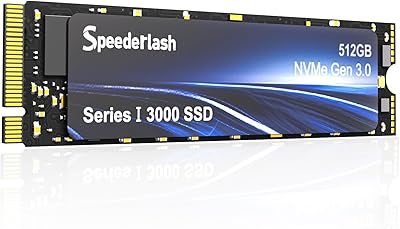
Speederlash PCIE3 512GB NVMe M.2 SSD
71%
83%
Value for Money
74%
Read & Write Performance
91%
Installation Ease
88%
Compatibility
78%
Thermal Management
More
fanxiang S690Q 4TB NVMe SSD
87%
93%
Performance
95%
Speed (Read/Write)
90%
Ease of Installation
88%
Thermal Management
87%
Build Quality
More
fanxiang S880ER 1TB NVMe SSD
87%
92%
Performance for Gaming
90%
Data Transfer Speed
89%
Cooling Efficiency
87%
Ease of Installation
91%
PS5 Compatibility
More
RONGSHU RS001 512GB NVMe SSD
86%
93%
Performance (Read/Write Speeds)
78%
Installation Ease
85%
Thermal Management
89%
Reliability & Endurance
90%
Compatibility with PS5
More
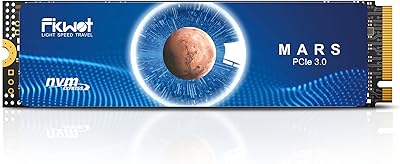
Fikwot FX550 512GB NVMe SSD
83%
91%
Performance
92%
Value for Money
88%
Read Speed
85%
Write Speed
89%
Reliability
More
fanxiang FF520 512GB External SSD
87%
88%
Performance (Read/Write Speeds)
93%
Durability (Build Quality)
90%
Compatibility
85%
Ease of Use
91%
Portability (Size & Weight)
More
XPG SX6000 Lite 512GB NVMe SSD
85%
87%
Performance
90%
Read Speed
85%
Write Speed
91%
Ease of Installation
92%
Value for Money
More

FAQ

It uses the M.2 2280 form factor, which is the standard size supported by the overwhelming majority of laptops and desktops with an M.2 slot. That said, you need to confirm two things: your system has an M.2 slot, and that slot supports PCIe NVMe — not just SATA. Some older machines have M.2 slots that only accept SATA-mode drives, and this one will not work in those.

The cache size is dynamic, meaning it scales based on how much free space is available on the drive — so keeping the drive under about 75% capacity helps maintain a larger cache buffer. Once the cache is saturated during a large continuous write, speeds drop noticeably below the advertised figures. For everyday tasks like saving files, installing apps, or booting an OS, you will almost never hit that ceiling.

fanxiang is a Chinese storage manufacturer that has gained traction primarily through value-focused Amazon listings. The drives have accumulated solid aggregate ratings with no widespread failure patterns reported, but the brand lacks the long independent testing history of names like Samsung, WD, or Kingston. The five-year warranty is a reasonable safety net, though how responsive their support is over time remains less documented than that of established brands.

The fanxiang S501Q 512GB NVMe SSD includes a mounting screw and a small screwdriver, which covers the hardware side. No cloning or migration software is bundled, so if you want to move your existing OS to the new drive rather than doing a fresh install, you will need to grab a free tool like Macrium Reflect or use your current drive manufacturer's migration utility independently.

Yes, it is fully compatible with Windows 11 and works well as a primary OS drive. Installation is straightforward — boot from a Windows USB, select the drive, and the installer handles the rest. Just make sure your motherboard BIOS recognizes NVMe drives as a boot device, which is standard on any system built in the last several years.

If you are coming from a mechanical hard drive, the difference will be dramatic and immediately obvious in boot times and app launches. If you are already running a decent SATA SSD, the real-world day-to-day improvement will be more modest than the spec sheet gap suggests, since most everyday tasks do not saturate SATA bandwidth. For a budget upgrade from an HDD, the value is clear; as a step up from SATA, it depends on how much sustained transfer performance matters to you.

For a lot of users, yes — especially if you use cloud storage or a secondary drive for media. You can comfortably fit Windows, a suite of productivity apps, and a handful of games within 512GB. If you regularly store large video files, RAW photo libraries, or a heavy Steam library locally, you will likely want to supplement it with additional storage rather than relying on this drive alone.

The included graphene sticker helps reduce temperatures under light and moderate loads, but it is a passive solution with limited capacity under sustained heavy workloads in a confined chassis. In well-ventilated laptops and desktops, thermals are generally fine for everyday tasks. If you are installing it in an ultrabook with tight internal clearance, it is worth monitoring temperatures during demanding sessions to confirm it is not throttling.

TBW stands for TeraBytes Written — it is the total amount of data the manufacturer rates the drive to handle over its lifetime before wear becomes a concern. At 160 TBW, a typical home user writing around 20–30GB per day would reach that threshold in roughly 15 years, so for light to moderate use it is not a practical concern. Heavy users writing significantly more daily — video editors, developers, or anyone running frequent large backups — will exhaust that rating much faster.

It is listed as compatible with macOS 10.9 and later, and users have reported successful installations in Mac systems that allow internal M.2 drive upgrades. Keep in mind that most modern Macs use proprietary connectors and are not user-upgradeable, so this is mainly relevant for older Intel-based MacBook Pro or Mac Mini models with a standard M.2 slot. Always verify your specific Mac model's upgrade path before purchasing.

Where to Buy