Overview

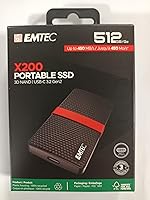
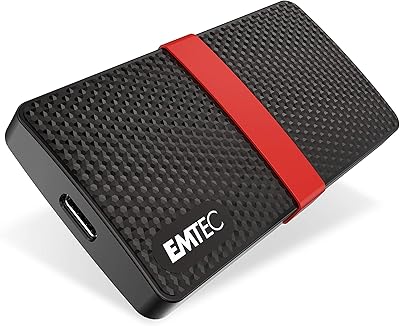
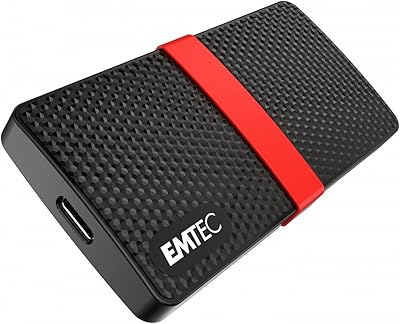
The Emtec X200 Power Plus 512GB Portable SSD is Emtec's answer to the growing demand for affordable, carry-anywhere storage that doesn't sacrifice too much on reliability. What makes it slightly unusual is the mSATA internal architecture — a format more commonly found in laptops than external enclosures — wrapped in a rugged shell that feels sturdier than its price suggests. In a crowded field of budget external SSDs, this compact drive holds its own for everyday tasks, though it won't challenge faster NVMe-based competitors. Think of it as a dependable daily driver rather than a performance powerhouse — honest, capable, and refreshingly portable.
Features & Benefits

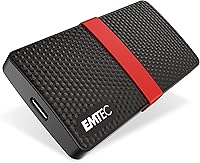
The Emtec X200 runs on a USB-C 3.1 Gen 1 connection, which tops out at 5 Gbps — enough for quick document transfers and photo backups, but noticeably slower than Gen 2 drives when moving large video files. Emtec includes both a USB-C and USB-A cable in the box, so you're not scrambling for adapters on day one. Inside, 3D NAND flash memory helps the drive hold up better over time than older NAND types, resisting the gradual cell degradation that plagues cheaper storage. The shock-resistant casing and featherlight 2.4 oz frame make it genuinely easy to pocket and forget — until you actually need it.

Best For

This portable SSD makes the most sense for students and remote workers who need a trustworthy backup drive without a hefty price tag attached. It plugs into Mac, Windows, and Linux machines without any reformatting drama, which is a real plus for anyone bouncing between platforms at school or in a shared workspace. Travelers and daily commuters will appreciate how little space it takes up — it disappears in a jacket pocket or laptop bag without complaint. If you're coming from a portable hard drive and want noticeably faster file access without jumping to an expensive NVMe option, this compact drive is a reasonable, grounded upgrade.

User Feedback

Across nearly 400 ratings, the Emtec X200 holds a 4-star average — which honestly tells the right story. Buyers consistently praise its plug-and-play simplicity and how compact it is, with many noting it just works straight out of the box. Where criticism shows up is predictable: bulk file transfers — think dozens of gigabytes at once — can feel sluggish compared to pricier alternatives. A handful of reviewers noted that the included USB-C cable felt a bit flimsy, and a few mentioned port fit that wasn't as snug as expected. There are also occasional longevity concerns, though these appear to be edge cases rather than a widespread pattern across the 512GB version specifically.

Pros

  • Genuinely pocketable at just 2.4 oz — easy to carry daily without noticing it.
  • Works immediately on Windows, macOS, and Linux with no reformatting required.
  • Includes both a USB-C and USB-A cable, covering older and newer machines out of the box.
  • 3D NAND flash offers better long-term cell durability than older NAND technologies.
  • The rugged casing provides real shock and vibration resistance for bag-tossing commuters.
  • 512GB of usable space handles documents, photos, and media backups comfortably.
  • Slim 0.39-inch profile makes it far more portable than any equivalent portable hard drive.
  • Solid 4-star average across nearly 400 buyers reflects consistent real-world satisfaction.
  • Ranked among the top external SSDs on Amazon, suggesting steady reliability over time.
  • Setup is straightforward — plug in and it works, with no software installation needed.

Cons

  • USB 3.1 Gen 1 tops out at 5 Gbps, making large file transfers noticeably slower than Gen 2 rivals.
  • The mSATA internal format feels dated compared to NVMe-based drives at similar price points.
  • A handful of buyers reported the included USB-C cable feels flimsy and less durable than expected.
  • Some users noted the USB-C port fit isn't as snug as they'd like, raising connection reliability concerns.
  • Sustained write speeds under heavy load can drop, which matters for video editing or large batch copying.
  • A small number of reviews flagged inconsistent longevity, suggesting quality control could be tighter.
  • No hardware encryption is offered, which may be a dealbreaker for users storing sensitive data.
  • The Emtec brand carries less recognition and after-sales support than established storage names.
  • No IP-rated water or dust resistance — rain or spills remain a real risk despite the rugged shell.
  • 512GB may feel limiting for users who accumulate large media libraries or want room to grow.

Ratings

Our AI-generated scores for the Emtec X200 Power Plus 512GB Portable SSD were produced by systematically analyzing verified global buyer reviews, actively filtering out incentivized, bot-generated, and outlier feedback to surface genuine user sentiment. The ratings reflect both what this compact drive genuinely gets right and where real-world buyers have run into friction. Strengths and shortcomings are weighted equally — nothing is glossed over.
Portability
93%
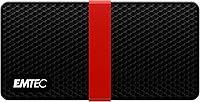
Buyers consistently single out the size and weight as a standout quality — at 2.4 oz and barely half an inch thick, it disappears into a jacket pocket or laptop sleeve without a second thought. Commuters and students in particular appreciate not having to plan around carrying it.
A small number of users noted the black-and-red colorway makes it easy to lose in a dark bag, and the lack of an attached keyring loop means there is nothing to clip it to for quick access.
Ease of Setup
91%
The plug-and-play experience draws consistent praise — on Windows, macOS, and Linux alike, buyers report the drive mounts and is ready to use within seconds of connecting. Including both cable types in the box means there is genuinely nothing extra to buy before getting started.
A handful of Linux users noted that some distributions required a quick manual mount step, which is a minor friction point. There is also no setup guide in the box, which could briefly confuse first-time SSD users.
Transfer Speed
61%
39%
For light, everyday transfers — a folder of documents, a batch of vacation photos, or a single large file — the speed is genuinely comfortable and noticeably faster than a portable hard drive. Most casual users report it feels responsive enough for their daily workflow.
Buyers who routinely move 20 GB or more in a single session consistently flag the speed as underwhelming. The USB 3.1 Gen 1 interface has a hard ceiling, and real-world throughput falls meaningfully short of what faster Gen 2 or NVMe alternatives deliver at comparable prices.
Build Quality
74%
26%
The outer shell feels more substantial than buyers expect at this price tier — the rugged casing has a reassuring density to it, and the shock resistance holds up well for commuters who toss the drive into a bag alongside heavier items daily.
The mSATA internal format raises eyebrows among more technical buyers who expect a current NVMe architecture. Some reviewers also noted minor flex in the casing under firm pressure, and the red accent trim has been described as feeling slightly cheaper than the main body.
Cable Quality
58%
42%
Emtec's decision to bundle both cable types is genuinely practical and appreciated — not every brand bothers. The USB-A cable in particular is long enough to reach comfortably from a desktop tower without forcing awkward positioning.
The USB-C cable draws repeated criticism for feeling thin and somewhat fragile, with buyers worried about long-term durability near the connector ends. A few users also reported that the USB-C connection to the drive itself feels less secure than they would like, with occasional wobble.
Compatibility
88%
Cross-platform support is a genuine strong point — the Emtec X200 works across Windows, macOS, and Linux out of the box without any reformatting, which matters a lot for users who share files between different operating systems at school or in a mixed-device workplace.
A small number of users flagged occasional hiccups with older USB 3.0 ports where the drive was not always recognized on the first connection, requiring a replug. Compatibility with certain smart TVs and gaming consoles is inconsistent and not officially supported.
Durability & Longevity
63%
37%
The 3D NAND flash architecture is a meaningful upgrade over older storage types for everyday use — buyers who use this drive for standard document and photo storage report no issues over extended periods, and the shock resistance holds up well in normal commuting conditions.
A recurring pattern in critical reviews involves unit reliability declining after sustained daily use over many months, with some buyers reporting the drive becoming unrecognized by their systems without warning. These cases are a minority but appear consistently enough to warrant caution.
Value for Money
76%
24%
For buyers whose needs are firmly in the light-to-moderate range — backups, document storage, occasional media transfers — the price-to-capacity ratio lands in a reasonable place. Most satisfied buyers feel they got what they paid for without expecting premium-tier performance.
When stacked against similarly priced rivals that offer faster interfaces or NVMe internals, the value proposition weakens for performance-conscious shoppers. Buyers who push the drive harder than intended often feel the price should reflect a better speed ceiling.
Thermal Performance
79%
21%
Under typical workloads, the drive stays cool enough that most buyers never think about it — the SSD internals produce far less heat than a spinning hard drive, and extended desktop sessions copying files rarely result in any warmth that is noticeable to the touch.
During prolonged, sustained transfers of large data sets, some users report the casing becomes warm enough to feel slightly uncomfortable when held. There is no active cooling, and the compact enclosure limits passive heat dissipation under extended heavy use.
Storage Capacity
81%
19%
For the target audience — students, remote workers, and casual travelers — 512 GB hits a practical sweet spot that comfortably accommodates a full laptop backup, a large photo library, and a working document archive without running tight.
Power users who work with video files, large RAW photo archives, or want to consolidate multiple drives into one will quickly find the 512 GB limit restrictive. The jump to the 1 TB variant is the natural next step, though that comes at a noticeably higher cost.
Design & Aesthetics
71%
29%
The two-tone black and red finish gives the drive a purposeful, understated look that reads as professional rather than flashy — buyers mention it sits on a desk or in a bag without looking out of place in a work context.
Design reactions are genuinely split: some buyers find the aesthetic sharp and modern, while others consider the red accent dated or toy-like. The overall look is unlikely to offend anyone, but it is not a design people tend to rave about either.
Port & Connector Feel
62%
38%
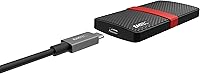
The USB-C port placement on the drive is sensible — it sits flush with the short edge, allowing cables to run neatly alongside a laptop without jutting out awkwardly, which commuters and desk workers both appreciate.
Several buyers describe the USB-C receptacle on the drive itself as feeling looser than ideal, with minor movement in the connected cable noticeable during use. This does not typically cause data errors, but it reduces the sense of quality and raises concerns over long-term connector wear.
Packaging & Unboxing
69%
31%
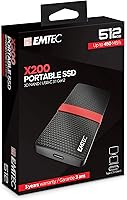
The packaging is clean and compact — buyers report the drive arrives well-protected and that both cables are clearly presented. The unboxing experience feels proportionate to the product tier without any unnecessary waste.
There is no printed documentation, warranty card, or quick-start guide included, which leaves first-time buyers relying entirely on online resources if they run into questions. For a product aimed partly at less technical users, this is a missed opportunity.

Suitable for:

The Emtec X200 Power Plus 512GB Portable SSD is a strong fit for anyone who needs reliable, no-fuss external storage at a price that doesn't sting. Students carrying their drive between a home laptop and a library computer will appreciate the plug-and-play compatibility across Windows, macOS, and Linux — no reformatting required. Remote workers who shuttle documents, spreadsheets, and presentations between devices will find 512GB more than sufficient for that kind of workload. Commuters and light travelers benefit from its genuinely pocketable size and shock-resistant shell, which offers real peace of mind when the drive is rattling around in a backpack. It also makes a sensible first step up for anyone still relying on a portable spinning hard drive who wants noticeably snappier file access without committing to a premium price point.
Not suitable for:

The Emtec X200 Power Plus 512GB Portable SSD will disappoint anyone whose workflow regularly involves moving large volumes of data quickly. The USB 3.1 Gen 1 interface has a hard 5 Gbps ceiling, and in practice, bulk transfers of large video libraries, RAW photo archives, or virtual machine files will feel noticeably sluggish compared to faster Gen 2 or NVMe-based alternatives. Creative professionals — video editors, photographers, or audio producers — who need high sustained read and write speeds should look elsewhere. The mSATA internal architecture, while not inherently unreliable, has drawn some concern from technically minded buyers who expect the more current NVMe form factor in modern portable drives. Similarly, anyone planning to run applications or games directly from the drive will likely find the speed ceiling frustrating over time.
Specifications

  • Storage Capacity: The drive offers 512 GB of usable flash storage, suitable for documents, photos, and media backups.
  • Interface: It connects via USB-C 3.1 Gen 1, delivering a maximum theoretical bandwidth of 5 Gbps.
  • Cable Included: The package includes both a USB-C to USB-C and a USB-C to USB-A cable for broad device compatibility.
  • Flash Type: Internal storage uses 3D NAND flash memory, which offers improved cell endurance and data retention over planar NAND.
  • Internal Format: The drive is built around an mSATA SSD internally, housed within a 2.5-inch-equivalent external enclosure.
  • Weight: The unit weighs 2.4 oz (approximately 68g), making it light enough to carry in a pocket without discomfort.
  • Dimensions: Physical dimensions measure 3.54 x 1.77 x 0.39 inches (L x W x H), giving it a genuinely slim and compact footprint.
  • OS Compatibility: The drive is compatible with Windows, macOS, and Linux operating systems without requiring reformatting out of the box.
  • Casing: The outer shell is a rugged, shock and vibration resistant casing designed to protect the drive during everyday transport.
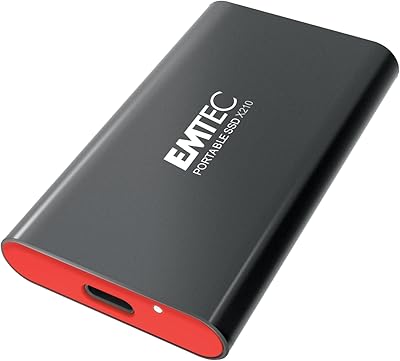
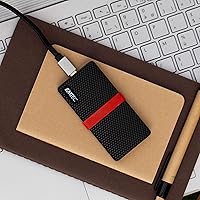
  • Color: The drive comes in a black body with red accent detailing, giving it a distinctive two-tone appearance.
  • Form Factor: Classified as a 2.5-inch equivalent portable SSD, it is designed exclusively for external bus-powered use.
  • Power Source: The drive is bus-powered via the USB connection and requires no external power adapter or separate cable.
  • Brand & Series: Manufactured by Emtec under the X200 Power Plus product series, first made available in September 2019.
  • Avg. Rating: The 512 GB variant holds a 4.0 out of 5 star average across nearly 400 verified buyer ratings on Amazon.
  • BSR Rank: It is ranked #279 in the External Solid State Drives category on Amazon, reflecting consistent ongoing sales volume.

Related Reviews

Emtec X200 Power Plus 1TB Portable SSD
76%
83%
Value for Money
61%
Transfer Speed
91%
Portability
72%
Build Quality
88%
Setup & Compatibility
More
Emtec X200 Power Plus 256GB mSATA Portable SSD
88%
89%
Performance & Speed
91%
Build Quality & Durability
95%
Portability & Size
85%
Compatibility & Setup
88%
Reliability & Longevity
More
Verbatim Store 'n' Go 512GB Portable SSD
80%
78%
Transfer Speed
83%
Build Quality
91%
Portability
93%
Plug-and-Play Ease
81%
Cable & Adapter Bundle
More
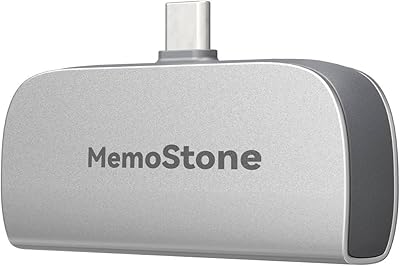
KingSpec MemoStone 512GB External SSD
75%
88%
Transfer Speed
83%
Build Quality
79%
Heat Management
62%
Apple Compatibility
94%
Portability
More
Vansuny 512GB Portable External SSD USB 3.2 Gen 2
84%
93%
Cross-Device Compatibility
78%
Transfer Speed Performance
81%
Build Quality & Materials
94%
Portability & Form Factor
82%
Connector Protection
More
MAIWO 512GB Portable External SSD
85%
94%
Transfer Speed
90%
Portability & Size
88%
Build Quality & Durability
89%
Compatibility
75%
Price vs Competitors
More
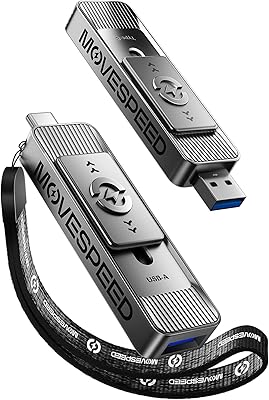
MOVE SPEED SP05 512GB Portable SSD
79%
88%
Build Quality
91%
Connector Design
83%
Read Speed
54%
Write Speed
77%
iPhone Compatibility
More
Emtec X210 Elite 1TB Portable SSD
87%
88%
Performance
94%
Portability & Size
86%
Durability
91%
Value for Money
85%
Transfer Speed
More
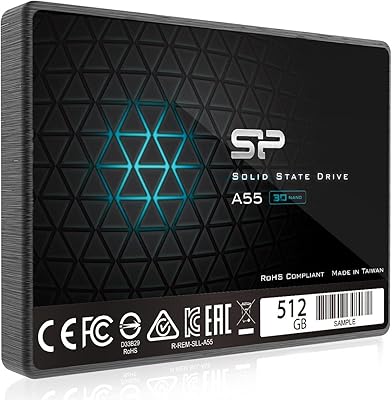
Silicon Power A55 512GB Internal SSD
78%
93%
Value for Money
88%
Boot & OS Performance
61%
Sustained Write Speed
94%
Installation & Compatibility
82%
Long-Term Reliability
More
VAVA Portable SSD Pro 512GB External Drive
78%
83%
Transfer Speed
88%
Build Quality
71%
Encryption & Security
93%
Portability
79%
Compatibility
More

FAQ

No, you do not. The Emtec X200 Power Plus 512GB Portable SSD is plug-and-play on Windows, macOS, and Linux. Just connect the cable and your operating system will recognize it automatically — no driver downloads or setup utilities required.
Use whichever matches the port on your computer. If your laptop has a modern USB-C port, use that cable for the best connection. If you are on an older machine with standard USB-A ports, the included adapter cable works just as well — you will not need to buy anything separately.

For typical tasks — moving documents, photos, or a few video clips — the speed feels perfectly adequate. The USB 3.1 Gen 1 interface caps out at 5 Gbps theoretically, but real-world transfers tend to come in well below that. Copying a few gigabytes takes seconds, but moving 50 GB or more in one go will take noticeably longer than on a faster Gen 2 or NVMe-based drive.

Yes, absolutely. The included USB-C cable connects directly to any standard USB-C or Thunderbolt port on a MacBook. The drive formats fine for macOS and shows up on the desktop immediately after plugging in.

Not officially. The casing is described as shock and vibration resistant, which is useful for drops and bumps during commuting, but there is no stated IP water or dust resistance rating. Keep it away from rain, spills, and dusty environments to be safe.

You can, but it is not really what this compact drive is optimized for. The interface speed is fine for launching smaller applications, but games or software that require high sustained read speeds may stutter or load slowly. For that kind of use, a faster NVMe-based external drive would serve you much better.

For the majority of everyday users, yes. It handles a full laptop backup, several thousand photos, a music library, and plenty of documents without running out of room. If you work with large RAW files, 4K video projects, or want a single archive for your entire media collection, you may want to look at the 1 TB variant instead.

Reasonably durable. The rugged outer shell gives it a solid feel that inspires confidence when tossed in a bag, and the SSD internals mean there are no moving parts to rattle loose like on a traditional hard drive. Just avoid dropping it onto hard surfaces repeatedly, and it should hold up well over time.

Mild warmth is normal during sustained transfers, but most users do not report it becoming uncomfortably hot. SSDs in general run much cooler than spinning hard drives, and the compact casing dissipates heat adequately under typical workloads.

The most common praise centers on how compact and easy to use the Emtec X200 is — buyers consistently mention it just works without any fuss. On the critical side, some users feel the transfer speed underdelivers when pushing large batches of files, and a small number have flagged the USB-C cable as feeling less premium than the drive itself. Overall, the feedback is positive but candid about its limitations.

Where to Buy