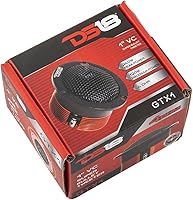
Overview

The DS18 GTX1 Super Bullet Tweeter is a compact, hard-hitting high-frequency driver built squarely for car audio and pro audio installers who want serious presence without serious complexity. DS18 has carved out a strong niche in the voceteo and Latin car audio scene, and this model fits right into that DNA — loud, punchy, and built to cut through heavy bass. One thing to know upfront: the listing is for a single unit, so if you're wiring a stereo pair, you'll need to order two. At its price point, this sits comfortably in mid-range upgrade territory — a meaningful step up from factory tweeters, though it's tuned for maximum SPL output, not audiophile-grade accuracy.

Features & Benefits

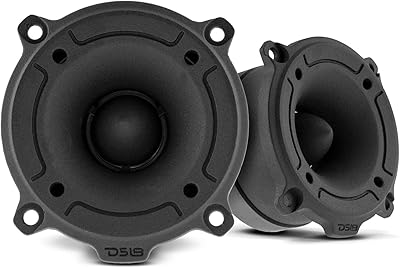
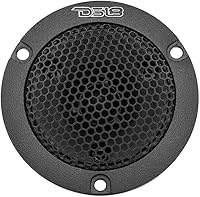
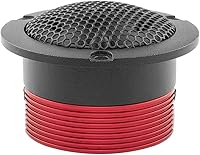
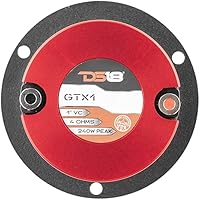
At the core of the GTX1 is a 1-inch titanium compression driver backed by a neodymium magnet — a combination that lets it produce bright, forward highs with impressive efficiency. It's rated at 120 watts RMS and 240 watts peak at 4 ohms, which in practical terms means it can keep up with a well-powered amplifier without strain. The die-cast aluminum frame keeps weight down while adding rigidity, and the result is a crisp, cutting high-frequency response. A particularly handy detail is the built-in capacitor filter — it blocks low frequencies before they reach the driver, which saves beginners the headache of configuring a separate crossover. The bullet dust cover adds protection and helps direct sound outward.

Best For

This bullet tweeter is an ideal pick for high-SPL car audio builds — the kind where you're pushing a lot of bass and need your highs to stay audible above road noise and subwoofer pressure. It's especially at home in voceteo and cumbia-style systems where treble presence matters as much as volume. DIY installers upgrading from stock tweeters will appreciate the plug-and-play setup — the built-in capacitor means no extra crossover components to source or wire. Its 4-ohm impedance and broad vehicle compatibility make it a workable choice across cars, motorcycles, and boats. If you're chasing precise imaging or a flat frequency curve, look elsewhere — this is built for impact.

User Feedback

With a 4.5-star average across over a hundred ratings, the GTX1 has earned genuine goodwill from buyers. The most consistent praise centers on loudness and clarity — people are genuinely surprised by how much high-frequency presence a tweeter this size delivers. The housing design also gets positive remarks; it looks sharp mounted in a dash or door. On the critical side, some listeners find the sound overly bright at higher volume levels, which is not uncommon for titanium-diaphragm drivers. A recurring point of confusion is the single-unit packaging — a handful of reviewers left disappointed expecting a pair. Overall, most buyers feel it punches above its weight for the price tier.

Pros

  • Delivers impressively loud, clear highs that hold up even against heavy bass and road noise.
  • Built-in capacitor crossover makes installation straightforward — no external crossover required.
  • Titanium compression driver with neodymium magnet produces efficient, powerful output at 4 ohms.
  • Die-cast aluminum frame feels solid and looks sharp — the bullet housing gets consistent praise from buyers.
  • 120W RMS and 240W peak handling gives it real headroom for amplified systems.
  • Versatile compatibility across cars, boats, motorcycles, and ATVs makes it a flexible choice for multi-vehicle hobbyists.
  • Strong value for the price tier — most buyers feel the performance exceeds expectations for the cost.
  • Easy to mount and wire, even for installers with limited experience.

Cons

  • Sold as a single unit — buyers who need a stereo pair must order two, which is easy to miss.
  • The titanium diaphragm can sound harsh or fatiguing at high volumes, especially in smaller cabins.
  • Not well-suited for listeners who want a balanced, natural treble rather than a bright, forward sound.
  • The built-in capacitor filter offers limited tuning flexibility compared to a dedicated external crossover.
  • Limited warranty coverage may be a concern for buyers planning long-term installs.
  • The 4-ohm impedance may not pair ideally with every amplifier or head unit without checking compatibility first.
  • No waterproofing, which limits exposure to moisture despite being marketed for boats and ATVs.
  • Relatively few reviews compared to more established tweeter models, so long-term durability data is still thin.

Ratings

The DS18 GTX1 Super Bullet Tweeter has been evaluated by our AI after analyzing verified buyer reviews from multiple global markets, with spam, bot-generated, and incentivized submissions actively filtered out before scoring. The result is an honest, balanced breakdown that reflects both what this tweeter genuinely excels at and where real-world users have run into frustration. Every score below — high or low — is grounded in patterns found across hundreds of actual buyer experiences.

High-Frequency Output
91%
Buyers consistently describe the treble presence as strong and cutting, particularly in loud car audio environments where highs often get buried under heavy bass. In voceteo and high-SPL builds, this DS18 tweeter holds its own against competitors costing significantly more, with a forward, projecting sound that fills the cabin.
That same aggressive output can become fatiguing in smaller vehicles or at sustained high volumes, with some users noting a harsh edge that requires EQ adjustment. Listeners who prefer a warmer, laid-back treble signature will find the character difficult to tame without additional tuning.
Build Quality
84%
The die-cast aluminum frame feels noticeably more substantial than plastic-bodied tweeters at a similar price, and buyers frequently comment on how solid and well-finished the housing looks once mounted. The bullet-style dust cover adds a distinctive look that gets positive attention in custom builds.
A handful of reviewers noted that the mounting hardware included feels lightweight relative to the driver itself, which can make flush-mount installs a bit fiddly. Over longer periods in high-vibration environments like ATVs, there are occasional reports of loosening connections at the terminal.
Value for Money
86%
Most buyers feel this bullet tweeter punches above its price tier, especially given the titanium diaphragm and neodymium magnet combination that typically commands higher prices in competing brands. For a DIY installer stepping up from factory tweeters, the performance-to-cost ratio lands well.
The single-unit packaging means buyers building a stereo pair are effectively paying double, which reframes the per-unit value in a less flattering light. A few reviewers felt the price should include a matched pair given how tweeters are almost universally installed in sets of two.
Ease of Installation
88%
The built-in capacitor crossover is a genuine time-saver — beginners in particular appreciate not having to source or wire a separate crossover component. Most installers report a clean, straightforward wiring process comparable to swapping any standard speaker driver.
The lack of detailed mounting instructions in the box leaves some buyers guessing about optimal placement angles for best dispersion. Those installing into tight door panels or custom pods may need to fabricate their own adapter rings, as no universal bracket is included.
Sound Clarity
77%
23%
Within its intended use case — cutting through road noise and bass-heavy mixes — the GTX1 delivers crisp, intelligible highs that genuinely improve system intelligibility at volume. Buyers using it in cumbia and reggaeton setups consistently praise how vocals and cymbals punch through the mix.
At the edges of its frequency range, especially at lower treble frequencies, some buyers notice a slight harshness that affects clarity rather than enhancing it. This is less of an issue at moderate volumes but becomes more apparent when pushing the system hard for extended listening sessions.
Power Handling
83%
At 120 watts RMS and 240 watts peak, this DS18 tweeter handles amplified systems without complaint in the majority of real-world installs reported by buyers. Users running it through mid-powered amplifiers in the 75–100 watt range per channel have not reported thermal issues or driver failures.
A small number of buyers who pushed the tweeter to its upper power limits reported premature voice coil failure, suggesting the peak rating should be treated as a ceiling rather than a target operating point. Sustained high-power use without adequate signal processing appears to be the most common cause of damage.
Tonal Balance
62%
38%
For buyers who specifically want a bright, forward-leaning treble — particularly in voceteo systems designed to emphasize presence — the tonal character of this tweeter aligns well with the intended application. It does exactly what it is designed to do within that context.
Outside of high-SPL applications, the frequency balance skews noticeably bright, which frustrates buyers who expected a more neutral output. Rock, jazz, and acoustic music listeners in particular find the titanium diaphragm character unflattering, with sibilance and cymbal harshness being recurring complaints.
Compatibility
81%
19%
The 4-ohm impedance and passive design make the GTX1 compatible with the vast majority of aftermarket car amplifiers without any impedance mismatch concerns. Its compact physical footprint fits standard tweeter mounting locations in most car door panels and A-pillar pods.
Buyers with factory-integrated head units that lack preamp outputs have reported lower-than-expected output levels, since the tweeter really benefits from a dedicated amplified signal. Marine and ATV users should also note the lack of waterproofing, which adds an extra planning step for exposed mounting locations.
Durability
74%
26%
The majority of buyers who have used this tweeter for six months to over a year in daily driving conditions report no functional issues, and the aluminum housing shows minimal wear even in high-vibration environments. The bullet dust cover does its job protecting the voice coil from debris in open-air installs.
The limited warranty provides minimal reassurance for buyers concerned about long-term reliability, and DS18's warranty claim process has received mixed feedback. A small but notable cluster of reviews mention early failures, though these are often linked to improper crossover setup or overpowering the driver.
Packaging & Presentation
67%
33%
The tweeter arrives well-protected and the housing itself looks premium enough to satisfy buyers who care about aesthetics in their builds. The bullet design in particular gets consistent compliments from custom install enthusiasts who display their components visibly.
The single-unit packaging continues to be the most polarizing aspect of the buying experience, with a surprising number of reviewers leaving one-star ratings solely because they expected a pair. Clearer labeling at the point of sale would likely eliminate a significant proportion of negative feedback.
Crossover Integration
79%
21%
Having a capacitor filter built directly into the housing removes a genuine barrier for less experienced installers, who would otherwise need to research, purchase, and wire a standalone passive crossover. In straightforward builds, this convenience translates to a noticeably faster and cleaner installation.
The fixed capacitor value limits flexibility for advanced installers who prefer to dial in a custom crossover point for their specific system. There is no way to adjust or bypass the filter without modifying the driver, which some experienced builders find unnecessarily restrictive.
Dispersion & Projection
76%
24%
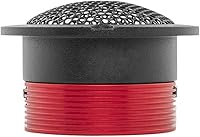
The bullet-style dust cover is not just aesthetic — it actively helps focus and project high frequencies forward, which buyers in larger cab vehicles like trucks and SUVs find particularly useful for maintaining treble presence across the whole listening space.
The tight dispersion pattern that helps with projection can work against buyers who need wide, even high-frequency coverage across multiple seating rows. Rear-seat passengers in larger vehicles sometimes report a noticeable drop in treble compared to the front seats.
Aesthetic Design
88%
The industrial bullet housing and black aluminum finish look sharp in both traditional and custom car audio installs, and several reviewers specifically noted that the tweeter looks more expensive than it is. It is one of the more visually distinctive tweeters available at this price tier.
The design is assertively stylized, which works well in aggressive builds but may feel out of place in more conservative or OEM-style interior setups. Color options are limited to black, so buyers with lighter interior trim may find the contrast harder to work with aesthetically.
Noise Floor & Sensitivity
72%
28%
The neodymium magnet contributes to efficient sensitivity, meaning the GTX1 responds well even to modest amplifier output and does not require excessive power to reach useful listening levels. Buyers running moderate-powered systems report satisfying volume without straining their amplifiers.
Higher sensitivity also means any hiss or noise in the signal chain — from a noisy amp or poorly grounded head unit — becomes more audible through this tweeter than through less sensitive drivers. A clean electrical install is more important here than with less efficient alternatives.

Suitable for:

The DS18 GTX1 Super Bullet Tweeter is purpose-built for car audio enthusiasts who prioritize volume and high-frequency presence over clinical sound accuracy. It fits naturally into voceteo, cumbia, and high-SPL car builds where tweeters need to cut through heavy bass and road noise without getting lost in the mix. DIY installers who want a straightforward upgrade from factory tweeters will appreciate that the built-in capacitor crossover removes a major barrier to entry — no separate crossover components, no complex wiring decisions. Multi-vehicle hobbyists also get good mileage out of this DS18 tweeter, since it works across cars, motorcycles, boats, and ATVs with standard wiring. If your goal is louder, clearer highs on a practical budget, this is a well-matched choice.

Not suitable for:

Buyers chasing a refined, neutral listening experience should look elsewhere — the DS18 GTX1 Super Bullet Tweeter is tuned for brightness and output, not flat frequency response or audiophile-grade imaging. If you listen at moderate volumes and care deeply about tonal balance, the titanium diaphragm may come across as overly aggressive in the upper frequencies. This is also not the right pick for anyone expecting a stereo pair in the box — it ships as a single unit, and overlooking that detail is a common source of frustration. Installers who already have a dedicated external crossover system configured may find the built-in capacitor filter redundant or limiting. Finally, those mounting in acoustically sensitive environments like home listening rooms will find this tweeter's character a poor fit for that context.

Specifications

  • Brand: This tweeter is manufactured by DS18, a brand known for high-output car and pro audio components.
  • Model: The model designation is GTX1, part of DS18's pro tweeter lineup.
  • Driver Size: The GTX1 uses a 1-inch compression driver designed for efficient high-frequency reproduction.
  • Peak Power: This tweeter is rated to handle up to 240 watts at peak power levels.
  • RMS Power: Continuous RMS power handling is rated at 120 watts, suitable for use with amplified systems.
  • Impedance: The driver operates at 4 ohms, a standard impedance compatible with most car audio amplifiers.
  • Diaphragm: The diaphragm is constructed from titanium, which contributes to its bright, forward-projecting high-frequency character.
  • Frame Material: The outer frame is die-cast aluminum, keeping the unit lightweight while maintaining structural rigidity.
  • Magnet Type: A neodymium magnet is used internally, providing strong magnetic flux in a compact form factor.
  • Crossover Filter: A built-in capacitor crossover filter is included to block low frequencies and protect the driver without requiring a separate crossover unit.
  • Dust Cover: A bullet-style protective dust cover shields the voice coil from debris while helping direct sound forward.
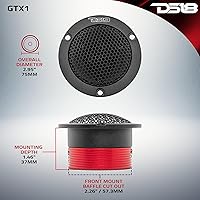
  • Dimensions: The unit measures 1.96″ deep by 2.95″ wide by 2.95″ tall.
  • Compatibility: The GTX1 is designed for use in cars, motorcycles, boats, and ATVs.
  • Unit Count: Each listing includes one tweeter only — buyers who need a stereo pair must purchase two units separately.
  • Waterproofing: This tweeter is not waterproof and should be protected from direct water exposure even in marine or outdoor installs.
  • Warranty: DS18 provides a limited warranty with this product; specific terms should be confirmed directly with the manufacturer.
  • Audio Output: The tweeter is configured for mono output as a single driver, intended to be paired with a second unit for stereo use.
  • Power Source: The GTX1 is a passive driver powered via wired connection to an amplifier or head unit — no external power supply is required.

Related Reviews
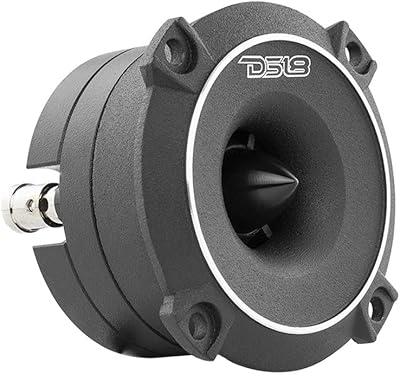
DS18 PRO-TWN1 1″ Super Bullet Tweeter
79%
91%
Sound Output & Volume
78%
High-Frequency Clarity
83%
Power Handling
88%
Installation Ease
81%
Build Quality
More
DS18 PRO-TWX5 1.5″ Super Bullet Tweeter
86%
88%
Performance
90%
Sound Clarity
85%
Build Quality
91%
Ease of Installation
87%
Power Handling
More
DS18 PRO-TW1L RGB Bullet Car Tweeters
80%
83%
Sound Clarity
91%
RGB Lighting Quality
86%
Installation Ease
78%
Build Quality
84%
Value for Money
More
DS18 PRO-TW920 Super Tweeter
78%
88%
Sound Output & Presence
81%
High-Frequency Clarity
86%
Power Handling
91%
Installation Ease
73%
Build Quality
More
DS18 PRO-TW120B Super Tweeter
84%
88%
Sound Quality
91%
High-Frequency Performance
85%
Build Quality
89%
Power Handling
92%
Value for Money
More
DS18 PRO-TSQ3IN1 Neodymium Bullet Tweeter
83%
91%
Audio Performance
78%
Installation Ease
85%
Mounting Flexibility
88%
Build Quality
87%
Value for Money
More
ORION Cobalt CTW2.0NEO 3.8″ Neodymium Tweeter Pair
78%
88%
Sound Clarity
91%
Value for Money
89%
Ease of Installation
72%
Build Quality
86%
High-Frequency Performance
More
DS18 PRO-ZT 6x9 Coaxial Midrange Speaker
76%
83%
Sound Clarity
58%
Bass Response
78%
Build Quality
74%
Water Resistance
81%
Value for Money
More
Orion CTW1.7HP 3.8″ Car Bullet Tweeter Pair
78%
91%
Value for Money
83%
Sound Clarity
86%
Build Quality
89%
Ease of Installation
68%
Power Handling
More
DS18 PRO-ZT6 6.5-Inch Mid-Range Loudspeaker with Bullet Tweeter
86%
91%
Sound Quality
88%
Durability
89%
Power Output
85%
Water Resistance
87%
Build Quality
More

FAQ

Just one — the listing is for a single unit. This trips up a lot of buyers, so if you need a stereo setup, make sure to order two. It is one of the more common complaints in the reviews, so worth double-checking your cart before purchasing.

There is a built-in capacitor crossover filter already inside the housing, so you can wire it directly without adding an external crossover. It is a simple high-pass filter that blocks low frequencies from reaching the driver. That said, if you already have a dedicated active crossover in your system, you can use that instead and bypass the built-in one.

You can technically run it off a head unit, but you will get the best performance pairing it with an amplifier. The GTX1 is rated at 120 watts RMS, which is well beyond what most stock head units put out. Running it with an amp lets it perform closer to its actual capability.

The tweeter itself is rated at 4 ohms, so you would want to match it to a 4-ohm stable amplifier channel for optimal performance. Running it on a 2-ohm load can affect power delivery and potentially stress the driver over time.

DS18 lists it as compatible with cars, motorcycles, boats, and ATVs. Just keep in mind it is not waterproof, so if you are mounting it somewhere exposed to rain or spray, you will want to either add some protection or choose a sheltered mounting location.

Yes, that is a known characteristic of titanium diaphragm tweeters in general, and the GTX1 leans into that quality intentionally. It is tuned for high-SPL output and presence, not warmth. If the brightness is too much, try adjusting the high-frequency gain on your amplifier or head unit down a few decibels — that usually smooths things out noticeably.

It is pretty approachable. The built-in capacitor filter means you do not need to wire up a separate crossover, which removes one of the trickier steps for first-timers. You connect positive and negative leads like any other speaker driver. If you can wire a standard speaker, you can install this tweeter.

The tweeter body is roughly 2.95 inches in diameter, so you will want a mounting cutout or surface that accommodates that width. Surface-mount brackets or flush-mount pods designed for 3-inch tweeters typically work well. Always dry-fit before cutting anything.

Based on buyer feedback, the die-cast aluminum frame feels solid and holds up well in daily driving conditions. There are no widespread reports of premature failures in the reviews. The voice coil protection from the bullet cover and built-in crossover filter both help extend longevity when the tweeter is used within its power ratings.

It is well-suited for it, which is part of why DS18 designed it this way. Voceteo builds typically demand high treble output that can project over loud bass, and this bullet tweeter delivers exactly that kind of presence. The titanium driver and neodymium magnet combination handles the high-SPL environment those systems create without rolling off quickly.

Where to Buy