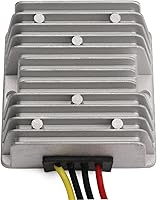
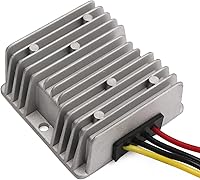
Overview

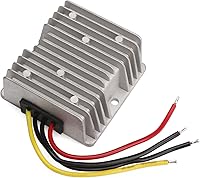
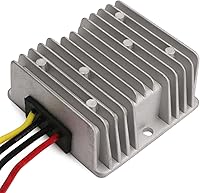
The DROK 120W 10A Voltage Reducer is built around a simple job: take a 24-60V battery system and hand it a clean, steady 12V output without drama. Inside an aluminum housing that feels sturdier than its price tag suggests, this buck regulator handles up to 10A continuously, topping out around 120W, which covers most small accessories you'd actually want to run off a cart or battery bank. It started life as a golf cart and club car solution, and that heritage still shows in the layout, but the wide input range means it slots into other 24V-48V setups just as easily. The footprint stays small enough to mount near existing wiring without forcing you to rework your whole compartment, which matters more than people expect once you're actually under the hood.

Features & Benefits

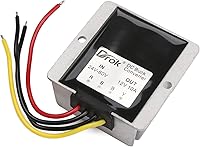
What stands out about this buck regulator is how much thought went into the practical side of things. The 24-60V input range means it covers 24V, 36V, and 48V systems straight out of the box, so there's no guessing which version to buy. A wiring diagram is printed right on the housing, which sounds minor until you're hunched over a battery compartment trying to remember which terminal is which. Inside, it carries layered protection against over-current, short circuits, overheating, and sudden input voltage spikes, the kind of safeguards that matter when you're tapping into a live battery bank. The casing is sealed against moisture and dust, so it holds up fine mounted outdoors or tucked under a cart seat. Just as important, it runs quietly, without the faint hum or random shutdowns that plague cheaper converters.

Best For

This step-down module makes the most sense for anyone running accessories off a higher-voltage battery pack. Golf cart and club car owners are the obvious fit, especially if you're wiring in a 12V radio, speakers, or a USB charging port and don't want to rig up a separate battery just for that. Solar setups benefit too, since panels and battery banks often sit well above 12V, and this gives you a dependable way to step that down for smaller devices. E-bike builders running 36V or 48V packs can use it to power lights, displays, or other 12V electronics without complicated rewiring. It's also a solid pick for anyone wiring LED light bars or auxiliary lighting off a 24V to 48V source, since the protection circuitry adds a layer of confidence that a bare wire splice never could.

User Feedback

Real-world feedback on this voltage converter tends to echo what the spec sheet promises. Several owners mention that installation went smoother than expected, crediting the labeled terminals for taking the guesswork out of a job that can otherwise feel intimidating. People running it under continuous loads, like cabin speakers or auxiliary lighting, report that output stays steady rather than drifting or cutting out under stress. Its small size earns praise too, since it tucks neatly into cramped cart compartments where bulkier converters simply wouldn't fit. On the downside, a handful of users stress that you need to double-check your system's actual input voltage before wiring anything up, since mismatches can cause damage that isn't covered by any built-in protection. It's not a complicated device, but it does reward a little patience during setup.

Pros

  • Wide 24-60V input range covers 24V, 36V, and 48V systems without buying separate units
  • Printed wiring diagram makes installation approachable even for non-electricians
  • Multiple built-in safeguards protect against over-current, short circuits, and overheating
  • Sealed, dampproof housing holds up well in outdoor or under-seat installations
  • Runs quietly without the hum or random shutdowns common in cheaper converters
  • Compact size fits easily into tight cart compartments or tucked-away mounting spots
  • Delivers stable output even under continuous accessory loads, according to several owners
  • The DROK 120W 10A Voltage Reducer offers solid value for its protection features

Cons

  • Requires confirming exact input voltage beforehand, which adds a step for cautious buyers
  • Not rated for high-draw devices pulling beyond its 10A, 120W ceiling
  • Wiring still involves working directly with live battery connections, which isn't for everyone
  • No digital display to confirm output voltage is functioning correctly at a glance
  • Mounting hardware and cabling extras aren't included, so some setups need additional purchases
  • Documentation focuses on the diagram alone, with limited troubleshooting guidance for edge cases
  • Aluminum housing, while sturdy, can get warm under sustained heavier loads

Ratings

Our AI rating engine analyzed verified buyer feedback from multiple regions to score the DROK 120W 10A Voltage Reducer across the factors that actually matter during real installs, filtering out spam, bot activity, and incentivized reviews along the way. What's left is a transparent picture of where this buck regulator earns its keep and where it asks a little patience from the installer.

Voltage Regulation Stability
88%
Owners running continuous loads like cabin speakers or auxiliary lighting consistently report a steady 12V output without drift or flicker. For applications like solar setups where input voltage can fluctuate, that stability is exactly what keeps connected accessories from cutting out unexpectedly.
A small number of users mention minor output dips under sudden load spikes, like switching on multiple accessories at once. It's not a dealbreaker for most setups, but anyone running sensitive electronics may want to test gradually rather than load everything simultaneously.
Build Quality
84%
The aluminum housing feels noticeably sturdier than typical plastic-bodied converters in this price range, and it holds up well to the vibration that comes standard with golf cart use. Several buyers specifically mention it doesn't feel flimsy compared to past converters they've tried.
The casing can pick up scuffs fairly easily during installation in tight compartments, and a few users note the terminal screws feel a bit delicate if overtightened. Nothing structural, but it rewards a gentle hand during setup.
Installation Ease
89%
The printed wiring diagram on the housing gets praised repeatedly, especially by buyers without an electrical background who appreciate not having to hunt down a separate manual. Labeled terminals make the whole process feel approachable rather than intimidating.
A few first-time installers still recommend having a multimeter on hand to confirm input voltage beforehand, since the diagram alone doesn't prevent wiring mistakes if you're unsure of your system's actual voltage. It's straightforward, just not entirely foolproof.
Weatherproofing & Durability
81%
19%
The dampproof, dustproof design holds up well for under-seat cart mounting and outdoor solar installs, with several owners reporting no issues after seasons of exposure to humidity and dust. It feels built for real outdoor conditions rather than just indoor use.
It's not rated for full submersion, so buyers in particularly wet climates or boat applications should still seek extra shielding. A handful of reviews mention wanting clearer guidance on exactly how much moisture exposure is safe long-term.
Heat Management
76%
24%
The aluminum body doubles as a passive heat sink, and most users running it within rated limits report only mild warmth even after extended use. Overheat protection adds a safety net for anyone running accessories for hours at a time.
Under sustained heavier loads closer to the 10A ceiling, some owners notice the housing gets noticeably warm to the touch. It's not unsafe, but it does mean ventilation around the mounting spot is worth considering.
Safety Protections
91%
The combination of over-current, short-circuit, overheat, and input surge protection gives buyers real peace of mind when tapping into a live battery bank. Several reviewers specifically mention feeling more confident attempting a DIY install knowing these safeguards exist.
Protection circuitry can't compensate for a fundamentally mismatched voltage system, so a few users learned the hard way that double-checking input voltage beforehand still matters. The safeguards reduce risk, but they aren't a substitute for careful wiring.
Compatibility & Versatility
87%
The 24-60V input range covering 24V, 36V, and 48V systems means one unit handles golf carts, e-bikes, and solar setups without needing different models. Buyers appreciate not having to research separate converters for each project.
Anyone with a system below 24V or above 60V will need a different solution entirely, so it's not universally compatible despite the wide range it does cover. It's versatile within its bracket, not beyond it.
Value for Money
86%
Given the included protection features and the wide input range, most buyers feel they're getting more capability than the price suggests, especially compared to pricier alternatives with similar specs. It's frequently described as a smart buy for cart and solar projects.
A few reviewers note that mounting hardware and extra cabling aren't included, meaning the final cost creeps up slightly once accessories are factored in. Budget-conscious buyers should plan for those add-ons separately.
Noise & Interference
85%
Unlike some cheaper converters known for an audible hum, this step-down module runs quietly enough that users powering radios and speaker systems report no noticeable interference. That makes it a reliable pick for audio-adjacent installs.
A small subset of buyers mention faint coil noise under specific load conditions, though it's inconsistent and not widely reported. It doesn't seem to be a defect pattern so much as occasional unit variance.
Size & Portability
83%
At under 6 inches in its longest dimension, it tucks easily into tight cart compartments or alongside existing wiring without requiring major space planning. Several owners specifically call out how discreetly it mounts.
Its compact size means heat dissipation surface area is limited compared to larger converters, which ties into the mild warmth some users notice under heavier loads. It's a tradeoff between footprint and thermal headroom.
Wiring Diagram Clarity
79%
21%
The on-housing diagram covers the basics clearly enough that most DIYers can complete a standard install without external resources. It's a convenient reference that stays with the unit rather than getting lost like a paper manual.
For more complex setups, like integrating with existing fuse boxes or multiple accessory branches, some buyers wish the diagram offered more detail. It handles the basic case well but doesn't anticipate every wiring scenario.
Long-Term Reliability
80%
20%
Owners running it for extended periods, including continuous accessory loads, report consistent performance without sudden failures. That track record builds confidence for buyers planning a semi-permanent install rather than a temporary fix.
Since it's a relatively compact unit without active cooling, long-term performance under consistently high loads near its rated ceiling is less documented than its short-term reliability. Buyers pushing it hard daily should monitor performance over time.

Suitable for:

The DROK 120W 10A Voltage Reducer makes the most sense for golf cart and club car owners who want to run a 12V radio, speakers, or USB charger off a 36V or 48V battery bank without rewiring the whole system. It's also a strong match for solar setups, where panels and battery banks often run well above 12V and a dependable step-down is needed to power smaller accessories safely. E-bike builders working with 36V or 48V packs will find it useful for tapping a clean 12V line for lights, displays, or other electronics. DIYers installing LED light bars off a 24V to 48V source benefit from the built-in protection circuitry, which adds a margin of safety that a basic wire splice doesn't offer. Anyone who values labeled terminals and a printed wiring diagram over guesswork will likely appreciate how approachable the installation feels, even without an electrical background.

Not suitable for:

This buck regulator isn't built for high-draw applications, so anyone needing to power amplifiers, heavy-duty winches, or appliances pulling well above 10A should look elsewhere. The DROK 120W 10A Voltage Reducer also assumes the buyer can correctly identify their system's input voltage before wiring, which makes it a poor fit for anyone uncomfortable handling battery connections or unsure how to verify voltage with a multimeter. Standard 12V vehicles with no need for voltage conversion obviously have no use for it either. Buyers expecting a plug-and-play accessory with no setup at all may find the wiring step more involved than they'd like, even with the labeled diagram. It's also not designed as a permanent fix for chronically unstable or poorly maintained electrical systems, since underlying wiring issues can still cause problems downstream.

Specifications

  • Input Voltage: Accepts a DC input range of 24V to 60V, covering 24V, 36V, and 48V battery systems.
  • Output Voltage: Delivers a regulated 12V DC output for powering smaller accessories.
  • Max Current: Supports a continuous output current of up to 10A.
  • Max Power: Handles a maximum output power of 120W.
  • Housing Material: Built with an aluminum casing for durability and heat dissipation.
  • Weatherproofing: Features a waterproof, dampproof, and dustproof design suited for outdoor or under-seat mounting.
  • Shock Resistance: Constructed with anti-shock properties to withstand vibration during use.
  • Protection Circuitry: Includes safeguards against over-current, short-circuit, overheating, and momentary input voltage spikes.
  • Wiring Guide: Has a wiring diagram printed directly on the back of the unit for easier installation.
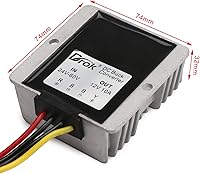
  • Dimensions: Measures 5.75 x 3.78 x 1.54 inches in overall package size.
  • Brand: Manufactured by DROK under model number 091051.
  • Plug Format: Uses Type C or Type D terminal connections for wiring.
  • Typical Applications: Commonly used in golf carts, club cars, solar panel setups, e-bikes, LED lighting, and radio or speaker systems.
  • Operating Noise: Operates without audible humming during normal use.

Related Reviews
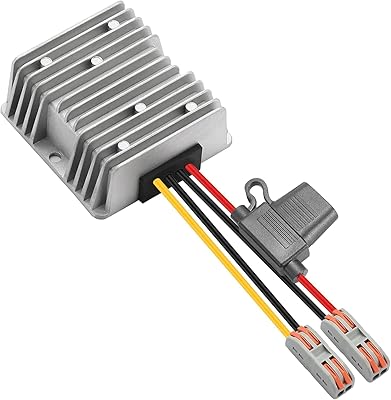
YABOANG 20-72V to 12V DC Converter 10A 120W
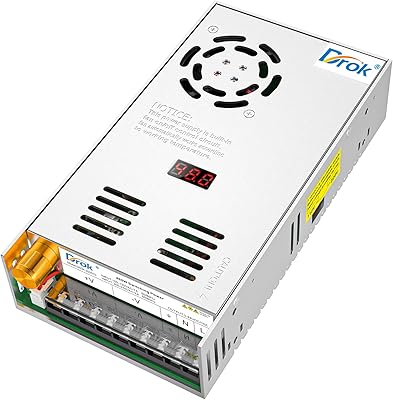
85%
88%
Performance and Reliability
92%
Build Quality and Durability
85%
Ease of Installation
87%
Thermal Management
90%
Versatility (Input Voltage Range)
More
DROK 48V 480W Adjustable DC Power Supply
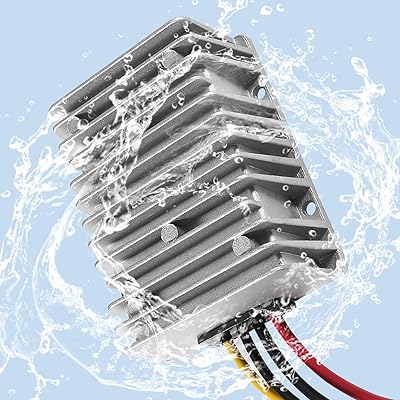
81%
86%
Voltage Accuracy
91%
Ease of Use
78%
Build Quality
83%
Thermal Management
67%
Fan Noise Level
More
DIANN DC Voltage Reducer Converter 8V/40V to 13.8V 15A
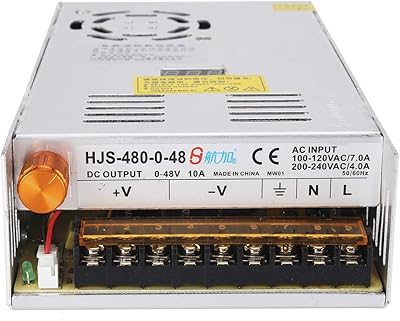
85%
94%
Power Conversion Efficiency
88%
Durability and Build Quality
82%
Ease of Use
91%
Safety Features
89%
Compatibility with Vehicles
More
Titoe AD-01 0-48V 10A Adjustable DC Power Supply
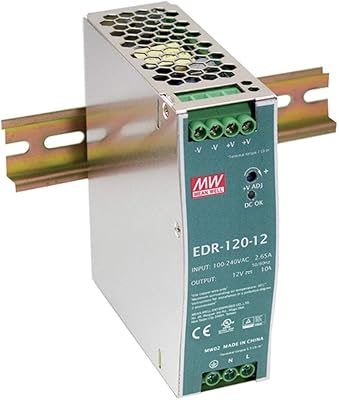
78%
91%
Voltage Range Versatility
83%
Output Current Capacity
88%
Display Clarity
76%
Build Quality
86%
Value for Money
More
MEAN WELL EDR-120-12 DIN Rail Power Supply 12V 10A 120W
86%
94%
Power Stability
89%
Ease of Installation
88%
Build Quality
92%
Durability Under Load
85%
Safety Features (Overload Protection)
More
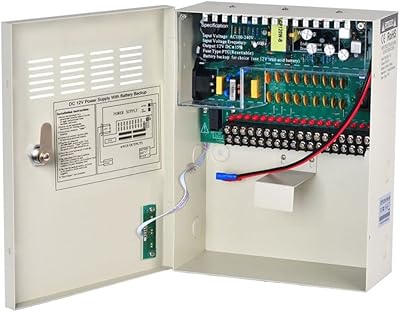
EVERSECU 18-Channel 10A UPS Power Supply
78%
91%
Channel Fault Isolation
87%
Ease of Installation
74%
UPS Battery Backup
62%
Load Capacity
71%
Build Quality
More
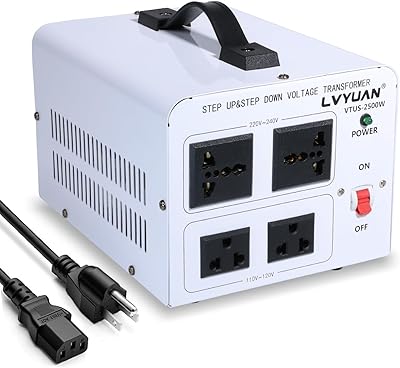
LVYUAN VTUS-2500 2500W Voltage Transformer
76%
88%
Voltage Conversion Accuracy
83%
Build Quality
91%
Noise & Vibration
86%
Overload Protection
41%
Portability & Weight
More
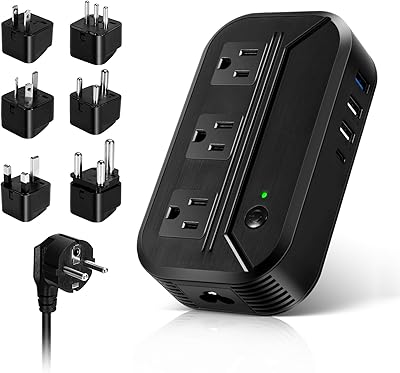
AceChef 2300W Step Down Voltage Converter
79%
84%
Voltage Conversion Performance
88%
Charging Port Versatility
82%
Plug Adapter Coverage
79%
Build Quality & Materials
89%
Safety Protection
More
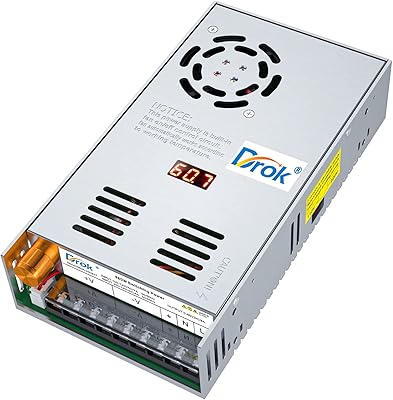
DROK 60V 8A Buck Converter Power Supply
80%
89%
Voltage Range & Adjustability
71%
Current Capacity & Power Output
84%
Voltage Precision & Accuracy
88%
Display & Readability
79%
Build Quality & Durability
More
YaeCCC 2000W Voltage Transformer
83%
88%
Build Quality
85%
Performance
82%
Usability
90%
Safety Features
87%
Value for Money
More

FAQ

Yes, the input range covers 24V up to 60V, so a 48V cart system falls comfortably within spec. You'll still need to connect it to your battery bank and 12V accessory according to the printed wiring diagram, but no extra step-down stages are needed.

The unit has a wiring diagram printed right on the back, which shows exactly which terminals are input and which are output. It's worth double-checking with a multimeter before powering anything on, since reversing input and output can damage the unit or whatever it's connected to.

It works well for solar setups where your battery bank sits above 12V, since it can step down anywhere from 24V to 60V. Just make sure your panel and battery configuration falls within that input range before wiring it in.

The housing is dampproof and dustproof, so it's designed to handle typical outdoor exposure and under-seat mounting. That said, it's not meant for full submersion, so avoid spots where standing water could pool directly on it.

It has built-in over-current protection, so it should shut down or limit output rather than fail catastrically if you exceed the rated 10A. Still, it's best to plan your accessory load to stay under that ceiling for consistent performance.

Some warmth is normal under sustained loads since it's built with an aluminum housing that helps dissipate heat. It also includes overheat protection, so if it does run too hot, it's designed to shut down rather than risk damage.

Yes, 36V falls well within the 24-60V input range, making it a solid option for tapping a 12V line off an e-bike battery for lights or a display. Just confirm your accessory's actual current draw stays under the 10A limit.

Basic wiring knowledge helps, but the printed diagram and labeled terminals make it approachable for confident DIYers. If you're completely new to working with battery systems, it's still wise to have a multimeter on hand and double-check connections before powering up.

Users generally report quiet operation without the buzzing or humming that lower-quality converters sometimes produce. That makes it a reasonable fit for powering audio equipment without added interference.

It's fairly compact, measuring under 6 inches in its longest dimension, so it tucks into most cart compartments or tight mounting spots without much trouble. Several owners specifically mention being able to fit it discreetly near existing wiring.