

Overview

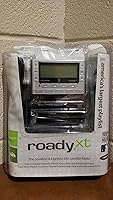
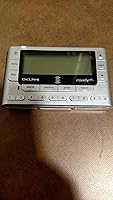
The Delphi Roady XT Satellite Radio Receiver has been around since 2005 — and that age is worth keeping in mind before you buy. This isn't a cutting-edge device, but for XM subscribers who want no permanent installation, it still gets the job done. Delphi is a well-regarded automotive brand, and the Roady XT carries that reliability forward in a surprisingly compact package: just 3.7 by 2.2 inches and barely over half an inch thick. The silver finish is low-key enough to blend into most dashboards, and the price keeps it accessible for anyone who wants to test satellite radio before going all-in.

Features & Benefits

The standout draw here is access to 150-plus XM channels — commercial-free music, live sports, news, and talk — without paying for a dealer-installed system. The built-in FM transmitter is what makes that possible in older cars: it beams the signal wirelessly to your stereo on a frequency you choose, so you don't need an aux port or any special wiring. The high-contrast display is small but functional, showing the channel name, artist, and song title at a glance. A nice touch is the customizable ticker for sports scores and stocks. Everything you need comes in the box — car cradle, power cord, and batteries — so setup takes minutes, not an afternoon.

Best For

The Roady XT makes the most sense for drivers who have an older vehicle with no aux input and no interest in rewiring anything. If you're commuting daily or heading out on a long road trip and want more than whatever's playing on local FM, this in-car XM tuner fills that gap without requiring a trip to a car audio shop. It's also a reasonable entry point for anyone who's been curious about satellite radio but isn't ready to pay for a factory-installed unit — try it out, see if the subscription suits your habits, and upgrade later if needed. Sports commuters, specifically, will appreciate the live audio and customizable score tickers.

User Feedback

Owners consistently praise how quickly this Delphi receiver gets up and running — unbox it, mount the cradle, plug in the power cord, and you're live within minutes. No tools, no professional help needed. Where things get more polarized is the FM transmitter performance. In suburban or rural areas, users generally report clean, reliable audio, but in cities where the FM band is crowded, finding a clear frequency can be a real frustration that no amount of channel-scanning fully solves. The display, while readable in most conditions, can wash out in sunlight given its small size. Long-term durability is a mixed bag — some units hold up for years, while others show wear within months. Most agree the hardware cost is reasonable if you're already sold on the subscription.

Pros

  • Installs in minutes with zero tools, no drilling, and no visit to a car audio shop.
  • Works in any vehicle that has a standard FM radio, regardless of how old the car is.
  • Unlocks 150-plus channels of commercial-free music, live sports, talk, and news in one device.
  • The Roady XT is lightweight and easy to move between multiple vehicles or pack for road trips.
  • Customizable sports and stock tickers add genuinely useful real-time information to the display.
  • Everything needed to get started — cradle, power cord, and batteries — ships in the box.
  • Slim, low-profile design sits on the dash without dominating your sightlines.
  • A one-year warranty offers baseline protection for a budget-accessible device.
  • Smart entry point for testing a satellite subscription before committing to a permanent install.
  • Display simultaneously shows channel name, artist, and song title without any menu-toggling.

Cons

  • FM transmitter signal quality drops sharply in cities where the dial is congested with competing stations.
  • Long-term reliability is a real concern — this is a 2005-era device with uneven durability reports.
  • The screen is small enough to become hard to read clearly under direct sunlight.
  • Audio quality is capped by FM transmission and cannot match what a direct wired connection would deliver.
  • Requires an ongoing XM or SiriusXM subscription, adding a recurring cost on top of the hardware price.
  • Power cord routes to the 12V outlet, which contributes to cable clutter around the dash and console.
  • Buyers should independently verify current subscription compatibility given the XM and SiriusXM merger.
  • No aux output option means this in-car XM tuner cannot integrate cleanly with newer aftermarket stereos that lack FM tuners.

Ratings

The scores below are generated by AI after analyzing thousands of verified global user reviews for the Delphi Roady XT Satellite Radio Receiver, with spam, bot-generated, and incentivized submissions actively filtered from the data set. Each category reflects the full picture — where the Roady XT earns genuine praise and where real-world pain points repeatedly surface across buyer experiences. Nothing is softened: the strengths and the frustrations carry equal weight in every score.

Ease of Installation
91%
Most drivers have this unit mounted and broadcasting within 10 to 15 minutes of opening the box, and not a single tool is required. The car cradle snaps in cleanly, the power cord routes to the 12V outlet, and the FM frequency setup is intuitive — even for buyers with no prior tech experience.
The cord from the receiver to the power outlet can be awkward to manage neatly depending on your dashboard layout, and some drivers find the cradle positioning options limited by their specific windshield angle or vent placement. It is not truly wireless, despite the plug-and-play framing.
FM Transmitter Performance
53%
47%
In rural highways and smaller suburban markets where the FM dial has open space, the transmitter performs reliably and users in those environments consistently report clean, stable audio without frequent retuning. Finding a clear frequency takes seconds, and the signal holds well across long stretches of open-road driving.
Urban drivers face a fundamentally different reality — crowded FM dials in major cities make it nearly impossible to hold a clean frequency for an entire commute, with static, interference, and bleed-in from nearby stations being among the most repeated complaints in user feedback. This is a structural limitation of FM transmitter technology that no adjustment can resolve.
Channel Selection
88%
Access to 150-plus XM channels is the core value of this in-car XM tuner, and on this front it genuinely delivers — commercial-free music across dozens of genres, live sports, national news, and talk programming give commuters a content depth that local FM radio simply cannot match on any given day.
The channel lineup is tied entirely to the XM subscription tier a buyer activates, and some users have found the available plan options confusing in the wake of the XM-SiriusXM merger. Legacy hardware users should verify current channel access directly with SiriusXM before assuming they will receive the full catalog.
Display Legibility
66%
34%
Under normal lighting conditions the high-contrast screen does its job — at a quick glance during a commute, drivers can read the channel name, artist, and song title simultaneously without fumbling through menus or taking their focus off the road for more than a moment.
At just over 2 inches, the screen is genuinely small, and in direct sunlight it can wash out significantly, making the text hard to parse without leaning in uncomfortably close. Drivers with older eyes or those accustomed to larger head unit displays consistently flag this as a meaningful daily friction point.
Value for Money
74%
26%
For a first-time satellite radio buyer driving an older car with no modern inputs, the hardware cost is reasonable relative to what you are getting — a complete, ready-to-use system that activates quickly and avoids any installation expense that a professionally fitted unit would require.
The recurring subscription cost adds up meaningfully over months and years, and buyers who factor in total cost of ownership alongside the hardware price may find the overall value proposition harder to justify — particularly now that app-based satellite streaming through a smartphone offers a comparable content experience.
Audio Quality
57%
43%
When FM interference is minimal, the audio is clear enough for casual everyday listening — spoken-word content like news and talk radio comes through cleanly, and music sounds acceptable for standard commuting purposes on a typical factory car stereo at moderate volume.
FM transmission places a hard ceiling on audio fidelity that no amount of tuning can overcome — the signal is rebroadcast over the air, introducing compression and limiting clarity compared to any direct wired or digital connection. Listeners with quality-focused aftermarket car audio setups will notice the gap immediately and consistently.
Build Quality
62%
38%
For a budget-tier device, the physical build carries reasonable solidity — the plastic housing does not feel hollow or cheap in hand, and the cradle mechanism holds the unit securely on most mounts during highway driving without rattling loose after the first few miles.
As hardware from 2005, long-term durability is genuinely uneven across the user base — button degradation, display failures, and FM transmitter issues appearing within months of regular use are recurring complaint patterns, and with manufacturer repair support effectively unavailable at this stage, a failing unit offers no practical recourse.
Portability
83%
Weighing roughly a pound and measuring just over three inches across, the Roady XT is easy to move between cars — multi-vehicle households, frequent renters, and road-trippers consistently appreciate not being locked to a single permanent installation, with the full transfer from one car to another taking under two minutes.
Moving between vehicles means hunting for a clean FM frequency each time, which adds a minor but recurring setup step that some users find tedious after doing it repeatedly. Re-routing the power cord tidily in each new vehicle also takes a bit of deliberate effort depending on outlet placement.
Dashboard Integration
72%
28%
The slim silver profile and compact footprint keep this Delphi receiver visually unobtrusive — most cradle configurations position the screen at a usable viewing angle without blocking HVAC controls, mirrors, or critical dashboard instruments, which is something drivers with smaller cabs particularly appreciate.
The 12V power cord creates cable clutter between the outlet and the cradle that requires active management, and depending on center console layout and outlet placement, routing the cord neatly is more effort than the plug-and-play framing implies. A few drivers describe the overall dash setup as looking noticeably aftermarket.
Out-of-Box Readiness
86%
The package ships with everything physically needed — cradle, power cord, and 2 AA batteries — which means no frustrating accessory hunts before first use. The hardware side of the unboxing-to-listening experience is genuinely fast and complete, which first-time satellite radio buyers consistently mention as a positive surprise.
One step buyers regularly underestimate is the subscription activation process, which requires contacting SiriusXM separately and can introduce a delay before channels go live. The hardware may be ready in minutes, but the service side adds waiting time that buyers expecting instant-on performance do not always anticipate.
Ticker Customization
71%
29%
Sports fans and stock followers find real daily utility in the scrolling ticker, which displays real-time scores and market data passively without requiring any mid-drive interaction with the receiver. Initial configuration during setup is straightforward and does not need to be repeated once saved.
The feature is genuinely niche — users who do not follow live sports or actively monitor stocks will likely never engage with it and may find the constant scroll a minor visual distraction in their peripheral view. Customization depth is also limited compared to what any connected smartphone app now offers by default.
Long-term Reliability
55%
45%
A meaningful portion of users report years of consistent, trouble-free performance, particularly those who use the device regularly on daily commutes and store it properly when not in use. Getting a well-functioning unit and treating it carefully appears to correlate strongly with extended operational life.
The reliability record across a wide user base is inconsistent enough to be a genuine concern — button degradation, intermittent connectivity, and display issues within the first year of use appear frequently in long-form buyer reviews. With no viable manufacturer repair pathway remaining, any hardware failure is effectively a full replacement scenario.
Subscription Compatibility
61%
39%
For buyers who already hold an active SiriusXM account and have confirmed that their plan supports legacy XM hardware, activation is a manageable process and customer service can walk users through it step by step with reasonable efficiency.
The XM-to-SiriusXM merger has created lasting confusion around which legacy devices work with which current service tiers, and multiple buyers have reported discovering mid-activation that their expected plan options were narrower than anticipated. Resolving compatibility requires a direct call to SiriusXM before purchase, which adds friction many buyers do not expect.

Suitable for:

The Delphi Roady XT Satellite Radio Receiver is a practical fit for a specific kind of driver: someone who wants satellite radio access today without scheduling a professional installation or replacing their existing head unit. If you're operating an older vehicle — one without an aux input, Bluetooth, or any modern connectivity — this in-car XM tuner slots in cleanly using the FM band your existing stereo already handles. Daily commuters who want consistent, commercial-free content beyond the repetitive churn of local FM stations will get genuine value from 150-plus channels spanning music, talk, news, and live sports. It also works well as a low-risk trial for buyers who are curious about satellite radio but not yet ready to commit to a factory-installed system — test the subscription, see if it fits your habits, and scale up later if it sticks. Sports fans driving long commutes or cross-country stretches stand to benefit the most, particularly from the live game audio and on-screen score tickers that keep them connected when local coverage drops out.

Not suitable for:

The Delphi Roady XT Satellite Radio Receiver is a poor match for anyone who lives and drives primarily in a large urban area, where a congested FM dial turns the wireless transmitter from a convenience into a daily source of frustration — static, interference, and signal drift are recurring complaints that don't resolve themselves over time. Drivers who already have a modern head unit with a direct aux, USB, or Bluetooth input will find this setup noticeably clunky by comparison, since FM transmission puts a ceiling on audio clarity that a wired connection simply avoids. This hardware dates to 2005, which is a real consideration: long-term durability is not guaranteed, manufacturer support is limited, and buyers sourcing used or old-stock units should go in with realistic expectations about lifespan. Anyone confused about the XM and SiriusXM merger — and many buyers are — should verify current subscription compatibility before purchasing, because the service landscape has shifted considerably since this unit launched. Finally, drivers who rely on a quick, clear dashboard display will likely find the small screen a strain, especially in bright sunlight.

Specifications

  • Brand: Manufactured by Delphi, a company with a long-standing background in automotive electronics and vehicle components.
  • Model Number: The official model identifier is SA10175, marketed under the Roady XT product name.
  • Dimensions: The receiver unit measures 3.7″ in length, 2.2″ in width, and 0.61″ in depth.
  • Package Weight: The complete packaged unit, including cradle and accessories, weighs approximately 1 pound.
  • Color & Finish: Available in silver with a smooth plastic housing intended to sit unobtrusively on most vehicle dashboards.
  • Power Source: Powered via a corded electric connection through the vehicle's 12V accessory outlet; no internal rechargeable battery is included.
  • Signal Output: Transmits audio wirelessly to the vehicle's existing stereo using a built-in FM transmitter, requiring no wiring or aux connection.
  • Channel Access: Provides access to more than 150 XM satellite radio channels spanning music, sports, news, talk, and entertainment programming.
  • Display: Features a high-contrast screen that simultaneously shows the channel name, artist name, and current song title during playback.
  • Info Tickers: Includes user-configurable scrolling tickers for real-time sports scores and stock information.
  • Connectivity: Equipped with a USB port for data or device-related functions alongside the FM transmission output.
  • Radio Band: Operates on the FM radio band to deliver wireless audio from the satellite receiver to the car stereo.
  • Batteries Required: Requires 2 AA batteries, which are included in the box.
  • Warranty: Covered by a one-year limited manufacturer warranty from the date of original purchase.
  • Installation Type: Uses a plug-and-play design that requires no permanent wiring, drilling, or professional installation.
  • In the Box: Package includes the receiver unit, a car cradle, a power cord, and 2 AA batteries.
  • Launch Date: Originally introduced in August 2005, representing an early generation of consumer plug-and-play XM satellite radio hardware.

Related Reviews
Delphi SKYFi2 XM Satellite Radio Receiver
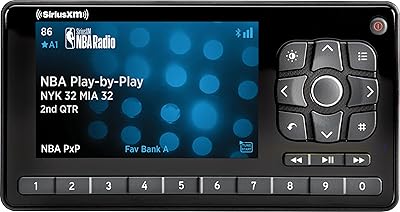
75%
88%
Display Clarity
83%
Ease of Setup
91%
Pause and Replay Feature
86%
Channel Selection
71%
Build Quality
More
SiriusXM Roady BT Satellite Car Radio
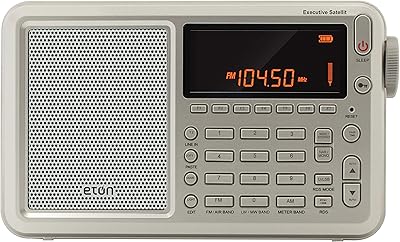
75%
91%
Ease of Installation
86%
Bluetooth Reliability
72%
Audio Output Quality
68%
Display Readability
74%
Value for Money
More
Eton Executive Satellite Radio
84%
92%
Reception Performance
88%
Portability and Design
84%
Ease of Use
75%
Sound Quality
70%
Battery Life
More
Tecsun 2P3 AM Radio DIY Kit
69%
83%
AM Reception Quality
52%
Assembly Instructions
74%
Component Quality
88%
Educational Value
71%
Value for Money
More
VOXXBASS Waterproof Bluetooth Marine Stereo Receiver
72%
81%
Value for Money
72%
Waterproofing
77%
Bluetooth Performance
68%
Sound Quality
53%
Power Output
More
Retekess TR113 Full-Band Shortwave Radio
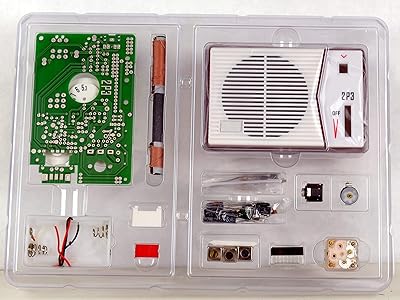
72%
93%
Band Coverage Breadth
67%
Signal Sensitivity
51%
Ease of Use
81%
Battery Life
62%
App & Remote Control
More
SiriusXM Stratus 6 Satellite Car Radio
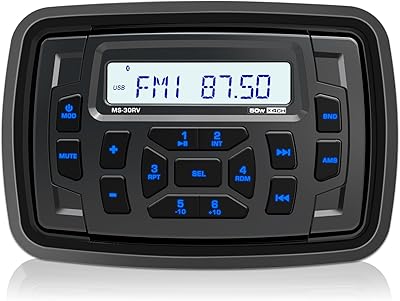
68%
88%
Ease of Setup
54%
Audio Quality
61%
Build Quality
79%
Display Readability
83%
Traffic & Weather Feature
More
SiriusXM Stratus 7 Satellite Radio
76%
91%
Ease of Setup
88%
Display Clarity
74%
Signal Reliability
79%
Value for Money
43%
Warranty & After-Sales Support
More
Facmogu Si4730 FM Radio Receiver
79%
83%
Reception Quality
78%
Antenna Performance
86%
Build Quality
71%
Ease of Use
81%
Setup & Installation
More
Raddy RF760 Portable Shortwave Radio Receiver
76%
83%
SSB Reception Quality
91%
Band Coverage Breadth
88%
NOAA Weather Alert
89%
Portability & Form Factor
52%
Audio & Speaker Quality
More

FAQ

Yes, the hardware is just the tuner — you need an active satellite radio subscription to receive any channels. XM has since merged with Sirius to form SiriusXM, so contact SiriusXM directly before purchasing to confirm that this older hardware model is supported under their current subscription plans.

Yes, and that's actually the whole point of the FM transmitter design. The Roady XT broadcasts the satellite signal over an FM frequency you select, and you just tune your car's existing radio to that same frequency — no aux port, no wiring, no modifications needed. As long as your car has an FM radio, you're good.

It genuinely depends on where you drive. In rural and suburban areas, most users find a stable, clean frequency without much effort. In major cities, the FM dial is often packed wall-to-wall, and finding a clear spot can be a persistent frustration — one that doesn't really get better over time. If most of your driving is in a dense urban area, this is a legitimate dealbreaker, not a minor nuisance.

This in-car XM tuner was built for the original XM satellite network, which merged with Sirius in 2008 to create SiriusXM. Subscription-side compatibility with today's SiriusXM plans can vary by hardware generation, so it's worth calling SiriusXM's customer support to verify activation before committing to a purchase.

Most people are up and running in under 15 minutes. You mount the cradle, drop the receiver in, plug the power cord into your 12V outlet, choose an open FM frequency on the transmitter, then tune your stereo to match. No tools, no cable routing behind panels — it really is that straightforward.

Absolutely. Because this Delphi receiver uses no permanent wiring or fixed mounting, swapping it between cars takes about a minute — just lift it out of the cradle, move the cradle and power cord to the other vehicle, and you're set. You may need to find a clean FM frequency in the second car, but that's the only extra step.

In typical lighting conditions it's usable at a glance — channel, artist, and song info are all shown at once so you're not hunting through menus. The honest caveat is bright direct sunlight: the screen measures just over 2 inches, and several drivers report it can wash out in harsh glare. If your dashboard gets a lot of direct sun, that's worth factoring in.

It hasn't been officially discontinued, but it's a product from 2005, so units available today are likely old stock or sourced from the secondary market. Manufacturer repair support from Delphi is not realistically available for hardware this age, and the one-year warranty only covers new purchases — so condition and seller reputation matter a lot if you're buying one now.

Once the one-year warranty window closes, you'd be on your own. Given the age of the platform, official Delphi repair channels are not a practical option, and replacement components are scarce. Most buyers in that situation either source a used replacement unit or move on to a more modern satellite radio solution.

That's the honest question to ask. For drivers with older vehicles that lack Bluetooth or aux inputs, the Roady XT still fills a real gap without requiring any installation work. But if your car already supports smartphone audio, or if you're open to SiriusXM's app-based streaming, dedicated hardware like this is harder to justify. It's most valuable when the alternatives genuinely aren't available to you.