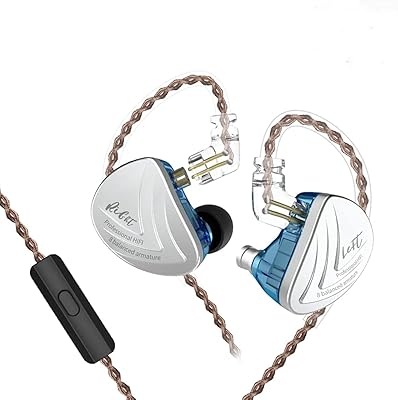
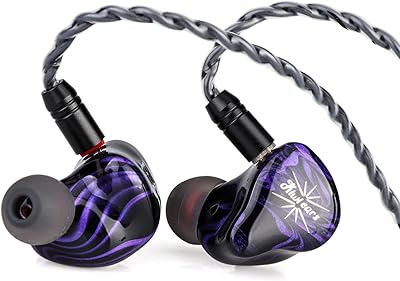
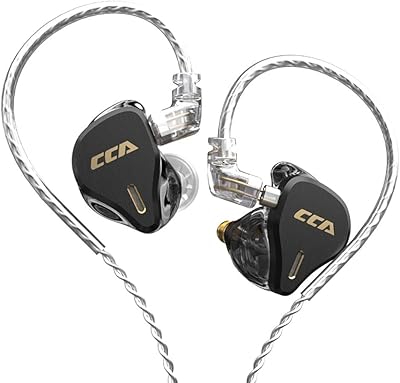
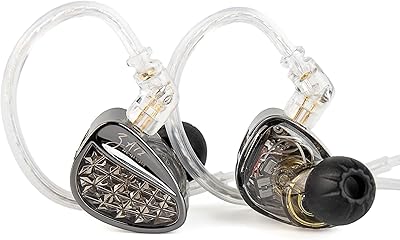
DCMEKA IE68 In-Ear Monitor Earphones
DCMEKA IE68 In-Ear Monitor Earphones — image 1
DCMEKA IE68 In-Ear Monitor Earphones — image 2
DCMEKA IE68 In-Ear Monitor Earphones — image 3
DCMEKA IE68 In-Ear Monitor Earphones — image 4

DCMEKA IE68 In-Ear Monitor Earphones — image 5
DCMEKA IE68 In-Ear Monitor Earphones — image 6
DCMEKA IE68 In-Ear Monitor Earphones — image 7
76%
24%

Overview

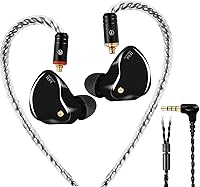
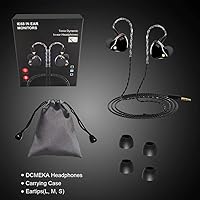
The DCMEKA IE68 In-Ear Monitor Earphones entered a crowded budget IEM market back in late 2020, targeting performing musicians and curious hobbyists who want a proper detachable-cable setup without the steep price of established brands like Shure or Westone. DCMEKA isn't a household name — that much is true — so buyer expectations should be calibrated accordingly. What you get is a compact over-ear design with an MMCX connector, a small carry case, and a sound signature that leans bass-forward with reasonable mids and clean-enough highs for the price. Not a reference monitor, but a solid starting point.

Features & Benefits

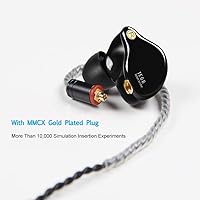
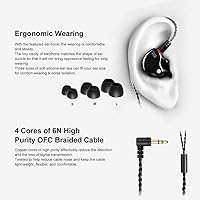
The IE68 runs on a 10mm dynamic driver built with a carbon nano-film diaphragm and a strong magnet, which does a reasonable job pushing out low-end warmth without completely muddying the mids. The real practical win here is the MMCX detachable cable — it rotates 360 degrees, swaps out easily, and crucially, any third-party MMCX cable works with it. That means if your stock cable wears out or you want to upgrade to a balanced option, you are not stuck. The memory wire hooks keep things locked in during movement, and three silicone tip sizes help you dial in both comfort and passive isolation.

Best For

These wired IEMs make a lot of sense for drummers and on-stage musicians who need a snug, reliable fit and some isolation from ambient noise during practice or live sets. They are also a solid entry point for anyone getting into the IEM hobby — the MMCX platform means you can swap cables later as your budget grows, rather than replacing the whole earphone. Gym users and commuters who struggle with earbuds falling out will appreciate the locked-in over-ear fit. If you frequently kill cables through sweat or rough handling, the plug-and-play swap system alone makes these worth a serious look.

User Feedback

Across more than 3,400 ratings, the IE68 holds a 4.4-star average — respectable for any earphone at this price, and a clear sign that most buyers are getting what they expected. Comfort and the cable swap system come up repeatedly as genuine highlights. That said, some users note the treble can feel harsh at volume, and the midrange is a touch recessed — a fair trade-off for the emphasized low end. A handful of reviewers also questioned the long-term durability of the MMCX connector under heavy daily use. The included 12-month warranty offers some peace of mind, though feedback on customer support has been mixed.

Pros

  • The detachable MMCX cable is a practical feature that extends the lifespan of the earphone significantly.
  • Any third-party MMCX cable works as a replacement or upgrade, giving buyers real flexibility over time.
  • Memory wire ear hooks keep the IE68 firmly in place during active use, including drumming and working out.
  • Passive noise isolation is strong enough for stage monitoring and loud rehearsal environments.
  • Three silicone tip sizes are included, making it easier to get a proper seal for different ear shapes.
  • At under 45 grams, these wired IEMs are genuinely lightweight and comfortable over long sessions.
  • The compact carry case adds everyday practicality that budget earphones often skip entirely.
  • A 4.4-star average across thousands of real buyers signals consistent satisfaction for the price tier.
  • The 3.5mm gold-plated jack works across a wide range of devices, from phones to dedicated audio players.
  • The 12-month warranty provides at least a basic safety net for buyers concerned about build quality.

Cons

  • Treble can become harsh and fatiguing at higher volumes, which is a recurring complaint from multiple buyers.
  • The midrange is noticeably recessed, making these wired IEMs a poor choice for vocal or acoustic monitoring.
  • DCMEKA has limited brand recognition, and customer support responsiveness has been inconsistent based on user reports.
  • The MMCX connector's long-term durability under heavy daily use has been questioned by some reviewers.
  • No in-line microphone or remote is included, which limits hands-free functionality for phone calls.
  • The sound tuning is clearly bass-forward, which will disappoint listeners who prefer a neutral or bright signature.
  • No carry pouch upgrade or premium case option is bundled — the included case is functional but basic.
  • Users without a 3.5mm headphone jack on their device will need a separate adapter to use this over-ear monitor.

Ratings

Our AI rating system analyzed thousands of verified global purchases of the DCMEKA IE68 In-Ear Monitor Earphones, actively filtering out incentivized, duplicate, and bot-generated reviews to surface genuine buyer sentiment. The scores below reflect both what these wired IEMs genuinely do well and where real-world users have run into frustration — no scores have been inflated to flatter the brand.

Sound Quality
73%
27%
For the price tier, the low-end response is the clear standout — drummers and bass-music fans consistently praise the warmth and presence in the lower frequencies. Most buyers report that the overall sound feels fuller and more engaging than similarly priced fixed-cable competitors.
The midrange sits noticeably back in the mix, which becomes apparent when listening to vocals or acoustic instruments. A recurring complaint is treble harshness at higher volumes, with some users reporting listening fatigue during longer sessions.
Fit & Comfort
84%
The over-ear memory wire hooks earn consistent praise from drummers and gym users who need earphones that stay put under real physical strain. Most buyers find the fit secure enough to forget they are wearing them after a few minutes of adjustment.
Users new to over-ear IEM designs sometimes report an awkward break-in period while learning to shape the memory wire correctly. A small number of buyers with smaller or unusually shaped ears found the hook geometry uncomfortable after extended wear.
Noise Isolation
78%
22%
With a proper silicone tip seal, the passive isolation is effective enough to block out a significant portion of ambient stage or rehearsal room noise. Commuters and open-plan office workers also report that outside chatter becomes a manageable background hum rather than a constant distraction.
Isolation performance is entirely dependent on getting the right tip size, and the stock silicone tips will not suit every ear canal shape. Users who cannot achieve a consistent seal report substantially weaker isolation, which undermines one of the main selling points.
Cable & Connector
81%
19%
The MMCX detachable system is genuinely practical — buyers who have previously thrown away entire earphones due to a single broken cable appreciate being able to swap in a replacement for a few dollars. The 360-degree rotation also reduces stress on the connector joint during active use.
Some users report the MMCX socket shows signs of loosening after several months of daily connect-and-disconnect cycles. The stock cable, while tangle-resistant, is not particularly premium-feeling, and a few buyers noted the strain relief where the cable meets the connector could be more robust.
Build Quality
69%
31%
The UV-coated black shells have a polished, professional look that feels a step above typical budget earphones, and the electroplated finish holds up reasonably well under normal use. For a lightweight build, the housing feels solid enough during everyday handling.
Long-term durability questions remain, particularly around the MMCX socket and cable strain relief points. A handful of buyers reported cosmetic scuffing on the shell coating sooner than expected with regular carry and daily use.
Bass Performance
82%
18%
The 10mm driver with its high-flux magnet delivers a bottom end that punches noticeably above the price point, which electronic music and hip-hop listeners regularly call out as a genuine highlight. Bass notes feel textured rather than simply boomy, which is uncommon at this tier.
The emphasis on low frequencies does come at the cost of balance — listeners who prefer a flatter or more analytical sound signature will find the bass intrusive. At very low frequencies, some buyers noted a slight looseness or bloom that muddies the bass-midrange transition.
Treble & Clarity
61%
39%
High-frequency detail is present and reasonably well-defined at moderate listening volumes, with cymbals and string instruments coming through clearly enough for casual listening. Buyers primarily using the IE68 for practice monitoring rather than critical listening tend to find the treble acceptable.
Treble harshness at elevated volumes is one of the most consistent criticisms across the entire review pool. Sensitive listeners report sibilance on certain vocal recordings and a slightly aggressive edge on hi-hats and bright synths that becomes tiring over time.
Midrange
63%
37%
The midrange, while recessed, is not so withdrawn that it makes music sound hollow — vocals and guitars still cut through adequately in most genres. Buyers using the IE68 for podcasts or casual vocal music find the mid-frequency reproduction acceptable for background listening.
For anyone monitoring vocals on stage or mixing acoustic recordings, the recessed midrange is a real limitation that affects accuracy. Several buyers with critical listening backgrounds specifically flagged that instruments like piano and vocals lose body and presence compared to more balanced alternatives.
Value for Money
86%
The combination of an MMCX detachable cable, three tip sizes, a carry case, and a bass-forward driver in a single package represents strong value at this price point. Most buyers conclude that the IE68 would be difficult to beat as a first IEM or a spare pair for active use.
The value argument weakens slightly if long-term durability issues materialize, since warranty support experiences have been inconsistent. Buyers who end up purchasing aftermarket tips and a replacement cable to maximize performance will need to factor in that incremental additional spend.
Accessories
79%
21%
The inclusion of a carrying case is a genuine practical bonus — most earphones at this price ship in cardboard with no storage solution. Having three tip sizes in the box means most buyers can find a workable fit without an additional purchase.
The carrying case is functional rather than impressive — it offers adequate protection for transport but is not going to impress anyone used to higher-end packaging. The included silicone tips are basic and some users with challenging ear shapes report needing to invest in aftermarket foam tips regardless.
Sweat Resistance
74%
26%
The sweat-resistant build holds up well enough for gym sessions, cycling, and rehearsal performances where moisture is a concern. Gym-going buyers in the review pool rarely report moisture-related failure as a problem.
There is no formal IP rating provided, so buyers have no standardized benchmark to gauge the actual level of protection. Users who sweat heavily or use earphones in genuinely wet outdoor conditions report some nervousness about pushing the moisture limits of these IEMs.
Device Compatibility
88%
At 16 Ohm impedance, the IE68 plays well at healthy volumes directly from a smartphone without needing a dedicated headphone amplifier — a practical advantage for most buyers. The 3.5mm gold-plated jack works reliably across DAPs, audio interfaces, and older devices alike.
Users on modern smartphones without a 3.5mm port need an adapter, which is an extra step that frustrates some buyers expecting plug-and-play simplicity. Adapter quality can also affect perceived audio performance, an issue the brand does not address anywhere in its documentation.
Brand Trust
58%
42%
A 4.4-star average across more than 3,400 real buyers is a meaningful signal that most customers end up satisfied, and the 12-month warranty provides at least a baseline level of purchase confidence. The MMCX standard connector design also reduces dependency on the brand for future replacements.
DCMEKA lacks the recognition and track record of established IEM brands, and several buyers report slow or unhelpful customer support when issues did arise. For buyers who place significant weight on after-sales reliability, the brand's limited reputation remains a real point of hesitation.
Portability
83%
Weighing just 40 grams and packing into a compact case, the IE68 slips into a gig bag, gym kit, or jacket pocket without adding noticeable bulk. Buyers who carry earphones daily as part of a commute or travel setup appreciate how little space the whole kit takes up.
The over-ear cable routing style makes these slightly less instant to put on than straight-drop earphones, which can be a minor annoyance when grabbing them quickly on the go. The carrying case, while compact, does not clip onto bags or straps, limiting hands-free portability options.

Suitable for:

The DCMEKA IE68 In-Ear Monitor Earphones are a natural fit for musicians who spend real time on stage or in rehearsal rooms and need a secure, isolating earphone without committing to a professional-grade price tag. Drummers especially will appreciate the over-ear memory wire design, which keeps everything locked in place even during high-energy playing. Beginners entering the IEM hobby will find the MMCX connector system genuinely useful — it means you can swap in a better third-party cable down the line rather than buying a completely new pair. Frequent travelers, commuters, and gym-goers who want passive noise blocking and a fit that doesn't slip mid-workout will also get solid value here. If your past earphones have died from cable wear, the detachable cable design alone addresses that frustration directly.

Not suitable for:

Critical listeners or dedicated audiophiles looking for a flat, reference-grade sound signature should look elsewhere — the DCMEKA IE68 In-Ear Monitor Earphones lean bass-heavy, and the midrange takes a back seat, which is a real issue for mixing or critical monitoring work. If you rely on Bluetooth or true wireless for everyday convenience, these obviously aren't for you, as they are strictly wired with a 3.5mm jack. Users who prioritize brand pedigree and long-term after-sales support from an established audio company will likely feel uneasy with a lesser-known brand whose customer service track record is inconsistent at best. People sensitive to treble harshness should also be cautious, as several users report the high frequencies become fatiguing at louder volumes. Finally, if your primary device no longer has a 3.5mm headphone jack and you don't want to carry a dongle, this over-ear monitor simply won't work for your daily setup.

Specifications

  • Driver Type: The IE68 uses a single 10mm dynamic driver built with a carbon nano-film diaphragm for improved transient response and low-end output.
  • Magnet Flux: The driver is backed by a high-flux magnet rated at over 1 Tesla, contributing to stronger bass and better overall driver efficiency.
  • Impedance: At 16 Ohm impedance, these IEMs are easy to drive directly from a smartphone, tablet, or portable audio player without an external amplifier.
  • Cable Connector: The earphone uses a standard MMCX connector with 360-degree rotation, allowing straightforward cable replacement or upgrade with any compatible third-party MMCX cable.
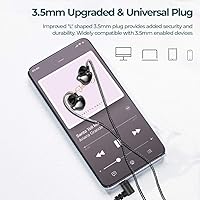
  • Headphone Jack: The stock cable terminates in a 3.5mm gold-plated stereo jack for broad compatibility with phones, DAPs, laptops, and audio interfaces.
  • Fit Style: The over-ear design uses flexible memory wire hooks that conform to the shape of the ear, providing a stable and consistent fit during extended or active use.
  • Ear Tips: Three pairs of silicone ear tips in small, medium, and large sizes are included to help users achieve a proper acoustic seal and comfortable passive noise isolation.
  • Weight: The earphone unit weighs approximately 40 grams (around 1.41 oz), keeping fatigue minimal during long rehearsals or listening sessions.
  • Water Resistance: The IE68 is rated as sweat-resistant, making it suitable for use during physical activity, though it is not designed for submersion or heavy rain exposure.
  • Noise Control: Noise isolation is achieved passively through the in-ear seal formed by the silicone tips, with no active noise cancellation technology involved.
  • Cable Design: The included cable is described as tangle-free and detachable, reducing day-to-day handling wear and simplifying storage.
  • Compatibility: These IEMs work with any device equipped with a standard 3.5mm headphone jack, including Android phones, iPhones with an adapter, tablets, and dedicated audio players.
  • Included Accessories: The package includes one pair of earphones, one detachable cable, three pairs of silicone ear tips (S/M/L), and one compact carrying case.
  • Carrying Case: A small hard-shell or semi-rigid carrying case in black is included, providing basic protection during transport in a bag or pocket.
  • Shell Material: The earphone shells feature a black UV coating with an electroplated finish, giving them a polished appearance while adding a thin layer of surface protection.
  • Warranty: DCMEKA covers the IE68 with a 12-month warranty from the date of purchase, applicable to manufacturing defects under normal use conditions.

Related Reviews
Kiwi Ears KE4 Hybrid In-Ear Monitor
80%
88%
Sound Quality
86%
Bass Performance
91%
Midrange Clarity
83%
Treble Extension
78%
Soundstage & Imaging
More
CCA CRA+ In-Ear Monitor Earphones
86%
88%
Sound Quality
85%
Comfort for Extended Use
86%
Bass Response
83%
Build Quality
90%
Ease of Use
More
Kinboofi KZ AS16 In-Ear Monitor Earphones
84%
94%
Sound Quality
89%
Build Quality
78%
Comfort & Fit
85%
Cable Durability
91%
Frequency Range
More
Kiwi Ears Orchestra Lite
88%
93%
Tonal Neutrality
89%
Build Quality & Materials
91%
Imaging & Soundstage
76%
Long-Term Comfort
88%
Value for Money
More
Linsoul Kiwi Ears Quartet 2DD+2BA Hybrid In-Ear Monitor
88%
94%
Sound Quality
91%
Bass Performance
83%
Treble Clarity
88%
Comfort & Fit
89%
Build Quality
More
CCA C12 In-Ear Monitors
85%
88%
Sound Quality
84%
Comfort for Long Listening
89%
Build Quality
87%
Noise Isolation
76%
Bass Performance
More
BASN Bmaster5 In-Ear Monitors
85%
94%
Sound Quality
85%
Comfort and Fit
88%
Build Quality
91%
Noise Isolation
86%
Durability
More
CCZ Melody In-Ear Monitors
84%
89%
Sound Quality
91%
Comfort and Fit
77%
Build Quality
68%
Cable Durability
84%
Ease of Use
More
KBEAR KB02 In-Ear Monitors
85%
90%
Sound Quality
88%
Comfort & Ergonomics
75%
Bass Performance
85%
Build Quality
89%
Fit & Isolation
More
CCA CS16 In-Ear Monitors
87%
94%
Sound Clarity
82%
Comfort for Extended Wear
88%
Noise Isolation
90%
Build Quality
89%
Cable Durability
More

FAQ

You can use any standard MMCX cable — the connector on the IE68 is not proprietary. This is actually one of the more practical aspects of these IEMs, since it means you can swap in a higher-quality or differently terminated cable (balanced 2.5mm, for example) as your setup grows. Just make sure the replacement cable is labelled as MMCX compatible.

For casual stage use — a band rehearsal, a small gig, a drum practice session — yes, they hold up reasonably well. The passive isolation from a good tip seal helps block ambient stage noise, and the over-ear hooks keep them secure. That said, they are not a substitute for professional IEMs used by touring musicians who need flat, accurate monitoring. Think of them as a practical entry point, not a pro-grade tool.

They use a standard 3.5mm jack, so on newer iPhones that lack a headphone port you will need a Lightning-to-3.5mm or USB-C-to-3.5mm adapter. Once connected through an adapter they work fine — no special drivers or settings required.

It comes down almost entirely to tip fit. Try all three included sizes and choose the one that creates the most complete seal in your ear canal — you should notice outside noise drop noticeably when you press them in. If none of the included silicone tips feel right, standard aftermarket tips like Comply foam tips in the correct nozzle diameter are worth trying for an even better seal.

The cable is fully detachable via the MMCX connector, so a broken cable does not mean a ruined earphone. Replacement MMCX cables are widely available online at very low cost, which is one of the genuine long-term advantages of this design over fixed-cable budget earphones.

The low end is the strongest part of the IE68's sound signature — it is noticeably present and warm, which suits bass-heavy genres well. That said, it is not an exaggerated, boomy kind of bass; it has enough body without completely overwhelming the rest of the frequency range. If you are a heavy bass listener, you will likely enjoy the tuning.

That is exactly the use case these were designed around. The memory wire hooks loop over the ear and hold the earphone body snugly in place, so sudden head movements or stick impacts are unlikely to shake them loose. A properly fitted ear tip also helps keep the seal intact during active playing. Most drummers who have tried this over-ear monitor report they stay put reliably.

Generally yes — at under 45 grams and with a low-profile shell, they do not put a lot of physical stress on the ear. The memory wire is flexible enough that most people can shape it comfortably to their ear. A small number of users do find the fit takes some adjustment at first, especially if they are new to over-ear IEM designs, but most settle into a comfortable position quickly.

DCMEKA offers a 12-month warranty from purchase, which covers manufacturing defects. Buyer feedback on their customer support has been mixed — some report positive experiences while others found follow-up slow. It is worth keeping your purchase receipt and order confirmation handy. If you buy through Amazon, the platform's own return and dispute process can also provide a useful backup route if direct brand support is unresponsive.

No, the standard IE68 does not include an in-line microphone or call controls. If hands-free calling is important to you, you would either need a separate MMCX cable that includes a mic, or a different earphone model altogether. For music listening and stage monitoring they are complete as packaged, but they are not designed with phone call use as a priority.