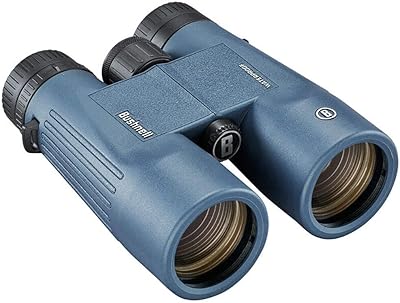
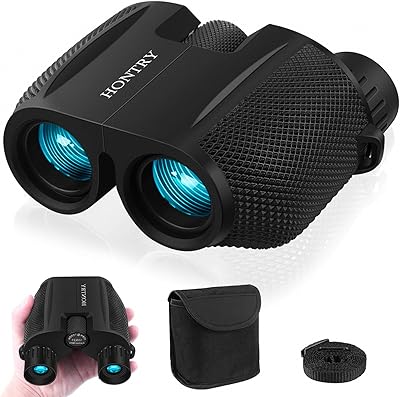
Overview

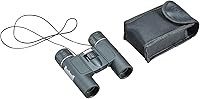
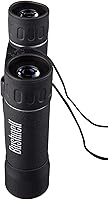
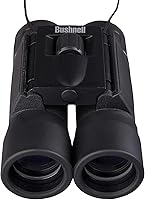
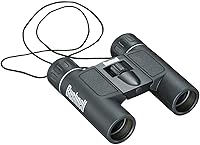
The Bushnell PowerView 12x25 Compact Binoculars sit in a sweet spot that not many optics brands nail at this price tier — genuinely usable glass from a name that outdoor enthusiasts actually recognize. The core spec combo here is 12x magnification paired with a 25mm objective lens, which keeps the body surprisingly slim thanks to the roof prism design. You can slip these into a jacket pocket or a small day bag without a second thought. Just keep expectations calibrated: this is a value-focused pair built for casual use, not a tool for serious birders or low-light wildlife work.
Features & Benefits

The standout quality of these compact binoculars is how much pulling power they pack into such a small frame. Twelve-times magnification means distant birds, players on a field, or performers on stage snap into clear view — though it is worth knowing that handheld shake becomes more noticeable at higher magnifications, so steady hands or a resting surface help considerably. The 25mm lens handles daylight conditions well, though it struggles once the light fades, which is typical for a compact aperture this size. The lightweight synthetic body comes in under ten ounces, and a manufacturer warranty rounds out a fair overall package.

Best For

These compact binoculars are a natural fit for anyone who wants optics that travel without fuss. Casual birdwatchers who walk more than they stand will appreciate the pocket-ready size. Stadium and concert attendees get a genuinely useful tool for cutting through distance to the stage or the action on the field. Hikers and backpackers who already count every ounce in their kit will find the sub-ten-ounce weight easy to justify. Beginners entering the binocular category for the first time get a low-risk introduction to the format. Anglers and hunters working in bright outdoor conditions should find the 25mm aperture perfectly adequate for daytime use.

User Feedback

Buyers consistently highlight how easy to carry the PowerView 12x25 is and praise the focus mechanism for being intuitive right out of the box. The value-to-price ratio draws frequent positive mention, with many noting it performs reasonably well for casual daytime outings. On the other side, some users point to a narrow field of view at 12x — a genuine optical trade-off at this magnification, not a defect — and a few mention the focus wheel feeling stiff at first. Edge sharpness and low-light performance also draw occasional criticism. Included accessories like the neck strap and lens caps are considered basic but functional.

Pros

  • Genuinely pocketable size that fits in a jacket or small bag without hassle
  • 12x magnification pulls distant subjects noticeably closer for sports, concerts, and casual wildlife spotting
  • Lightweight build under ten ounces means no neck or shoulder fatigue during casual outings
  • Roof prism design keeps the body slim and far less bulky than traditional porro prism binoculars
  • Bushnell is a well-established optics brand, which adds credibility at this price point
  • Manufacturer warranty offers basic peace of mind for first-time buyers
  • Intuitive focus wheel gets users up and running quickly with no instruction manual needed
  • Strong value for occasional use — delivers on core functionality without unnecessary extras
  • Compact enough to keep in a glove box, backpack, or travel bag as a permanent backup pair

Cons

  • Low-light performance is noticeably poor — the 25mm lens struggles at dawn, dusk, or on overcast days
  • Handheld image shake at 12x magnification is a real issue without a steady rest or support
  • Field of view at 12x is narrower than lower-magnification alternatives, making moving subjects harder to track
  • Some users report the focus wheel feels stiff out of the box and requires a break-in period
  • Edge sharpness is inconsistent, with softer detail toward the outer edges of the image circle
  • Eye relief may feel short for eyeglass wearers, reducing comfortable viewing area
  • Included accessories — strap, lens caps — are functional but feel basic relative to pricier competitors
  • Build quality reflects the price tier; the synthetic body does not inspire confidence for rough or heavy use
  • Not suitable for tripod mounting without an additional adapter, limiting options for prolonged stationary viewing

Ratings

The scores below for the Bushnell PowerView 12x25 Compact Binoculars were generated by our AI engine after analyzing thousands of verified purchase reviews from global buyers, with spam, bot-submitted, and incentivized feedback actively filtered out. The results reflect a balanced picture — where these compact binoculars genuinely deliver and where real users consistently ran into frustrations. Nothing has been smoothed over to flatter the product.
Portability & Size
93%
Buyers repeatedly call out how genuinely pocketable these are — slipping into a jacket pocket before a hike or tucking into a small concert bag without adding meaningful bulk. At under ten ounces, most users forget they are even carrying them until they need them.
A handful of users with larger hands find the compact grip a little awkward for extended holds, and the small form factor does limit how much structural reinforcement the body can realistically provide against harder impacts.
Magnification Performance
78%
22%
The 12x pull is the reason most buyers choose these over lower-power alternatives, and for stationary targets — a performer on stage, a bird perched in a tree, a player on a distant field — the magnification does exactly what users hope it will. The subject-to-viewer distance collapses noticeably.
At 12x handheld, image shake is a consistent complaint that catches first-time buyers off guard. Without any image stabilization and a narrow exit pupil, users report that tracking moving subjects or viewing from a moving vehicle is genuinely frustrating.
Daytime Optical Clarity
71%
29%
In good daylight conditions — clear skies, midday sun, open landscapes — buyers generally find the center image sharp enough for casual identification of birds, wildlife, or players. For the intended use cases on a bright day, most users come away satisfied.
Edge sharpness is a recurring weak point, with users describing softness or slight distortion toward the outer edges of the image circle. Those who pixel-peep or have experience with better glass will notice the limitations more acutely than casual first-timers.
Low-Light Performance
41%
59%
A small number of buyers in very specific situations — overcast but not dim conditions — report acceptable results for brief, casual viewing. In those narrow circumstances, the optic manages to produce a usable image without completely falling apart.
The 25mm objective lens is simply too small to gather adequate light at dusk, dawn, or under heavy overcast skies, and this is the single most common source of disappointment in user reviews. Buyers who purchased these for early-morning birdwatching or late-evening hunting frequently regret not sizing up.
Value for Money
88%
Given the price tier, the overwhelming majority of buyers feel the PowerView 12x25 delivers more than they expected. Concertgoers, travelers, and casual hobbyists consistently say they got solid utility without feeling like they overspent, which is the core promise of the product.
Buyers who stretch these beyond casual use — expecting professional-level optics or durable all-weather construction — tend to revise their value assessment downward. Relative to what a modest step-up binocular offers, the gap in optical quality becomes more apparent to those who use them frequently.
Build Quality
62%
38%
The synthetic body feels reasonably solid for a budget optic and holds up adequately for light recreational use. Users who take these to occasional outdoor events or day hikes report no structural issues over a typical season of use.
The plastic construction does not inspire confidence when it comes to drops or rough handling, and several long-term reviewers mention that the finish scuffs and shows wear fairly quickly. The feel in hand does not match even entry-level competitors with rubber-armored bodies.
Focus Wheel Usability
67%
33%
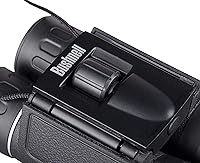
Once broken in, the center focus wheel is smooth enough for casual adjustments and most buyers get the hang of it quickly. The layout is intuitive — straightforward enough for a first-time binocular user to operate without reading any instructions.
Out of the box, a notable number of users describe the focus wheel as stiff or resistant, requiring a deliberate break-in period before it operates smoothly. In cold weather, this stiffness reportedly becomes more pronounced.
Field of View
59%
41%
For fixed, stationary targets where the narrow field of view is not a disadvantage — watching a stage act or a perched raptor — buyers find the framing adequate and do not feel like they are missing much peripheral context.
At 12x, the field of view is inherently narrower than 8x or 10x alternatives, and this is a real usability trade-off that many buyers underestimate before purchasing. Tracking fast-moving birds, athletes, or animals requires constant re-acquisition, which users find genuinely tiring over time.
Eye Relief & Eyeglass Compatibility
54%
46%
Users without corrective eyewear generally report comfortable viewing with the standard eyecups in the down position, finding the eye placement natural enough for extended sessions at concerts or sporting events.
Eyeglass wearers consistently flag short eye relief as a meaningful issue, reporting that they cannot see the full field of view without pressing the eyecups uncomfortably against their lenses. This is a notable segment of disappointed buyers who feel the product description undersells this limitation.
Ease of Setup & First Use
84%
Almost universally, buyers say these are ready to use within minutes of opening the box — the interpupillary adjustment and diopter setting are simple enough that even complete beginners get a usable image quickly without any external help.
The diopter ring lacks any click-stop or locking mechanism on this model, so the setting can drift with regular use and needs to be periodically re-checked, which a handful of buyers find mildly annoying over time.
Included Accessories
58%
42%
The neck strap does its job and the lens caps fit securely enough to protect the glass during transport, which buyers in this tier appreciate as a functional starting point rather than an afterthought.
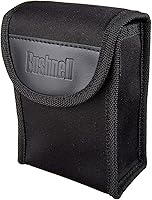
There is no carrying case included, which multiple buyers flag as an omission that feels stingy even at this price point. Several users mention purchasing a separate pouch immediately after unboxing, which adds friction to an otherwise convenient out-of-the-box experience.
Durability Over Time
63%
37%
For buyers using these a handful of times per season — weekend hikes, summer concerts, occasional fishing trips — the PowerView 12x25 holds together without any reported mechanical failures over one to two years of light use.
Users who reach for these frequently or store them without cases report cosmetic wear and, in some cases, focus mechanism loosening over time. The optics are not waterproof or fog-proof, so exposure to rain or high humidity is a genuine risk that has caught some outdoor users off guard.
Brand Credibility
82%
18%
Bushnell carries real name recognition in the optics community, and buyers consistently mention the brand as a reason they chose this over unbranded alternatives at similar price points. That trust factor matters when buying sight-unseen online.
Some experienced birders and hunters note that the PowerView line sits at the lower end of Bushnell's own product hierarchy, and brand reputation alone does not fully compensate for optical limitations that are visible when compared to the brand's own higher-tier offerings.

Suitable for:

The Bushnell PowerView 12x25 Compact Binoculars were practically designed for the kind of person who wants optics on hand without dedicating a whole bag compartment to them. Concert and stadium-goers get the most obvious value here — these slip into a coat pocket and bring distant performers or athletes into sharp, usable focus under bright venue lighting. Casual birdwatchers who spend more time walking trails than stationary at a blind will appreciate not feeling weighed down, and the straightforward focus wheel means there is no learning curve when a bird suddenly lands nearby. Travelers and day hikers who already watch their pack weight closely will find the sub-ten-ounce build easy to justify. Beginners who have never owned binoculars before and want a low-commitment entry point into the format will find these a smart starting place, backed by a recognizable brand that has been in the optics space for decades.
Not suitable for:

The Bushnell PowerView 12x25 Compact Binoculars are not the right call for buyers who need reliable performance once natural light starts dropping. The 25mm objective lens simply cannot gather enough light for dawn, dusk, or overcast wildlife watching — situations where a larger 42mm or 50mm lens would make a meaningful real-world difference. Dedicated birders who spend serious time in the field will quickly outgrow the narrower field of view that comes with 12x magnification in a compact housing, making spotting fast-moving subjects genuinely frustrating. Anyone planning to use these handheld for extended sessions at full 12x will also notice that image shake is hard to control without a tripod or a solid rest, which limits usability in practice. Serious hunters who need to glass terrain reliably in variable conditions should budget for a step-up optic with better light transmission and a wider exit pupil.
Specifications

  • Brand: Manufactured by Bushnell, a well-established American optics brand with decades of experience in binoculars, scopes, and outdoor vision products.
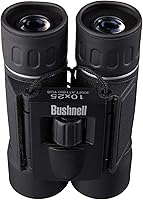
  • Model: Bushnell PowerView 12x25 Compact, part number BSH131225-BRK, first made available in January 2017.
  • Magnification: Delivers 12x magnification, bringing distant subjects twelve times closer than they appear to the naked eye.
  • Objective Lens: Features a 25mm objective lens diameter, providing adequate light gathering for clear daytime viewing in bright to moderate outdoor conditions.
  • Prism Type: Uses a roof prism optical design, which allows for a more compact and streamlined body compared to traditional porro prism binoculars.
  • Body Material: Constructed from a synthetic material body, keeping the overall build lightweight and reasonably durable for casual recreational use.
  • Item Weight: Weighs 9.6 ounces (approximately 272 grams), making it one of the lighter options in the compact binocular category.
  • Item Dimensions: Measures 5 x 5 x 5 inches (L x W x H), reflecting a genuinely pocketable form factor suitable for travel and day trips.
  • Package Dimensions: Packaged in a box measuring 5.08 x 3.5 x 2.4 inches, with a total package weight of 0.3 kg including all included components.
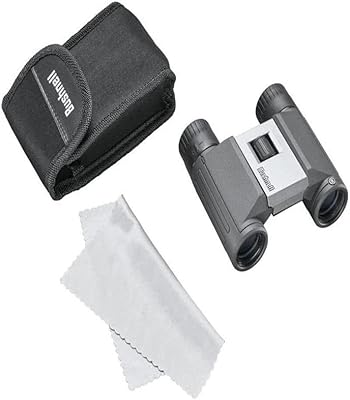
  • Included Components: Comes with the PowerView 12x25 binoculars as the primary item, along with basic accessories such as lens caps and a neck strap.
  • Warranty: Backed by a Bushnell manufacturer warranty; buyers should verify current warranty terms directly with Bushnell for the most accurate coverage details.
  • Suggested Users: Designed for unisex adult use, making it appropriate for a broad range of buyers regardless of gender or experience level.
  • Sport Types: Listed activity types include bird watching, fishing, hunting, and concert viewing, reflecting its versatility across casual daytime outdoor use cases.
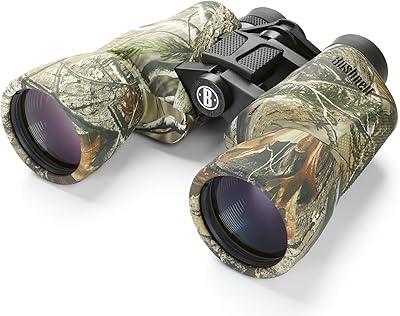
  • Color: Available in a multi-color finish that incorporates both black and green tones typical of Bushnell's PowerView outdoor line.
  • Style: Configured in a 12x25 roof prism style, prioritizing compactness and portability over wide-aperture light performance.
  • ASIN: Listed on Amazon under ASIN B01N5LO2KL, ranked #671 in Binoculars and #1,451 in Camera and Photo Products at time of reference.

Related Reviews
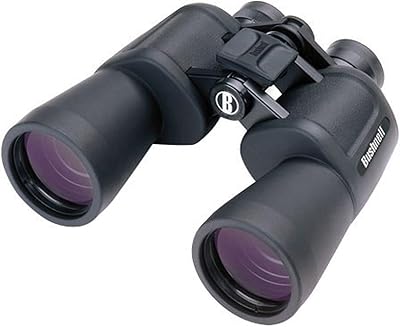
Bushnell PowerView 10x50 Porro Prism Binoculars
74%
74%
Optical Clarity
78%
Light Gathering & Low-Light Performance
71%
Focus System & Speed
81%
Build Quality & Durability
83%
Ergonomics & Grip
More
Bushnell PowerView 20x50 Binoculars
70%
78%
Optical Clarity
83%
Magnification Performance
51%
Image Stability
74%
Light Gathering & Brightness
81%
Build Quality
More
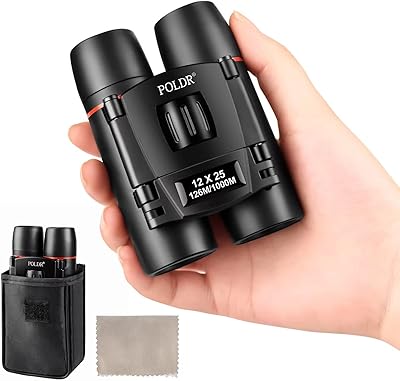
POLDR 12x25 Compact Binoculars
79%
94%
Portability & Size
78%
Optical Clarity
52%
Low-Light Performance
91%
Ease of Use
61%
Build Quality & Durability
More
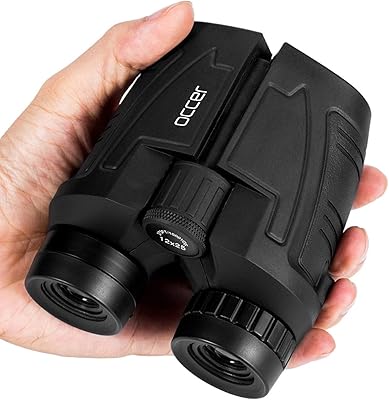
Occer 12x25 Binoculars
77%
83%
Optical Clarity
78%
Magnification Performance
71%
Build Quality
93%
Value for Money
67%
Ease of Focus
More
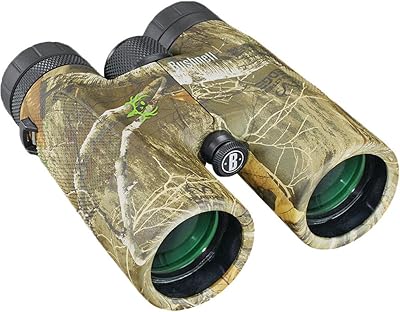
Bushnell Powerview 2 8x21 Binoculars
74%
93%
Portability & Compact Design
81%
Build Quality & Durability
74%
Optical Clarity
58%
Low-Light Performance
52%
Eye Relief & Eyeglass Compatibility
More
Bushnell BoneCollector Powerview 10x42
77%
74%
Optical Clarity
78%
Low-Light Performance
63%
Build Quality
86%
Grip & Ergonomics
84%
Focus Wheel Performance
More
Retulgie 12x25 Compact Binoculars
75%
74%
Optical Clarity
58%
Low-Light Performance
63%
Build Quality
91%
Portability & Size
78%
Comfort & Ergonomics
More
Leacco Compact 15x Binoculars
75%
76%
Optical Clarity
54%
Low-Light Performance
49%
Image Stability
93%
Portability
67%
Build Quality
More
Opaita 20x32 Compact Binoculars
75%
78%
Optical Clarity
74%
Magnification Performance
62%
Low-Light Performance
66%
Build Quality
81%
Comfort & Ergonomics
More
VULNESS VL-821BL 8x21 Compact Binoculars
75%
83%
Optical Clarity (Daytime)
51%
Low-Light Performance
94%
Portability & Size
71%
Build Quality & Durability
81%
Focus System
More

FAQ

Yes, this is actually one of the strongest use cases for the PowerView 12x25. The 12x magnification does a solid job of pulling in distant performers or athletes, and the compact body means it fits easily in a pocket or small bag. Just be aware that at 12x, keeping the image stable handheld requires a bit of practice — bracing your elbows against your body helps a lot.

Higher magnification means you can see further detail, but it comes with trade-offs. At 12x, the field of view narrows compared to 8x or 10x options, which makes it slightly harder to track fast-moving subjects like birds in flight. You also notice hand shake more at higher magnifications. For stationary subjects — a stage, a perched bird, a distant goal — 12x works great. For anything moving quickly, lower magnification is often more practical.

Honestly, not particularly well. The 25mm objective lens limits how much light enters the optic, which is fine on a sunny afternoon but becomes a real limitation at dawn, dusk, or under heavy cloud cover. If low-light performance is important to your use case, you would be better served by a binocular with a 42mm or larger objective lens, even if it means carrying something heavier.

This is worth considering carefully. Compact binoculars at this price tier often have shorter eye relief — typically around 11 to 14mm — which can make it harder for eyeglass wearers to see the full field of view without pressing the eyecups against their lenses. If you wear glasses, look for the eye relief specification and aim for at least 15mm to 16mm for a comfortable experience. Some users with glasses report no issues; others find it limiting.

User feedback suggests they hold up reasonably well for light, casual use over time. The synthetic body is not built to the same standard as higher-end aluminum or rubber-armored models, so dropping them on hard surfaces is not recommended. For someone who uses them a handful of times per season — hikes, games, vacations — they tend to last without issue. Heavy daily use in rough conditions is where the budget build quality becomes more noticeable.

The compact body does not have a built-in tripod adapter thread, which is common at this size and price point. You can purchase a universal binocular tripod adapter separately, but it adds cost and complexity. For most casual uses — scanning a sports field, watching a concert — handheld is perfectly fine. If you plan to do extended stationary viewing where a tripod would genuinely help, factor in that extra accessory.

Generally yes. The center focus wheel is the standard setup and is intuitive to pick up quickly — turn it one direction to focus closer, the other for distance. Some buyers do mention the wheel feels a little stiff right out of the box, but it typically loosens up after some use. There is also a diopter adjustment on one eyepiece to fine-tune for differences between your eyes, which is worth setting up properly when you first use them.

Bushnell does not always publish this spec prominently for the PowerView 12x25, but as a general optical rule, a 12x compact binocular typically offers a field of view in the range of 273 to 300 feet at 1,000 yards. This is narrower than what you get at 8x or 10x, which is a real-world trade-off to keep in mind if you plan to track moving subjects like birds or players on a field.

Based on available product information, a full hard or soft carrying case does not appear to be included in the standard package — the included components are listed as the binoculars themselves, lens caps, and a neck strap. If a protective case matters to you, it is worth picking one up separately. A basic neoprene pouch designed for compact binoculars typically costs just a few dollars and adds meaningful protection during travel.

They make a practical and well-priced entry-level gift for that exact scenario. The compact size and light weight make them easy to carry on walks and hikes, and the 12x magnification is genuinely useful for spotting birds perched in trees or on rooftops. A young beginner will not feel burdened by the weight or complexity, and if they get serious about birding, this is a reasonable starting point before investing in something with better optics and a larger aperture.