Overview

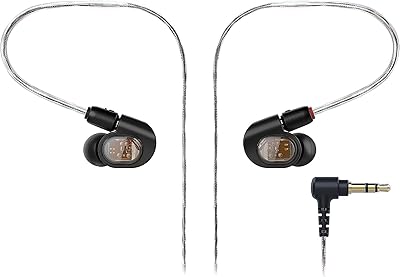
The Audio-Technica ATH-E40 In-Ear Monitor sits squarely in the middle of Audio-Technica's professional E-series, aimed at working musicians and studio engineers who need accurate sound without stepping up to flagship pricing. This in-ear monitor has been around since early 2016, and that staying power says something — it did not need a quick refresh to stay relevant. It sits below the E50 and E70 in the lineup, both of which use balanced armature drivers, but the ATH-E40 takes a different approach with its dual phase push-pull driver design. That architecture is the main reason to consider it over typical consumer earphones at a similar price.

Features & Benefits

The dual phase push-pull driver design is worth understanding. Instead of a single driver working alone, two opposing drivers share the workload — one pushing, one pulling — which cuts harmonic distortion and keeps the signal cleaner, especially in the midrange where vocals and instruments live. The detachable cable uses A2DC connectors that lock securely and can be replaced if damaged, a practical detail any touring musician will value. Memory wire ear hooks mold to your ear over time, delivering a stable fit without custom molds. At 39 Ohms, these professional IEMs run fine from a phone or audio interface without any extra amplification gear.

Best For

These professional IEMs are a natural fit for stage musicians who need reliable monitoring during live gigs — the secure fit, good isolation, and swappable cable make a real difference when you're moving around on stage. Home studio producers looking for an honest reference tool will also get good mileage here; the sound signature leans toward accuracy rather than flattery, which is exactly what you want when making mixing decisions. Content creators and podcasters who wear earphones for hours at a stretch will find the over-ear fit holds up well. That said, if water resistance matters — outdoor performances, for example — these aren't built for it, worth knowing before you buy.

User Feedback

Across a wide range of buyer experiences, the ATH-E40 tends to earn consistent praise for its balanced, accurate sound — particularly the controlled bass and clear midrange, which users find genuinely useful for monitoring rather than casual listening. The over-ear fit draws frequent positive comments for staying put during extended sessions. On the critical side, the memory wire can feel stiff out of the box, and some users need a few wears to get comfortable with the shaping process. Tip selection is a recurring theme too; many buyers find the stock silicone options adequate, but others swap in third-party tips for a better seal. The A2DC cable connection generally holds up well in practice, though opinions on long-term durability vary.

Pros

  • Dual phase push-pull drivers produce a cleaner, lower-distortion signal than typical single-driver consumer earphones.
  • The detachable A2DC cable is fully replaceable, so cable damage does not mean replacing the entire earphone.
  • Memory wire ear hooks hold their position reliably during live performances without slipping or shifting.
  • Passive isolation from the angular housing blocks meaningful ambient noise without requiring active electronics.
  • At 39 Ohms, these professional IEMs drive easily from a phone, audio interface, or IEM belt pack without extra amplification.
  • The bundled kit — four silicone tip sizes, a 6.3mm adapter, and a carrying case — delivers real out-of-the-box value.
  • Users consistently report that the balanced midrange and controlled bass make monitoring feel honest and uncolored.
  • The lightweight build, around 0.3 oz for the earphones alone, keeps physical fatigue low during long monitoring sessions.
  • A proven design on the market since 2016 means firmware surprises and early-batch quality issues are not a concern.

Cons

  • The memory wire ear hooks feel noticeably stiff out of the box and require several wears before they conform comfortably.
  • Stock silicone tips work for most but not all ear shapes, and a fair number of buyers end up sourcing third-party alternatives.
  • There is no water or sweat resistance, making these a poor choice for physical performances or outdoor use in unpredictable conditions.
  • The accuracy-focused sound signature can feel uninvolving for casual music listening away from professional monitoring contexts.
  • User feedback on the long-term durability of the A2DC connector is mixed, particularly for those who swap cables frequently.
  • The over-ear cable routing requires deliberate repositioning each time you put them on, which some users find tedious over time.
  • No wireless option is available, which limits versatility compared to competitors offering dual wired and Bluetooth IEM configurations.
  • The angular housing suits most ears well, but buyers with unusually narrow or shallow ear canals may struggle to achieve a reliable seal.

Ratings

The scores below reflect our AI-driven analysis of verified buyer reviews for the Audio-Technica ATH-E40 In-Ear Monitor, drawn from customers worldwide after actively filtering out spam, bot submissions, and incentivized feedback patterns. Each category captures what real users — working musicians, studio engineers, and home recording enthusiasts — consistently reported across months and years of ownership. Both the genuine strengths and the recurring frustrations are represented transparently, giving you an honest basis for your buying decision.

Sound Accuracy
88%
Users consistently describe the sound as honest and reference-grade, particularly praising how vocals and instruments sit clearly in the mix without frequency bloat. For monitoring applications — tracking a vocal performance or checking a rough mix on the go — the balanced tuning gives a reliable read that translates well to other playback systems.
The accuracy-first tuning means low frequencies never feel exciting or full-bodied, which can make casual listening feel dry compared to consumer earphones at the same price. Buyers who switch from bass-emphasized earphones occasionally report an adjustment period before the neutral presentation starts to feel natural rather than clinical.
Comfort & Fit
74%
26%
Once shaped to the ear, the memory wire over-ear hook holds these securely through head movement, making them a genuine option for active stage use without the expense of custom molds. Most users report that once the fit clicks, they can wear them through long rehearsals or studio sessions without significant ear fatigue.
The memory wire is notably stiff straight out of the packaging, and getting the loop positioned correctly over the ear takes patience that some buyers find genuinely frustrating. Several users noted an adjustment period of multiple sessions before the fit felt second-nature rather than deliberate and fiddly.
Passive Isolation
81%
19%
The angular housing design blocks a meaningful amount of ambient noise passively, which is genuinely useful for stage performers trying to hear their monitor mix over loud backline and drum kits. Studio users also benefit during tracking sessions where controlling bleed from nearby speakers or a noisy room matters for clean recordings.
Isolation levels vary noticeably depending on which ear tip size achieves the best seal for a given listener, and some users with narrower ear canals find the included silicone tips fall short of an airtight fit. Compared to custom-molded IEMs or deeper-insertion designs, the isolation ceiling here is moderate rather than exceptional.
Cable Quality
79%
21%
The A2DC detachable connector system is one of the most practically valuable design choices here — gigging musicians who risk cable damage from foot traffic or rack snags can replace a failed cable without scrapping the earphones. The included 1.6m cable is a workable length for both live stage setups and seated studio sessions.
User feedback on the long-term durability of the A2DC connectors is mixed, with some buyers noting that heavy daily plug-and-unplug cycles over several months can cause the connection to feel less secure over time. The stock cable is also considered basic by users who have compared it against premium aftermarket alternatives.
Value for Money
84%
For buyers who need a professional-grade monitoring tool rather than a lifestyle accessory, the price-to-performance ratio lands well. The dual phase push-pull driver, detachable cable, four tip sizes, carrying case, and 6.3mm adapter together represent a thoughtful bundle that avoids the nickel-and-diming common at this price tier.
Buyers comparing these to similarly priced consumer earphones focused purely on listening enjoyment may find the value argument harder to accept, since the clinical tuning does not suit casual use. A few users feel that competitors at the same price deliver a more polished out-of-box experience, particularly in cable build and packaging quality.
Midrange Clarity
91%
The midrange is where these professional IEMs genuinely stand out — vocals, acoustic instruments, and lead lines come through with a clarity that makes the ATH-E40 especially useful for vocal tracking, podcast monitoring, and checking mix intelligibility. Users who split time between live performance and studio work tend to praise this area above everything else.
On complex, dense mixes, a subset of users find the upper midrange can tip slightly bright during extended sessions at higher volumes, which may contribute to listener fatigue over time. This is not a widespread complaint, but it surfaces often enough in detailed buyer feedback to be worth keeping in mind.
Low-End Response
82%
18%
Bass output here is tight and controlled rather than boosted — which is exactly what professional monitoring demands. Users tracking live drums or reviewing produced music in a home studio context report that the low end gives an honest representation of what is actually in the recording, rather than flattering it with artificial weight.
For listeners arriving from consumer earphones with exaggerated bass, the controlled low-end tuning can initially feel thin or underwhelming. A number of users note that deep sub-bass extension below 60 Hz is present but not particularly impactful, making these less rewarding for bass-heavy genres outside of a professional monitoring context.
Driver Performance
86%
The dual phase push-pull driver architecture reduces harmonic distortion that typically colors single-driver dynamic earphones, resulting in a cleaner, more accurate signal that professional users can rely on for honest mix decisions. At moderate monitoring volumes, the driver's linearity is genuinely impressive relative to the price point.
At higher playback volumes, a few users detect a subtle compression in dynamics compared to moderate levels, suggesting the driver reaches its performance ceiling before high-end balanced armature designs do. This is unlikely to affect most monitoring use cases, but it is worth noting for anyone who habitually works at loud volume levels.
Accessory Bundle
83%
The included bundle — four silicone tip sizes, a 6.3mm adapter, and a protective carrying case — covers most professional use cases without requiring immediate additional purchases. Having the quarter-inch adapter included is particularly appreciated by users who connect directly to mixing consoles or professional monitor rigs that lack a 3.5mm input.
While the bundle is useful, the carrying case is compact rather than premium, and some users feel it offers minimal internal padding for protecting the earphones during rough transit. No foam ear tips are included, and the stock silicone options leave a meaningful portion of buyers experimenting with third-party alternatives to achieve a better acoustic seal.
Ease of Setup
67%
33%
Once the learning curve is cleared, attaching the cable, shaping the memory wire, and selecting a tip size becomes a quick, repeatable process driven by muscle memory. Experienced IEM users who have worn over-ear monitors before typically find the setup familiar and intuitive within the very first session.
First-time IEM wearers and buyers migrating from conventional hanging earphones consistently flag the memory wire routing as confusing and fiddly during early sessions. Several users report spending significant time adjusting the hook angle, cycling through tip sizes, and sorting out cable routing — a process that takes multiple sessions to feel natural.
Source Compatibility
93%
At 39 Ohms and 107 dB sensitivity, these run comfortably from virtually any audio source without a dedicated amplifier — smartphones, laptops, in-ear monitor bodypacks, and portable audio interfaces all drive them without issue. This plug-and-play compatibility is a meaningful practical benefit for musicians who regularly work across multiple rigs and venues.
Highly discerning users pairing these with a quality audio interface may notice that the low impedance reveals background hiss from noisy output stages more readily than higher-impedance earphones would. This is a minor and relatively uncommon concern, but it is worth noting if your monitoring chain has a noisy preamp or headphone output section.
Tip Fit & Seal
71%
29%
The four-size silicone tip selection covers a wider range of ear geometries than the two or three sizes bundled with many competing products, giving buyers a reasonable chance of finding an immediate, workable fit. Users with medium-sized ear canals in particular tend to report a solid acoustic seal using the stock tips.
A meaningful portion of buyers find the stock silicone tips insufficient for their ear shape and turn to aftermarket foam or triple-flange options to achieve a reliable seal. Silicone, while durable and easy to clean, does not conform to the ear canal the way foam does, limiting isolation for users with narrower canals.
Durability & Longevity
76%
24%
The most compelling durability feature is the replaceable cable, which targets the most common failure point in any earphone — stress fractures at connectors and cable bend points. Users who have owned these for multiple years report that the earpiece housings hold up well under regular transport and day-to-day professional use.
The lightweight plastic housing does not project the same durability confidence as metal-bodied competitors at a similar price, and some users note visible surface wear after extended daily use. Buyer feedback is also mixed on whether the A2DC connector's locking mechanism retains its firmness reliably over hundreds of plug-and-unplug cycles.

Suitable for:

The Audio-Technica ATH-E40 In-Ear Monitor is best matched with working musicians who perform live and need a dependable stage monitoring solution without the cost or lead time of custom-molded earphones. The memory wire fit stays secure during movement, the passive isolation cuts enough stage bleed to keep your mix audible without pushing your monitor level into uncomfortable territory, and the replaceable A2DC cable means a single backstage snag does not force a full replacement. Home studio producers and mixing engineers looking for a lightweight portable reference — something to cross-check decisions made on full-size headphones or speakers — will find the balanced, uncolored sound signature genuinely useful for catching low-mid buildup or checking vocal presence. Podcasters and content creators who spend extended stretches monitoring recorded audio will benefit from the comfortable over-ear fit and the passive noise blocking that keeps room sound at bay. Buyers who think about long-term ownership rather than disposability will also appreciate that the repairability built into this design makes it a notably practical investment at this price tier.

Not suitable for:

The Audio-Technica ATH-E40 In-Ear Monitor is not a strong fit for casual listeners who want a fun, bass-forward sound — the tuning is built around accuracy, and that can feel clinical or dry compared to consumer-oriented earphones at a similar price. If you plan to use these during workouts or outdoor performances where sweat or rain is a real factor, the complete absence of water or moisture resistance is a practical risk worth taking seriously before buying. Buyers looking for wireless freedom will need to shop elsewhere, since this is a strictly wired product with no Bluetooth variant available in the lineup. The memory wire fit also has a genuine break-in curve; if the ear hooks feel stiff and awkward at first, that impression is accurate and takes several sessions to resolve, which can frustrate buyers expecting an immediately comfortable experience. Finally, anyone hoping for the hyper-resolved detail and precise imaging of higher-end balanced armature IEMs should understand that these sit solidly in the mid-range tier — they perform well for the price, but there is a ceiling, and chasing audiophile-grade transparency will require stepping up significantly.

Specifications

  • Driver Type: Each earpiece uses a dual phase push-pull dynamic driver, where two opposing diaphragms work together to reduce harmonic distortion and deliver a cleaner monitoring signal.
  • Impedance: Rated impedance is 39 Ohms, placing these well within the range that smartphones, laptops, and portable audio interfaces can drive without a dedicated headphone amplifier.
  • Sensitivity: Sensitivity is rated at 107 dB, meaning the earphones reach comfortable listening levels at moderate output from most standard source devices.
  • Frequency Response: The driver covers a 20–20,000 Hz range, spanning the full audible spectrum for both professional monitoring and general reference listening.
  • Cable Length: The included detachable cable measures 1.6m, providing sufficient reach for most stage monitoring and seated studio setups.
  • Cable Connector: The cable terminates in a 3.5mm gold-plated L-shaped stereo mini-plug, a low-profile design that reduces lateral stress on the connector during use.
  • Cable System: The cable connects to each earpiece via A2DC locking connectors, allowing the cable to be detached and replaced independently without discarding the earphones.
  • Adapter: A 6.3mm (1/4-inch) plug-on adapter is included for compatibility with professional audio interfaces, mixing consoles, and amplifiers that lack a 3.5mm input.
  • Ear Fit: An over-ear memory wire hook is integrated into the cable near each earpiece, shaping to the contour of the wearer's ear for a stable, hands-free hold.
  • Isolation: Passive sound isolation is achieved through the angular earpiece housing design, physically blocking ambient noise without any active noise-cancellation electronics.
  • Ear Tips: Silicone ear tips in four sizes — XS, S, M, and L — are included, accommodating a wide range of ear canal shapes and helping users optimize the acoustic seal.
  • Weight: The earphones weigh approximately 0.3 oz without the cable attached, contributing to low physical fatigue during extended monitoring sessions.
  • Housing Material: The earpiece housings are constructed from plastic, keeping the overall build lightweight while maintaining the angular profile required for passive isolation.
  • Carrying Case: A black hard-shell carrying case is included in the box, providing basic protection for the earphones and cable during transport between venues or sessions.
  • Water Resistance: These earphones carry no water or sweat resistance rating and are not designed for use in wet, humid, or high-perspiration environments.

Related Reviews
Audio-Technica ATH-E70 In-Ear Monitor Headphones
78%
93%
Sound Accuracy
91%
Midrange Clarity
82%
Isolation Performance
67%
Fit & Comfort
86%
Cable System
More
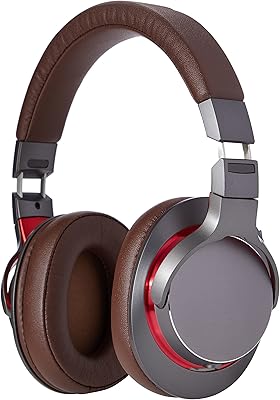
Audio-Technica ATH-MSR7b Over-Ear Headphones
80%
89%
Sound Quality
64%
Bass Response
93%
Midrange Clarity
87%
Treble & Detail
86%
Soundstage & Imaging
More
Audio-Technica ATH-MSR7BK Over-Ear Headphones
79%
88%
Sound Quality
91%
Build Quality
74%
Comfort & Fit
93%
Cable System
67%
Passive Isolation
More
Audio-Technica ATH-AVC200
74%
88%
Value for Money
84%
Comfort & Fit
76%
Sound Quality
61%
Build Quality
73%
Passive Noise Isolation
More
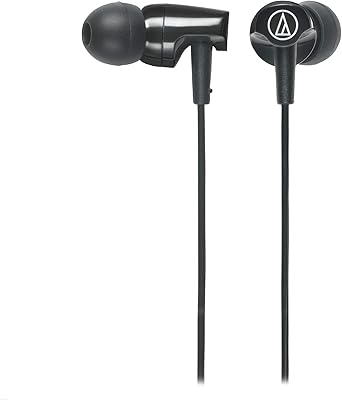
Audio-Technica ATH-CLR100iS In-Ear Headphones
74%
83%
Sound Quality
91%
Value for Money
77%
Comfort & Fit
61%
Build Quality
68%
Microphone Quality
More
Audio-Technica ATH-A550Z Closed-Back Over-Ear Headphones
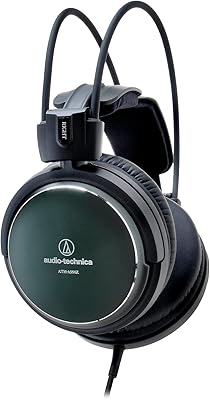
76%
88%
Sound Quality
84%
Bass Performance
71%
Comfort & Fit
76%
Sound Isolation
67%
Build Quality
More
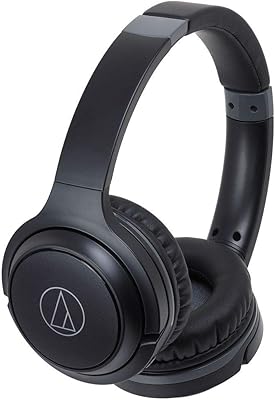
Audio-Technica ATH-S200BT Bluetooth On-Ear Headphones
73%
93%
Battery Life
88%
Value for Money
67%
Sound Quality
61%
Comfort
58%
Build Quality
More
Audio-Technica ATH-AVC400 Over-Ear Headphones
75%
74%
Sound Quality
81%
Comfort & Fit
62%
Build Quality
83%
Value for Money
69%
Passive Noise Isolation
More
Audio-Technica ATH-A990Z Closed-Back Over-Ear Headphones
72%
88%
Sound Quality
74%
Bass Performance
83%
Soundstage & Imaging
91%
Comfort & Fit
82%
Build Quality
More
Audio-Technica ATH-M20xBT Wireless Over-Ear Headphones
75%
94%
Battery Life
78%
Sound Quality
86%
Value for Money
47%
Wireless Range
68%
Noise Isolation
More

FAQ

The Audio-Technica ATH-E40 In-Ear Monitor runs at 39 Ohms, which is within the comfortable range of smartphones, laptops, and portable audio interfaces. You will not need a dedicated amplifier to reach normal listening or monitoring volumes from a standard device, though a cleaner output source will naturally reveal more of what the drivers are capable of.

The cable locks into each earpiece using A2DC connectors — push in and give a slight twist until it seats. If the cable gets damaged from regular gigging or studio use, replacements in the A2DC format are available from Audio-Technica and several third-party cable manufacturers, so a frayed cable is a straightforward fix rather than a reason to retire the earphones.

There is a short learning curve. You loop the memory wire over the back of your ear, then guide the earpiece tip into your ear canal with the cable running behind and downward. Most people get comfortable with the process within a few sessions, and once the memory wire has shaped itself to your ear, putting them on becomes quick and intuitive.

You can use them for casual listening without any issue, but the sound signature is tuned for accuracy rather than entertainment. If you enjoy a neutral, detailed presentation, these will work well across most genres. If you prefer a bass-heavy or V-shaped sound, the ATH-E40 may feel flat compared to consumer-oriented earphones at a similar price.

The main distinction is driver architecture. The ATH-E40 uses a dual phase push-pull dynamic driver, while the E50 and E70 use balanced armature drivers, which tend to deliver sharper transient detail and more precise imaging. The trade-off is that dynamic drivers like the one in the E40 typically produce a more natural, fuller bass response, while the higher-tier models pull ahead in resolution and stereo separation.

That initial stiffness is intentional — the wire needs to be firm enough to hold whatever shape you mold it into. With regular use and the warmth from your body, it gradually softens and conforms more naturally to your ear. Give it around five to ten sessions before judging long-term comfort, and actively shape it to your ear each time you put them on to speed up the process.

The four included silicone sizes cover most ear canal shapes adequately, and many buyers use them without any issue. That said, a meaningful portion of users do eventually try third-party foam or silicone tips to improve the passive seal or achieve a more comfortable long-term fit. It is worth spending a few sessions with the included tips before investing in alternatives.

Yes, these are passive IEMs with a standard 3.5mm connection, so they will plug directly into the output of most wireless IEM bodypack receivers, including popular systems from brands like Shure and Sennheiser. Just confirm that your specific receiver's output impedance is compatible with a 39 Ohm load — most professional systems handle this without any problem.

Remove the silicone tips and wash them with warm water and a small amount of mild soap, then let them air dry fully before reattaching. For the earpiece housing, use a soft dry brush or a barely damp cloth to clear debris from the nozzle opening. Avoid getting any moisture into the earpiece body itself, as these carry no water resistance rating of any kind.

With reasonable care, these hold up well for their price tier. The cable is the component most likely to wear out first from repeated use — connectors, flexing points, and strain relief areas all take daily stress — but since the A2DC cable is replaceable, that failure point is manageable without replacing the entire earphone. The housings themselves are durable under normal studio and stage conditions.