Overview

The Acer Predator Vesta II 32GB DDR5 RAM Kit lands in a competitive but increasingly mature DDR5 market, targeting enthusiast desktop builders who want reliable performance without going to the extreme end of the price spectrum. Running at 6000MHz with CL30 timings across two 16GB sticks, this DDR5 kit hits a frequency sweet spot that works well for both gaming and general productivity workloads. Worth noting upfront: the actual manufacturer is Biwin, a memory company that licenses the Predator branding from Acer — not unusual in this space, but worth knowing. Out of the box, XMP and EXPO behavior is solid, and its top-100 ranking in Computer Memory on Amazon reflects genuine early traction.

Features & Benefits

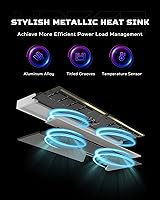
At 6000MHz, CL30, and 1.35V, this DDR5 kit threads the needle between speed and stability — high enough to matter in bandwidth-sensitive tasks like game loading and video encoding, but conservative enough that you are not riding the edge of instability. Intel XMP 3.0 support means you can enable a performance profile in BIOS with a single toggle, and you can even save custom overclock profiles directly to the module itself. AMD EXPO compatibility is a genuine differentiator; this is not an Intel-only kit. The aluminum alloy heat spreader handles thermals quietly during long sessions, and the DDR5 dual-subchannel design offers a real architectural bandwidth edge over DDR4 configurations.

Best For

This Predator RAM is a natural fit for builders working with Intel 12th through 14th Gen or AMD Ryzen 7000 series platforms who just want their memory to work correctly at rated speeds without fiddling. If your motherboard runs ASUS, Gigabyte, ASRock, or MSI software, the RGB syncs up without much drama — though it is worth pointing out that RGB is secondary to the performance story here. There is also headroom for those who want to push further; the Vesta II line technically supports up to 7200MHz in higher-binned variants. That said, this specific kit is best appreciated by users who value stability and plug-and-play ease over hardcore manual tuning.

User Feedback

With a 4.5-star average across 76 ratings since its October 2024 launch, the Vesta II memory has made a solid early impression — though that sample size means the consensus could still shift. Early buyers tend to highlight how straightforward the XMP setup is and how well the heat spreader looks inside a windowed case. On the less positive side, a handful of users have raised questions about Biwin as the actual manufacturer, and a few have noted minor RGB software hiccups with certain motherboard configurations. Scattered compatibility edge cases have also come up, which is fairly typical for DDR5 kits on early-revision boards. Overall, no pattern of serious failures has emerged.

Pros

  • 6000MHz at CL30 delivers real-world performance gains over baseline DDR5 in both gaming and creative workloads.
  • Dual-platform XMP 3.0 and AMD EXPO support means this DDR5 kit works cleanly across Intel and AMD builds.
  • One-click XMP activation in BIOS gets most users to rated speeds without any manual configuration.
  • Aluminum alloy heat spreader keeps temperatures stable during extended gaming or rendering sessions.
  • Custom overclock profiles can be saved directly to the module, a genuinely useful feature for multi-system builders.
  • RGB syncs reliably with ASUS and MSI motherboard ecosystems without complicated software workarounds.
  • The 32GB dual-channel configuration hits the current sweet spot for gaming and prosumer desktop workloads.
  • Top-100 ranking in Computer Memory on Amazon reflects strong early buyer confidence since its October 2024 launch.
  • At 1.35V operating voltage, this Predator RAM runs conservatively and leaves the door open for modest manual tuning.

Cons

  • Biwin as the actual manufacturer is not disclosed in the listing, which some buyers find frustrating after the fact.
  • RGB software integration is inconsistent on Gigabyte and ASRock boards, with lighting desyncs reported after restarts.
  • Early-revision DDR5 motherboards may require a BIOS update before XMP or EXPO profiles load correctly.
  • The review pool of 76 ratings is still too small to draw firm long-term reliability conclusions.
  • No standalone Predator memory utility exists — RGB and profile management depend entirely on motherboard software.
  • CL30 latency is solid but not class-leading; competing kits at similar price points occasionally offer tighter timings.
  • Buyers who skip the Predator branding and RGB can likely find comparable raw DDR5 specs for less money elsewhere.
  • Fingerprint smudging on the heat spreader finish during installation is a minor but recurring cosmetic complaint.

Ratings

The Acer Predator Vesta II 32GB DDR5 RAM Kit has been scored across 12 performance and usability categories using AI-driven analysis of verified global buyer reviews, with spam, incentivized, and bot-flagged submissions actively filtered out. The result is a balanced picture that reflects where this DDR5 kit genuinely delivers — and where a handful of real-world friction points surface. Both strengths and legitimate concerns are represented without softening either side.
Out-of-Box Performance
91%
Most buyers report that enabling XMP 3.0 in BIOS immediately brings the kit to its rated 6000MHz without any manual tinkering. For builders who just want their system to perform at spec from day one, this is exactly the kind of plug-and-play reliability that earns repeat purchases.
A small number of users on certain early-revision DDR5 motherboards noted that the XMP profile did not load cleanly on the first attempt, requiring a BIOS reset. This is partially a platform maturity issue, but it is not entirely absent from this kit's feedback.
AMD EXPO Compatibility
88%
Unlike many DDR5 kits that are effectively Intel-first with AMD support as an afterthought, the Vesta II memory performs consistently on Ryzen 7000 series builds with EXPO enabled. AMD-platform builders specifically called this out as a reason they chose this kit over competing options.
A few Ryzen users reported needing a BIOS update before EXPO profiles would engage correctly, which added unexpected setup time. While not a dealbreaker, it is worth checking your motherboard firmware version before assuming instant compatibility.
Memory Speed & Latency Balance
87%
The 6000MHz and CL30 combination at 1.35V sits in a well-documented sweet spot for DDR5 gaming performance, offering tangible improvements over slower 4800MHz kits in memory-bandwidth-sensitive titles and rendering workflows. Buyers upgrading from DDR4 noticed meaningful real-world responsiveness gains.
Enthusiasts chasing ultra-tight timings will find the CL30 latency acceptable but not class-leading. Competing kits at similar price points occasionally offer CL28 or tighter sub-timings, which matters in benchmarks even if daily gaming differences are subtle.
Thermal Management
83%
The aluminum alloy heat spreader keeps module temperatures in check during prolonged gaming sessions and CPU-heavy rendering tasks. Several users building in mid-tower cases with moderate airflow noted that the sticks never felt uncomfortably warm even after hours of sustained load.
The heat spreader does its job adequately but is not particularly thick or aggressive compared to premium competitors. In very tight ITX builds with restricted airflow, a couple of users reported slightly elevated temperatures during sustained stress tests, though no throttling was observed.
RGB Lighting Quality
79%
21%
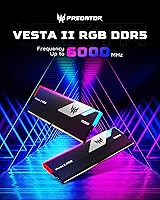
The streamlined light bar produces clean, even illumination across the stick, and the 16.8 million color range is more than sufficient for any build theme. Buyers using ASUS or MSI motherboards found the sync experience worked reliably with their existing lighting setups.
Integration with Gigabyte's Fusion and ASRock's Polychrome software was less consistent, with some users reporting that lighting effects would desync after system restarts. RGB software across the industry remains inconsistent, and this kit is not fully immune to those ecosystem headaches.
Build & Aesthetic Quality
84%
The black aluminum finish looks purposeful and premium without being garish, and the stick dimensions fit cleanly in standard ATX and mid-tower builds without clearance issues near CPU coolers. Buyers frequently praised the visual quality relative to the price tier.
The heat spreader finish, while attractive, showed minor fingerprint smudging during installation that required a quick wipe-down. This is cosmetic, but for builders who care about a clean presentation through a windowed side panel, it is a minor annoyance.
Overclocking Headroom
76%
24%
The rated spec is 6000MHz, but the broader Vesta II lineup supports up to 7200MHz in higher-binned variants, and some users have reported stable operation above 6400MHz with manual tuning on this specific kit. That gives intermediate overclockers a bit of room to experiment.
This is not a kit explicitly sold for extreme overclocking, and results above 6400MHz are not guaranteed or officially supported at this tier. Users expecting effortless pushes to 7000MHz or beyond may be disappointed without a significant investment of time in manual BIOS tuning.
Platform Versatility
89%
Supporting both Intel XMP 3.0 and AMD EXPO in a single kit makes this Predator RAM genuinely useful across build types, which is a meaningful practical advantage for system integrators or builders who might migrate platforms. Few competing kits at this price point handle both ecosystems as cleanly.
Compatibility with older DDR5-capable platforms — specifically some early Intel 12th Gen boards — has shown occasional profile recognition issues. The kit is optimized for current-generation boards, so older DDR5 motherboards may require extra BIOS configuration effort.
Value for Money
82%
18%
Positioned in the mid-to-high tier of DDR5 pricing, the Vesta II memory delivers a spec sheet and feature set that justifies the cost for most enthusiast builders. The combination of dual-platform support, XMP 3.0, and solid thermals at this price point is genuinely competitive.
Buyers on a strict budget may find that more anonymous DDR5 kits from established memory manufacturers offer comparable raw specs for less. The Predator branding adds some premium to the price, and for users who do not care about RGB or aesthetics, that premium may feel unnecessary.
Installation Experience
86%
The physical installation is straightforward — standard DIMM form factor, standard slot locking, and no unusual clearance requirements. Most builders report having the kit seated, system posted, and XMP enabled within a few minutes, even on their first DDR5 build.
A handful of users mentioned that their system initially booted at JEDEC default speeds rather than XMP rates, which required a deliberate BIOS visit to correct. This is common across DDR5 kits generally, but it did catch a few first-time DDR5 builders off guard.
Manufacturer Transparency
68%
32%
Biwin is an established memory IC manufacturer, and licensing arrangements like this one are genuinely common across the RAM industry. Buyers who researched the OEM origin generally came away reassured that the underlying hardware quality is not a concern.
The disconnect between the Acer Predator brand and Biwin as the actual manufacturer is not clearly communicated in product listings, and some buyers felt misled when they discovered it post-purchase. This does not affect performance, but it does affect trust for brand-conscious consumers.
Software Ecosystem
71%
29%
For users already embedded in the ASUS or MSI motherboard ecosystems, the RGB and profile management experience is fairly smooth. XMP profile customization saved directly to the module is a legitimately useful feature for builders who swap between systems.
Outside of ASUS and MSI, the software experience becomes patchier. Gigabyte and ASRock users reported more friction with lighting sync, and there is no standalone Acer or Predator memory management utility — you are fully dependent on your motherboard manufacturer's software.

Suitable for:

The Acer Predator Vesta II 32GB DDR5 RAM Kit is a strong match for enthusiast desktop builders who are moving to a current-generation Intel or AMD platform and want a DDR5 kit that works correctly out of the box without a manual tuning session. If you are building or upgrading on Intel 12th, 13th, or 14th Gen — or on a Ryzen 7000 series board — this DDR5 kit covers both ecosystems with genuine XMP 3.0 and EXPO support, which is not a given at every price point. Gamers who spend long hours in demanding titles or run background rendering tasks will appreciate the 6000MHz and CL30 spec combination, which provides real headroom over baseline DDR5 speeds without requiring any voltage adjustments. Builders who care about a clean aesthetic inside a windowed case will also find the aluminum heat spreader and programmable RGB a natural fit, particularly if they are already using ASUS or MSI motherboard software for lighting sync. For anyone who wants a daily-driver memory kit that simply works reliably from first boot, the Vesta II memory is a practical and well-rounded choice.

Not suitable for:

The Acer Predator Vesta II 32GB DDR5 RAM Kit is not the right pick for buyers whose primary goal is extreme overclocking or chasing benchmark-competitive sub-timings. Enthusiasts who want CL28 or tighter latencies, or who plan to manually push well beyond 6400MHz, will find more purpose-built kits from dedicated memory specialists better suited to that pursuit. Budget-focused builders who do not care about RGB or brand aesthetics may also find that lesser-known DDR5 kits offer equivalent raw specs at a lower price, since part of what you are paying for here is the Predator name and the premium finish. If you are running an older DDR5-capable motherboard on early-revision firmware, compatibility is not guaranteed out of the box and may require a BIOS update before XMP or EXPO profiles engage correctly. Finally, buyers who place heavy importance on full manufacturer transparency should know upfront that this kit is produced by Biwin under the Acer Predator license — which is common industry practice, but is not prominently disclosed in the product listing.
Specifications

  • Capacity: The kit includes two 16GB DDR5 UDIMM sticks for a total of 32GB in a dual-channel configuration.
  • Memory Speed: The modules are rated at 6000MHz, with support for higher-binned configurations in the Vesta II lineup reaching up to 7200MHz.
  • Latency: The primary latency timing is CL30, which represents a well-balanced trade-off between speed and responsiveness for gaming and productivity workloads.
  • Operating Voltage: The modules run at 1.35V under XMP or EXPO profiles, a conservative figure that avoids stressing the memory controller on modern platforms.
  • Memory Type: This kit uses DDR5 UDIMM technology, which is compatible only with DDR5-capable desktop motherboards and is not interchangeable with DDR4 slots.
  • XMP Support: Intel XMP 3.0 is supported, enabling one-click performance profiles via BIOS and allowing users to save custom overclock profiles directly to the module.
  • EXPO Support: AMD EXPO compatibility is included, making this kit a genuine dual-platform option for Ryzen 7000 series desktop builds without requiring manual timing configuration.
  • Heat Spreader: An aluminum alloy heat spreader covers both sticks, providing passive thermal dissipation during sustained gaming or rendering loads.
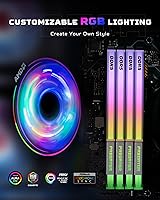
  • RGB Lighting: Each stick features a programmable RGB light bar capable of displaying up to 16.8 million colors, controllable via supported motherboard software.
  • RGB Compatibility: The RGB system integrates with ASUS Aura Sync, Gigabyte RGB Fusion, ASRock Polychrome Sync, and MSI Mystic Light motherboard ecosystems.
  • Dimensions: Each module measures 5.75 x 2.05 x 0.35 inches, fitting standard ATX and mid-tower builds without exceptional cooler clearance concerns.
  • Weight: The complete kit weighs 5 ounces, which is within the normal range for dual-stick DDR5 kits with aluminum heat spreaders.
  • Manufacturer: The modules are produced by Biwin under license from Acer, which is the actual OEM behind the Predator branding on this product.
  • Platform Support: This DDR5 kit is compatible with Intel 12th, 13th, and 14th Gen platforms as well as AMD Ryzen 7000 series desktop motherboards.
  • Certifications: The kit carries CE, FCC, RoHS, VCCI, RCM, and BSMI certifications, confirming compliance with major international safety and environmental standards.
  • Release Date: This product was first made available in October 2024, making it a relatively recent entrant in the DDR5 consumer memory segment.
  • Operating Temperature: The rated operating temperature range is 0°C to 85°C, with a non-operating storage range of -55°C to 100°C.
  • Architecture: Each DDR5 stick uses two independent 32-bit subchannels, a structural feature of the DDR5 standard that provides inherent bandwidth advantages over DDR4.

Related Reviews

Acer Predator Pallas II DDR5 RAM 32GB (16GBx2) 6000MHz CL32
89%
92%
Performance
94%
Speed
87%
Setup and Installation
90%
Overclocking Support
91%
Compatibility with Intel Platforms
More
Acer Predator Pallas II 64GB DDR5 RAM
80%
88%
Plug-and-Play Setup
91%
Stability at Rated Speed
74%
Performance Value
86%
Capacity Practicality
76%
Motherboard Compatibility
More
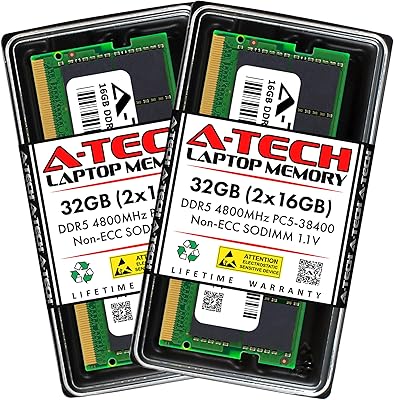
A-Tech 32GB DDR5 4800MHz Laptop RAM Kit
87%
92%
Performance Boost
95%
Ease of Installation
89%
Energy Efficiency
84%
Compatibility
91%
Value for Money
More
Crucial 32GB DDR5-5600MHz SODIMM Kit (CT2K16G56C46S5)
90%
94%
Multitasking Performance
97%
Ease of Installation
92%
Value for Money
89%
Compatibility
86%
Gaming Stability
More
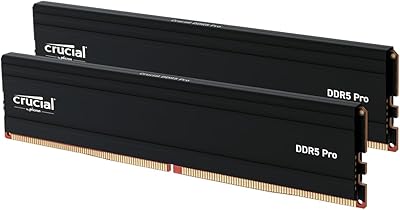
Crucial Pro Overclocking 32GB DDR5-6000 RAM Kit
91%
96%
Ease of Installation
93%
System Stability
89%
Gaming Performance
88%
Value for Money
84%
Thermal Management
More
Crucial Pro 32GB DDR5 RAM Kit 5600MHz (2x16GB)
89%
92%
Performance
89%
Compatibility with Intel and AMD Systems
88%
Overclocking Capability
94%
Ease of Installation
90%
Power Efficiency
More
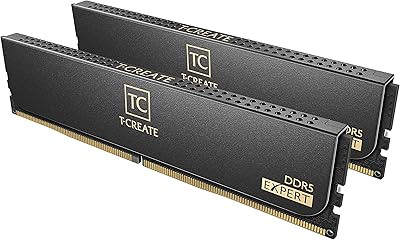
TEAMGROUP T-Create Expert Overclocking 32GB DDR5 7200MHz RAM Kit
88%
94%
Performance
89%
Overclocking Support
91%
Stability Under Load
90%
Compatibility with Intel & AMD
75%
Temperature Management
More
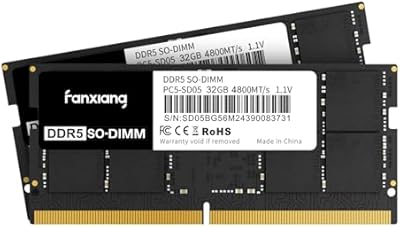
Fanxiang 64GB DDR5 4800MHz SODIMM RAM Kit (2 x 32GB)
86%
91%
Performance
89%
Speed & Latency
87%
Multitasking Performance
74%
Compatibility
88%
Energy Efficiency
More
DATO 32GB DDR5 4800MHz Desktop RAM
71%
74%
Value for Money
88%
Installation Ease
79%
System Stability
71%
Memory Speed
63%
Latency Performance
More
A-Tech 32GB DDR5 5600MHz RAM
87%
93%
Performance
91%
Ease of Installation
89%
Reliability
78%
Compatibility
94%
Gaming Performance
More

FAQ

It works with both. The Vesta II memory includes AMD EXPO support specifically for Ryzen 7000 series desktop platforms, not just Intel XMP. You enable it the same way — through your BIOS — and most Ryzen 7000 boards recognize the profile cleanly, though checking that your motherboard firmware is up to date beforehand is always a good idea.

It will not automatically boot at 6000MHz — almost no DDR5 kit does. By default, your system will post at the JEDEC baseline speed, which is typically 4800MHz. To get the rated 6000MHz, you just need to enter BIOS after first boot and enable the XMP or EXPO profile, which takes about a minute. After that, the speed sticks across reboots.

That is correct. The Acer Predator Vesta II 32GB DDR5 RAM Kit is manufactured by Biwin, a memory company that produces modules under the Acer Predator brand license. This kind of arrangement is very common in the memory industry — many well-known brands do the same thing. Biwin is an established manufacturer, and the licensing relationship does not indicate any concern about underlying hardware quality.

Mostly yes, but you will need ASUS Aura Sync software installed to control the effects and sync them with the rest of your build. The sticks will light up out of the box in a default mode, but customization and syncing requires the software. If your ASUS board already has Aura Sync running for other components, adding this RAM to the same setup is generally straightforward.

There is some headroom. A number of users have reported stable operation at 6400MHz with light manual tuning in BIOS. The broader Vesta II lineup is rated up to 7200MHz in higher-binned configurations, and while this specific 6000MHz kit is not guaranteed to hit those numbers, intermediate overclockers with some BIOS experience may find modest headroom available. Do not expect guaranteed 7000MHz-plus results without significant effort.

For the vast majority of gaming use cases in 2024 and 2025, 32GB in dual-channel is more than sufficient and actually represents the current sweet spot. Games rarely use more than 16 to 20GB, and the dual-channel configuration here ensures full bandwidth utilization. A 64GB kit makes more sense for content creators, 3D artists, or users running virtual machines alongside gaming.

Clearance depends on the specific cooler and its mounting orientation, but at just over 2 inches tall, these sticks sit within a normal height range for DDR5 modules. Most large tower coolers with standard DIMM slot clearance should not conflict with them, but it is always worth checking your cooler manufacturer's documented DIMM clearance height before purchasing.

Single DDR5 sticks are sometimes available, but finding an exact match in speed, timings, and IC binning for a kit replacement can be tricky. If you are within the warranty period, contacting Acer support for a replacement pair is the cleaner path. Running mismatched sticks can cause stability issues or force the system to default to lower speeds, so exact matching matters more than it might seem.

No, not in any measurable way for typical users. The RGB controller draws a negligible amount of power, and there is no documented impact on memory performance or thermals from having the lighting active. If you have concerns about power draw during maximum workloads, you can simply disable the RGB through your motherboard software without affecting memory performance.

The physical dimensions are standard for desktop DDR5 modules, so it fits any motherboard with full-size DIMM slots, including mini-ITX boards. The main consideration in small form factor builds is airflow — the aluminum heat spreader handles passive cooling adequately in most cases, but very restricted ITX cases with minimal RAM slot airflow may run slightly warmer than in open mid-tower configurations. This is unlikely to cause issues under normal gaming loads.