Overview

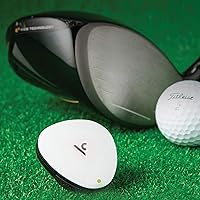
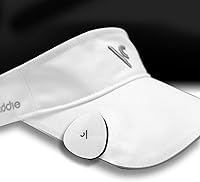
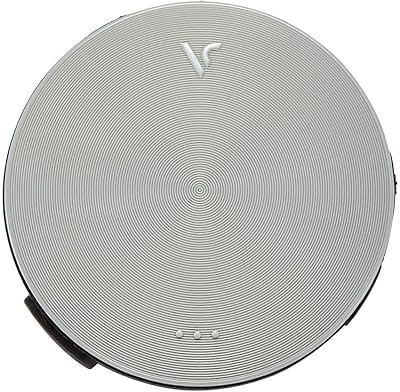
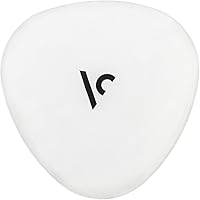
The Voice Caddie VC300 Golf GPS Device takes a refreshingly simple approach to on-course yardage: it just talks to you. No screen to squint at, no buttons to fumble mid-round — this voice GPS clip announces front, center, and back distances audibly, letting you keep your eyes where they belong. With 22,000+ preloaded courses and automatic hole recognition, it's ready to go almost anywhere in the world without any manual fussing at the first tee. The device clips to a visor or belt and weighs almost nothing. For casual and mid-level golfers who want useful yardage data without complexity, it's a genuinely practical option.
Features & Benefits

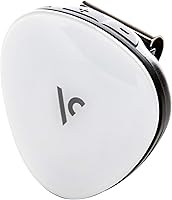
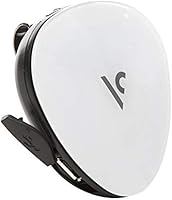
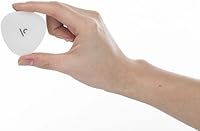
What sets the VC300 apart from screen-based competitors is how little it demands of you. Press a button and it reads out front, center, and back yardages in a clear spoken voice — you never have to break your pre-shot routine. The shot distance feature is a nice addition, helping you build a real sense of how far you actually hit each club over time. Volume control is a small but thoughtful touch for windy days or crowded courses. At just over two inches square and barely half an inch thick, this hands-free golf GPS sits unobtrusively on your belt or visor. Nine hours of battery life means it won't quit on you before the back nine.

Best For

This hands-free golf GPS is a natural fit for golfers who'd rather listen than look. If you've ever fumbled with a handheld GPS mid-fairway or strained to read a tiny screen in bright sunlight, the audio-only approach will feel like a relief. Senior golfers in particular tend to appreciate the spoken readouts, and anyone with vision challenges will find it genuinely useful. It also works well as a lightweight backup device alongside a laser rangefinder — carry both, use what suits the shot. The one caveat: golfers who crave detailed hole layouts, hazard maps, or shot-tracking analytics will outgrow it quickly. It solves one problem really well, and only that one.

User Feedback

Owners of the VC300 are generally positive, with ease of use topping most comments — many golfers report being up and running within minutes of unboxing, no app, no Wi-Fi, no fuss. The voice clarity gets consistent praise too. Where things get mixed is course database coverage: well-known courses in North America and Europe tend to work without a hitch, but some users have found gaps with smaller regional or international layouts. Battery life appears to hold up in practice, with most rounds finishing well before any low-power warning. A handful of buyers mention the clip feeling a bit flimsy over time, so long-term durability is a fair question mark for frequent players.

Pros

  • No subscription fees or app pairing required — just clip it on and start playing.
  • Spoken yardage keeps your eyes up and your pre-shot routine intact.
  • Batteries are included, and setup takes minutes right out of the box.
  • Nine hours of battery life comfortably handles even the slowest 18-hole round.
  • The clip-on form factor adds almost no weight or bulk to your visor or belt.
  • Automatic hole recognition transitions between holes without any button input.
  • Shot distance measurement helps you track real carry distances over time.
  • Volume control makes the device adaptable from quiet early mornings to windy afternoon rounds.
  • At its price point, this voice GPS clip delivers solid core functionality without ongoing costs.
  • Course coverage works reliably on the vast majority of established courses in major golf markets.

Cons

  • The clip mechanism can loosen or wear out with frequent use, especially on thicker visor brims.
  • No visual display means zero access to hole layouts, hazard positions, or green detail.
  • Course database reflects a 2015 snapshot, with gaps for newer or lesser-known international tracks.
  • Automatic hole recognition occasionally misreads non-linear or executive course routing.
  • Cold weather noticeably reduces effective battery life compared to the rated nine hours.
  • There is no detailed battery indicator, so remaining charge can be difficult to gauge mid-round.
  • Maximum volume may still feel insufficient in strong wind or noisy cart-path environments.
  • No companion app or software means users have no practical way to manually update course data.
  • Shot distance measurement requires precise button timing and can be inconsistent with weak GPS signal.
  • Compared to current screen-based GPS devices at a similar price, the feature set is increasingly narrow.

Ratings

The scores below reflect AI-driven analysis of verified global buyer reviews for the Voice Caddie VC300 Golf GPS Device, with spam, incentivized, and bot-generated submissions actively filtered out before scoring. Each category captures both the genuine enthusiasm and the recurring frustrations real golfers have shared after using this hands-free GPS clip across a wide range of courses and skill levels. Nothing is smoothed over — where the VC300 earns high marks, the data supports it; where it falls short, that shows up in the numbers too.

Ease of Use
93%
Golfers across all skill levels consistently highlight how little learning curve this device has — clip it on, power it up, and it starts talking. No menus to navigate, no smartphone pairing required. Many buyers specifically mention recommending it to older family members for exactly this reason.
Because the interface is so stripped back, there is no real way to override automatic hole recognition if it misreads your position on an unusual layout. A small number of users find this lack of manual control mildly frustrating when the device skips a hole or lags behind.
Voice Clarity & Audio Quality
88%
The spoken yardage announcements are generally described as crisp and easy to understand, even at lower volume settings. Golfers playing in moderate wind report hearing the readouts clearly without needing to crank the volume, which keeps things unobtrusive for fellow players.
In genuinely noisy conditions — strong gusts, busy cart paths, or loud groups nearby — some users feel the maximum volume still comes up short. The audio profile also has a slightly mechanical edge that a handful of reviewers find less natural than expected.
GPS Accuracy
79%
21%
For well-mapped courses across North America and Western Europe, yardage figures tend to align closely with course signage and rangefinder readings. Many mid-handicap golfers report trusting the VC300 numbers enough to make genuine club decisions based on what it tells them.
Accuracy wobbles noticeably on courses with less detailed mapping in the database, and a few users have caught front or back yardage figures that felt slightly off compared to marked sprinkler heads. It is reliable enough for casual rounds but may not satisfy golfers who obsess over precise distance data.
Course Database Coverage
74%
26%
Over 22,000 courses preloaded is a meaningful number, and for most golfers playing established layouts in popular golf markets, coverage works without issue. Travelers playing in major golf destinations like Scotland, Spain, or Florida generally report finding their courses without a problem.
Smaller municipal tracks, newer course openings post-2015, and certain Asia-Pacific or Latin American layouts have produced complaints about missing or outdated hole data. This is partly a product-age issue — the database reflects a 2015 snapshot — and Voice Caddie's update cadence has not satisfied every user.
Automatic Hole Recognition
82%
18%
When it works, automatic hole detection is genuinely convenient — the device transitions between holes without any input, which keeps your rhythm intact during a round. A solid majority of buyers say it handles standard course routing accurately and consistently.
Par-3 courses, executive layouts, and tracks with non-linear routing occasionally trip up the algorithm, causing the device to advance incorrectly or stay on the wrong hole. Users who play non-traditional courses more often find themselves double-checking the readout before committing to a club.
Battery Life
86%
Real-world battery performance closely tracks the rated nine hours for most buyers, which means a full 18-hole round — even a slow one — rarely drains the device completely. Golfers who play 36 holes in a day report making it through with some charge to spare.
Cold-weather rounds appear to reduce effective battery performance noticeably, with a few users in northern climates reporting shorter life during early spring or late fall play. The device also lacks a detailed battery indicator, so it can feel like guesswork knowing exactly how much charge remains.
Build Quality & Durability
62%
38%
The device itself is light enough that you barely notice it clipped to a visor or belt loop, and the plastic shell handles routine bumps and drops on the course adequately for most casual users. Many buyers have reported using the same unit for multiple seasons without failure.
The clip mechanism is the most consistently criticized element — several buyers describe it loosening over time or failing to grip securely on thicker visor brims. For golfers with an active swing or who frequently reposition the device, clip wear becomes a real concern within a year or so of regular use.
Shot Distance Measurement
71%
29%
Having a built-in shot tracking function at this price point is a genuinely useful addition, and golfers working on course management say it helps them build a clearer picture of their actual carry distances over multiple rounds rather than relying on guesswork.
The shot measurement workflow requires a manual button press at the right moment, which some golfers find disruptive mid-round. Accuracy can also vary depending on GPS signal strength at the moment of measurement, making it less reliable than a dedicated launch monitor or rangefinder for dialing in exact distances.
Value for Money
84%
At its price point, this voice GPS clip delivers a focused, working product without subscription fees or hidden costs, which buyers consistently flag as a meaningful advantage over GPS services that require annual renewals. For occasional golfers or those new to GPS devices, the cost-to-utility ratio feels fair.
Golfers who eventually want more — visual displays, hazard mapping, green undulation data — will find themselves shopping again sooner rather than later. Compared to similarly priced screen-based GPS watches entering the market, the VC300 starts to look limited in scope for the price.
Setup & Onboarding
91%
Out of the box experience is genuinely painless — batteries are included, there is no app to download, and no account registration required. Most buyers report being fully operational on the first tee within a few minutes of opening the package, which is a meaningful differentiator.
Because there is no companion app or PC software mentioned in setup materials, users who want to manually update the course database or customize settings have very limited options. If the device does not recognize your course automatically, there is no easy workaround available to the average user.
Comfort & Wearability
87%
Weighing less than nine ounces and designed to sit flat against a belt or visor, the VC300 adds almost no physical burden during a round. Golfers who dislike the wrist fatigue of GPS watches, or the pocket bulk of handheld units, tend to appreciate this clip-on format.
Clip positioning on a visor can affect how securely the device sits depending on the brim thickness and angle of the hat. A few users mention the device shifting position slightly during their backswing when worn on a visor, which becomes a minor irritant over 18 holes.
Hands-Free Operation
89%
The core promise of eyes-up, hands-free yardage is largely delivered. Being able to hear your distance while addressing the ball — without pulling anything out of your pocket or glancing at your wrist — genuinely supports better pre-shot focus for many golfers who have made the switch.
Truly hands-free operation depends on wearing the device correctly and having automatic hole recognition behave accurately. When it misreads a hole, correcting it does require manual button interaction, which temporarily breaks the hands-free workflow the product is built around.
Portability
92%
At barely two inches square, this hands-free golf GPS packs into a golf bag side pocket without any thought. Golfers who travel frequently and want a GPS option that clears security without a second look appreciate how inconspicuous and lightweight the unit is.
There is no carrying case included, and the plastic shell offers minimal protection if the device rattles around loose in a bag pocket over time. A simple pouch would have been a practical addition given how much the device gets moved between rounds.
Longevity & Long-Term Value
58%
42%
Some buyers report using the same VC300 unit for five or more years, which speaks to the basic reliability of the hardware. For golfers who play a small circuit of familiar courses, the device can remain useful well past its initial purchase.
With a model year of 2015 and no evidence of ongoing database updates at the same pace as newer competitors, the VC300 is showing its age against current alternatives. Golfers who pick it up today should consider that course coverage and feature parity with modern devices will only widen over time.

Suitable for:

The Voice Caddie VC300 Golf GPS Device is a genuinely good fit for golfers who want useful yardage information delivered in the simplest way possible. Senior players, in particular, tend to thrive with this format — no tiny screen to squint at, no app to configure, just a spoken number before each shot. Visually impaired golfers or anyone who finds handheld GPS units fiddly mid-round will appreciate how little the device asks of them. Casual weekend players and mid-handicappers who want to make smarter club decisions without turning every round into a data exercise will find this voice GPS clip hits a practical sweet spot. It also works well as a no-fuss backup device for golfers who already carry a laser rangefinder and just want quick distance confirmation without pulling anything out of their bag. Anyone who plays regularly on well-known courses in North America or Europe and has no interest in paying an annual GPS subscription should find the VC300 covers their needs cleanly.
Not suitable for:

Golfers who rely on visual course data — hole layouts, hazard distances, green shapes — will find the VC300 a frustrating dead end, since it communicates exclusively through audio with no display whatsoever. Competitive players or low-handicappers who want precise, layered distance data to manage complex approach shots are likely to outgrow this hands-free golf GPS quickly and should consider a GPS watch or a more advanced handheld unit instead. The device's model year is 2015, and while the hardware still functions, its course database reflects a snapshot from that era — golfers who frequently play newer layouts or courses in less-covered regions like parts of Asia, Latin America, or smaller domestic markets may run into missing or outdated hole data. Anyone who regularly plays non-linear or executive-style courses should also be cautious, as automatic hole recognition can struggle with unusual routing. Finally, buyers who want a device that will grow with them over years through regular software or database updates should look elsewhere, as the VC300 has limited upgrade paths.

Specifications

  • Brand: Manufactured by Voice Caddie, a brand specializing in audio-based golf GPS technology.
  • Model: Part number VC300SE, commonly referred to as the VC300, released with a model year of 2015.
  • Technology: Uses GPS satellite positioning to determine course location and calculate yardage distances in real time.
  • Audio Output: Delivers front, center, and back yardages via a built-in speaker with adjustable volume control.
  • Course Database: Comes preloaded with data for more than 22,000 golf courses worldwide, with automatic course and hole recognition.
  • Battery Life: Rated for up to 9 hours of continuous use on a full charge, sufficient to cover a standard 18-hole round.
  • Included Components: Ships with batteries included, requiring no additional purchase before first use.
  • Dimensions: The device measures 2.1″ x 0.5″ x 2.1″, making it one of the more compact GPS units in its category.
  • Weight: Weighs 8.48 ounces, light enough to wear on a visor or belt without noticeable added bulk during play.
  • Mounting Type: Designed with a built-in clip that attaches to a golf visor brim or belt loop for hands-free wear.
  • Material: Housing is constructed from plastic, keeping overall weight low while providing basic protection against routine handling.
  • Color: Available in white, identified under the VC300 variant designation.
  • Shot Measurement: Includes a shot distance measurement function that calculates how far a ball was struck from the previous position.
  • Connectivity: Operates as a standalone device with no Bluetooth pairing, Wi-Fi, or smartphone app required for core functionality.
  • Subscription Fees: No ongoing subscription or annual fee is required to access course data or device features.
  • Sport Type: Designed exclusively for use on the golf course and is not intended for other GPS or navigation applications.
  • Package Dimensions: Retail packaging measures approximately 8.31″ x 5.75″ x 5.51″ with a package weight of 0.29 kilograms.
  • BSR Ranking: Holds a Best Sellers Rank of #34 in the Golf Course GPS Units category on Amazon at time of listing.

Related Reviews

Voice Caddie T9 GPS Golf Watch
74%
88%
GPS Distance Accuracy
84%
Slope Mode Usefulness
82%
Green Undulation & Putt View
61%
Battery Life
67%
Touchscreen Responsiveness
More
Voice Caddie G1 Golf GPS Watch
74%
82%
GPS Accuracy
88%
Slope Calculation
79%
Green Undulation Data
63%
Touchscreen Usability
58%
Battery Life
More
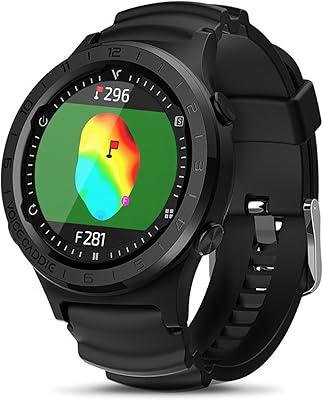
Voice Caddie VC4 Golf GPS Watch
82%
88%
Voice Output Accuracy
91%
Yardage Accuracy
93%
Ease of Setup & Use
74%
Auto Slope Performance
79%
Battery Life
More
Voice Caddie T11 Pro GPS Golf Watch
82%
93%
Display Quality
78%
GPS Accuracy
88%
Green Undulation & Slope
91%
Course Library
86%
Value for Money
More
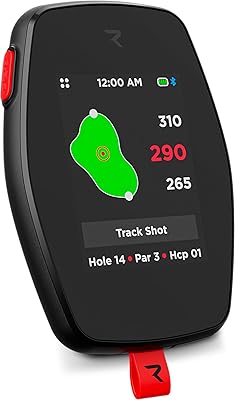
Rad Golf Hand+ Handheld Golf GPS
78%
74%
GPS Accuracy
81%
Touchscreen Responsiveness
93%
No-Subscription Value
78%
Shot & Stat Tracking
76%
Green View Quality
More
Voice Caddie A3 Golf Watch
84%
90%
GPS Accuracy
88%
Slope Adjustment Feature
85%
Green Undulation Data
75%
Battery Life
92%
Display/Screen Visibility
More
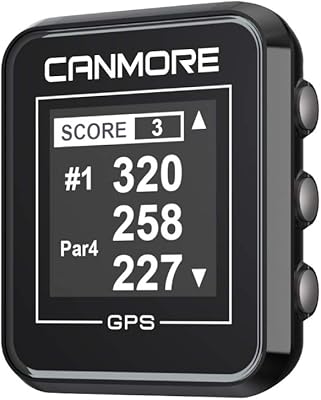
Canmore H300 Handheld Golf GPS
75%
83%
Value for Money
76%
Course Database Coverage
74%
GPS Accuracy
88%
Ease of Use
81%
Display Readability
More
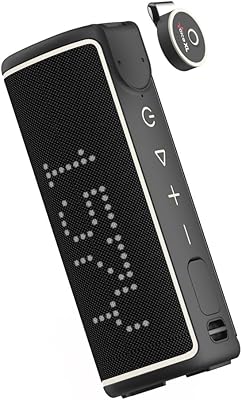
GolfBuddy Voice XL Golf GPS Speaker
68%
74%
Audio Quality
61%
GPS Accuracy
54%
App Connectivity & Reliability
83%
Remote Controller Usability
81%
Magnetic Cart Mount
More
SkyCaddie SX400 Handheld Golf GPS
78%
91%
Screen Clarity & Display Quality
88%
Course Map Accuracy
86%
Course Database Breadth
89%
HoleVue Graphics & Visualization
83%
IntelliGreen Pro Putting Aid
More
SkyCaddie SX500 Handheld Golf GPS
77%
92%
Course Map Accuracy
89%
Screen Readability
88%
Target & Hazard Data Depth
86%
Battery Life
78%
Ease of Use & Interface
More

FAQ

No, and that is genuinely one of its strongest points. The Voice Caddie VC300 Golf GPS Device works entirely on its own — no app, no Bluetooth pairing, no Wi-Fi setup. Pop in the batteries, turn it on, and it finds your course automatically.
The device uses GPS positioning to detect your location on the course and automatically identifies both the course and the hole you are playing. It transitions between holes on its own as you move through the round. That said, if you are playing a course with an unusual or non-linear layout, the automatic recognition can occasionally lag or misread your position.

Yes, the preloaded database covers more than 22,000 courses worldwide, so coverage extends well beyond North America. Major golf destinations in Europe, Australia, and parts of Asia are generally well represented. However, newer courses built after the 2015 database snapshot and some smaller regional layouts in less-covered markets may not be included.

For most conditions, yes. The volume control lets you adjust output to suit your environment, and the majority of golfers find it clear enough in calm to moderate conditions. In strong wind or on busy cart paths, a few users have noted that even the maximum volume can feel a little quiet.

It holds firmly on most standard visor brims, but results can vary depending on brim thickness and shape. Some golfers find the clip perfectly secure all round, while others — particularly those with an aggressive swing or a thicker visor — report occasional shifting. The belt clip option tends to feel more stable if visor fit is a concern.

In most conditions, yes. The rated nine hours covers a standard 18-hole round with time to spare for slower rounds or delays. The one caveat worth knowing is that cold weather can reduce effective battery life, so golfers playing in early spring or late autumn should keep that in mind.

It can handle the basic job of giving you a distance to the green, but it is not quite the same thing. A laser rangefinder locks onto a specific flag or target with precision; this voice GPS clip gives you front, center, and back yardages based on GPS positioning. Many golfers use both — the GPS for general distance awareness and the rangefinder for precise flag targeting when it matters most.

This is an honest limitation of the VC300. There is no companion app or PC software pathway widely documented for manually updating the course database, and the preloaded data reflects a 2015 snapshot. For golfers who stick to established courses, this is rarely a problem, but if you frequently play newer layouts or travel to off-the-beaten-path destinations, you may encounter missing or outdated hole data.

When you press the designated button at the spot where your ball lands, the device calculates the distance from your last recorded position — essentially telling you how far that shot traveled. It is a handy way to build a more accurate picture of your real carry distances over multiple rounds, though it requires timely button input to work correctly.

Generally yes — audio GPS devices that provide distance information only are permitted under the Rules of Golf when a Local Rule allowing distance-measuring devices is in effect. However, rules can vary by tournament and club, so it is always worth checking with the specific competition committee before using any electronic device in a formal competitive round.

Where to Buy