Overview

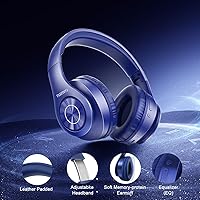
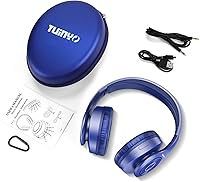
The TUINYO TP19 Wireless Over-Ear Headphones are a solid entry into the budget wireless space, targeting commuters and casual listeners who want reliable audio without spending a lot. The dark blue variant reviewed here has a clean, understated look that does not feel cheap at a glance. What stands out immediately is the claimed 40-hour battery life — unusually generous for the price tier — paired with Bluetooth 5.1 and a 3.5mm wired fallback for those moments when the battery runs low. A protective carrying case is included, which is a practical touch you do not always get at this price point.

Features & Benefits

The 40mm dynamic drivers in this over-ear headset are tuned with a noticeable bass emphasis — not reference-flat, but warm and full-sounding in a way that works well for pop, hip-hop, and casual listening. Pairing is quick via Bluetooth 5.1 and stays stable up to around 15 meters, which covers most real-world scenarios. The memory-protein ear cushions are genuinely soft and do not cause the heat buildup during long sessions that cheaper foam cups tend to. The stainless steel headband slider adds structural confidence, and when the battery runs dry, the detachable cable keeps playback going without interruption.

Best For

These wireless headphones make the most sense for students, commuters, and budget-conscious listeners who need all-day wearability without babysitting a charging cable. The wired backup option is a genuine differentiator — if you are on a long flight and the battery dips, you are not suddenly left in silence. Travelers will appreciate the included hard case, which offers real protection rather than the flimsy pouches some rivals include. That said, if you need a headset for professional calls in loud open offices, the TP19 is not the right tool. This is an entry-level option that punches respectably for its price, not a premium all-rounder.

User Feedback

Across a large pool of reviews, comfort and battery life come up consistently as highlights — people report wearing these for four to six hours without discomfort, which is not always a given at this price. Sound quality earns mostly positive responses from everyday listeners, with the bass-forward tuning landing well for casual use. The microphone is where things get more mixed; in quiet environments it works adequately for calls, but background noise bleeds through noticeably in busier settings. A few buyers flagged the plastic feel as less sturdy than expected, though actual breakage reports remain rare. The protective case is frequently praised as a standout inclusion.

Pros

  • Battery life of up to 40 hours means most users go several days between charges during normal use.
  • The memory-protein ear cushions stay comfortable through long study or work sessions without causing heat buildup.
  • Bluetooth 5.1 pairs quickly and holds a stable connection across typical daily environments.
  • A detachable 3.5mm cable means you can keep listening even when the battery runs completely dry.
  • The included hard shell case offers real protection — not the flimsy pouch many rivals bundle in.
  • The stainless steel headband slider feels durable and holds its position well across different head sizes.
  • Bass response is punchy and satisfying for casual listening, especially in hip-hop and pop genres.
  • These wireless headphones deliver strong value when measured against what you actually receive in the box.
  • Bluetooth range covers most real-world indoor scenarios reliably without frequent dropouts.
  • Quick 2 to 2.5 hour charge time means a short break is usually enough to top up the battery.

Cons

  • The built-in mic struggles noticeably in noisy environments, making calls in cafes or transit unreliable.
  • Charging via micro-USB feels dated for buyers who have already standardized on USB-C across their devices.
  • The plastic ear cup housing feels hollow and shows surface scuffs earlier than the price tag might suggest.
  • There is no active noise cancellation, so loud environments like subway trains bleed through considerably.
  • Sound tuning is too bass-heavy for anyone who values midrange clarity or listens to acoustic and vocal-forward music.
  • The TP19 does not fold flat, making it bulkier in a bag than more compact foldable rivals.
  • Button feedback is mushy and hard to distinguish by touch, leading to frequent accidental input errors.
  • Clamping force is firm out of the box and takes noticeable break-in time before feeling truly comfortable.
  • Real-world battery life at higher volumes falls short of the 40-hour advertised figure by a meaningful margin.
  • The included audio cable feels thin and may develop connectivity issues at the jack after extended use.

Ratings

The TUINYO TP19 Wireless Over-Ear Headphones were evaluated by our AI system after parsing thousands of verified global purchases, actively filtering out incentivized reviews, duplicate submissions, and suspicious rating patterns. What remains reflects genuine buyer sentiment — the real highs and the honest frustrations. Scores are distributed across key decision factors so you can quickly see where these wireless headphones shine and where they fall short.

Battery Life
91%
For a headset at this price, 40 hours of playback is genuinely hard to argue with. Commuters and students report going several days between charges during normal use, which removes the low-battery anxiety that plagues cheaper alternatives.
A handful of users note that real-world battery life dips closer to 32–35 hours at higher volumes, which is still strong but slightly below the advertised figure. No major outliers, but worth setting realistic expectations.
Comfort & Fit
86%
The memory-protein ear cushions are frequently called out as a standout feature, especially by buyers who wear glasses or have wider heads. Long listening sessions of four to six hours are commonly reported without significant discomfort or heat buildup.
A smaller segment of users with larger ears find the cups a bit shallow, creating mild pressure over extended wear. The clamping force is on the firmer side out of the box, which takes a few days to loosen up naturally.
Sound Quality
74%
26%
Bass response is where these wireless headphones earn their keep — genres like hip-hop, pop, and electronic music sound punchy and full. Casual listeners consistently report being pleasantly surprised by the audio output relative to the price tier.
Audiophiles and anyone expecting balanced, reference-quality sound will find the tuning too bass-heavy and the mid-range somewhat recessed. Vocals and acoustic instruments lack the clarity that even modestly pricier rivals can deliver.
Microphone Quality
58%
42%
In quiet indoor environments the built-in mic performs adequately for short calls and voice assistant commands. Several buyers working from home in calm settings report that call recipients could hear them clearly enough for everyday conversations.
Background noise handling is a recurring complaint — in cafes, public transit, or open offices, the mic picks up surrounding sounds too aggressively. This is arguably the TP19s weakest point and makes it a poor choice for anyone who takes frequent professional calls.
Build Quality
67%
33%
The stainless steel headband slider adds a reassuring solidity to the overall structure, and most buyers report no creaking or loosening after months of daily use. The headset feels more durable than its lightweight frame suggests.
The plastic used on the ear cup housings has a hollow, budget feel that undermines first impressions. A few users noted scuffing and minor finish wear appearing sooner than expected, particularly on the darker colorways.
Bluetooth Connectivity
83%
Pairing is quick and consistent across Android and iOS devices, and most users report zero dropouts during normal use within a standard room. Bluetooth 5.1 delivers noticeably more stable connections than older-spec headsets at similar prices.
Range claims of 15 meters are optimistic in real environments — walls and obstructions reduce reliable range to around 8–10 meters in practice. A small number of users report occasional stuttering when the source device is in a pocket during movement.
Wired Mode
88%
The detachable 3.5mm cable is a practical lifeline that frequent flyers and long-haul travelers genuinely appreciate. Switching from wireless to wired is instant, and the audio quality in wired mode holds up well without any noticeable degradation.
The included cable is functional but feels thin and a bit flimsy — a few buyers replaced it after it developed intermittent connectivity issues at the jack connector over time. It does the job, but it is not a premium cable by any measure.
Value for Money
89%
Measured against what you actually get — 40-hour battery, carrying case, wired fallback, and genuine comfort — the price-to-feature ratio is hard to beat in this segment. Most buyers explicitly state they exceeded their expectations given the cost.
If your budget stretches even a little higher, competing options offer noticeably better microphone performance and more balanced sound. The value proposition is strongest specifically for buyers with strict budget constraints.
Noise Isolation
63%
37%
The closed-back over-ear design provides reasonable passive isolation that works well in moderately noisy settings like buses or light office chatter. Several users mention it helps them stay focused during study sessions without needing active noise cancellation.
There is no active noise cancellation, and the passive seal is inconsistent depending on head shape and fit. In louder environments like subway trains or busy airports, significant ambient sound bleeds through, which limits usefulness during commutes.
Portability & Packaging
81%
19%
The included hard shell carrying case is a genuine bonus that buyers repeatedly mention with appreciation. It keeps the headset protected in a backpack without adding meaningful bulk, which matters for students and travelers.
The TP19 does not fold flat — it only swivels slightly — making it bulkier in the case than foldable rivals. For anyone with a tightly packed bag, this is a minor but real inconvenience compared to more compact designs.
Charging Speed
77%
23%
A full charge in roughly 2 to 2.5 hours is a reasonable turnaround and fits comfortably into a lunch break or a short work session. Most buyers find the charging time fast enough that it rarely becomes an issue in daily routines.
The headset charges via micro-USB rather than USB-C, which frustrates buyers who have already moved their entire setup to USB-C cables. It is a small thing but comes up consistently in recent reviews as a dated choice.
Controls & Usability
72%
28%
The physical button layout is straightforward and easy to learn within a day or two. Volume, playback, and call controls are accessible without fumbling, and voice assistant activation works reliably on both iOS and Android.
Button feedback is mushy and hard to distinguish by touch alone, leading to accidental skips or volume changes during commutes. Users who prefer tactile, clicky controls will find the experience frustrating until the layout becomes muscle memory.
Headband Adjustability
79%
21%
The stainless steel slider mechanism moves smoothly and holds its position well, accommodating a wide range of head sizes without slipping mid-use. Buyers with both smaller and larger heads report finding a comfortable setting without difficulty.
The adjustment increments are not stepped or notched, so the fit can shift slightly during vigorous movement. It is a minor complaint in normal listening scenarios but may bother users who wear the headset during workouts or active commutes.

Suitable for:

The TUINYO TP19 Wireless Over-Ear Headphones were clearly built with a specific type of buyer in mind, and for that buyer, the fit is remarkably good. Students who spend long hours studying, commuting, or attending online classes will find the combination of all-day comfort and a battery that rarely needs charging genuinely freeing. Commuters who toggle between subway rides and desk work will appreciate having a wired fallback — it removes the stress of arriving at work with dead headphones. Casual music fans who love bass-heavy genres like hip-hop, R&B, or electronic will find the sound tuning rewarding rather than disappointing. Budget-conscious travelers who want a headset that survives a backpack without a dedicated case will also get real mileage from the included hard shell carry case. Essentially, anyone stepping into over-ear wireless audio for the first time and wanting a practical, do-most-things-well option at a tight budget is exactly who this headset was made for.

Not suitable for:

The TUINYO TP19 Wireless Over-Ear Headphones are not the right answer for everyone, and being honest about that saves frustration. If you rely heavily on your headset for professional video calls, client meetings, or remote work in busy environments, the built-in microphone will let you down — background noise handling is weak enough to become a real problem. Audio enthusiasts or anyone who has spent time with mid-range or premium headphones will find the bass-skewed sound signature limiting, particularly on vocals, jazz, classical, or anything where detail and balance matter. The micro-USB charging port is increasingly out of step with modern setups, and buyers who have fully moved to USB-C will find themselves digging out old cables. Gym users and outdoor athletes should also look elsewhere — there is no water or sweat resistance, making these wireless headphones a risky investment for active use. If your budget allows even a modest upgrade, the jump in microphone performance and sound balance from competing options at a slightly higher price point is noticeable enough to be worth considering.

Specifications

  • Driver Size: Each ear cup houses a 40mm dynamic driver tuned for an emphasized low-frequency response.
  • Bluetooth Version: The headset uses Bluetooth 5.1 for faster pairing and a more stable wireless connection compared to older standards.
  • Bluetooth Range: Wireless range reaches up to 15 meters in open space, though walls and obstructions will reduce this in practice.
  • Battery Capacity: An 800mAh lithium polymer battery powers the headset and is fully integrated into the ear cup housing.
  • Battery Life: Rated at up to 40 hours of playback on a full charge at moderate volume levels.
  • Charging Time: The battery reaches a full charge in approximately 2 to 2.5 hours via the micro-USB port.
  • Charging Port: Charging is handled through a micro-USB port, not USB-C.
  • Connectivity: The headset supports both Bluetooth wireless operation and wired playback via a detachable 3.5mm audio cable.
  • Impedance: Electrical impedance is rated at 32 Ohm, making it compatible with standard smartphones and portable devices without an amplifier.
  • Weight: The headset weighs 259g (9.1 oz), which sits within the typical range for over-ear wireless models.
  • Dimensions: Overall folded dimensions measure approximately 7.09″ x 6.30″ x 3.54″.
  • Ear Cushions: Cushions are constructed from memory-protein leather, a synthetic material designed to mimic the softness and texture of skin.
  • Headband: The headband uses a stainless steel slider mechanism with a padded outer layer for structural durability and adjustable sizing.
  • Microphone: A built-in omnidirectional microphone supports hands-free calls and voice assistant activation on compatible devices.
  • Water Resistance: The headset carries no official water or sweat resistance rating and should be kept away from rain and moisture.
  • Included Accessories: Each unit ships with a detachable 3.5mm audio cable and a hard shell protective carrying case.
  • Audio Driver Type: The drivers use a dynamic (moving coil) design, which is standard for consumer over-ear headphones in this category.
  • Warranty: TUINYO provides a 30-day hassle-free return window and a one-year limited manufacturer warranty on the hardware.

Related Reviews
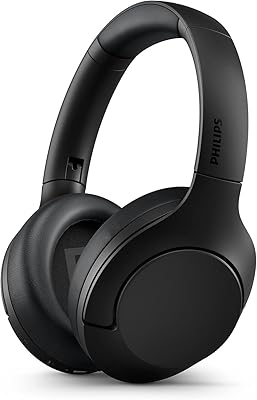
Philips H8506 Over-Ear Wireless Headphones
84%
92%
Battery Life
88%
Noise Cancellation
85%
Sound Quality
80%
Comfort & Fit
78%
Bluetooth Connectivity
More
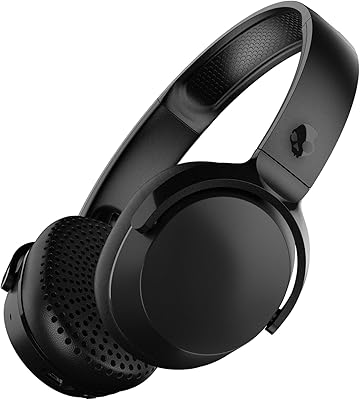
Skullcandy Riff Wireless
77%
74%
Sound Quality
88%
Battery Life
91%
Quick Charge
83%
Comfort & Fit
69%
Build Quality
More
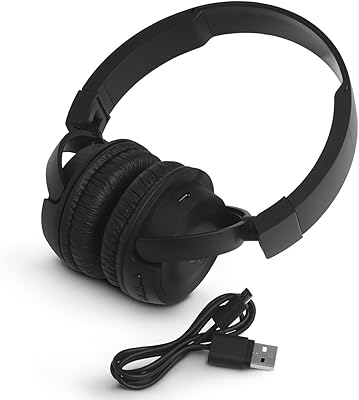
JBL T450BT
JBL T450BT
69%
78%
Sound Quality
83%
Battery Life
61%
Comfort & Fit
58%
Build Quality
63%
Bluetooth Connectivity
More
Skullcandy Cassette Wireless
77%
91%
Battery Life
88%
Value for Money
67%
Sound Quality
74%
Comfort & Fit
63%
Build Quality
More
Beats Solo3 Wireless On-Ear Headphones
84%
88%
Sound Quality
93%
Battery Life
85%
Comfort and Fit
80%
Build Quality
90%
Fast Charging
More
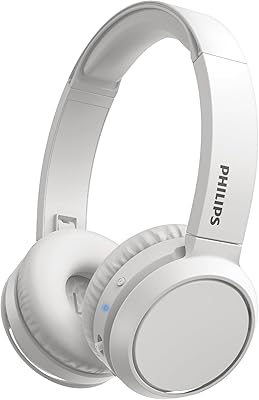
Philips TAH4205 On-Ear Wireless Headphones
77%
91%
Battery Life
88%
Value for Money
74%
Sound Quality
71%
BASS Boost Feature
63%
Comfort & Fit
More
Wentronic Y01
Wentronic Y01
75%
88%
Value for Money
84%
Battery Life
63%
Active Noise Cancellation
71%
Sound Quality
67%
Microphone Quality
More
TUINYO WH-960 Wireless Headphones
82%
85%
Sound Quality
90%
Comfort for Long Sessions
78%
Noise Cancellation Effectiveness
93%
Battery Life
65%
Build Quality
More
Edifier W600BT Wireless Over-Ear Headphones
84%
85%
Sound Clarity
88%
Comfort for Extended Use
91%
Battery Life
80%
Build Quality
72%
Noise Isolation
More
BAIHUAFRU B131 Wireless Over-Ear Headphones
87%
88%
Comfort
91%
Noise Cancellation
93%
Battery Life
84%
Sound Quality
89%
Portability
More

FAQ

Long-press the power button until the indicator light starts flashing, which signals the headset is discoverable. Then open the Bluetooth settings on your phone or laptop and select it from the device list. The whole process usually takes under 30 seconds the first time.

You can, but only if your TV has built-in Bluetooth — which many older models do not. If your TV lacks Bluetooth, you will need a separate Bluetooth audio transmitter plugged into the TV's headphone or optical jack. The 3.5mm wired mode also works if your TV has the right output port.

Yes, that is one of the more practical features of this over-ear headset. Plugging in the included 3.5mm cable bypasses the battery entirely, so you can keep listening even at zero charge. It is a genuinely useful fallback for long flights or commutes.

In quiet environments — a home office, a calm room — the mic is perfectly adequate for calls and voice commands. The trouble starts in noisier settings like public transit or busy cafes, where ambient sound bleeds through noticeably. If you take a lot of calls in loud places, the mic will likely frustrate you.

The ear cushions are not officially sold as replaceable parts by TUINYO, but the cups use a standard attachment that is compatible with many third-party replacement pads sold online. If the cushions degrade after extended use, a compatible aftermarket pair is usually easy to find and swap in.

A full charge takes roughly 2 to 2.5 hours, which is fast enough to top up during a lunch break. The headset uses a micro-USB cable — not USB-C — so if your other devices have moved on, you may need to dig out an older cable or pick up a spare.

Most glasses wearers report a comfortable experience, largely because the memory-protein cushions are soft enough to accommodate the arms of a glasses frame without creating painful pressure points. That said, thicker or sportier frames may cause some discomfort during very long sessions, so your specific glasses shape matters.

Yes, the TP19 retains pairing information for previously connected devices and will automatically reconnect to the last paired device when powered on. Switching between two devices manually just requires disconnecting from the active one and connecting from the new device's Bluetooth menu.

There is no companion app or onboard EQ adjustment for these wireless headphones. The sound profile is fixed — warm and bass-forward by design. If you want to fine-tune the audio, your best option is using an EQ app on your phone or laptop to compensate.

The headset is designed for general use across a wide age range, and the adjustable headband accommodates smaller heads reasonably well. However, there is no built-in volume limiter, so parents should manually set a safe maximum volume on the source device before handing it to a child to avoid prolonged exposure to high sound levels.