
Overview

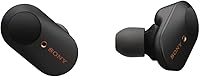
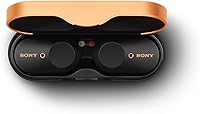
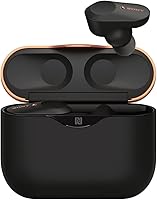
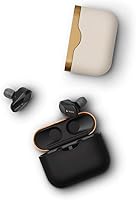
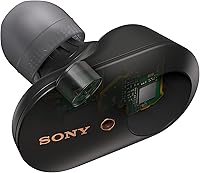
The Sony WF-1000XM3 Wireless Earbuds arrived in 2019 as Sony's third attempt at cracking the truly wireless ANC market — and they largely succeeded. While Sony has since moved on to newer generations, the WF-1000XM3 remains widely available and surprisingly relevant, especially now that prices have softened since discontinuation. What set this noise-canceling set apart at launch was its simultaneous L/R transmission, which eliminated the connectivity relay lag common in earlier truly wireless earbuds. Battery life is a genuine strength too: eight hours on a charge, stretching to 24 hours total with the case, and a quick ten-minute top-up buys another 90 minutes when you're rushing out the door.

Features & Benefits

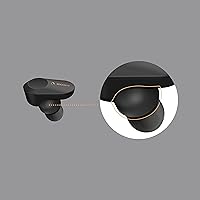
The noise cancellation here is driven by dual microphones on each earbud — one facing outward, one inward — working together to analyze and counter ambient sound in real time. The result is adaptive noise blocking that adjusts to your environment rather than applying a fixed filter. Audio quality benefits from 24-bit signal processing, which gives music noticeably more depth and texture than you'd expect from standard Bluetooth compression. Bluetooth 5.0 keeps the connection stable across a 10-meter range, and the touch controls let you manage playback, calls, and Alexa commands without fumbling for your phone. A double-tap gesture activates the mic for hands-free calls, and the beamforming mic keeps your voice clear even in noisy spaces.

Best For

These Sony earbuds are a strong pick for daily commuters and frequent travelers who spend real time in noisy environments — planes, trains, busy offices. The ANC does the heavy lifting so you're not constantly cranking volume to compensate. Remote workers who take a lot of calls will appreciate the hands-free setup; mic performance holds up well enough for professional conversations without sounding hollow. Alexa users get a natural fit here too, since voice commands work reliably without requiring a phone unlock. And if you're open to shopping a discontinued model, the WF-1000XM3 now often trades at a lower street price than at launch, making it a sharper value proposition than it once was.

User Feedback

With over 23,000 ratings and a 4.1-star average, the consensus on this noise-canceling set leans positive — but not without honest caveats. Recurring praise centers on how effective the ANC is in real-world conditions and how rich the audio sounds compared to rivals at a similar price point. Call quality earns consistent marks too. Where things get complicated is fit: a notable share of users report that without a proper eartip seal, ANC performance drops sharply — Sony flags this in the product notes. A smaller group encounters intermittent Bluetooth connectivity, though a quick power-cycle usually resolves it. Long-term owners rate it more generously than first-week users. Those weighing it against the XM4 successor will find that newer model adds water resistance and improved ANC, at a higher cost.

Pros

  • Adaptive ANC performs impressively in real-world noisy environments like trains and planes.
  • 24-hour total battery life with the case covers full travel days without anxiety.
  • Ten minutes of charging delivers 90 minutes of playback — genuinely useful in a rush.
  • 24-bit audio processing produces noticeably richer, more detailed sound than most wireless earbuds at this price.
  • Simultaneous L/R Bluetooth transmission keeps audio in sync without the relay lag of older truly wireless designs.
  • Beamforming mic keeps call audio clear and focused even in moderately noisy surroundings.
  • Alexa integration works reliably for voice commands, music control, and quick information lookups.
  • Touch panel controls are responsive and well-placed, reducing the need to reach for your phone.
  • Over 23,000 user ratings provide a deep, trustworthy pool of real-world performance feedback.
  • Discontinued status means stock is still available but often at reduced prices from reputable sellers.

Cons

  • No water or sweat resistance rating makes these Sony earbuds a risky choice for workouts or rainy commutes.
  • ANC effectiveness drops significantly if the eartips do not create a proper seal in your ear canal.
  • Some users report intermittent Bluetooth connectivity that requires manual resets to resolve.
  • The charging case is bulkier than competing options, making pocket carry less convenient.
  • Full recharge from empty takes around six hours, which is slow compared to newer rivals.
  • Being a discontinued model means no manufacturer warranty support and limited official service options.
  • No multi-point Bluetooth connection, so switching between two devices requires manual pairing steps.
  • The WF-1000XM3 lacks the LDAC high-resolution audio codec that Sony introduced in the successor model.
  • Touch controls can be overly sensitive, occasionally triggering unintended commands during earbud adjustments.
  • Long-term availability of replacement eartips may become harder to source as the model ages out of retail.

Ratings

Our AI rating system analyzed tens of thousands of verified global reviews for the Sony WF-1000XM3 Wireless Earbuds, actively filtering out incentivized, bot-generated, and outlier feedback to surface what real everyday users actually experience. The scores below reflect a balanced picture — genuine strengths are credited, but recurring frustrations are weighted honestly and not smoothed over. Whether you are deciding between generations or comparing against rival brands, these ratings are designed to give you a clear, unspun view of where this noise-canceling set earns its reputation and where it falls short.

Noise Cancellation
91%
The adaptive ANC is the single most praised aspect of these earbuds across global reviews. Commuters consistently report that subway and airplane cabin noise drops to a low hum, and office workers say it creates a convincing bubble of quiet even in open-plan spaces. The dual-microphone system adapts in real time rather than applying a fixed filter, which makes a noticeable difference in varied environments.
ANC performance is highly dependent on eartip seal — users who cannot get a snug fit report that noise isolation drops dramatically, sometimes to the point where the cancellation feels barely active. A small segment of reviewers also note that very high-pitched sounds, like certain machinery whines, break through more than expected.
Sound Quality
88%
The 24-bit audio signal processing gives the WF-1000XM3 a noticeably richer, more layered sound profile than most Bluetooth earbuds at a similar price point. Bass is full without being overblown, and mid-range clarity — particularly for vocals and acoustic instruments — draws consistent praise from music-focused reviewers who use these during long listening sessions.
Audiophiles expecting hi-res wireless audio will find this model limiting, as it lacks LDAC codec support — a feature Sony reserved for the successor. At high volumes, some users detect a slight compression in treble detail that would not satisfy those with a very trained ear.
Call Quality
79%
21%
The beamforming microphone performs reliably in moderate noise conditions — most callers on video calls or phone meetings report hearing the user clearly without significant wind or crowd bleed. The double-tap-to-answer gesture works intuitively once you get used to the touch sensitivity, which makes hands-free call management genuinely practical for remote workers.
In heavy outdoor noise — busy streets, construction zones, or crowded transit — call recipients do notice bleed-through that the mic cannot fully suppress. A subset of users also find the mic picks up handling noise from the earbud itself if you adjust it mid-call.
Battery Life
86%
Eight hours of standalone playback comfortably covers a full workday or a long-haul flight, and the 24-hour combined capacity with the case means most users go several days between case charges. The quick-charge feature — 90 minutes of playback from just 10 minutes plugged in — is a practical safety net that frequent travelers rely on heavily.
Enabling ANC continuously does shave battery life down from the advertised maximum, and heavy call use drains faster than music-only listening. The case itself takes around six hours to fully recharge, which is slow by current standards and can feel frustrating if you forget to plug in overnight.
Comfort & Fit
67%
33%
Users with average to slightly larger ear canals generally report a comfortable, secure fit for extended sessions — multiple eartip sizes in the box help most people find a workable match. Commuters who wear these for 2–3 hour stretches say fatigue is minimal compared to some rival in-ear designs with harder housings.
This is the most polarizing aspect in user reviews. People with smaller ear canals or irregular canal shapes struggle to achieve a seal, and without that seal the ANC underperforms significantly. A meaningful share of long-term owners report that even after eartip experimentation, the fit never felt fully secure during movement.
Bluetooth Stability
72%
28%
For the majority of users in typical environments — indoors, on transit, or in the office — the Bluetooth 5.0 connection is stable and the simultaneous L/R transmission eliminates the audio lag that plagued earlier truly wireless designs. Paired devices reconnect quickly on startup without manual intervention in most cases.
A persistent minority of reviewers report intermittent dropouts or pairing failures, particularly in crowded wireless environments like airports or city centers. The recommended fix — toggling Bluetooth off and back on — works but becomes tiresome when it happens regularly, and some units seem more prone to this than others.
Touch Controls
71%
29%
The touch panels are responsive and reasonably well-mapped — play, pause, volume, and call management are accessible without pulling out your phone. Alexa activation via touch works consistently for users in the Amazon ecosystem, making the controls feel genuinely functional rather than decorative.
Sensitivity is calibrated on the higher end, which means accidental triggers when adjusting the earbud position in your ear are common enough that multiple reviewers mention it specifically. There is no physical click feedback, so in loud environments you are sometimes guessing whether your tap registered.
Build Quality
77%
23%
The earbuds and case feel solid and premium in hand — the plastic housing does not flex or creak, and the contact points for charging show no premature wear in most long-term reviews. Sony's build consistency on this model is well above average for the category.
The case is bulkier than most competitors released since 2021, which makes pocket carry noticeably less convenient. Some users also note that the matte plastic finish on the case picks up scuffs and micro-scratches relatively quickly with daily use.
Water Resistance
38%
62%
For dry-environment use cases — office work, commuting in covered transit, or casual indoor listening — the lack of a water rating is entirely a non-issue. The earbuds hold up fine in controlled conditions, and most buyers who use them as intended never encounter a moisture problem.
There is no IPX rating whatsoever on this model, which is a significant gap compared to the XM4 and many rivals at lower price points. Light rain, heavy perspiration during workouts, or even a very humid commute carry real risk — this is not a limitation to overlook if you plan any active outdoor use.
App Experience
74%
26%
The Sony Headphones Connect app gives meaningful control over ANC intensity, EQ settings, and touch command customization — features that are genuinely useful rather than cosmetic. Users who take time to set up the app report that it noticeably improves their daily experience compared to default settings.
The app interface feels dated compared to competitors and has stability issues on some Android versions, with occasional crashes or failure to detect the earbuds. First-time setup can be unintuitive enough that some buyers skip it entirely and miss out on personalization features.
Voice Assistant Integration
76%
24%
Alexa integration is responsive and covers the core use cases well — music control, quick queries, timer setting, and smart home commands all work reliably over the earbud connection. For users already in the Amazon ecosystem, having a dedicated touch shortcut to Alexa without a wake word feels like a practical convenience.
Google Assistant support exists but feels secondary and is less tightly integrated than Alexa. Siri support on iOS is more limited still, so buyers outside the Amazon ecosystem may find the voice assistant experience underwhelming compared to what is advertised.
Value for Money
83%
Since being discontinued, the WF-1000XM3 often trades at a meaningfully lower price than at launch, which significantly improves its value proposition. Buyers who find it at a reduced street price are getting a genuinely capable ANC earbud with a well-established real-world performance record — fewer unknowns than a newer, less-reviewed model.
Purchased at or near original retail, the value equation gets tighter, particularly given the absence of water resistance, LDAC support, and the increasingly capable competition at lower price points. Buyers should compare current street prices carefully before assuming the discontinued status automatically means a bargain.
Portability & Case Design
62%
38%
The case keeps the earbuds protected and charges them reliably — contact alignment is consistent and the lid mechanism feels sturdy. For bag or backpack carry, the size is manageable and the case absorbs minor drops without visible damage in most user reports.
The case is noticeably larger and heavier than what competitors released in subsequent years, and front-pocket carry is uncomfortable for many users. Those coming from slimmer rival cases often cite this as a daily annoyance, particularly on warmer days when jacket pockets are not an option.
Long-Term Reliability
73%
27%
Long-term owners — those who have used the WF-1000XM3 for a year or more — rate the overall durability of the earbuds themselves positively, with few reports of driver degradation or sudden failures beyond the first few months. The Bluetooth hardware holds up well over time in most units.
Being a discontinued model introduces genuine long-term risk: manufacturer warranty support is no longer guaranteed, official repairs are harder to source, and future firmware updates are unlikely. Some users report that charging contact reliability decreases after 18 months or more of daily case cycling.

Suitable for:

The Sony WF-1000XM3 Wireless Earbuds are a strong match for anyone whose daily routine involves navigating genuinely loud environments — subway commuters, frequent flyers, and open-plan office workers will get the most out of the adaptive noise cancellation. Remote workers who split their day between focused listening and back-to-back calls will appreciate the beamforming mic and hands-free double-tap call management, which keeps interactions clean without constant phone handling. Alexa users already invested in that ecosystem will find the voice integration works reliably and naturally. Buyers who care deeply about audio quality — not just volume, but texture and detail in their music — will notice a meaningful difference from the 24-bit signal processing versus budget wireless alternatives. And since this model has been discontinued, bargain-minded shoppers willing to buy from reputable third-party sellers can often find the WF-1000XM3 at a more attractive price than it carried at launch, making the overall value proposition genuinely compelling.

Not suitable for:

The Sony WF-1000XM3 Wireless Earbuds are a harder sell for anyone with smaller or unusually shaped ear canals, since the ANC performance is heavily dependent on getting an airtight seal — if the eartips don't fit well, noise cancellation drops noticeably and no software setting fixes that. Gym-goers and outdoor runners should look elsewhere: there is no water or sweat resistance rating on this model, so even a heavy workout session carries real risk. Buyers who want the very latest in Sony's ANC technology — including the improved noise isolation, LDAC codec support, and IPX4 splash resistance that came with the XM4 — will find this older generation falls short on those fronts. People who rely on a single pair of earbuds across multiple devices and need fast, reliable multi-point switching may find the connection management frustrating. Finally, anyone who has experienced persistent Bluetooth pairing issues with past Sony products should note that a portion of long-term users report intermittent connectivity that, while usually fixable, is an ongoing inconvenience.

Specifications

  • Generation: These are third-generation truly wireless earbuds in Sony's WF-1000X noise-canceling lineup.
  • Driver Type: Each earbud uses a dynamic driver, which tends to produce warmer, fuller bass compared to balanced armature designs.
  • Noise Cancellation: Active noise cancellation is powered by dual microphones per earbud — one external, one internal — working together to adapt to changing ambient sound.
  • Bluetooth: Bluetooth 5.0 supports a stable wireless range of up to 10 meters and uses simultaneous left-and-right transmission to avoid the audio relay lag common in older truly wireless earbuds.
  • Battery Life: Each earbud lasts up to 8 hours on a single charge; the included carrying case extends total playback to approximately 24 hours before needing a recharge.
  • Quick Charge: A 10-minute charge in the case provides roughly 90 minutes of additional playback, which is useful when time is short.
  • Full Charge Time: Charging the case and earbuds from empty to full takes approximately 6 hours via the included USB cable.
  • Microphone: A built-in beamforming microphone focuses on your voice and reduces surrounding noise during phone and video calls.
  • Controls: Playback, calls, and voice assistant access are managed through touch panels on each earbud, with no physical buttons required.
  • Voice Assistant: Amazon Alexa is built in and activated by touch, allowing hands-free access to music, reminders, and information without unlocking your phone.
  • Frequency Response: Audio reproduction covers up to 20,000 Hz, spanning the full range of human hearing for both music and voice content.
  • Impedance: Rated at 140 Ohm, these earbuds are tuned for use with standard Bluetooth source devices rather than high-impedance amplifiers.
  • Water Resistance: There is no official water or sweat resistance rating on this model, so exposure to rain, heavy perspiration, or moisture should be avoided.
  • Item Weight: The combined earbud weight is 100 grams including the carrying case, which is on the heavier side compared to more recent compact alternatives.
  • Compatibility: These earbuds connect via Bluetooth to any Bluetooth-enabled device including smartphones, tablets, and laptops across iOS and Android platforms.
  • Included Items: The box includes the earbuds, a charging case, a USB charging cable, and multiple sizes of silicone eartips to help achieve a proper seal.
  • Eartip Fit: Correct eartip sizing is critical for both comfort and ANC performance, as a poor seal significantly reduces noise isolation effectiveness.
  • Product Status: This model has been officially discontinued by Sony but remains available through various third-party and marketplace sellers.

Related Reviews
Sony WF-C510 Truly Wireless Earbuds
85%
89%
Battery Life
84%
Sound Quality
91%
Comfort & Fit
80%
Build Quality
88%
Water Resistance
More
Sony INZONE Buds Wireless Gaming Earbuds
75%
91%
PS5 Integration
88%
Audio Latency
83%
Spatial Sound Quality
67%
Active Noise Canceling
76%
Microphone Quality
More
Sony WF-C710N
Sony WF-C710N
76%
91%
Battery Life
63%
Active Noise Cancellation
78%
Call Quality
71%
Comfort & Fit
74%
Sound Quality
More
Sony WF-C700N Truly Wireless Noise Canceling Earbuds
85%
86%
Active Noise Cancellation
89%
Sound Quality
75%
Battery Life
83%
Comfort and Fit
92%
Ease of Setup
More
Sony WF-1000XM5 Wireless Noise-Canceling Earbuds
80%
93%
Noise Cancellation
88%
Sound Quality
81%
Battery Life
86%
Call Quality
74%
Comfort & Fit
More
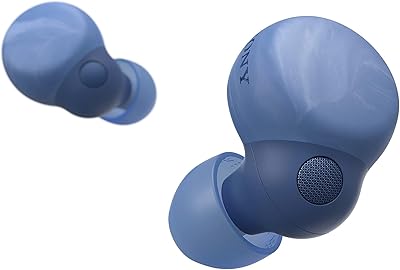
Sony LinkBuds Open True Wireless Earbuds
76%
67%
Sound Quality
91%
Ambient Awareness
73%
Comfort & Fit
82%
Call Quality
61%
Value for Money
More
Sony WF-C500
Sony WF-C500
74%
88%
Battery Life
81%
Comfort & Fit
74%
Sound Quality
58%
Noise Isolation
63%
Call Quality
More
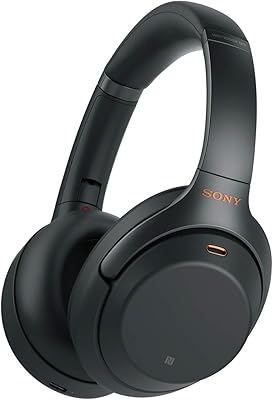
Sony LinkBuds S Wireless Noise-Canceling Earbuds
78%
76%
Noise Cancellation
88%
Call Quality
73%
Comfort & Fit
81%
Sound Quality
67%
Battery Life
More
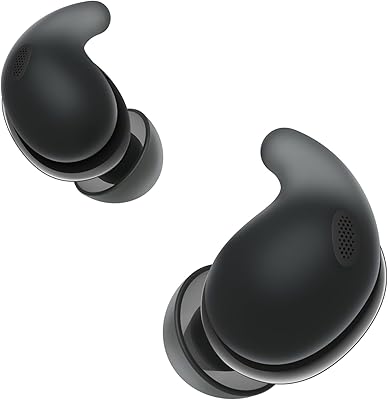
Sony WH-1000XM3 Noise Cancelling Headphones
79%
93%
Noise Cancellation
91%
Battery Life
88%
Comfort & Fit
82%
Sound Quality
79%
ANC Adaptability
More
Sony LinkBuds Fit True Wireless Earbuds
72%
83%
Comfort & Fit
61%
Noise Cancellation
67%
Sound Quality
79%
Call Quality
58%
Battery Life
More

FAQ

Yes, the WF-1000XM3 connects over standard Bluetooth 5.0, so it pairs with any modern smartphone regardless of operating system. That said, the companion Sony Headphones Connect app — which unlocks ANC customization and equalizer settings — is available for both iOS and Android.

Sony includes multiple eartip sizes in the box for this reason. The right fit should feel snug without pressure, and when you press play in a quiet room, you should hear a noticeable drop in ambient sound. If the ANC feels weak or audio sounds thin, try going up one eartip size before adjusting any settings.

You can use either earbud independently, which is handy if you want to stay aware of your surroundings with one ear free. The simultaneous L/R Bluetooth design means both earbuds connect directly to your device, so dropping to one does not cause sync issues.

Reasonably good, thanks to the beamforming microphone that focuses pickup on your voice rather than surrounding noise. Most users report clear call quality in moderately loud spaces like offices or cafes. In very noisy outdoor settings like busy traffic or construction areas, some callers may notice background bleed.

A small but consistent portion of users report occasional pairing instability. The most reliable fix is to turn Bluetooth off on your phone for a minute or two, then reconnect. If that does not resolve it, performing a factory reset on the earbuds through the Sony Headphones Connect app usually clears persistent issues.

It depends on your priorities. The XM4 adds IPX4 sweat resistance, improved ANC, LDAC high-resolution audio, and a more compact case — meaningful upgrades if those features matter to you. If you mainly care about solid ANC and good sound quality and are comfortable with the known limitations, the older generation can be a smart buy, especially if the price difference is significant.

Not really. The Sony WF-1000XM3 Wireless Earbuds carry no water or sweat resistance rating, which means a hard workout or an unexpected rain shower could cause damage. If fitness use is a priority, a model with at least an IPX4 rating would be a safer choice.

Alexa is activated with a single touch on the earbud — no wake word required. From there you can ask for music, weather, reminders, or general questions just as you would on an Echo device. It requires the Alexa app to be installed and logged in on your paired phone, and it works over your phone's internet connection rather than independently.

For now, yes — Sony's standard silicone eartips are compatible and available from Sony directly and third-party accessory sellers. Availability may become patchier over time as retail stock of accessories winds down, so it is worth picking up a spare set while they are still easy to find.

Yes, active noise cancellation functions independently of any Bluetooth connection. You can put the earbuds in and activate ANC without a device paired — useful for blocking noise on a flight or in a loud workspace even when you are not listening to anything.