Overview

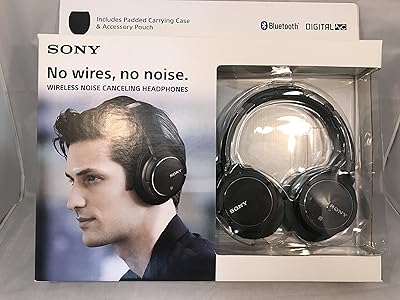
The Sony MDRNC8 Noise-Canceling Headphones are a wired, on-ear travel companion that Sony introduced back in 2012 — and they're still being sold new today, which says something. Weighing under 6 ounces and built to fold flat, this travel headphone was clearly designed with the carry-on bag in mind. The active noise cancellation runs on a single AAA battery, which is a practical detail worth keeping in mind before any long trip. When the battery dies, you can still listen passively — the audio does not just cut out on you. For a headphone of its age and price tier, that kind of practical thinking still holds up reasonably well.

Features & Benefits

The noise-canceling circuit on this travel headphone is where most buyers will focus their attention, and for good reason. It targets the kind of steady, low-frequency drone you get in an airplane cabin or on a subway car — cutting it down by up to 90%. The 30mm dynamic drivers produce sound that is balanced and clear without pretending to be anything more than what they are. The retractable cable is a small but genuinely useful touch — no fumbling with tangled wires before a flight. Swivel ear cups fold the whole thing flat for easy packing, and an included airplane adapter means you are ready for in-flight entertainment right out of the box.

Best For

These Sony noise-canceling headphones are a solid pick for anyone who flies regularly and wants meaningful noise reduction without spending a lot. Commuters dealing with the constant rumble of a bus or train will also find the noise canceling genuinely helpful. If you have been relying on basic earbuds and want something with better isolation, this is a reasonable step up. The wired connection appeals to travelers who would rather not deal with Bluetooth pairing or battery management on top of everything else — one less thing to worry about mid-flight. Keep expectations in check on audio quality; this is a travel-focused headphone, not a listening-room device.

User Feedback

Across over 300 ratings, the MDRNC8 holds a 4-out-of-5-star average — earned, but not without some honest trade-offs. The noise cancellation on flights gets consistent praise; people who bought this specifically for air travel tend to come away satisfied. Where you will see more mixed reactions is around long-term comfort — on-ear designs press against the ear rather than around it, and that becomes noticeable on extended wear. A few buyers have flagged durability concerns around the headband and where the cable meets the housing after heavy use. Passive mode works in a pinch but is not the headphone at its best. For occasional travel, most find it worth the buy.

Pros

  • Active noise cancellation effectively cuts airplane cabin drone and commuter train rumble.
  • Folds flat into a compact form that fits easily in a carry-on or jacket pocket.
  • Weighing under 6 ounces, this travel headphone barely registers on long trips.
  • A retractable cable keeps things tidy and reduces the usual tangle frustration.
  • Passive listening mode keeps audio going even when the battery runs out.
  • Includes an airplane adapter so it works with in-flight entertainment systems right away.
  • Wired connectivity means no pairing hassles and no separate charging routine.
  • Sound quality is clear and balanced enough for music, podcasts, and movies on the go.
  • Backed by Sony build quality and widely available for purchase new.
  • Solid 4-out-of-5-star average across a meaningful number of real buyer reviews.

Cons

  • On-ear fit applies consistent pressure that becomes uncomfortable during flights over two hours.
  • Relies on a AAA battery — forgetting a spare means losing noise cancellation mid-journey.
  • Long-term durability has been questioned, particularly at the headband and cable junction.
  • Passive mode audio quality is noticeably weaker than when noise cancellation is active.
  • No wireless option at all, which is a real limitation as Bluetooth travel headphones become standard.
  • The design dates back to 2012 and lacks modern features like USB-C charging or app support.
  • On-ear clamping force may feel tight for users with larger head sizes.
  • Not ideal as an everyday home headphone given its narrow travel-first tuning.

Ratings

The Sony MDRNC8 Noise-Canceling Headphones have been scored below by our AI system after analyzing verified buyer reviews from global markets, with spam, bot-generated, and incentivized feedback actively filtered out. These scores reflect what real everyday users experienced — not marketing claims — and both the strengths and frustrations are represented transparently. You will find honest assessments across every dimension that matters to a practical buyer.

Noise Cancellation
83%
Travelers consistently report that the active noise cancellation does a convincing job on airplane cabin hum and train rumble — the two scenarios this headphone was built for. For a wired headphone at this price tier, the reduction in low-frequency drone is genuinely effective and regularly cited as the main reason buyers keep recommending it.
The noise cancellation is less impressive against irregular or high-frequency sounds like voices or sudden loud events. A handful of users also noted that the effect feels inconsistent depending on fit, and without a snug seal the performance drops noticeably.
Sound Quality
71%
29%
The 30mm dynamic drivers produce a clear, balanced output that handles music, podcasts, and in-flight movies without complaint. Buyers who approached this as a travel utility headphone rather than an audiophile device were generally satisfied with the clarity at comfortable listening volumes.
Bass response is modest and the overall sound stage is relatively flat compared to headphones in the same price bracket that prioritize audio performance. Critical listeners and those used to higher-end Sony models frequently noted the audio felt thin, particularly in passive mode.
Comfort
58%
42%
For shorter listening sessions — a one-hour commute or a domestic flight — most users found the on-ear fit acceptable and the lightweight build (under 6 ounces) helped reduce neck and head fatigue noticeably compared to bulkier alternatives.
The on-ear design presses against the outer ear rather than enclosing it, and this becomes a real problem on flights over two to three hours. Multiple reviewers flagged ear soreness and clamping pressure as a reason they eventually stopped using the headphone for long-haul travel.
Build Quality
62%
38%
The folding swivel mechanism feels reasonably solid out of the box and the overall construction gives an impression of durability that matches Sony's reliability reputation at this tier. The retractable cable housing also feels sturdier than many competing travel headphones.
Long-term durability is where confidence drops. A recurring pattern in user feedback points to wear at the headband junction and stress cracking near where the cable enters the housing after months of regular use — a meaningful concern for anyone planning to use these heavily.
Portability
88%
The foldable swivel ear cups collapse the headphones down to a compact flat profile that slots easily into a carry-on pocket or a laptop bag side compartment. At under 6 ounces, this travel headphone barely registers in your bag, which is exactly what frequent flyers want.
There is no included carrying case, which means the headphones are vulnerable to scratches and pressure damage when packed loosely. A few buyers noted the folded form is still a bit bulky for a jacket or coat pocket compared to true compact travel alternatives.
Value for Money
78%
22%
For a traveler who needs effective noise cancellation without crossing into premium headphone territory, the MDRNC8 represents a fair exchange. The included airplane adapter and retractable cable add practical value that makes the overall package feel well-considered for the price.
The market has shifted significantly since this headphone launched in 2012, and competing options now offer Bluetooth, better drivers, and improved comfort at a comparable price point. Buyers comparing options today may find the value proposition less compelling than it once was.
Battery Dependency
54%
46%
The passive listening mode is a genuinely useful failsafe — the audio does not cut out when the battery dies, which is more than some competing noise-canceling headphones can offer. AAA batteries are also universally available, unlike proprietary charging solutions.
Requiring a AAA battery for the core noise-canceling function is an ongoing inconvenience that modern buyers find dated. Forgetting a spare battery effectively reduces the headphone to a basic wired pair mid-trip, and the passive mode sound quality is noticeably weaker than the active experience.
Cable Design
76%
24%
The retractable cable is a thoughtful design choice that eliminates the tangling frustration common with traditional fixed cables. Travelers who have dealt with knotted headphone cables in a bag will appreciate being able to extend only as much cable as they actually need.
The retractable mechanism adds a mechanical component that can fail over time, and users who prefer fully replaceable detachable cables are out of luck here. The cable connection point at the headphone body is also the area most prone to internal wire damage with repeated use.
In-Flight Compatibility
86%
The bundled airplane adapter is a practical inclusion that works with the dual-jack systems found on most commercial aircraft. This means the MDRNC8 is ready for in-flight entertainment the moment you sit down, without needing to hunt for an adapter at the airport.
The adapter is a separate accessory that is easy to misplace, and without it the headphone cannot connect to older aircraft entertainment systems at all. A few users also noted compatibility issues with some international airline seat systems that use a non-standard plug layout.
Ease of Use
91%
Plug it in, flip the noise-canceling switch, and you are done — there is no app to configure, no pairing process, and no firmware to update. For users who want a no-fuss listening experience while traveling, this level of simplicity is a genuine advantage.
The physical switch for noise cancellation can be easy to accidentally bump on or off during travel, which is a minor annoyance. There are also no inline playback controls on some versions, meaning volume and track management requires reaching for your device directly.
Passive Mode Performance
55%
45%
Having any usable audio in passive mode is better than a dead headphone, and for talk radio, audiobooks, or simple background music the passive output is adequate enough to get through a battery failure without immediate disappointment.
Passive mode strips away most of what makes this headphone worth using — the noise isolation drops and the sound quality becomes noticeably thinner. Users who have experienced the active mode first tend to find passive mode a frustrating fallback rather than a genuine feature.
Aesthetic Design
73%
27%
The clean white colorway and understated profile give the MDRNC8 a look that does not feel cheap or overly conspicuous in public spaces. The foldable form and retractable cable contribute to an overall tidy appearance that holds up reasonably well for a product launched over a decade ago.
The design language is dated by current standards and looks noticeably older next to modern travel headphones with matte finishes and refined detailing. Some users have also noted that the white finish shows dirt and scuffing more readily than darker colorways would.
Wired Reliability
84%
A wired connection means zero latency, no pairing failures, and no mid-flight battery anxiety for the audio signal itself. For users who have been burned by Bluetooth dropout or dead wireless headphones on a long trip, the reliability of a physical connection is a real selling point.
Being wired is increasingly limiting as newer phones and laptops drop the 3.5mm jack entirely. Buyers with USB-C only devices will need a separate adapter on their end, adding an extra accessory to manage that somewhat offsets the simplicity advantage.

Suitable for:

The Sony MDRNC8 Noise-Canceling Headphones are a practical pick for frequent flyers who want real noise reduction on a budget. If your main goal is quieting the relentless low-frequency hum of a plane cabin or the rumble of a commuter train, this travel headphone delivers where it counts. Occasional travelers who need something light enough to toss in a carry-on without adding meaningful weight or bulk will appreciate the foldable build. Wired-first users who are tired of managing Bluetooth connections and charging cycles will find the straightforward plug-and-play setup genuinely refreshing. It also includes an airplane adapter right in the box, which is a small but thoughtful detail that saves you from scrambling at the gate. For someone stepping up from basic earbuds and wanting better ambient isolation without a major financial commitment, the MDRNC8 hits a reasonable middle ground.

Not suitable for:

The Sony MDRNC8 Noise-Canceling Headphones are not the right choice for buyers who prioritize audio fidelity or plan to use them as a primary home listening headphone. The sound quality is clear and functional, but it is tuned for travel practicality — not critical listening or music production. Anyone who wears headphones for several consecutive hours should also think carefully here, because on-ear designs press against the outer ear rather than enclosing it, and that pressure tends to build into real discomfort on long-haul flights. Buyers looking for wireless freedom will need to look elsewhere entirely, as this is a strictly wired headphone with no Bluetooth capability despite what some listing data may suggest. The AAA battery dependency is also worth considering — if you forget to pack a spare and the battery dies mid-flight, noise cancellation goes with it, leaving you in passive mode. Finally, buyers who are hard on their gear should factor in the durability concerns that have surfaced around the headband and cable connection over extended use.

Specifications

  • Brand: Manufactured by Sony under the model designation MDRNC8/WMI.
  • Type: On-ear, closed-back headphones with an over-ear cup design that rests on the outer ear.
  • Driver Size: 30mm dynamic drivers equipped with neodymium magnets for efficient sound reproduction.
  • Frequency Range: Covers 30Hz to 20,000Hz, spanning the full range of human hearing for general listening use.
  • Noise Control: Active noise cancellation circuit reduces ambient sound by up to 90%, targeting steady low-frequency noise.
  • Connectivity: Wired connection via a standard 3.5mm headphone jack with a retractable cable design.
  • Power Source: Requires one AAA battery to operate the active noise cancellation circuit; one AAA battery is included.
  • Passive Mode: Headphones remain functional for audio playback even when the noise-canceling circuit is switched off or the battery is depleted.
  • Weight: Weighs 5.9 ounces (approximately 0.37 lbs), keeping the overall load light for extended carry.
  • Dimensions: Measures 6.3 x 3.5 x 8.3 inches when unfolded, collapsing smaller for storage.
  • Fold Design: Swivel ear cups rotate and fold flat, allowing the headphones to pack into a bag without bulk.
  • Included Items: Package includes the headphones, a retractable cable, and an airplane adapter for dual-jack in-flight systems.
  • Compatible Devices: Works with MP3 players, laptops, portable DVD players, and in-flight entertainment systems via the included adapter.
  • Control Type: Features media control functionality accessible via the cable.
  • Noise Cancellation Type: Active noise cancellation — requires battery power to engage the noise-reduction circuit.
  • Date Available: First made available for purchase on September 17, 2012, and remains available new as of the time of this review.
  • UPC: Primary UPC identifier is 00027242853089.
  • Seller Rank: Ranked approximately 324,979 in Electronics overall and 5,067 in the Over-Ear Headphones category on Amazon.

Related Reviews
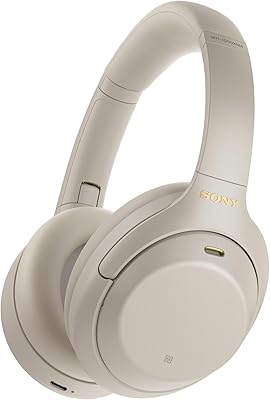
Sony WH-CH710N Wireless Noise-Canceling Headphones
74%
93%
Battery Life
71%
Noise Cancellation
74%
Comfort & Fit
76%
Sound Quality
62%
Microphone Quality
More
Sony WH-1000XM5
Sony WH-1000XM5
88%
98%
Active Noise Cancellation
94%
Microphone Call Quality
88%
Long-Term Comfort
67%
Portability & Case Design
92%
Battery Performance
More
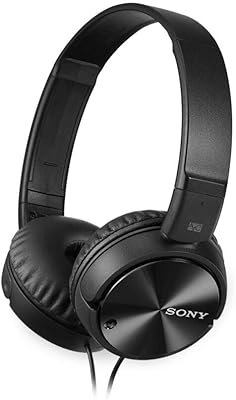
Sony MDR-ZX110NC
Sony MDR-ZX110NC
75%
91%
Value for Money
74%
Noise Cancellation Effectiveness
94%
Battery Life
58%
Comfort & Fit
67%
Sound Quality
More
Sony WH-1000XM6 Wireless Noise-Canceling Headphones
85%
96%
Noise Cancellation
91%
Sound Quality
82%
Call Quality
94%
Battery Life
88%
Comfort & Fit
More
Sony WH-CH720N Wireless Noise Cancelling Headphones
84%
88%
Sound Quality
91%
Noise Cancellation
87%
Comfort and Fit
95%
Battery Life
83%
Build Quality
More
Sony WH-1000XM3 Wireless Noise Cancelling Headphones
86%
96%
Noise Cancellation
94%
Sound Quality
90%
Battery Life
88%
Comfort for Long Sessions
92%
Build Quality
More
Sony MDR-ZX770DC Bluetooth Noise Cancelling Headphones
82%
85%
Noise Cancellation
90%
Comfort & Ergonomics
80%
Battery Life
75%
Build Quality
65%
Bluetooth Range
More
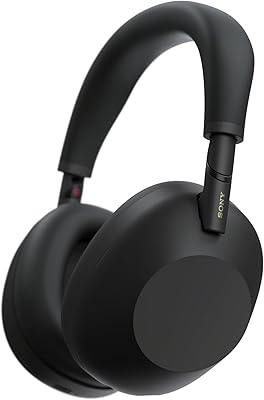
Sony WH-1000XM4 Wireless Noise Canceling Headphones
87%
95%
Noise Cancellation
92%
Battery Life
75%
Comfort & Fit
91%
Sound Quality
88%
Build Quality
More
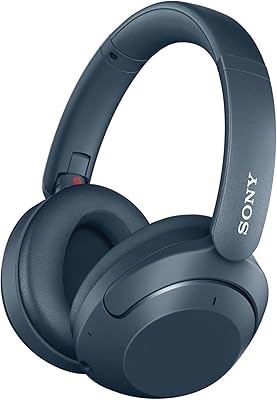
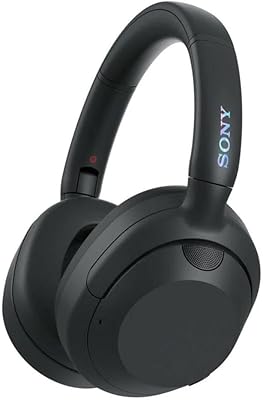
Sony ULT WEAR Wireless Noise-Canceling Headphones
77%
91%
Bass Performance
78%
Noise Cancellation
93%
Battery Life
67%
Comfort & Fit
82%
Call Quality
More
Sony WH-XB910N Extra Bass Noise Cancelling Headphones
86%
89%
Sound Quality
85%
Noise Cancellation
91%
Battery Life
88%
Comfort and Fit
80%
Connectivity (Bluetooth)
More

FAQ

Yes, and this is genuinely where the MDRNC8 earns its keep. The active noise cancellation is designed specifically to target the low, consistent drone of airplane cabin noise, and most users find the reduction meaningful enough to make a long flight considerably more bearable. It will not eliminate every sound around you, but it takes the edge off significantly.

The headphones switch to passive mode automatically, meaning audio still plays through — you just lose the noise cancellation. The sound quality in passive mode is acceptable but noticeably thinner. It is a good habit to toss a spare AAA in your bag before any long trip.

These Sony noise-canceling headphones use a standard 3.5mm jack, so they work with any device that has a headphone port. For phones or laptops without a 3.5mm jack, you would need a separate adapter on your end, as the headphone itself only includes the airplane dual-jack adapter.

That depends on your tolerance for on-ear pressure. On-ear designs press against the ear rather than surrounding it, and over several hours that contact can build into real discomfort for some people. For shorter flights or commutes, most users find them fine. For an eight-hour overnight flight, comfort is more of a gamble.

The cable is retractable and connects to the headphones, but it is not a standard detachable cable with a locking connector. If the cable is damaged near the housing joint — which is the area that sees the most stress — repair options are limited without going through Sony support or a repair shop.

No, there is no built-in microphone on this model. They are designed purely for audio playback and noise cancellation, not hands-free calling. If you need to take calls, you would have to remove them and use your phone directly.

In passive mode, the closed-back ear cup design provides some physical isolation — better than open earbuds but not nearly as effective as when the active circuit is running. Think of it as a moderate barrier rather than true noise reduction.

This is one of the more common concerns from long-term users. The fold mechanism and the point where the cable enters the housing are the two areas most likely to show wear with frequent use. If you are a once-or-twice-a-year traveler, durability is less of a concern. Daily commuters may want to keep that in mind.

Yes, an airplane adapter is included in the box for exactly this purpose. Most commercial aircraft use a dual-plug headphone jack for their seatback entertainment systems, and the included adapter lets this travel headphone connect to them without any extra accessories.

The audio is clear and reasonably balanced for casual listening — music, podcasts, and movies all come through well enough. It is not a headphone built for audiophiles or critical listening, and the sound profile reflects that. At its price tier and with the added noise-canceling functionality, the audio quality is a fair trade-off rather than a shortcoming.

Where to Buy