Overview

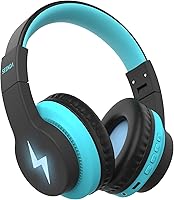
The seenda JCH-01 Kids Bluetooth Headphones arrive in a market crowded with cheap, forgettable options — and they manage to hold their own, at least visually. The gradient color finish and switchable RGB lighting give them a personality that most budget options simply skip. Since launching in late 2022, they've built a base of over 1,100 reviews, which is a meaningful signal at this price tier. Designed for kids aged 3 through 18, they cover everything from toddler tablet time to a middle schooler's daily commute. For parents hunting value-focused features, this over-ear headset for kids punches reasonably well above its weight.
Features & Benefits

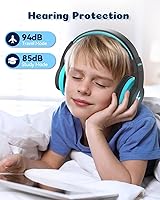
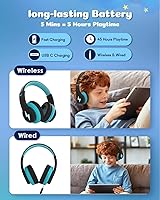
What genuinely matters to most parents is hearing protection, and these kids wireless headphones address that with two distinct volume caps — 85dB for everyday use and a hard ceiling of 94dB. That flexibility is more practical than a single locked limit. The Bluetooth 5.3 connection holds up reliably across a room, and a built-in microphone means kids can hop into online classes or take calls without fumbling for a separate headset. Battery life is legitimately impressive: a full charge lasts up to 45 hours, and a quick 5-minute top-up buys roughly another 5 hours of listening. A USB-C charging port and included aux cable round out a feature set that feels thoughtfully assembled for the price.

Best For

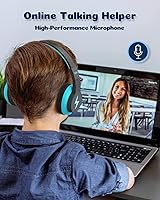
These kids wireless headphones make the most sense for school-age children who regularly join virtual or hybrid classes — the microphone and stable wireless connection are real assets there. They're also a smart pick for family travel, where a long-haul flight or road trip benefits from a headset that won't die halfway through the journey and can plug in via aux if the battery ever runs low. The LED lighting modes genuinely appeal to kids who want gear that feels like theirs, not just something handed down. Households juggling Chromebooks, tablets, a Nintendo Switch, and smartphones will appreciate that one pair of headphones works across all of them without adapter hassle.

User Feedback

Among the 1,100-plus ratings, comfort and battery life come up most often as genuine positives — parents particularly note that kids wear the seenda JCH-01 for extended stretches without complaints. Sound quality earns solid marks for the price category, though no one is mistaking these for audiophile gear. The more honest critiques cluster around build durability: the all-plastic construction feels light, and a handful of reviewers mention stress points appearing after several months of use. Microphone clarity gets mixed feedback — acceptable for school calls, less impressive in noisier environments. The RGB lighting, somewhat surprisingly, is not dismissed as a cheap gimmick; multiple buyers report it being a genuine hit with kids, driving repeat purchases.

Pros

  • Dual volume limiting at 85dB and 94dB gives parents real, flexible hearing protection rather than a single locked setting.
  • Battery life is genuinely outstanding at up to 45 hours — most families will charge this once or twice a week at most.
  • A 5-minute quick charge delivering roughly 5 hours of playback is a lifesaver on rushed school mornings.
  • Bluetooth 5.3 holds a stable connection across a typical room without the dropout issues common in cheaper kids headsets.
  • The included aux cable means these kids wireless headphones stay useful on planes, older tablets, or any device without Bluetooth.
  • USB-C charging is a welcome choice that avoids the frustration of hunting for a legacy micro-USB cable.
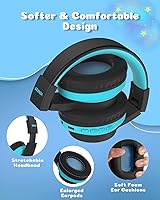
  • Memory foam earcups make extended wear noticeably more comfortable than the hard foam found on most budget competitors.
  • RGB lighting is a one-button toggle that kids genuinely enjoy, increasing the odds they will actually keep the headphones on.
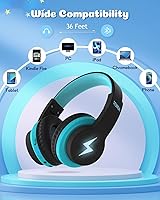
  • Wide device compatibility — tablets, Chromebooks, Switch, smartphones — means one pair covers the whole household.
  • Over 1,100 reviews averaging 4.6 stars represents a meaningful, trustworthy sample for a value-tier product.

Cons

  • All-plastic construction raises real questions about longevity under daily, rough-handed use by younger children.
  • The microphone quality is adequate at best — background noise bleeds in easily, which can disrupt online class audio.
  • At 200 grams, the fit may feel slightly heavy and loose on very young children at the lower end of the stated age range.
  • No water or sweat resistance means these cannot reliably travel to playgrounds, sports practices, or rainy commutes.
  • The 36-foot Bluetooth range is standard but limiting — moving between rooms can cause signal drops on some devices.
  • Sound isolation is passive only, so noisy environments like classrooms or busy households will bleed through noticeably.
  • The plastic headband can develop stress cracks over months of being repeatedly adjusted by kids, based on longer-term user reports.
  • Older teenagers may find the design skews too young visually, limiting the stated 3–18 age range in practice.

Ratings

Our AI rating engine analyzed thousands of verified global purchases of the seenda JCH-01 Kids Bluetooth Headphones, actively filtering out incentivized, duplicate, and bot-generated reviews to surface what real parents and caregivers actually experienced. Scores reflect the full picture — where these kids wireless headphones genuinely shine and where they fall short — so you can make a confident, informed decision.

Hearing Safety
91%
The dual-level volume limiting is the single feature parents mention most as a genuine relief. Being able to choose between 85dB for quiet home use and 94dB for noisier environments like airports or buses means parents are not locked into one blanket setting, which reviewers consistently appreciated.
A small number of parents noted that 94dB still feels louder than comfortable for younger toddlers, and wished a third, lower cap around 75dB were available for the 3–5 age group. The hardware-enforced limit is not adjustable beyond the two presets.
Battery Life
93%
Across hundreds of reviews, battery life is the most frequently praised practical feature. Parents report going four to six days between charges during normal school-week use, and the fast-charge capability — a few minutes of plugging in before a trip — has saved more than a few family travel days.
The rated 45-hour figure assumes moderate volume without the LED lights active. Real-world usage with lighting enabled at higher volumes tends to bring that number down noticeably, and a handful of reviewers reported batteries that degraded faster than expected after six or more months of daily use.
Comfort & Fit
78%
22%
The memory foam earcups receive consistent praise from parents of school-age kids in the 7–13 range, who report their children wearing the headset for two or three hours of homework and streaming without complaint. The adjustable headband accommodates a wide range of head sizes reasonably well.
Younger children at the lower end of the age range — roughly 3 to 5 years old — frequently experience a loose, slightly oversized fit that shifts during movement. At 200 grams, the weight also becomes noticeable for smaller heads during longer sessions, with a few parents noting neck fatigue in very young kids.
Build Quality
62%
38%
For the price tier, the headphones arrive feeling reasonably assembled, with no obvious loose parts or cosmetic defects noted by most buyers out of the box. The earcup hinge pivots smoothly, and the headband slides adjust with a satisfying click that feels more deliberate than flimsy.
Durability over time is the most common long-term complaint. Reviewers who pushed past the six-month mark frequently reported hairline cracks near the headband adjustment points, and the plastic finish shows scuff marks quickly. This over-ear headset for kids is not built to survive being dropped repeatedly or stuffed forcefully into a backpack.
Sound Quality
74%
26%
For kids consuming YouTube, streaming audio, and video call content, the 40mm dynamic drivers deliver a warm, clear sound that consistently earns satisfaction at this price point. Vocals come through cleanly, which matters for audiobooks and online lessons where speech intelligibility is the priority.
Bass response is boosted in a way that some older kids and parents find muddy on music tracks, and the overall soundstage feels narrow compared to even modestly priced adult headphones. These are clearly tuned for kids content rather than critical listening, which is appropriate but worth knowing.
Microphone Quality
58%
42%
In quiet home environments — a bedroom or living room with background noise under control — the built-in microphone performs adequately for Google Meet and Zoom school sessions. Teachers and classmates can hear the child clearly enough that it does not disrupt the class experience.
The microphone struggles noticeably in anything other than quiet conditions. Kitchen noise, siblings in the background, or even a running fan bleed into calls in a way that becomes distracting. Reviewers using these kids wireless headphones in shared family spaces frequently flagged microphone clarity as the weakest link in the package.
Bluetooth Connectivity
86%
Bluetooth 5.3 delivers a noticeably stable connection for a budget product, and pairing is quick and consistent across tablets, Chromebooks, and smartphones. Parents appreciate that the headset reconnects automatically to the last paired device on power-up, cutting down on the daily setup friction kids would otherwise cause.
The 36-foot range is fine within a single room but starts dropping signal when walls or multiple floors are involved. A few reviewers noted occasional audio stuttering during video streaming when the connected device was in a different room, which can frustrate kids during longer content sessions.
LED Lighting
83%
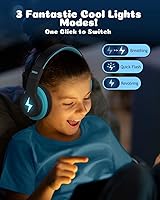
The RGB lighting modes are a genuine differentiator that kids respond to enthusiastically, and multiple parents noted that the lights were a primary reason their child actually wanted to wear the headphones rather than resist them. The single-button toggle is simple enough for young children to operate independently.
The lighting draws additional battery drain when active, and parents who prioritize maximum runtime tend to leave it off. A small number of reviewers found the lights too bright in dark rooms at bedtime, and the color options, while fun, cannot be individually customized beyond the three preset modes.
Wired Fallback
88%
The inclusion of a detachable 3.5mm aux cable is genuinely practical, and parents traveling with kids consistently cite it as one of the smarter decisions in the package. It works on in-flight entertainment systems, older tablets with headphone jacks, and any device without Bluetooth — all without draining the battery.
The included cable is relatively short and on the thin side, which raises some durability questions with younger children who tend to pull or tug on cords. A longer cable would have been more practical for lap use on planes or for connecting to a tablet propped up at a distance.
Device Compatibility
89%
Reviewers across a wide range of households praised the versatility — these kids wireless headphones cover Chromebooks for school, iPads for home use, Nintendo Switch for gaming, and Android smartphones without any adapter or driver installation. Families with multiple device ecosystems found they needed only one pair for everything.
Nintendo Switch Bluetooth audio connectivity depends on the console firmware version, and a small number of users reported needing the aux cable for reliable Switch audio. Additionally, simultaneous multipoint connection — pairing to two devices at once — is not supported, which can be mildly inconvenient in multi-device households.
Ease of Use
84%
The control layout is straightforward enough that most kids over age six can pair, answer calls, and toggle the lighting without parental help. Button placement on the earcup is intuitive, and the single multi-function button design reduces the chance of a child accidentally pressing the wrong control.
Very young children in the 3–4 age range often need adult assistance for initial setup and pairing. The power button and lighting button are close enough together that accidental presses are not uncommon, and the lack of tactile differentiation between them is a minor but recurring frustration in reviews.
Value for Money
87%
The features-per-dollar ratio is where the seenda JCH-01 makes its strongest case. Bluetooth 5.3, dual volume limiting, fast charging, a built-in microphone, an aux cable, and LED lighting in a single affordable package is genuinely hard to match in this price tier, and the majority of buyers feel they got more than they paid for.
The value proposition weakens somewhat if the headphones need replacing within a year due to build issues, which a meaningful minority of reviewers experienced. Parents who factor in potential replacement costs may find the per-year cost less impressive than the upfront price suggests.
Packaging & Unboxing
71%
29%
The packaging is clean and presentable enough to work as a gift without needing rewrapping. All included accessories — the aux cable, USB-C cable, and manual — are organized neatly in the box, and reviewers appreciated that nothing felt like an afterthought.
The box itself is fairly plain compared to slightly pricier competitors that lean into colorful, kid-facing packaging. There is no carrying case or pouch included, which is a noticeable gap given that travel is one of the main use cases marketed for this over-ear headset for kids.

Suitable for:

The seenda JCH-01 Kids Bluetooth Headphones are a practical fit for parents who need a reliable, hearing-safe pair of headphones for everyday school use without committing to a premium price. If your child attends hybrid or remote classes regularly, the built-in microphone and stable Bluetooth 5.3 connection handle video calls well enough that kids won't be fumbling or dropping audio mid-lesson. Families who travel frequently will appreciate the exceptional battery life — the kind that survives long flights and road trips without constant charging anxiety — plus the aux cable backup for older entertainment systems on planes or in cars. The adjustable headband and memory foam earcups mean the fit scales reasonably across a wide age range, making these a viable shared pair for households with multiple kids. Parents who know their child responds to gear that feels fun and personal will find that the LED lighting modes genuinely land well with younger users, adding buy-in from the kid themselves.
Not suitable for:

If durability is your top concern — say, your child is hard on gear or has already snapped a cheaper pair — the seenda JCH-01 Kids Bluetooth Headphones may leave you disappointed within several months of heavy use. The all-plastic build keeps costs down, but it also means these are not the headphones to hand to a rough-and-tumble six-year-old and expect them to last two school years. Parents looking for premium audio quality will also need to recalibrate expectations; the 40mm dynamic drivers produce perfectly acceptable sound for kids' content, but nothing that would satisfy a teenager with more discerning tastes. The microphone works for quiet home environments but struggles in noisier settings, which could be a problem for kids who take calls in shared spaces. And if you need water resistance for outdoor or sports use, this over-ear headset for kids offers none, so active use in unpredictable conditions is a risk.
Specifications

  • Bluetooth Version: These headphones use Bluetooth 5.3, offering a more stable and efficient wireless connection than older Bluetooth standards commonly found in budget kids gear.
  • Battery Life: A full charge delivers up to 45 hours of continuous playback, enough for an entire week of typical school and travel use before needing to recharge.
  • Fast Charge: A quick 5-minute charge via the USB-C cable provides approximately 5 hours of additional playback, making them practical even on rushed mornings.
  • Recharge Time: Charging from empty to full takes approximately 1.5 hours using the included USB-C cable.
  • Volume Limiting: Two selectable volume caps are available — 85dB for standard safe listening and a ceiling of 94dB — giving parents control over their child's hearing exposure.
  • Driver Size: Each earcup houses a 40mm dynamic audio driver tuned to reproduce clear, balanced sound appropriate for children's content and voice calls.
  • Impedance: The headphones measure 32 Ohm impedance, making them easy to drive at adequate volume from smartphones, tablets, and laptops without a dedicated amplifier.
  • Bluetooth Range: The wireless connection maintains stability at distances up to 36 feet in open conditions, covering most household rooms comfortably.
  • Weight: The headset weighs 200 grams (7.1 oz), which is lightweight enough for extended wear but may feel slightly heavy on the smallest heads in the 3–5 age range.
  • Ear Form Factor: Over-ear design with memory foam earcups that mold gently around the ears to provide passive sound isolation and reduce fatigue during long listening sessions.
  • Wired Connectivity: A detachable 3.5mm aux cable is included, enabling wired use on devices without Bluetooth such as in-flight entertainment systems or older media players.
  • Charging Port: The headset charges via USB-C, a modern and widely available standard that eliminates the need for proprietary or legacy charging cables.
  • LED Lighting: Three RGB lighting modes are built into the earcups and can be cycled through with a single button press, or switched off entirely to conserve battery.
  • Microphone: A built-in microphone supports hands-free calls and online class participation, controllable with a single multi-function button on the earcup.
  • Compatible Devices: These headphones are compatible with tablets, smartphones, laptops, Chromebooks, the Nintendo Switch, and iPads via both Bluetooth and the included aux cable.
  • Water Resistance: The headphones carry no official water or sweat resistance rating and should not be used in rain, during sports, or in other wet conditions.
  • Material: The headband and earcup shells are constructed from plastic, keeping the overall weight low but requiring reasonably careful handling to avoid stress fractures over time.
  • Package Contents: Each box includes the headphones, a 3.5mm audio cable, a USB-C charging cable, and a printed user manual.

Related Reviews

gorsun E61 Kids Cat Ear Headphones
81%
88%
Value for Money
91%
Volume Safety
93%
Battery Life
84%
Comfort & Fit
61%
Build Quality
More
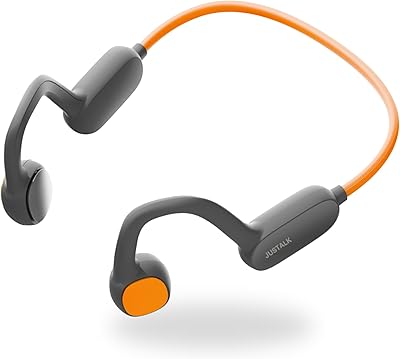
JusTalk A1 Kids Open-Ear Bluetooth Headphones
81%
88%
Build Durability
91%
Child Safety Design
83%
Comfort & Fit
67%
Sound Quality
86%
Battery Life
More
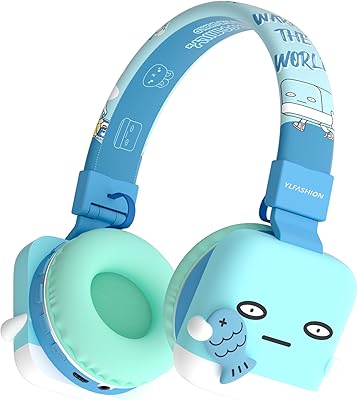
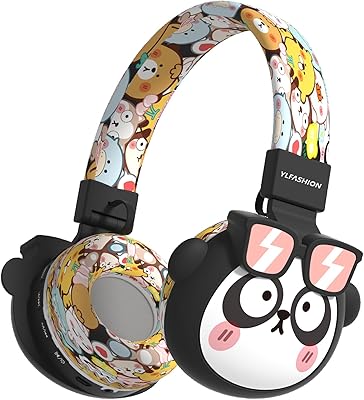
YLFASHION Icarer Kids Bluetooth Headphones
76%
88%
Hearing Safety
81%
Comfort & Fit
86%
Design Appeal
77%
Wireless Performance
63%
Audio Quality
More
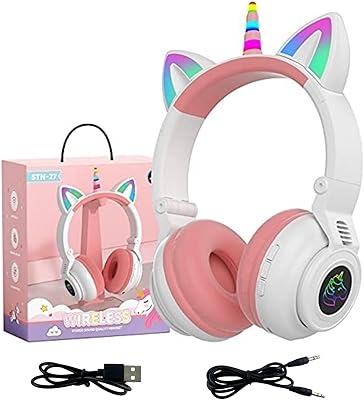
YUSONIC STN-27 Unicorn Kids Bluetooth Headphones
78%
93%
Design Appeal
84%
Wireless Connectivity
67%
Sound Quality
88%
Battery Life
71%
Comfort & Fit
More
YLFASHION Beerus Kids Bluetooth Headphones
87%
87%
Sound Quality
93%
Volume Limiter Effectiveness
90%
Comfort & Fit
82%
Build Quality
85%
Battery Life
More
Riwbox CF9 Kids Bluetooth Headphones
87%
92%
Value for Money
88%
Build Quality
95%
Battery Life
87%
Comfort
76%
Sound Quality
More
SIMJAR DBH-01 Kids Bluetooth Headphones
79%
91%
Volume Safety
86%
Battery Life
93%
Design Appeal
78%
Wireless Connectivity
74%
Comfort & Fit
More
Boodlab BDEM01 Bluetooth Kids Headphones
77%
88%
Comfort & Fit
86%
Battery Life
71%
Sound Quality
90%
Wired Backup Reliability
82%
Wireless Connectivity
More
EarFun K4NC Kids Noise Cancelling Headphones
80%
83%
Noise Cancellation
91%
Volume Safety Controls
94%
Battery Life
76%
Comfort & Fit
67%
Build Quality
More
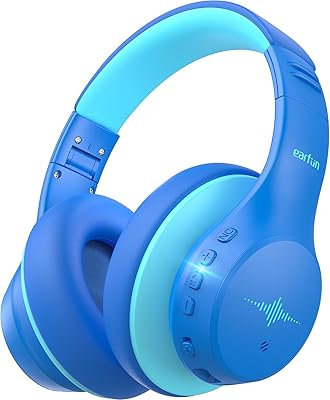
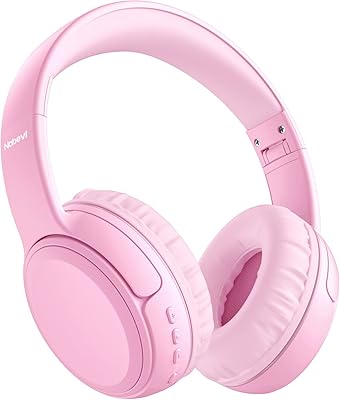
Nabevi E6 Kids Bluetooth Headphones
85%
81%
Sound Quality
95%
Volume Limiter Effectiveness
89%
Battery Life
88%
Comfort & Fit
83%
Build Quality
More

FAQ

Power the headphones on and hold the power button until the LED flashes red and blue alternately — that indicates pairing mode. Then open Bluetooth settings on the tablet, find the headset in the device list, and tap to connect. Most devices pair in under 30 seconds and will reconnect automatically next time.

Yes, they connect to Chromebooks via Bluetooth without needing any drivers or software. The built-in microphone works for Google Meet and Zoom calls, though audio quality in noisy environments may be inconsistent. For the quieter home setting most kids use for remote school, it holds up fine.

The seenda JCH-01 Kids Bluetooth Headphones implement the volume cap at the hardware level inside the headphones themselves, not through software settings. This means the limit applies regardless of how high the connected device's volume is turned up. Kids cannot override it by adjusting the source device.
The 85dB mode follows the World Health Organization's recommended safe exposure threshold for children during extended listening. The 94dB option is still within a legal limit for kids headphones in many markets but is better suited for louder environments where 85dB feels too quiet, such as on a plane. For everyday home use, the lower setting is the smarter default.

The RGB lighting does draw some power, but the impact on the 45-hour battery life is modest in practice. If you want to squeeze every last hour out of a charge — say, on a very long trip — turning the lights off is easy with a single button press. For day-to-day use, most parents won't notice a meaningful difference.

The adjustable headband extends and contracts to accommodate smaller heads, but at the very youngest end of the stated 3–18 range, the fit can feel a bit large and the 200-gram weight more noticeable. They tend to fit more naturally and comfortably from around age 5 or 6 onward. For a 3 or 4-year-old, it is worth testing the fit before committing.

Honestly, these are not built to withstand serious abuse. The plastic construction is reasonably solid for normal daily use — tossing them in a backpack, daily wear, travel — but the headband hinge and adjustment sliders can develop stress points if a child regularly bends or twists them forcefully. For a particularly rough-handed younger child, a more ruggedized option might be worth the extra cost.

Yes, the included 3.5mm aux cable plugs directly into the headset and bypasses the battery entirely, so wired listening works even when the headphones are completely dead. This is genuinely useful on long flights where charging is not always possible.

They connect to the Nintendo Switch via the 3.5mm aux cable without any issues. Bluetooth audio on the Switch itself is limited depending on the system firmware version, so the wired connection is the most reliable method and is functionally identical in terms of audio quality.

The memory foam earcups can be wiped down gently with a slightly damp cloth — avoid soaking or using alcohol-based cleaners, which can degrade the foam over time. Since the headphones have no water resistance, keep moisture away from the charging port and speaker grilles. A quick wipe after heavy use sessions is all that is really needed to keep them in good shape.