

Overview

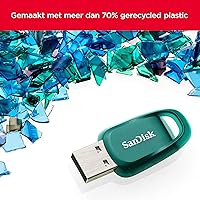
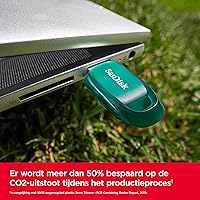
The SanDisk Ultra Eco 512GB USB Flash Drive sits in an interesting spot — it's SanDisk's answer to buyers who want solid portable storage without ignoring their environmental footprint. The housing is made from over 70% recycled plastic, which is a real material specification, not just a label. In practice, the casing feels slightly different from a standard polished drive, but still solid enough for daily carry. It clips onto a keyring without bulk, and the 512GB capacity hits a practical sweet spot for people who need serious room for files but aren't ready to carry a full external SSD. Worth noting: this is a USB Type-A only drive — no USB-C, no dual connector.

Features & Benefits

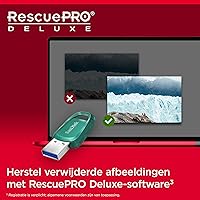
The USB 3.2 Gen 1 interface pushes read speeds up to 100MB/s, fast enough to move a 4GB folder of RAW photos in under a minute — a genuine improvement over older USB 2.0 sticks. The eco angle is backed by cited data: SanDisk reports reductions in CO2 emissions, fresh water use, and energy consumption during manufacturing compared to drives made from virgin plastic. At 0.353 oz and 1.81 x 0.83 x 0.36 inches, it genuinely disappears on a keyring. RescuePro Deluxe recovery software is included, though you'll need to register online to access it — not a dealbreaker, but worth knowing upfront. One real gap: write speeds are never officially published, which makes direct comparisons harder.

Best For

This eco flash drive is a natural fit for students and remote workers who constantly plug into different machines — libraries, office hotdesks, borrowed laptops. The 512GB headroom is particularly useful for creatives offloading large photo shoots or video clips between sessions who don't want to deal with cloud upload limits. Eco-conscious buyers will appreciate that the sustainability claims come with sourced manufacturing data rather than vague green branding. It also works well as a reliable secondary backup for anyone wanting a physical copy of critical files. And if you're still running a USB 2.0 stick, this SanDisk drive delivers a real-world speed upgrade without the cost or fragility of a portable SSD.

User Feedback

With a 4.6-star average across over a thousand ratings, the Ultra Eco 512GB earns its score through consistent everyday performance rather than a single standout feature. Most buyers highlight the noticeable speed improvement over older drives and praise how light and compact it is — plug-and-play setup gets mentioned repeatedly, with no driver installs required. The friction points are worth knowing though: write speeds lag noticeably behind read speeds in practice, and some users report the drive getting warm during prolonged large transfers. The RescuePro Deluxe registration process also surfaces occasionally as mildly tedious. These are recurring minor observations rather than widespread failures, and long-term durability feedback — including the keyring loop — trends solidly positive.

Pros

  • Read speeds up to 100MB/s make large file transfers noticeably faster than typical USB 2.0 drives.
  • 512GB capacity covers documents, photos, videos, and backups without running out of room quickly.
  • At 0.353 oz, this eco flash drive is light enough to leave on a keyring indefinitely without noticing it.
  • Over 70% recycled plastic construction is backed by cited manufacturing data, not just a marketing badge.
  • Broad USB Type-A compatibility covers PCs, Macs, gaming consoles, and select smartphones via adapter.
  • Plug-and-play setup requires no driver installation on modern operating systems.
  • Keyring loop is built-in, making the Ultra Eco 512GB a practical everyday carry without a separate case.
  • RescuePro Deluxe software adds a meaningful safety net for accidentally deleted files.
  • Compact dimensions fit easily in any pocket, bag, or laptop sleeve without adding clutter.
  • Strong 4.6-star average across a large rating base reflects consistent real-world satisfaction.

Cons

  • Write speeds are never officially disclosed, making it difficult to benchmark against competing drives.
  • Real-world write performance lags noticeably behind the headline read speed during large transfers.
  • Some users report the drive running warm during prolonged or continuous write sessions.
  • No USB-C connector limits native compatibility with modern smartphones and newer laptops.
  • RescuePro Deluxe requires online registration before use — it does not activate automatically out of the box.
  • Not a viable option for running software or virtual machines directly from the drive due to speed limitations.
  • The single connector design means you need a separate adapter for any USB-C-only device.
  • No official IP or water-resistance rating, so carry durability in wet conditions is uncertain.

Ratings

Our scores for the SanDisk Ultra Eco 512GB USB Flash Drive are generated by AI after analyzing thousands of verified global buyer reviews, with spam, bot activity, and incentivized feedback actively filtered out. The result is an honest, data-driven picture of where this eco flash drive genuinely excels and where real buyers have run into friction. Both strengths and pain points are reflected transparently across every category below.

Read Speed Performance
83%
Buyers consistently report that moving large batches of files — a semester's worth of lecture recordings or a few hundred RAW photos — feels genuinely fast compared to older drives. The 100MB/s read ceiling translates to real-world transfers that rarely frustrate, especially when pulling files from the drive onto a laptop.
The 100MB/s figure is a peak under ideal conditions, and users plugging into older USB 3.0 ports or transferring many small files rather than large single chunks will see noticeably lower effective speeds. Sustained read performance can also dip during back-to-back transfers, which matters if you regularly pull large directories in a single session.
Write Speed Performance
54%
46%
For light workloads — saving a few documents, adding photos from a shoot, or copying a handful of video clips — the write speed is adequate, and most casual users will not encounter obvious bottlenecks during typical day-to-day saves.
The complete absence of a published write speed is the most transparent weakness here. Buyers who have benchmarked the drive independently report write speeds significantly lower than read — often in the 30 to 45MB/s range — and for anyone moving large video archives or doing iterative file saves, the gap is palpable enough to cause real frustration.
Portability & Form Factor
91%
At under 0.4 oz and barely bigger than a thumbnail, this eco flash drive is one of the most genuinely pocketable high-capacity options in its class. Students and commuters report clipping it to a keyring and completely forgetting it is there until needed, which is exactly the behavior a carry-everywhere drive should enable.
The compact size is almost entirely an upside, though a few users note the drive can be difficult to grip and pull from tight USB ports — particularly on the back of a desktop tower where you cannot see what you are doing. The protective cap is small enough that it occasionally gets misplaced.
Storage Capacity Value
86%
512GB is a genuinely useful amount of space for anyone managing large media libraries, full project backups, or multi-semester document archives. Buyers routinely highlight how much content they can carry — photo libraries, video project files, software installers — without worrying about running out of room mid-task.
As with all flash storage, the real usable space after formatting sits closer to 476GB rather than the labeled 512GB, which occasionally surprises buyers unfamiliar with how storage math works. Higher-speed alternatives at similar capacities are also available for buyers who prioritize raw throughput over eco credentials.
Value for Money
79%
21%
For buyers who want 512GB of reliable portable storage with genuine eco credentials and a trusted brand behind it, the price positions this SanDisk drive as a solid mid-range choice without demanding a premium. Buyers upgrading from USB 2.0 sticks report feeling the value difference immediately in everyday transfers.
Buyers primarily motivated by raw performance can find faster flash drives or entry-level portable SSDs at similar price points that outpace the Ultra Eco 512GB on both read and write speeds. Pure-performance shoppers may feel they are paying for sustainability credentials they do not personally prioritize.
Build Quality
77%
23%
The recycled plastic body feels more substantial than its weight suggests, and most buyers are genuinely surprised that a drive made from reclaimed materials does not feel cheap or hollow. Daily keyring carry for months without visible degradation is a recurring theme in longer-term owner reviews.
A handful of users mention the plastic finish picks up minor scuffs more readily than a coated metal drive, and the protective cap is sometimes reported as slightly loose after extended use. Nothing structural, but the premium tactile feel some buyers expect from a mid-range SanDisk product is not quite there.
Eco Credentials
78%
22%
The over-70% recycled plastic construction is one of the few sustainability claims in this product category accompanied by third-party manufacturing data, making it more credible than typical vague green marketing. Eco-conscious buyers appreciate having a substantive reason to choose this drive over a functionally similar alternative.
The eco story covers the manufacturing phase only — there is no mention of a take-back program, repairability, or a designed-for-longevity approach. For buyers who think about the full lifecycle of the electronics they purchase, the sustainability angle feels meaningful but ultimately incomplete.
Compatibility
72%
28%
The USB Type-A connector covers the vast majority of desktop PCs, laptops, gaming consoles, and even some Android devices with an OTG adapter, making it a versatile daily carry for most users existing setups. Plug-and-play functionality across Windows and macOS is consistently praised in buyer reviews.
Anyone with a modern laptop that has only USB-C ports — now a significant share of the market — will need an adapter that is not included in the box. There is no dual-connector option, and iPhone users are effectively excluded from direct use without a specialized third-party accessory.
Software Bundle
61%
39%
RescuePro Deluxe is a legitimate data recovery application that can genuinely save the day if you accidentally delete or corrupt files — something flash drive users do more often than they expect. Having it bundled rather than purchased separately adds real value for buyers who know to register and activate it early.
The registration-and-download requirement means new buyers must actively seek out the software rather than finding it ready to use, and a notable number of reviewers were unaware it existed at all. If you ever actually need file recovery, an activation hurdle is the last thing you want standing between you and your data.
Thermal Management
58%
42%
Under typical conditions — copying a folder of documents, moving a few gigabytes of photos, or transferring a presentation — the drive stays cool enough that most users never notice any warmth at all during brief sessions.
Extended write sessions — filling the drive close to capacity or copying large video projects in one go — draw enough heat that several users report the casing becoming uncomfortably warm to the touch. There is no active thermal management, and sustained heat can potentially affect flash memory reliability over repeated heavy-use cycles.
Plug & Play Experience
93%
Out of the box, the drive is recognized instantly on both Windows and macOS without any driver installation required — something users consistently highlight as a genuine relief, especially when sharing files on borrowed or workplace machines where installing software is not an option.
There is very little to criticize here beyond the occasional edge case where older operating systems or embedded systems — such as certain car entertainment units — may not recognize the exFAT format by default. For the overwhelming majority of devices, setup is instant and effortless.
Durability
74%
26%
Owners who have carried the drive daily on a keyring for six months to a year commonly report it holds up well without cracking, warping, or losing connectivity — the USB connector in particular stays snug and reliable over time in most long-term accounts.
The drive carries no water-resistance or dust-resistance rating, which is a meaningful gap for anyone using it near outdoor environments or carrying it in a bag that might get caught in the rain. A small subset of users also reports that the protective cap loosens and can eventually detach after prolonged heavy use.
Brand Trust
88%
SanDisk is one of the most recognized flash storage brands globally, and buyers consistently express confidence knowing the product is backed by Western Digital's supply chain and quality controls. The 4.6-star aggregate from over a thousand verified ratings reinforces that trust in practice, not just in reputation.
Brand recognition provides reassurance but does not guarantee every unit is defect-free — a small percentage of reviewers report early drive failures or intermittent connectivity issues that suggest occasional quality control variation. Warranty support experiences also vary, with some users finding the claims process less straightforward than expected for a brand of this standing.

Suitable for:

The SanDisk Ultra Eco 512GB USB Flash Drive is a strong match for students, remote workers, and everyday creatives who need a high-capacity drive they can trust across multiple machines without fuss. If you regularly move presentations, document archives, or batches of photos between a home PC, a work laptop, and the occasional borrowed machine, the 512GB capacity and 100MB/s read speed give you real breathing room without the bulk or price of a portable SSD. The eco-conscious buyer will find genuine substance here too — the recycled plastic construction is tied to actual manufacturing data, not just surface-level green branding. It fits neatly on a keyring and weighs almost nothing, which makes it the kind of drive you actually keep on you rather than leaving in a drawer. Anyone still working with a slow USB 2.0 stick will feel an immediate and meaningful difference in transfer times.

Not suitable for:

Buyers who need write-intensive workflows — like continuously writing large video files, running virtual machines from the drive, or doing rapid bulk ingestion of media — should think carefully before committing, since SanDisk does not publish write speeds for the SanDisk Ultra Eco 512GB USB Flash Drive and real-world write performance tends to trail the headline read figure by a significant margin. Power users who need USB-C connectivity or a dual-connector design for smartphones and tablets will also find this drive limiting, as it relies on a single USB Type-A connector with no native mobile support. If maximum transfer speed is your primary concern and budget allows, a portable NVMe SSD will outperform this drive substantially in both read and write scenarios. The bundled RescuePro Deluxe recovery software, while a nice safety net, requires online registration to activate — so buyers expecting instant, offline data recovery tools out of the box may be caught off guard.

Specifications

  • Storage Capacity: The drive provides 512GB of raw storage capacity, with actual usable space slightly less due to formatting and system overhead.
  • Interface: Uses a USB 3.2 Gen 1 (USB Type-A) interface, offering backward compatibility with USB 3.0 and USB 2.0 ports.
  • Read Speed: Rated for sequential read speeds up to 100MB/s under optimal conditions; real-world speeds vary by host device and file size.
  • Write Speed: No official write speed is published by the manufacturer; independently tested write speeds are typically lower than the rated read speed.
  • Dimensions: The drive measures 1.81 x 0.83 x 0.36 inches, making it compact enough to attach to a keyring or slip into any pocket.
  • Weight: At 0.353 oz, the drive is light enough to carry daily without adding noticeable bulk to a keyring or bag.
  • Housing Material: The outer casing is constructed from over 70% post-consumer recycled plastic, supported by third-party manufacturing impact data.
  • Connector Type: Single USB Type-A connector with no secondary USB-C or dual-head option; a separate adapter is needed for USB-C-only devices.
  • Keyring Loop: An integrated keyring loop is built into the drive body, allowing attachment to keys or lanyards without a separate case.
  • Compatible Devices: Works with Windows PCs, Macs, gaming consoles with USB-A ports, and select Android smartphones via a USB OTG adapter.
  • Bundled Software: Includes a license for RescuePro Deluxe data recovery software, which requires online registration and download before it can be used.
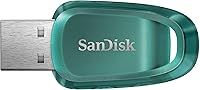
  • Color: Available in a distinctive blue-green finish that visually distinguishes it from standard black or silver flash drives.
  • Manufacturer: Designed and sold by SanDisk, a brand owned and operated by Western Digital Technologies, Inc.
  • Availability Date: This model was first made available in August 2022 and remains an active product in SanDisk's current lineup.
  • Category Ranking: Holds a Best Sellers Rank of approximately #605 in the USB Flash Drives category on Amazon, reflecting strong sustained demand.

Related Reviews
SanDisk Creator 512GB USB-C Flash Drive
81%
88%
Read Speed Performance
51%
Write Speed Performance
94%
Portability
76%
USB-C Compatibility
72%
Value for Money
More
SanDisk 1TB Ultra Slider USB Type-C Flash Drive
88%
88%
Performance
91%
Build Quality
90%
Portability
85%
Data Transfer Speed
89%
Durability
More
SanDisk Ultra Luxe 256GB USB-C Flash Drive
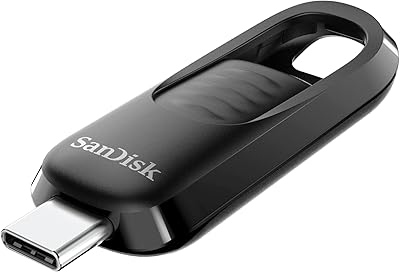
78%
88%
Read Speed Performance
54%
Write Speed Performance
93%
Build Quality
79%
Retractable Connector Mechanism
91%
Portability & Form Factor
More
SanDisk Ultra Curve 256GB USB 3.2 Flash Drive
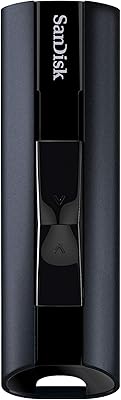
81%
83%
Read Speed Performance
61%
Write Speed Performance
78%
Build Quality
91%
Design & Form Factor
93%
Portability
More
SanDisk 128GB Ultra Luxe USB 3.2 Gen 1 Flash Drive
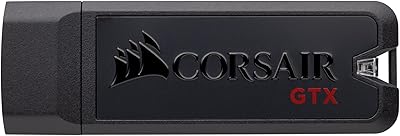
89%
94%
Transfer Speed
90%
Build Quality
88%
Ease of Use
87%
Security Features (AES Encryption)
92%
Portability
More
SanDisk Extreme PRO USB 3.2 Solid State Flash Drive 512GB
85%
91%
Speed and Performance
89%
Build Quality and Durability
85%
Ease of Use and Setup
90%
Compatibility
88%
Data Security Features
More
Corsair Flash Voyager GTX 512GB USB 3.1 Flash Drive
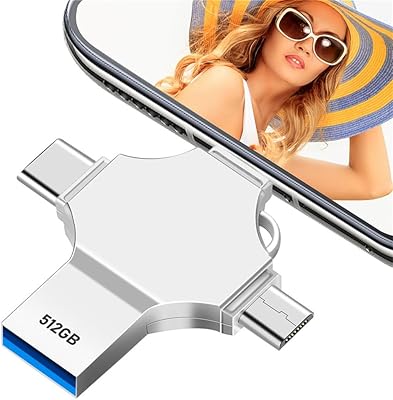
88%
94%
Performance
91%
Build Quality
82%
Value for Money
89%
Portability
96%
Transfer Speed
More
AOIRHLA 512GB USB Flash Drive
87%
87%
Performance
89%
Data Transfer Speed
82%
Compatibility
91%
Encryption and Security
95%
Portability and Size
More
SanDisk Creator USB-C 1TB Flash Drive
83%
86%
Read Speed Performance
61%
Write Speed Performance
93%
Storage Capacity
71%
Value for Money
74%
Build Quality & Durability
More
Samsung MUF-512DA 512GB USB-C Flash Drive
82%
91%
Read Speed Performance
63%
Write Speed Performance
88%
Build Quality & Durability
89%
Compatibility
94%
Portability & Form Factor
More

FAQ

It works with Macs right out of the box for reading files, but the drive ships pre-formatted as exFAT, which is read-write compatible on both macOS and Windows without any reformatting. If you plan to use it exclusively with a Mac and want native Time Machine support, you would need to reformat it to APFS or HFS+, but for everyday file transfers it is ready to go immediately.

That is a fair and important observation. SanDisk only publishes the 100MB/s read figure and does not disclose write speed for the SanDisk Ultra Eco 512GB USB Flash Drive. Based on independent user testing and general patterns for drives in this class, real-world write speeds tend to fall somewhere in the 30–50MB/s range, though this can vary depending on file size and the host machine. If consistent write performance is critical to your workflow, it is worth benchmarking the drive after purchase using a free tool like CrystalDiskMark.

Not directly, since it uses a standard USB Type-A connector. For Android phones that support USB OTG, you can use an inexpensive USB-A to USB-C or USB-A to Micro-USB adapter to access files. For modern iPads with USB-C ports, a USB-A to USB-C adapter works similarly. iPhones with Lightning ports are generally not compatible without a specialized adapter, and functionality may be limited even then.

The software is not pre-installed on the drive itself. You need to visit the RescuePro website, enter a registration code that comes with the drive, and download the installer. It is a minor extra step but worth doing early rather than waiting until you actually need to recover a file. The software can scan the drive and attempt to recover deleted or corrupted files, which is genuinely useful as a safety net.

Some users do report that the drive becomes noticeably warm — not dangerously hot — during extended or continuous write sessions involving large files. This is fairly common behavior for flash drives working hard over a sustained period. For occasional large transfers it is generally fine, but if you are planning to write hundreds of gigabytes in a single session on a regular basis, the warmth and potential throttling are worth factoring in.

Yes, it is fully backward compatible with USB 2.0 ports. The drive will simply operate at USB 2.0 speeds — typically around 25–40MB/s read — rather than the full USB 3.2 Gen 1 speeds. You lose the speed advantage, but it remains functional for basic file transfers.

Storage manufacturers calculate capacity using base-10 math (1GB = 1,000,000,000 bytes), while operating systems use base-2, which means a 512GB drive typically shows up as around 476–477GB of usable space after formatting. That is standard across the industry and not specific to this drive.

There is real substance behind it, though it is worth keeping in perspective. The housing uses over 70% post-consumer recycled plastic, and SanDisk references third-party manufacturing data from Trinseo to back up claims about reduced CO2, water, and energy use during production. It is not just a label — the material sourcing is documented. That said, the environmental benefit is primarily in the manufacturing phase; day-to-day use and end-of-life disposal are still your responsibility, like any electronics.

Technically possible for lightweight applications, but not really practical for this drive. Running software directly from a flash drive depends heavily on write speed and random I/O performance, and this eco flash drive is not rated or optimized for that kind of sustained workload. Portable app launchers might work tolerably for small utilities, but anything demanding — like a full OS install or large application — will feel sluggish and puts significant wear on the drive over time.

User feedback on the keyring loop is generally positive over normal daily use, with most owners reporting it holds up well attached to standard key sets. It is a molded part of the drive body rather than a thin metal attachment, which helps. That said, if you plan to load it onto a heavy key ring with many keys or subject it to repeated stress, it is worth checking periodically. No widespread reports of early failures, but like any small plastic component it is not indestructible.