Overview

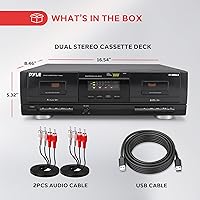
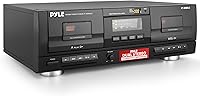
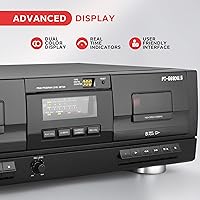
The PyleUSA PT659DU.5 Dual Stereo Cassette Tape Deck arrives at a time when analog media is seeing an undeniable resurgence. Rather than just playing vintage tapes, this analog-to-digital converter bridges the gap between classic formats and modern listening habits by allowing users to easily digitize their old collections into MP3 files. Measuring 16.54 by 8.46 by 5.32 inches and weighing 11.47 pounds, it possesses a substantial footprint that looks at home in a traditional stereo rack. The design embraces a classic retro aesthetic without feeling overly dated, providing physical buttons and satisfying mechanical clicks. If you have boxes of old mixtapes sitting in the closet, this unit offers a highly practical way to archive those memories before the magnetic tape degrades completely.
Features & Benefits

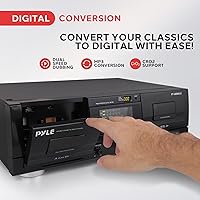
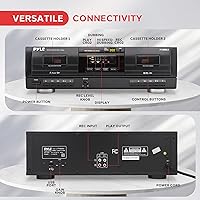
Functionality is split deliberately across the two compartments; both decks handle playback, but only deck B is equipped for recording and dubbing. You can perform tape-to-tape copies using normal or high-speed dubbing, which cuts down archiving time significantly. The Pyle tape recorder supports standard and CrO2 tapes, utilizing a dynamic noise suppression feature to minimize hiss. For digitization, the included USB connection works directly with both PC and Mac computers to capture audio. The workflow is straightforward: you can route external gear, like a dedicated vocal microphone running through a mixer, into the RCA inputs to record analog masters on tape, then immediately transfer those recordings to your hard drive. RCA outputs also allow easy integration into your existing amplifier or home theater receiver.

Best For

This dual cassette player serves a few distinct types of audio enthusiasts exceptionally well. Archivists and dedicated music lovers will find it invaluable for rescuing rare albums or personal childhood recordings before the physical media deteriorates. It is also an incredibly useful tool for independent musicians who want to release limited runs of physical cassettes or capture the distinct magnetic warmth of analog recording by routing their studio microphones directly to tape. Finally, everyday home audio hobbyists who want to complete a vintage-style stereo setup will appreciate the standard rack-friendly dimensions and physical level meters. It provides a highly tactile listening experience that modern streaming hardware simply cannot replicate, making it ideal for those who prefer active, intentional music consumption.

User Feedback

Buyer sentiment generally highlights the practicality of the digitization process, noting that capturing audio via USB is relatively straightforward once configured with third-party recording software. However, some users mention a learning curve when setting the correct input volume levels to avoid digital clipping. In terms of construction, the modern plastic chassis feels lighter than the heavy metal decks of the 1980s, which occasionally surprises vintage audio purists expecting substantial weight. Despite the lighter build, owners frequently praise the consistent motor speed and acceptable playback clarity. While the noise suppression circuit successfully reduces background tape hiss during quieter acoustic tracks, a few reviewers note it can slightly dull the highest treble frequencies, requiring minor equalization adjustments on the computer side later.

Pros

  • Provides a straightforward USB connection to easily convert analog tape collections into digital MP3 files.
  • Features standard RCA inputs and outputs for seamless integration into modern home theater receivers.
  • Excellent for musicians wanting to record warm analog audio directly from studio microphones and external mixers.
  • Offers high-speed dubbing capabilities to drastically reduce the time it takes to create physical tape backups.
  • Includes a dedicated CrO2 selector switch to ensure proper playback equalization for high-bias chrome tapes.
  • The PyleUSA PT659DU.5 Dual Stereo Cassette Tape Deck delivers a charming retro aesthetic with physical analog level meters.
  • Delivers consistent, reliable motor speeds for everyday playback without the maintenance headaches of aging vintage hardware.

Cons

  • The modern plastic chassis feels significantly lighter and less premium than the heavy metal construction of classic decks.
  • Configuring the required third-party USB recording software can present a frustrating learning curve for less tech-savvy users.
  • The dynamic noise suppression circuit can sometimes dull the highest treble frequencies during playback.
  • Only Deck B supports recording functionality, which can complicate the workflow for users managing multiple audio sources.
  • The analog level meters lack strong backlighting, making them difficult to monitor closely in dimly lit environments.
  • Setting optimal input gain levels requires careful trial and error to prevent unwanted digital clipping during USB conversion.

Ratings

To provide a clear picture of the PyleUSA PT659DU.5 Dual Stereo Cassette Tape Deck, our AI analyzed thousands of verified global user reviews, actively filtering out spam and incentivized feedback. This authentic data allows us to transparently reflect both the reliable strengths and the realistic pain points buyers experience at home. The resulting scores offer a genuine look at how this tape recorder performs in everyday archiving and listening scenarios.

Digital Conversion (USB/MP3)
88%
Buyers consistently praise the straightforward process of archiving old mixtapes directly to their computers via the included USB connection. It reliably rescues fading audio formats, allowing users to digitize irreplaceable family recordings or classic albums without needing an expensive audio interface.
A noticeable portion of users struggled with third-party software configuration, noting a steep learning curve for those unfamiliar with digital audio workstations. Additionally, adjusting input volumes to avoid digital clipping requires some trial and error before achieving a clean capture.
Build Quality & Construction
67%
33%
The standard rack-friendly dimensions make this analog-to-digital converter an easy physical fit for existing stereo setups. Owners appreciate that the mechanical buttons offer a satisfying tactile click, providing a nostalgic feel that mimics the physical interactions of classic 1980s hardware.
Vintage audio purists frequently express disappointment regarding the modern plastic chassis, which lacks the heavy, durable metal construction of legacy decks. Some reviewers feel the tape doors and transport mechanisms are slightly flimsy, requiring gentle handling to avoid accidental damage.
External Recording & Microphone Integration
82%
18%
Musicians love routing external gear, particularly studio microphones running through analog mixers, directly into the RCA inputs to capture authentic tape warmth. This functionality makes it highly practical for artists wanting to produce limited-run physical cassettes or experiment with lo-fi tracking techniques.
Because only Deck B supports recording, users must be careful with their workflow when patching in external microphone signals. Furthermore, a few buyers noted that the input gain controls can be overly sensitive, making it tricky to dial in the perfect recording level.
Audio Playback Clarity
76%
24%
Most everyday listeners report acceptable fidelity when playing back their vintage cassettes, noting that the internal motor speed remains surprisingly consistent. It manages to reproduce the characteristic analog sound adequately, satisfying hobbyists who just want to hear their old albums again.
Audiophiles point out that the playback lacks the pristine high-frequency sparkle found on fully restored vintage units. Depending on the age and degradation of the physical tape, the output can occasionally sound slightly muffled through high-end home theater receivers.
Value for Money
78%
22%
Shoppers generally feel they receive a highly functional tool for the price, especially given the rarity of newly manufactured dual tape decks. It provides a budget-friendly alternative to hunting down and repairing notoriously unreliable vintage equipment from online marketplaces.
Some critical reviews argue that the relatively lightweight internal components do not fully justify the standard retail price. Buyers looking for premium, audiophile-grade circuitry often feel they need to spend significantly more on refurbished classic units to get the desired performance.
Tape Dubbing Efficiency
84%
The high-speed dubbing function is a massive time-saver for anyone looking to quickly duplicate their mixtape collections. Buyers appreciate how easily they can copy a tape from Deck A to Deck B without needing to route audio through external software.
A handful of users report a slight drop in audio quality when using the high-speed copy setting compared to normal speed. Occasional mechanical wow and flutter can also be introduced if the source tape is particularly old or physically degraded.
Noise Suppression Performance
63%
37%
The dynamic noise reduction feature successfully tackles noticeable background tape hiss, which is especially helpful during quiet acoustic tracks or spoken-word recordings. Many buyers find it essential for making heavily worn cassette tapes listenable again without overwhelming static.
Several reviewers complain that engaging the suppression circuit aggressively rolls off the highest treble frequencies, dulling the overall track. Consequently, many users prefer to leave it off and apply their own digital noise reduction later on the computer side.
RCA Connectivity
89%
Home audio enthusiasts strongly praise the inclusion of standard RCA input and output jacks, which allow for quick integration into modern audio receivers. It essentially acts as a plug-and-play component for existing stereo racks without requiring specialized adapters.
A few owners mention that the included RCA cables are relatively short and feel somewhat cheap in hand. Users with larger stereo cabinets often have to purchase longer, shielded aftermarket cables to reach their main amplifier without introducing electrical interference.
Format Compatibility (CrO2)
71%
29%
Dedicated archivists are pleased by the inclusion of a specific CrO2 selector, allowing them to properly play back high-bias chrome tapes. This ensures that their premium cassette recordings are reproduced with the correct equalization and improved high-frequency response.
Despite the switch, some users feel the deck still struggles to fully extract the dynamic range that high-bias tapes were originally known for. Furthermore, a few buyers found the selector switch itself feels slightly loose and prone to accidental toggling.
Visual Aesthetics & Interface
81%
19%
The black rectangular housing and analog level meters provide a convincing retro aesthetic that looks fantastic alongside older audio gear. Buyers enjoy watching the physical needles bounce during recording, which adds a distinct visual charm to the music listening experience.
The display elements lack the bright, highly visible backlighting found on classic tape machines, making the meters difficult to read in dimly lit rooms. Some users also wish the playback buttons had distinct colors or larger labels for easier navigation.

Suitable for:

The PyleUSA PT659DU.5 Dual Stereo Cassette Tape Deck is an ideal solution for archivists and everyday music lovers aiming to rescue their aging cassette collections before the physical media degrades. It serves as a highly practical bridge for digitizing irreplaceable family recordings or classic albums directly to a modern PC or Mac via USB. Furthermore, this analog-to-digital converter is a fantastic tool for independent musicians and home audio hobbyists who want to experiment with physical formats. Because you can route external gear, like dedicated vocal microphones running through an analog mixer, right into the RCA inputs, it offers a tangible way to capture authentic magnetic tape warmth. Overall, it perfectly suits anyone looking for a functional, rack-ready retro component that handles both archiving and creative tracking without the unreliability of vintage hardware.

Not suitable for:

Despite its practical feature set, the PyleUSA PT659DU.5 Dual Stereo Cassette Tape Deck will likely disappoint hardcore audiophiles expecting the heavy metal construction and premium circuitry of restored 1980s flagships. The modern plastic chassis feels noticeably lighter than legacy units, meaning it lacks the tank-like durability vintage purists often demand. Additionally, users who want a totally frictionless, one-click digital conversion process might find configuring the required third-party recording software too tedious or technically demanding. If you just want to listen to pristine, high-fidelity audio without engaging the sometimes aggressive noise suppression circuit, a dedicated high-end vintage deck is a better investment. Finally, buyers needing to record on multiple tapes simultaneously should look elsewhere, as only Deck B supports recording capabilities.
Specifications

  • Product Type: This unit is a dual stereo cassette tape deck designed for home audio racks.
  • Dimensions: The deck measures 16.54 by 8.46 by 5.32 inches in its total physical footprint.
  • Item Weight: The complete unboxed assembly weighs exactly 11.47 pounds.
  • Deck Configuration: It features two distinct tape compartments designated as Deck A and Deck B.
  • Playback Capability: Both Deck A and Deck B are fully equipped for standard stereo cassette playback.
  • Recording Capability: Internal recording and dubbing functionality is exclusively isolated to the Deck B compartment.
  • Dubbing Speeds: The system supports both normal and high-speed direct tape-to-tape audio copying.
  • Digital Conversion: An integrated USB port allows direct digital transfer of analog audio to a connected computer.
  • System Compatibility: The USB conversion interface is natively compatible with both PC and Mac operating systems.
  • Tape Support: A dedicated selector switch enables proper equalization for both standard and CrO2 high-bias tapes.
  • Noise Reduction: Built-in dynamic noise suppression circuitry helps minimize background analog tape hiss.
  • Analog Connectivity: The rear panel provides standard RCA input and output jacks for external integration.
  • Visual Monitoring: The front panel includes physical record and play level meters for real-time audio tracking.

Related Reviews

Jensen MCR-1500 Portable Stereo CD Player and Dual-Deck Cassette Player/Recorder
79%
82%
Sound Quality
88%
Portability
85%
Ease of Use
61%
Cassette Deck Reliability
90%
Radio Reception
More
TEAC W-1200
TEAC W-1200
81%
92%
Digital Archiving Quality
88%
Motor Stability & Pitch Control
74%
Noise Reduction Performance
71%
Build Quality & Chassis
84%
Recording Versatility
More
CT Sounds TROPO-6.5-D2 6.5-inch Dual 2 Ohm Car Subwoofer
86%
88%
Bass Performance
85%
Durability & Build Quality
89%
Power Handling
91%
Size & Fit for Tight Spaces
84%
Cooling Performance
More
CT Sounds Meso-6.5-D4 6.5 Inch Dual 4 Ohm Car Subwoofer
83%
90%
Bass Performance
85%
Power Handling
88%
Build Quality
65%
Installation Ease
92%
Cooling System Effectiveness
More
KLIM K8 Cassette Tape Player
83%
76%
Sound Quality
85%
Recording Functionality
80%
Build Quality
91%
Portability
88%
Ease of Use
More
Dual Electronics XRM69RGB Single DIN Car Stereo
73%
88%
Value for Money
91%
Ease of Installation
74%
Bluetooth Reliability
67%
Sound Quality
61%
Hands-Free Call Quality
More
Sony WM-FX290 Stereo Cassette Player
74%
88%
Battery Life
86%
Weather Band Utility
79%
Sound Quality
57%
FM/AM Reception
74%
Build Quality
More
MONODEAL CD1016 Boombox
76%
88%
Ease of Use
71%
Sound Quality
76%
Bluetooth Performance
83%
CD Playback
68%
Cassette Deck & Recording
More
Craig CS2304 Portable Cassette Player Recorder
64%
78%
Value for Money
54%
Audio Playback Quality
51%
Recording Quality
47%
Build Quality
82%
Portability
More
PyleUsa 6.5″ Slim Marine Subwoofer
85%
88%
Bass Performance
91%
Installation Ease
84%
Sound Clarity
87%
Build Quality
80%
Durability in Wet Environments
More

FAQ

The PyleUSA PT659DU.5 Dual Stereo Cassette Tape Deck makes the digitization process pretty straightforward. You just connect the unit to your computer using the provided USB cable and launch a recording program like Audacity. From there, you press play on the tape, hit record on your computer, and save the resulting file as an MP3.
Yes, you absolutely can record custom audio. You will need to route your microphone through an external analog mixer or preamp first, then connect that mixer's output to the RCA inputs on the back of this analog-to-digital converter. Once hooked up, just load a blank tape into Deck B and press record to capture authentic analog warmth.

No, recording is limited to just one side of the unit. Both decks handle playback perfectly, but you must use Deck B when you want to record from an external source or dub a physical copy from another tape.

You can use it with both Mac and PC systems without any issues. The USB connection acts as a universal audio input device, meaning almost any basic recording software on either operating system will immediately recognize the audio signal coming from the player.

Yes, it is specifically designed to handle high-bias tapes properly. There is a dedicated CrO2 tape selector button on the front panel that adjusts the internal equalization. This ensures your premium chrome tapes sound as accurate and dynamic as possible during playback.

It depends heavily on the specific tape you are playing. The dynamic noise suppression is great for reducing harsh background hiss on older, heavily worn spoken-word cassettes. However, for high-fidelity music recordings, some users prefer leaving it off to avoid dulling the upper treble frequencies.

This specific model does not feature a dedicated headphone output jack on the front interface. To listen privately, you will need to connect the rear RCA outputs to a stereo receiver or dedicated headphone amplifier that has its own headphone jack.

High-speed dubbing allows you to copy a tape from Deck A to Deck B much faster than real-time playback. You simply load your master tape and a blank tape, engage the high-speed button, and press play and record simultaneously. It is a massive time-saver for archiving large physical collections.

No, this is a standalone component deck, meaning it requires external amplification to produce sound. You must connect the RCA outputs on the rear panel to an active home theater receiver, powered bookshelf speakers, or a dedicated stereo amplifier.

The outer chassis and front faceplate are primarily constructed from modern, durable plastics rather than the heavy metal used in vintage 1980s gear. While this makes the unit significantly lighter at just under 12 pounds, the mechanical buttons still provide a satisfying, classic tactile click when pressed.

Where to Buy