Overview

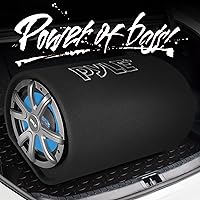
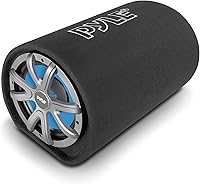
The Pyle PLTB8 8-Inch Carpeted Subwoofer Tube Enclosure is one of those no-fuss solutions that has quietly held its place in the budget car audio market since 2006. The tube format appeals to anyone who doesn't want to build a custom enclosure or wrestle with wood and fiberglass — you get the driver already mounted and ready to wire up. At 8 inches, the driver hits a practical sweet spot: enough cone surface to produce real bass without consuming the entire trunk. This carpeted sub enclosure isn't chasing audiophiles. It's aimed squarely at everyday drivers who want more thump than their factory speakers can deliver, without a complicated installation.
Features & Benefits

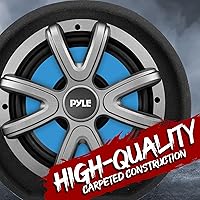
The aluminum voice coil is the hardware highlight here. It handles heat better than cheaper alternatives, which matters when you're running bass-heavy tracks for extended stretches. The blue polypropylene cone is stiff enough to stay reasonably accurate at moderate volumes and holds up well against humidity swings inside a car. A bass reflex vent helps coax extra low-end from the enclosure, though claiming a true 30Hz experience takes some optimism — real-world punch tends to sit a bit higher. The 4-ohm impedance pairs cleanly with most aftermarket amplifiers without adapters. The carpeted exterior handles trunk bumps and scuffs without showing wear quickly.

Best For

This tube subwoofer makes the most sense for someone tackling their first car audio upgrade and wanting results without a steep learning curve. If you've avoided adding bass because custom enclosure builds seem intimidating, this solves that problem immediately. It also fits well in vehicles where trunk space is limited — the cylindrical shape tucks against a sidewall far more efficiently than a rectangular box sub. Budget-conscious daily commuters who simply want their music to feel fuller without overhauling their entire system will find this carpeted sub enclosure hits a solid balance of cost and convenience. It's not the right choice for anyone chasing competition-level output or precise tuning.

User Feedback

Across more than 450 ratings, this tube subwoofer holds a 4-star average — respectable for its price bracket. Buyers consistently highlight straightforward installation, with most getting it working within an hour and without professional help. Casual listeners replacing tinny factory speakers genuinely appreciate the added bass presence. Where opinions diverge is at higher volumes: push it hard and the bass can turn bloated rather than punchy, a common trait in vented enclosures at this tier. A handful of owners have flagged durability concerns over time, particularly around wiring connections. On balance, most buyers feel the value holds up well, especially for a commuter car or a second vehicle.

Pros

  • No enclosure building required — driver comes pre-mounted and ready to wire up.
  • The 4-ohm impedance pairs cleanly with virtually any aftermarket amplifier on the market.
  • Carpeted exterior blends into most trunk liners without looking aftermarket or out of place.
  • Tube format fits snugly along trunk sidewalls, preserving usable cargo space.
  • Most buyers complete installation in under an hour with basic wiring knowledge.
  • Delivers a clear, audible bass improvement over factory speakers at moderate volumes.
  • The aluminum voice coil handles heat better than paper alternatives during extended listening.
  • Long production history since 2006 suggests consistent parts availability and known performance behavior.
  • Polypropylene cone resists humidity better than paper cones in variable car environments.
  • Solid value for casual listeners who want more bass without a complicated multi-component upgrade.

Cons

  • Bass becomes loose and bloated when pushed past moderate volume levels.
  • Advertised wattage is a peak figure — real continuous headroom is significantly lower.
  • Claims of hitting 30Hz in practice are optimistic; usable deep bass rolls off noticeably higher.
  • Terminal connections have been reported to loosen over time with sustained vibration.
  • Carpet wrap can begin to peel at the seams after prolonged exposure to heat and trunk flex.
  • Minimal documentation included — first-timers must find wiring guidance online independently.
  • The blue cone finish is visible and may not suit buyers who prefer a clean, stealthy interior look.
  • Susceptible to alternator whine interference in systems with long or unshielded RCA cable runs.
  • Impedance labeling inconsistencies across product listings have caused amplifier pairing confusion.
  • Not a realistic upgrade path — buyers who outgrow it quickly will have spent money on a temporary fix.

Ratings

The scores below reflect an AI-driven analysis of verified buyer reviews for the Pyle PLTB8 8-Inch Carpeted Subwoofer Tube Enclosure, sourced globally and filtered to remove spam, bot activity, and incentivized feedback. Every category was scored based on patterns across hundreds of real-world experiences, not manufacturer claims. Both what this tube subwoofer does well and where it consistently falls short are reflected without bias.

Value for Money
83%
For buyers stepping up from factory speakers on a tight budget, this carpeted sub enclosure delivers a noticeable bass upgrade without requiring a second thought about cost. Most owners feel the price-to-performance ratio is honest for casual daily listening.
Buyers who push the system hard or compare it to slightly pricier competitors often feel the gap in quality becomes apparent faster than expected. The value proposition weakens if you need the sub to perform consistently at higher output levels.
Ease of Installation
88%
The all-in-one design is a genuine time-saver. Most buyers with basic wiring knowledge report getting the Pyle PLTB8 up and running in under an hour, with no custom carpentry or enclosure tuning required. The included terminals are straightforward to connect.
A minority of users found the wiring connections on the terminal cup to be tight or poorly labeled, causing minor confusion during setup. Without basic car audio knowledge, first-timers may still need a reference guide to wire it correctly.
Bass Output & Impact
71%
29%
At moderate listening volumes, this tube subwoofer adds a satisfying thump that makes a real difference on bass-heavy genres like hip-hop and EDM during a daily commute. For listeners replacing dead or weak factory subs, the improvement feels substantial.
Push the volume past about two-thirds and the bass starts to sound loose and bloated rather than tight and controlled. The bass reflex vent helps low-end extension in theory, but real-world deep sub-bass feels optimistic compared to what the spec sheet implies.
Sound Clarity at High Volume
58%
42%
At conservative gain settings, the carpeted sub enclosure handles mid-bass frequencies cleanly enough for casual listening without obvious distortion or breakup. Paired with a properly tuned amplifier, it behaves predictably.
Distortion becomes a recurring complaint when users crank the gain. The polypropylene cone struggles to stay composed at high excursion levels, and the enclosure port can chuff audibly when pushed near its limits, which undermines the listening experience.
Build Quality
66%
34%
The carpeted exterior is more durable than bare MDF finishes in a trunk environment, resisting surface scuffs and minor moisture exposure reasonably well. The overall assembly feels solid enough for the price tier when first unboxed.
Long-term durability is where confidence dips. Some owners have reported that the terminal connections loosen over time, and the carpet wrap can start to peel at the seams after a year or two of trunk vibration and temperature cycling.
Power Handling Accuracy
53%
47%
The aluminum voice coil does a better job than paper alternatives at managing heat during extended listening, which gives the sub some headroom before thermal stress becomes an issue at moderate power levels.
The 400-watt maximum rating is a peak figure that bears little resemblance to safe continuous use. Real RMS headroom is significantly lower, and buyers who feed it aggressively from a powerful amplifier have reported premature failure. Treat the wattage claim cautiously.
Frequency Response Depth
61%
39%
The ported tube design does extend perceived bass compared to a sealed enclosure of the same driver size, giving music a warmer, fuller quality during everyday listening on standard roads.
Claims of hitting 30Hz are optimistic for this enclosure and driver combination. Most users experience usable response that starts to roll off noticeably below 45-50Hz, meaning true sub-bass rumble is limited in real-world conditions.
Amplifier Compatibility
79%
21%
The 4-ohm impedance rating is the most universally compatible load for aftermarket amplifiers, making this carpeted sub enclosure easy to drop into an existing system without impedance-matching headaches.
The spec sheet lists a 1-ohm impedance in some fields, which contradicts the 4-ohm rating stated elsewhere and has confused a handful of buyers during amplifier pairing. Verifying the actual impedance before purchase is worthwhile.
Trunk Space Efficiency
81%
19%
The cylindrical shape is a practical advantage over square boxes in oddly shaped trunks. It slides along sidewalls or behind rear seats in hatchbacks and sedans without consuming usable cargo space the way a wedge or rectangular box would.
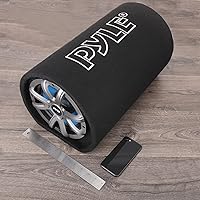
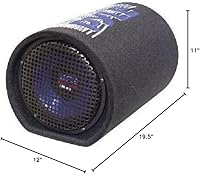
At nearly 19.5 inches in length and 12 inches in diameter, it is not as compact as the tube format might suggest. Owners of smaller vehicles or those with spare tire wells in the floor have occasionally found fitment tighter than anticipated.
Durability Over Time
62%
38%
Buyers who use this tube subwoofer at conservative power levels and in temperature-stable environments report multi-year service lives without significant degradation in sound or physical condition.
Durability complaints cluster around the terminal connections and carpet adhesion. Users in hot climates or those who frequently load and unload their trunks tend to see wear accelerate faster than the casual use case the product is optimized for.
Aesthetic Integration
74%
26%
The black carpeted finish blends naturally into most trunk liners and does not look out of place sitting in the cargo area. It is a cleaner visual than bare wood or plastic enclosures at this price point.
The blue polypropylene cone is visible through the grille and has a polarizing look that not everyone appreciates. There is no color option, so buyers who prefer a stealthier or all-black interior finish have no alternative.
Signal-to-Noise Performance
72%
28%
At typical listening volumes, background hiss and interference are not a notable issue. The sub plays cleanly without introducing audible noise floor problems into a reasonably well-installed car audio system.
In setups with long or poorly shielded RCA runs, some users report picking up alternator whine through the sub. This is partly an installation issue, but the enclosure offers no shielding or filtering to help mitigate it.
Packaging & Out-of-Box Experience
76%
24%
Most buyers report receiving the unit in good condition with adequate protective packaging. The sub arrives ready to install with no assembly required, which reinforces the appeal of the all-in-one format.
The included documentation is minimal, and there is no wiring guide or basic setup instruction sheet included. First-time buyers without prior car audio experience often have to search online for wiring diagrams, which adds unnecessary friction.

Suitable for:

The Pyle PLTB8 8-Inch Carpeted Subwoofer Tube Enclosure is a strong fit for anyone who wants a noticeable bass upgrade without committing serious time or money to the project. If you've been driving around with stock speakers that flatten out every kick drum and bassline, this tube subwoofer gives you a meaningful improvement in a single afternoon. It's particularly well-matched to first-time car audio buyers who have never wired a subwoofer before — the all-in-one design removes the intimidating step of sourcing and building a separate enclosure. Commuters and daily drivers who want fuller-sounding music on the way to work, without caring deeply about audiophile precision, will find it hits the right notes. It also makes practical sense for secondary vehicles — a teenager's first car, a family van, or a work truck — where the goal is more bass presence rather than a high-fidelity sound stage. Anyone with a mid-size sedan or hatchback who struggles to fit a rectangular box sub will appreciate how the cylindrical shape tucks neatly along a trunk sidewall.

Not suitable for:

The Pyle PLTB8 8-Inch Carpeted Subwoofer Tube Enclosure is not the right call for buyers who plan to push serious power through their system or expect tight, accurate bass at high volumes. If you already own or plan to buy a high-output amplifier, this carpeted sub enclosure will likely struggle to keep up — the advertised wattage ceiling is a peak figure, and the real continuous power headroom is considerably more modest. Enthusiasts who listen critically and value bass definition over raw thump will find the port-tuned design too loose and imprecise for their taste. Anyone building a dedicated competition or show car setup should look elsewhere entirely. Buyers in extreme climate conditions — very hot summers or frequent temperature swings — may find the carpet adhesion and terminal connections degrade faster than expected with regular use. And if you're replacing a blown sub in a system that already sounds good at a higher tier, this tube subwoofer may feel like a step backward rather than a lateral swap.
Specifications

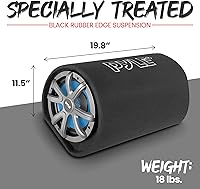
  • Driver Size: The subwoofer driver measures 8 inches in diameter, balancing bass output with a compact footprint suitable for mid-size trunks.
  • Enclosure Type: A bass reflex tube enclosure design is used, with a rear-facing port vent that extends low-frequency output compared to a sealed box.
  • Max Power: The driver is rated at a maximum peak power of 400 watts, though continuous RMS output is significantly lower and should be matched accordingly.
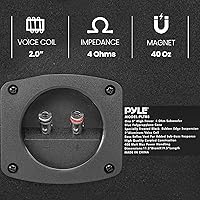
  • Voice Coil: A 2-inch aluminum voice coil is used, offering better heat dissipation than paper alternatives during extended listening sessions.
  • Impedance: The driver presents a 4-ohm impedance load, which is compatible with the vast majority of aftermarket car amplifiers without special wiring.
  • Frequency Response: Rated frequency response spans 30Hz to 700Hz, though real-world usable bass extension typically begins rolling off above 45Hz in practice.
  • Cone Material: The driver cone is constructed from blue polypropylene, which resists moisture better than paper and maintains reasonable rigidity across temperature changes.
  • Dimensions: The tube enclosure measures approximately 12″ in diameter and 19.5″ in length, requiring adequate trunk depth for proper fitment.
  • Weight: The complete unit weighs 13.2 pounds, making it manageable for a single person to install and reposition without assistance.
  • Exterior Finish: The outer shell is wrapped in black carpet material that blends naturally with most trunk liners and offers basic scuff resistance.
  • Signal-to-Noise Ratio: A signal-to-noise ratio of 90 dB is specified, meaning background hiss is not an audible concern at typical listening volumes.
  • Connectivity: The enclosure uses a wired terminal cup connection, compatible with standard speaker wire gauges used in typical car audio installations.
  • Vehicle Compatibility: Designed specifically for in-car use, the tube format is suited to sedans, hatchbacks, SUVs, and trucks with sufficient trunk or cargo area length.
  • Quantity: Each purchase includes one complete tube subwoofer enclosure with the driver pre-mounted inside, requiring no additional assembly before installation.
  • Warranty: The unit is covered by a limited manufacturer warranty; buyers should confirm current warranty terms directly with Pyle or the point of purchase.
  • Manufacturer: Made by Pyle, a US-based audio brand with a broad budget and mid-range car audio catalog that has been in production since the mid-2000s.
  • First Available: This model has been available on the market since September 2006, giving it a long track record of real-world buyer feedback to draw from.

Related Reviews

Pyle PLMRSBA8 8-Inch Amplified Low-Profile Subwoofer
84%
85%
Bass Performance
90%
Ease of Installation
92%
Size & Space Efficiency
80%
Sound Clarity
87%
Power Output
More
Bazooka BTA8100 8-Inch 100-Watt Amplified Tube Subwoofer
83%
85%
Sound Quality
88%
Bass Response
90%
Bluetooth Connectivity
92%
Ease of Installation
82%
Build Quality
More
QPower QBGMC07408 8-Inch Quad Car Subwoofer Enclosure
70%
83%
Bass Output
78%
Build Quality
61%
Fitment & Compatibility
57%
Installation Experience
74%
Value for Money
More
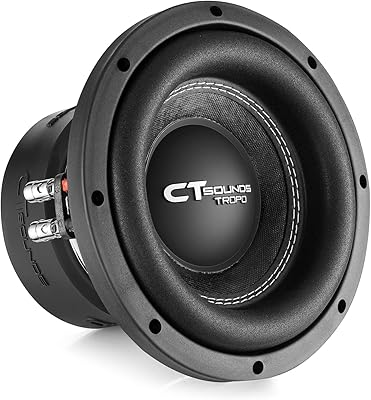
CT Sounds TROPO-8-D2 8-Inch Car Subwoofer
77%
91%
Value for Money
83%
Bass Quality
88%
Build Quality
67%
Enclosure Compatibility
71%
Amplifier Pairing
More
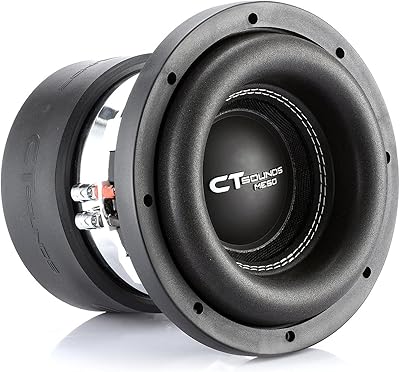
CT Sounds MESO-8-D4 8-Inch Dual 4 Ohm Car Subwoofer
87%
94%
Bass Performance
91%
Build Quality
88%
Sound Clarity at High Volumes
93%
Power Handling
84%
Ease of Integration
More
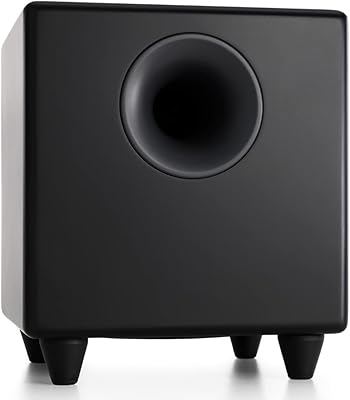
Audioengine S8 Subwoofer
84%
93%
Bass Accuracy & Musicality
94%
Build Quality
91%
Integration & Setup Ease
86%
Crossover Flexibility
89%
Low-Frequency Extension
More
Monoprice Premium Select 8-Inch Subwoofer
76%
91%
Value for Money
88%
Ease of Setup
76%
Bass Performance
89%
Input Versatility
62%
Build Quality
More
Pyle PLW15RD 15-Inch Car Subwoofer
85%
93%
Bass Performance
88%
Sound Clarity
90%
Build Quality
82%
Ease of Installation
87%
Durability
More
MTX TNE212D Dual 12″ Subwoofer Enclosure
79%
83%
Bass Output & Impact
88%
Build Quality
79%
Carpet Finish & Aesthetics
91%
Value for Money
84%
Installation Ease
More
Rockville RV208P Dual 8″ Subwoofer in Vented Enclosure
86%
87%
Bass Performance
90%
Ease of Installation
83%
Sound Clarity at High Volumes
88%
Build Quality
92%
Size and Compactness
More

FAQ

Technically you can wire it to a head unit's speaker outputs, but you will get very little usable bass that way. This tube subwoofer is designed to be paired with a dedicated external amplifier to perform as intended. Most buyers pick up an entry-level mono amp alongside it for a complete setup.

Measure your available trunk depth and compare it to the 19.5-inch length of the enclosure. You also need roughly 12 inches of clearance in the width direction. The cylindrical shape works well along trunk sidewalls, but very small compact cars with shallow trunks can be a tight fit, so measure before ordering.

No, and this is an important point. The 400-watt figure is a peak rating, not a continuous RMS value. Running a 400-watt RMS amplifier at full gain into this driver is a good way to damage the voice coil. A safer approach is to match it with an amplifier rated around 150 to 200 watts RMS and set the gain conservatively.

It can work with a factory head unit if you use an amplifier with a speaker-level input or a line output converter. Most factory systems do not have RCA preamp outputs, so you will likely need that extra adapter component between the head unit and your amp.

For a subwoofer run at this power level, 16-gauge wire is the minimum, but 14-gauge is a safer and more common choice. Keep the run as short as reasonably possible to minimize resistance. The terminal cup on the enclosure accepts standard push-pin or screw-style connections found on most aftermarket amps.

In honest terms, probably not in most real-world installs. The Pyle PLTB8 8-Inch Carpeted Subwoofer Tube Enclosure is rated down to 30Hz, but budget ported enclosures like this one typically start rolling off meaningfully above that threshold. Expect solid, satisfying bass from around 45Hz and above — enough to feel music in your chest at moderate volume, but not the sub-bass floor-shaking depth you get from a larger or more purpose-built system.
The tube format is designed to lay horizontally, typically resting in the trunk along the rear wall or a sidewall. Laying it flat is the standard and expected installation position. Just make sure the port vent opening is not completely blocked by cargo or trunk lining, as that will choke the airflow and reduce bass output.

Unfortunately this is a recurring complaint with this carpeted sub enclosure, particularly in vehicles that experience significant heat buildup or frequent vibration. The adhesive used under the carpet wrap is not industrial grade. It is not ideal, but it is a known trade-off at this price point. A thin bead of contact cement can reattach the peeling section quickly.

It is purely cosmetic. Pyle uses a blue-tinted polypropylene cone across several of their budget driver lines. The material choice — polypropylene — does have functional benefits in terms of moisture resistance and rigidity, but the color itself has no bearing on sound quality or performance.

That sound is called port chuffing, and it usually means the subwoofer is being pushed beyond what the enclosure tuning can handle cleanly. It happens when air velocity through the vent becomes turbulent at high excursion levels. The fix is to reduce your amplifier gain or your bass boost settings. If it persists at moderate volumes, check that nothing is loose inside the enclosure and that the terminal connections are tight.

Where to Buy